


SDS-PAGE Electrophoresis Systems for Protein Testing
Explore our flagship SDS-PAGE electrophoresis instruments — precision-engineered for reliable protein separation, molecular weight determination, and purity analysis across research and industrial laboratories.
What Is SDS-PAGE Electrophoresis?
SDS-PAGE (Sodium Dodecyl Sulfate–Polyacrylamide Gel Electrophoresis) is the gold-standard analytical technique for protein testing, enabling scientists and industrial labs to separate proteins by molecular weight with extraordinary resolution and reproducibility.
The Science Behind SDS-PAGE
SDS-PAGE leverages the anionic detergent SDS to denature proteins and uniformly coat them with negative charges proportional to their mass. When subjected to an electric field within a polyacrylamide gel matrix, these protein-SDS complexes migrate based solely on molecular weight — smaller proteins travel faster, larger ones slower. This yields a precise band pattern that allows quantification and identification of proteins with molecular weights ranging from under 10 kDa to over 250 kDa.
Key Principles & Methodology
A typical SDS-PAGE workflow involves sample denaturation with SDS and heat, loading onto a polyacrylamide gel (typically 8–15% acrylamide concentration), electrophoresis under constant voltage, and visualization via Coomassie Blue or silver staining. The resolving gel separates proteins, while the stacking gel concentrates them into sharp bands. Molecular weight markers run alongside samples, enabling precise sizing. Modern systems support gradient gels (4–20%) for broader mass range coverage in a single run.
Commercial & Industrial Status of SDS-PAGE Protein Testing
SDS-PAGE electrophoresis for protein testing has evolved from a purely academic tool into a cornerstone of global biotechnology and pharmaceutical manufacturing — driving a multi-billion-dollar instrumentation market.
🏭 Industrial Manufacturing Demand
Biopharmaceutical manufacturers rely on SDS-PAGE protein testing as a mandatory quality control step for monoclonal antibodies, recombinant proteins, vaccines, and biosimilars. Regulatory bodies including the FDA, EMA, and NMPA require documented SDS-PAGE data for biologics approval. Industrial-scale GMP facilities now deploy high-throughput automated electrophoresis platforms capable of processing dozens of samples per hour, replacing traditional manual methods while maintaining compliance with ICH Q6B guidelines.
🧪 Food & Agricultural Testing Markets
The food safety industry has adopted SDS-PAGE protein testing extensively to detect adulteration, verify species authenticity, assess allergen profiles, and analyze protein content in processed foods. Regulatory enforcement agencies use SDS-PAGE to identify undeclared ingredients in products such as meat, dairy, and plant-based alternatives. The rise of precision fermentation and novel protein sources (algae, insect protein, mycoprotein) has further driven demand for robust protein electrophoresis solutions in food manufacturing QC pipelines.
Development Trends in SDS-PAGE Protein Electrophoresis
The SDS-PAGE electrophoresis landscape is undergoing rapid transformation — driven by automation, miniaturization, AI-assisted analysis, and integration with multi-omics platforms. Understanding these trends is essential for laboratories seeking competitive advantage.
AI-Powered Gel Image Analysis
Machine learning algorithms are now being integrated into gel documentation systems to automatically detect, quantify, and annotate protein bands with sub-pixel accuracy. AI removes operator subjectivity and enables batch analysis of hundreds of gels with consistent results — a critical advance for high-throughput industrial QC.
Microfluidic & Chip-Based Electrophoresis
Miniaturized lab-on-chip SDS-PAGE platforms reduce sample volume requirements to nanoliters, cut analysis time from hours to minutes, and enable point-of-care protein diagnostics. These systems are being deployed in clinical settings, field diagnostics, and rapid bioprocess monitoring.
Automated High-Throughput Systems
Robotic gel casting, automated sample loading, and integrated western blot workflows are consolidating multiple steps into single-platform solutions. For biopharmaceutical QC departments processing thousands of samples monthly, automation reduces labor costs by up to 70% while eliminating human error.
Precast Gel Technology Expansion
Precast polyacrylamide gels with precisely controlled pore sizes and gradient formats are replacing hand-cast gels in commercial laboratories. Their batch-to-batch consistency, longer shelf life, and reduced preparation time have made them the preferred choice for regulated biopharmaceutical environments.
Multi-Omics Integration
SDS-PAGE is increasingly combined with mass spectrometry (GeLC-MS), 2D gel electrophoresis, and immunoblotting in integrated proteomics workflows. This enables comprehensive characterization of complex biological samples — from post-translational modifications to protein-protein interactions — supporting drug discovery and biomarker research.
Eco-Friendly Electrophoresis Solutions
Environmental regulations and corporate sustainability goals are driving development of acrylamide-free gel alternatives, reduced-volume buffer systems, and energy-efficient power supplies. LED-based staining visualization systems replace UV-hazardous illumination, reducing laboratory safety risks and operating costs.
Deep-Dive: SDS-PAGE Protein Testing Application Scenarios
SDS-PAGE electrophoresis for protein testing serves as a critical analytical tool across diverse sectors — each with unique technical requirements, regulatory frameworks, and performance expectations.
Biopharmaceutical QC
Purity analysis and identity testing of mAbs, therapeutic enzymes, and recombinant proteins under FDA 21 CFR Part 11 compliance.
Proteomics Research
2-DE protein mapping, biomarker discovery, and disease mechanism studies in academic and pharmaceutical research institutes.
Food Safety Testing
Species authentication, allergen detection, protein denaturation analysis, and adulteration testing in food production facilities.
Agricultural & Seed Science
Varietal identification, GM crop protein profiling, seed quality assessment, and pathogen detection in agricultural research.
Clinical Diagnostics
Serum protein electrophoresis for detecting monoclonal gammopathies, liver disease, and immune deficiency disorders in hospital labs.
Vaccine Development
Antigen purity verification, vaccine stability studies, and excipient analysis during vaccine formulation and manufacturing.
Cosmetics & Personal Care
Protein ingredient verification in collagen-based skincare, keratin treatments, and bioactive cosmetic formulations.
Environmental Monitoring
Detection of protein contaminants in water sources, analysis of microbial protein expression in bioremediation research.
SDS-PAGE & Protein Analysis Complete Product Portfolio
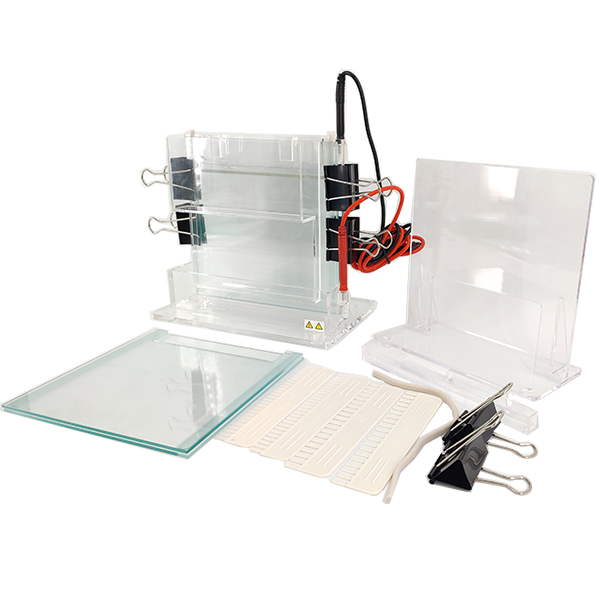
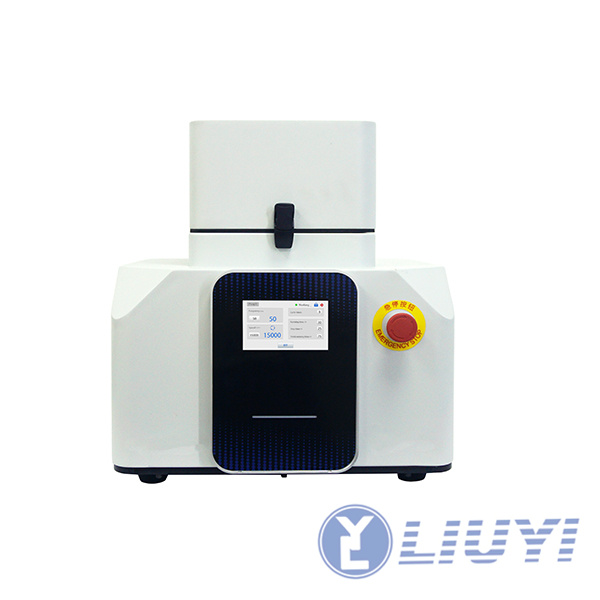
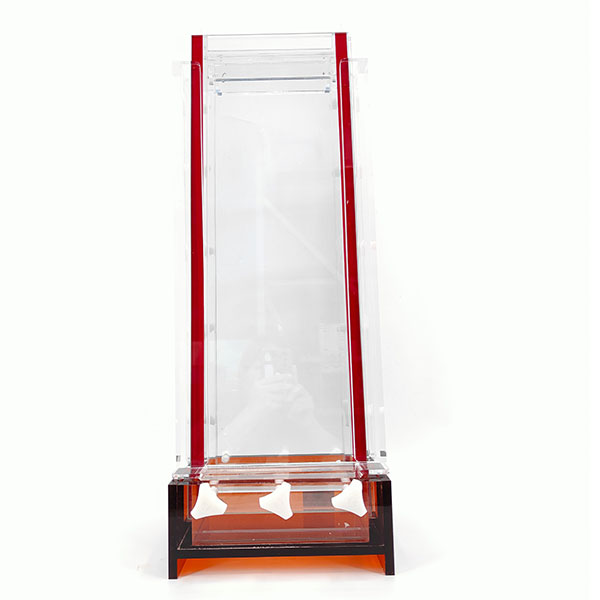
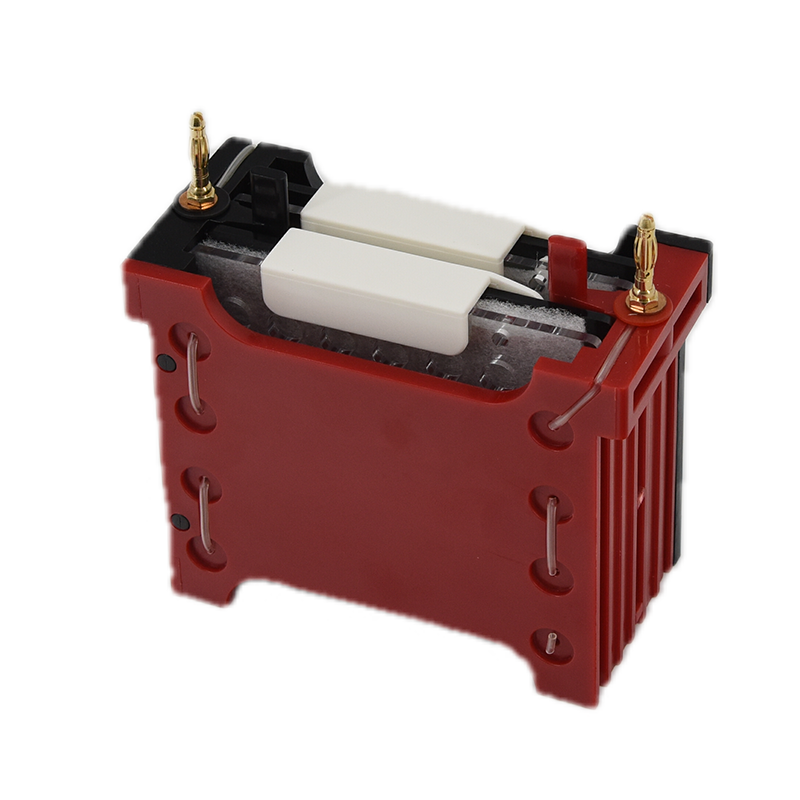
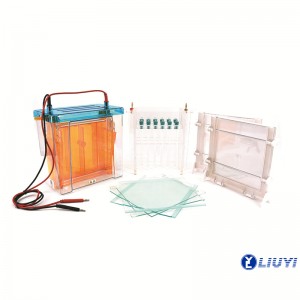
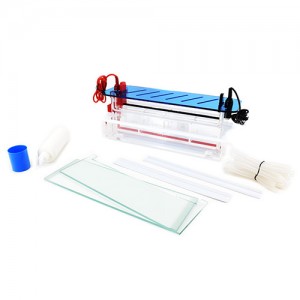
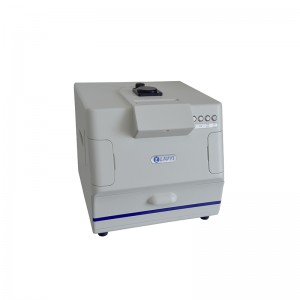
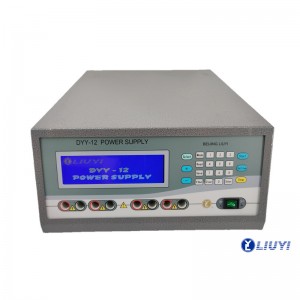
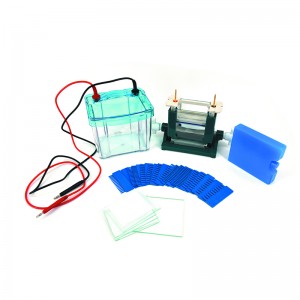
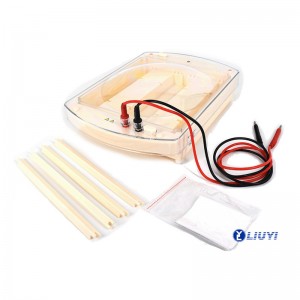
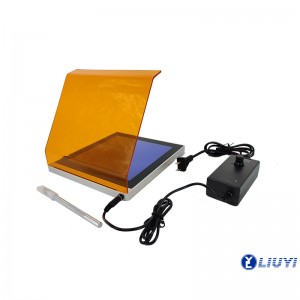
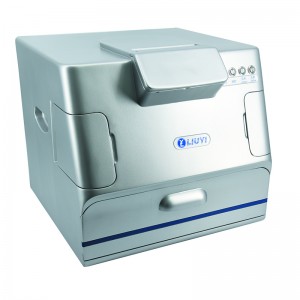
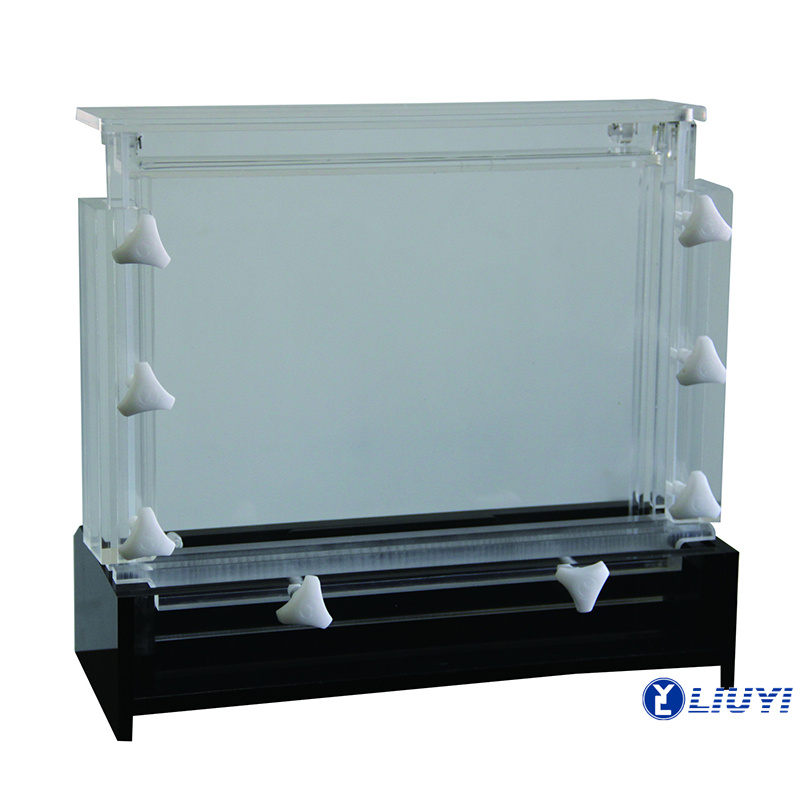
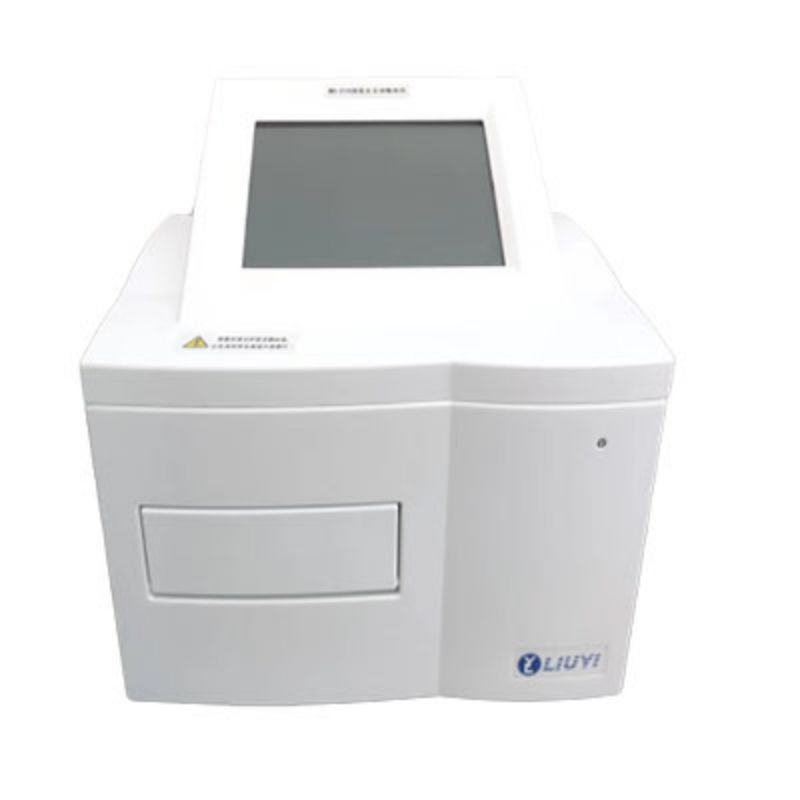
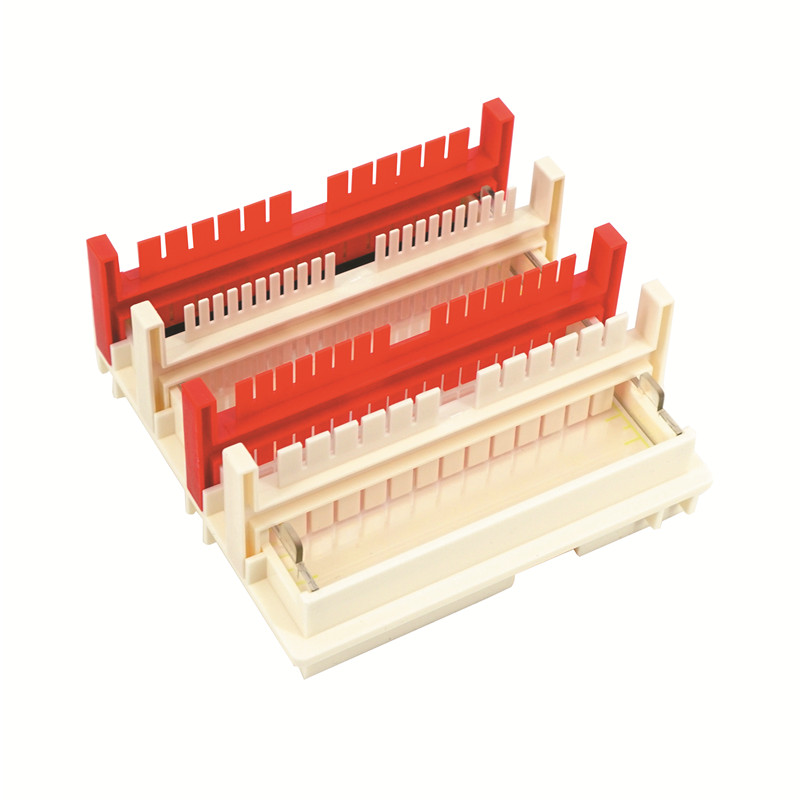
Beijing Liuyi Biotechnology Co., Ltd has launched new products for protein analysis, western blotting, and gel observation. DYCZ-MINI series are fully compatible with the main international brands, and can run up to four precast or handcast polyacrylamide gels. The trans-blot module of DYCZ-TRANS2 is compatible with the chamber of DYCZ-MINI series. The WD-9403B can observe gel for nucleic acid electrophoresis. These new products are all durable, versatile, and easy to assemble.


Our Company — Beijing Liuyi Biotechnology
Beijing Liuyi Biotechnology Co., Ltd., formerly known as Beijing Liuyi Instrument Factory, established in 1970, is a national high technology enterprise with a long history. It is a leading and the biggest manufacturer in electrophoresis instrument for life science laboratories in China.
Based on the life science and biotechnology industries, our mainly products always in the domestic industry leading firm and well-known in the industry, exported to other countries and areas. We have our own R&D team, open to scientific research innovation, market development first, industry and combined with the development, the economic scale of our company have rapid growth for several years.
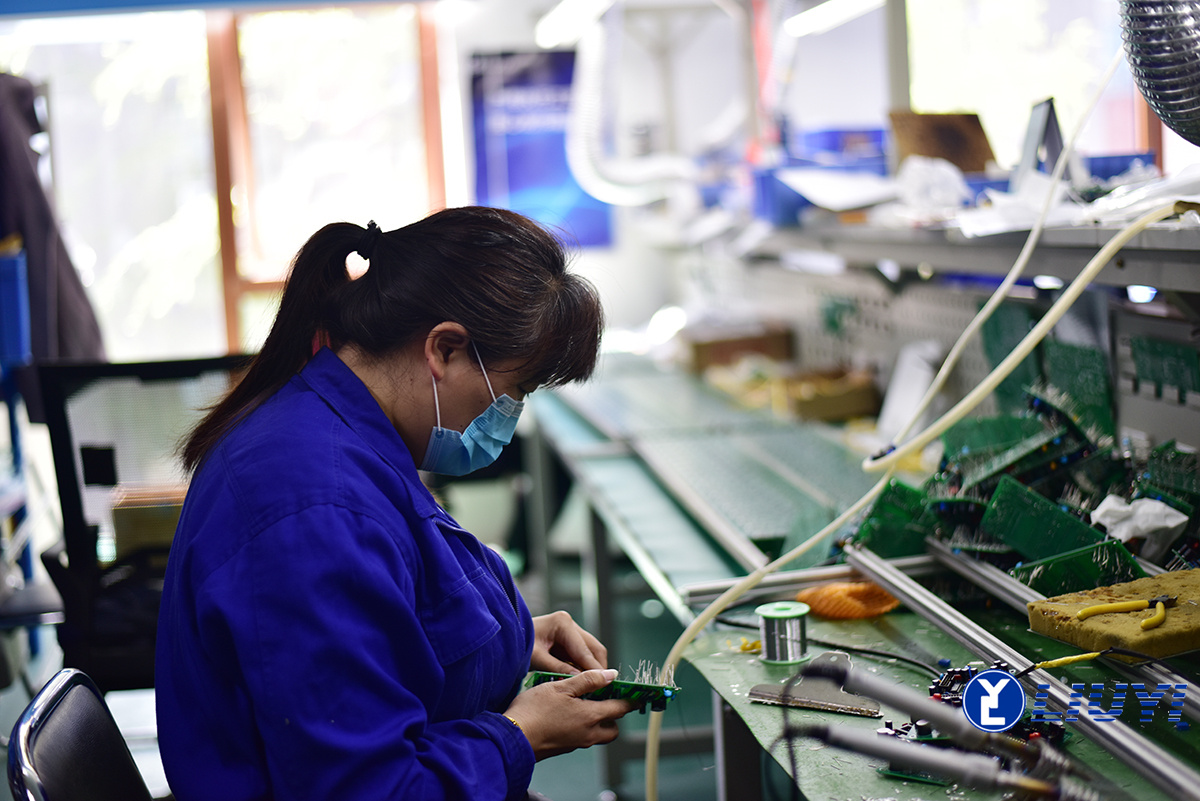
Professional R&D & Technical Team
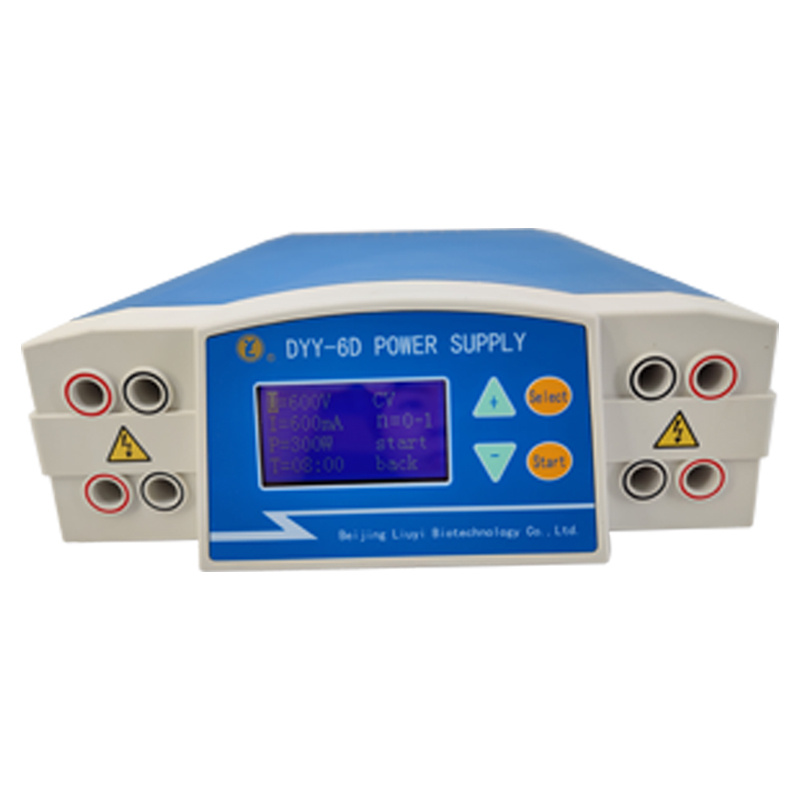
Liuyi has specialized in manufacturing electrophoresis instruments for more than 50 years with our own professional technical team and R&D center. We have reliable and complete production line from design to inspection, and warehouse, as well as marketing support. Our main products are Electrophoresis Cell (tank/chamber), Electrophoresis Power Supply, Blu LED Transilluminator, UV Transilluminator, Gel Image & Analysis System etc. According to your requirements, we can provide customized service for you.
Certificate & Quality Credentials
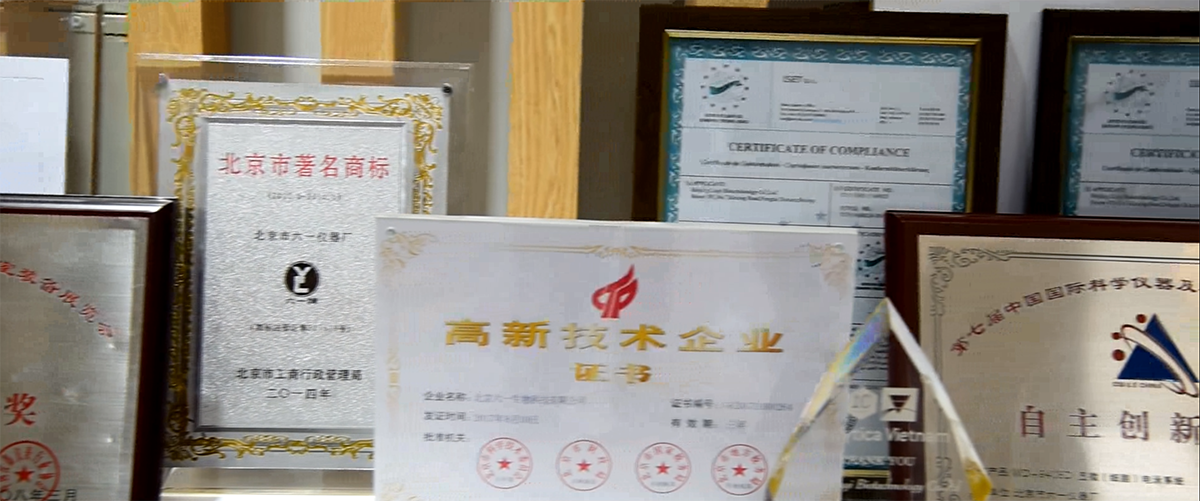
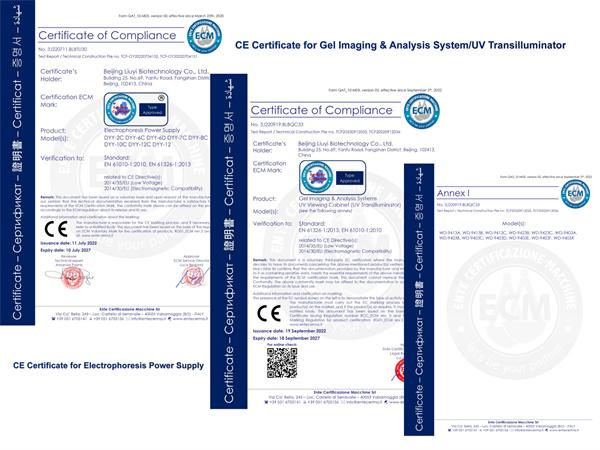
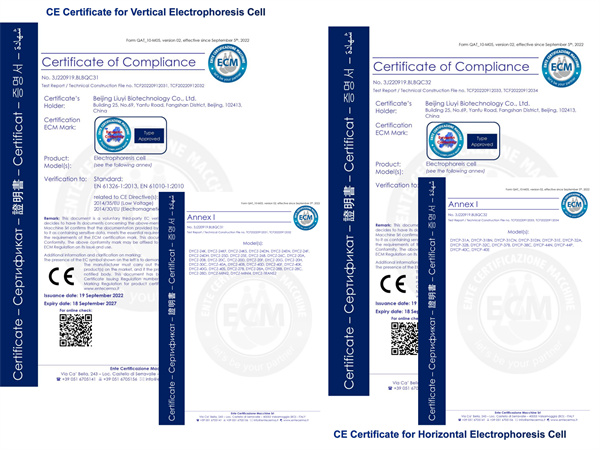
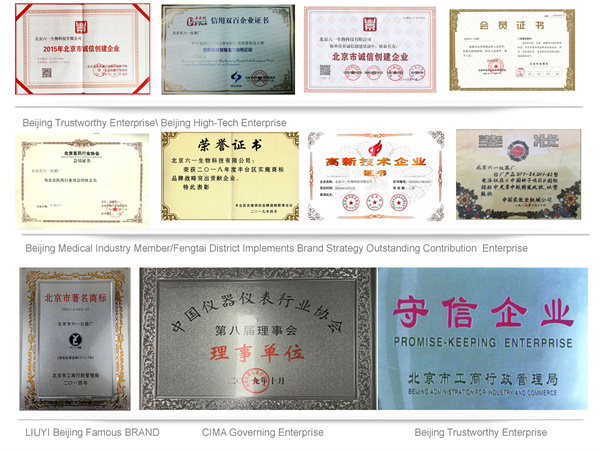
Liuyi has been awarded variety certificates and enterprise qualifications along with its high reputation in industry. We are ISO 9001 & ISO 13485 certified company and some of our products have CE certificates. Since 2003, Liuyi as the only medical device manufacturer in Beijing medical industry has been awarded as "PROMISE-KEEPING ENTERPRISE" by Beijing Administration for Industry and Commerce.
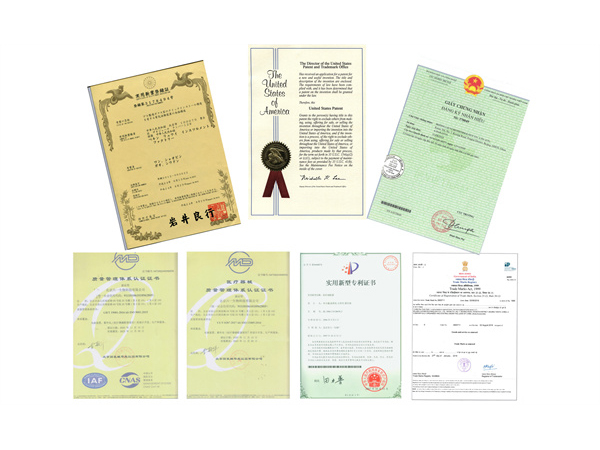
In 2008, Liuyi is honored as the famous trademark of Beijing. Our trademark is under the protection of Madrid Protocol in 7 countries including the United States, the United Kingdom, Japan, South Korea, Singapore, Greece, and Zambia in 2005, as well we have registered our trademark in India and Vietnam.
Based on life science and biotechnology industry, with excellent reputation, we offer reliable quality products and good service to our customers in China and overseas. We are the key supplier for the government purchase projects, and we have nearly 2000 dealers in China. Our products have been exported to more than ten countries including America, Brazil, Mexico, India, Africa, Chile, Singapore etc.
- ISO 9001 & ISO 13485 Double Certified Enterprise
- National High-tech Enterprise
- Three main products passed CE certification
- LIUYI Beijing Famous Brand
- Drafting Enterprise for pharmaceutical industry & national standards
- First Class Medical Device Filled Certificate
- China Utility Model Patent Certificate
- Japanese and American Patents
- India and Vietnam Registered Trademark
- Beijing Trustworthy Enterprise
- CIMA Governing Enterprise
- Undertake China Torch Plan Program
More SDS-PAGE & Protein Testing Equipment
Comprehensive electrophoresis solutions for every protein testing application — from power supplies and gel casting systems to advanced imaging and detection equipment.
-

Phone
-

E-mail
-

Whatsapp
-

Top