


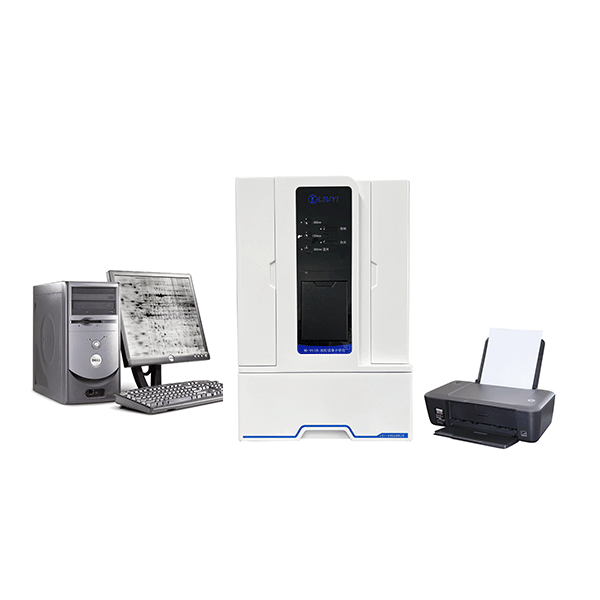
Featured Instruments for Hemoglobin SDS Gel Electrophoresis
Professional-grade electrophoresis equipment engineered for accurate hemoglobin variant detection and protein screening in clinical and research environments.
What Is SDS Gel Electrophoresis for Hemoglobin Screening?
SDS-PAGE (Sodium Dodecyl Sulfate–Polyacrylamide Gel Electrophoresis) is one of the most powerful and widely adopted protein separation techniques in modern life science. When applied to hemoglobin screening, SDS gel electrophoresis enables laboratories to identify and characterize hemoglobin variants, mutations, and structural abnormalities with exceptional precision and reproducibility.
In clinical diagnostics, hemoglobin disorders such as sickle cell disease, thalassemia, and other hemoglobinopathies affect hundreds of millions of people globally. Early and accurate screening is vital for patient management, genetic counseling, and neonatal diagnosis programs. SDS gel electrophoresis serves as both a confirmatory tool and a primary screening method, particularly in regions where automated analyzers may not be accessible.
The SDS Gel Electrophoresis Process for Hemoglobin
Sample Preparation
SDS Treatment & Denaturation
Gel Loading & Electrophoresis
Staining & Visualization
Imaging & Analysis
- Sample Preparation: Red blood cells are lysed to release hemoglobin. The lysate is mixed with SDS loading buffer containing beta-mercaptoethanol to reduce disulfide bonds.
- SDS Treatment: Proteins are boiled with SDS, which binds uniformly to polypeptide chains at a mass ratio of approximately 1.4g SDS per gram of protein, imparting a net negative charge.
- Electrophoresis: Samples are loaded into polyacrylamide gel wells. Under an applied electric field, negatively charged proteins migrate toward the anode, with smaller proteins migrating faster.
- Staining: Coomassie Brilliant Blue or silver staining reveals protein band patterns. Hemoglobin subunits (α and β chains) and any variant chains appear as distinct bands.
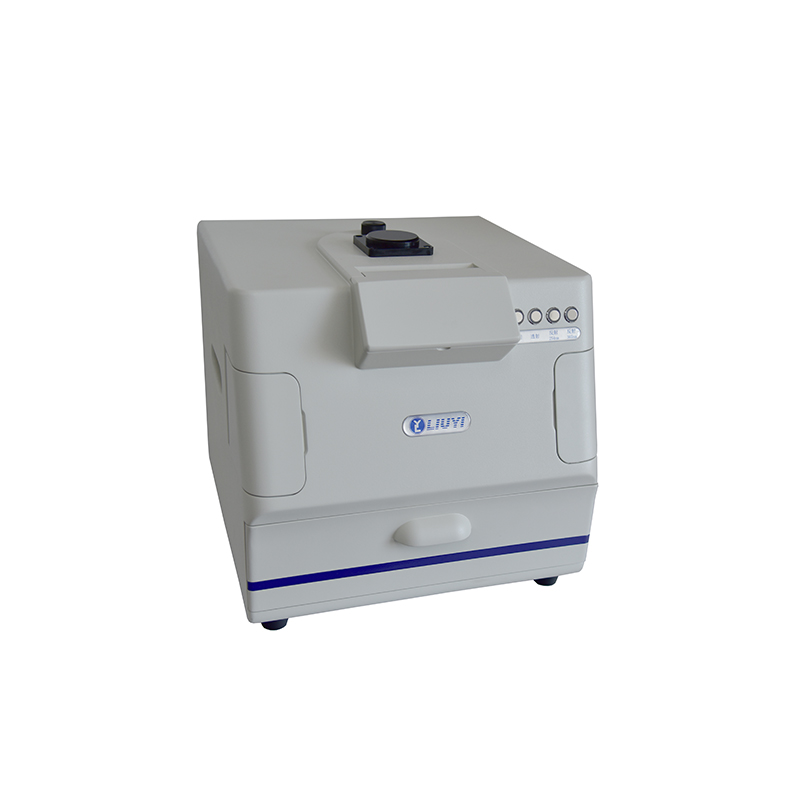
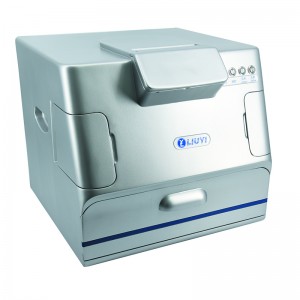
- Analysis: Gel imaging systems capture, measure, and compare band molecular weights against protein ladders to confirm hemoglobin types.
Clinical, Commercial & Industrial Applications of SDS Electrophoresis in Hemoglobin Screening
🏥 Neonatal & Newborn Screening Programs
Government-mandated newborn screening programs worldwide have adopted SDS gel electrophoresis as a confirmatory method for detecting hemoglobin disorders at birth. The technique allows healthcare systems to identify HbSS (sickle cell anemia), HbSC disease, and beta-thalassemia major in the first days of life — enabling timely therapeutic intervention, prophylactic antibiotics, and family genetic counseling.
🔬 Hospital Diagnostic Laboratories
Hospital-based hematology labs use SDS-PAGE routinely to characterize unusual hemoglobin bands identified by high-performance liquid chromatography (HPLC) or alkaline electrophoresis. It provides structural confirmation when ambiguous variants are encountered, and is especially valuable for detecting rare hemoglobin variants with point mutations that alter subunit molecular weight.
🏭 Pharmaceutical & Biopharmaceutical Manufacturing
In the biopharmaceutical industry, SDS gel electrophoresis is used to verify the purity and integrity of hemoglobin-based oxygen carriers (HBOCs) — synthetic blood substitutes under active development for trauma surgery and military medicine. Manufacturers rely on SDS-PAGE for batch release testing, stability studies, and regulatory filing documentation with agencies such as the FDA and EMA.
🌍 Public Health & Population Screening in Developing Regions
Sub-Saharan Africa, South Asia, and Southeast Asia bear the greatest burden of sickle cell disease and thalassemia. In these regions, SDS gel electrophoresis offers a cost-effective and infrastructure-appropriate screening approach. Mobile laboratory units equipped with compact electrophoresis systems have been deployed in community health campaigns, significantly expanding diagnostic reach beyond urban hospital networks.
🧪 Research & Academic Institutions
Research universities and biomedical institutes employ SDS-PAGE for hemoglobin structural studies, protein interaction analysis, and investigation of post-translational modifications such as glycation in diabetic patients. The technique forms the backbone of proteomics workflows targeting red blood cell biology and hemoglobin engineering.
Industry Trends & Future Development of SDS Gel Electrophoresis in Hemoglobin Diagnostics
AI-Powered Gel Image Analysis
Machine learning algorithms are being integrated into gel imaging systems to automate band detection, molecular weight calculation, and variant identification — reducing human error and dramatically increasing throughput in high-volume screening labs.
Miniaturized & Microfluidic SDS Systems
Lab-on-chip technologies are shrinking SDS electrophoresis into microfluidic formats, enabling point-of-care hemoglobin screening with results in under 30 minutes using microliter sample volumes — ideal for field diagnostics and resource-limited settings.
Cloud-Connected Electrophoresis Platforms
Next-generation electrophoresis systems feature IoT connectivity, enabling remote monitoring, real-time result sharing, and centralized data management across hospital networks and national screening programs.
Multi-Omics Integration
SDS-PAGE data is increasingly combined with genomic sequencing and mass spectrometry in multi-omics pipelines, providing a comprehensive view of hemoglobin variants at the protein, gene, and molecular level simultaneously.
Regulatory Standardization
International health organizations including WHO are working to standardize SDS gel electrophoresis protocols for hemoglobin screening, facilitating cross-border data comparability and quality assurance in global sickle cell and thalassemia programs.
Eco-Friendly & Green Electrophoresis
The industry is moving toward reduced-acrylamide formulations, non-toxic staining alternatives to ethidium bromide, and energy-efficient power supplies — aligning laboratory practice with sustainability goals and occupational health standards.
Deep-Dive Application Scenarios: SDS Gel Electrophoresis for Hemoglobin
⚕️ Scenario 1: Sickle Cell Disease Confirmation
When HPLC or isoelectric focusing identifies a suspected HbS peak, SDS-PAGE is used to confirm the β-globin chain mutation. The S variant β-chain migrates at a slightly different apparent molecular weight than normal β-chain, and densitometric analysis can quantify the ratio of HbA to HbS — critical for differentiating HbAS trait carriers from HbSS patients requiring immediate clinical intervention.
⚕️ Scenario 2: Thalassemia Carrier Identification
In beta-thalassemia, reduced or absent β-chain synthesis causes an imbalance with alpha chains. SDS-PAGE quantifies the α/β chain ratio, supporting diagnosis and severity classification. This is particularly important in antenatal screening programs where carrier couples face a 25% risk of affected offspring in each pregnancy.
⚕️ Scenario 3: Transfusion Medicine & Blood Bank Quality Control
Blood banks use SDS electrophoresis to verify hemoglobin integrity in stored blood products. Detection of hemoglobin degradation products or contaminating proteins ensures transfusion safety and product quality, particularly for pediatric and immunocompromised patient populations.
⚕️ Scenario 4: HBOC Drug Purity Testing
Companies developing hemoglobin-based oxygen carriers must demonstrate product purity through SDS-PAGE as part of IND/NDA submissions. The technique identifies protein impurities, crosslinked species, and degradation products that could trigger adverse immune responses in clinical trials.
⚕️ Scenario 5: Forensic & Sports Medicine Doping Control
Anti-doping laboratories employ SDS-PAGE to detect exogenous hemoglobin-based substances in athletes' blood samples. The unique banding patterns of engineered HBOCs are distinguishable from endogenous human hemoglobin, supporting fair competition enforcement by WADA-accredited testing facilities.
⚕️ Scenario 6: Veterinary Hemoglobin Screening
Veterinary diagnostics leverage SDS gel electrophoresis to screen animals for hereditary hemolytic anemias. Horses, dogs, and cattle are among the species where hemoglobin variant analysis informs breeding programs, pre-surgical assessments, and blood product development for veterinary use.
Our Company
Beijing Liuyi Biotechnology Co., Ltd., formerly known as Beijing Liuyi Instrument Factory, established in 1970, is a national high technology enterprise with a long history. It is a leading and the biggest manufacturer in electrophoresis instrument for life science laboratories in China.
Based on the life science and biotechnology industries, our mainly products always in the domestic industry leading firm and well-known in the industry, exported to other countries and areas. We have our own R&D team, open to scientific research innovation, market development first, industry and combined with the development, the economic scale of our company have rapid growth for several years.
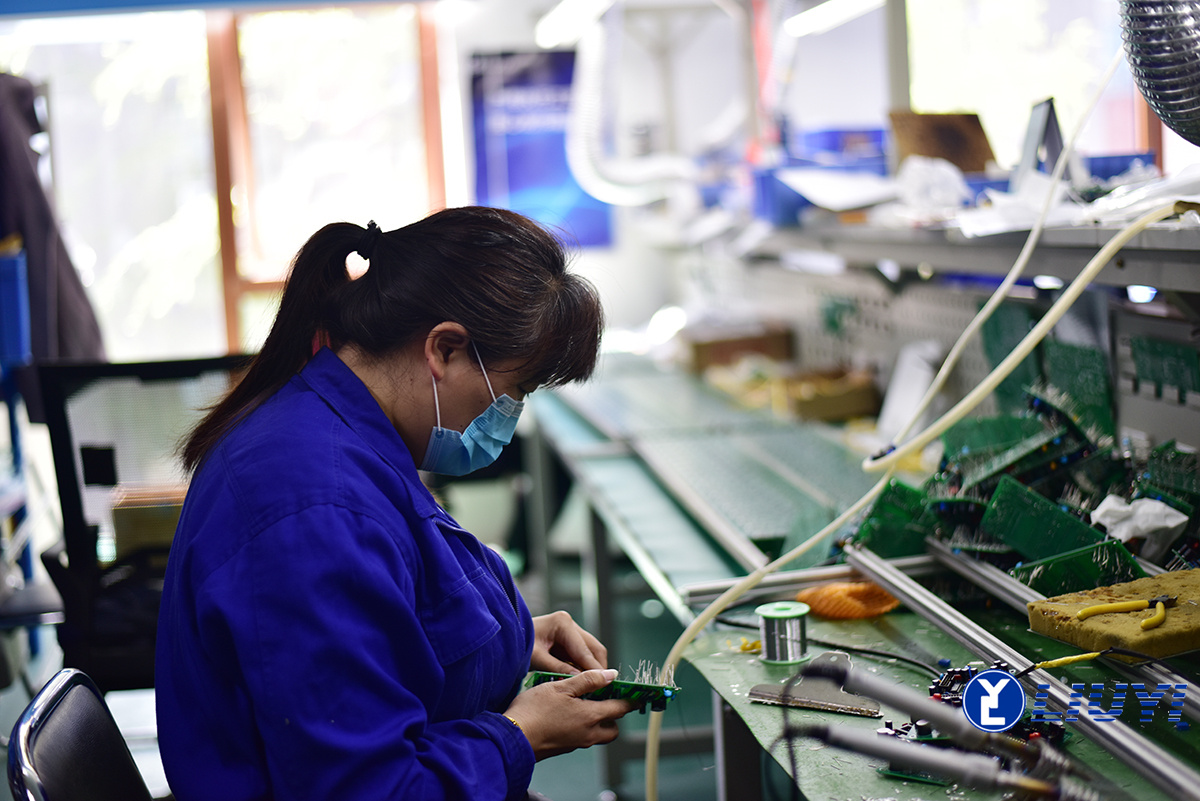
Our Team
Liuyi has specialized in manufacturing electrophoresis instruments for more than 50 years with our own professional technical team and R&D center. We have reliable and complete production line from design to inspection, and warehouse, as well as marketing support.
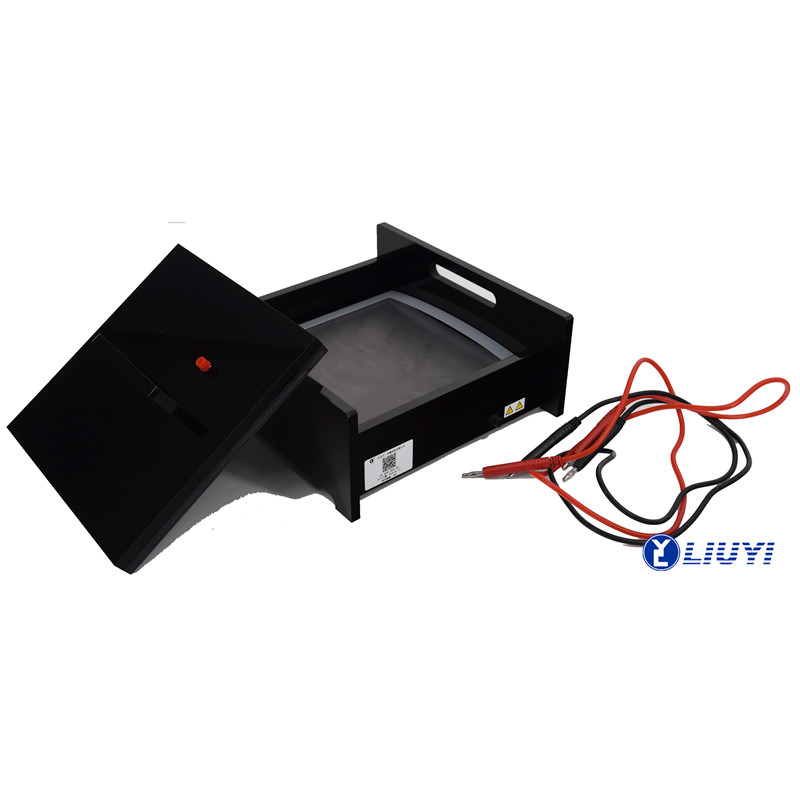
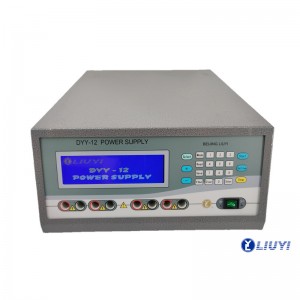
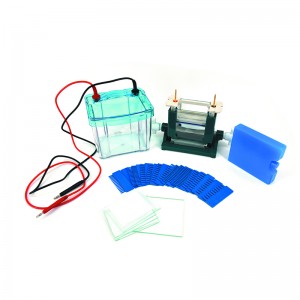
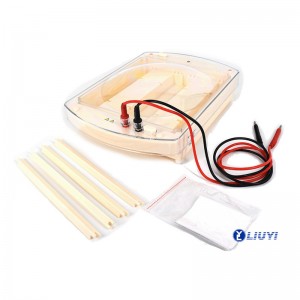
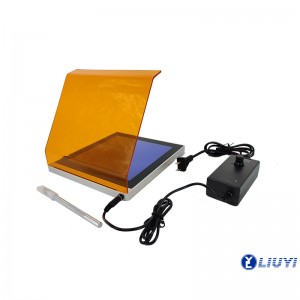
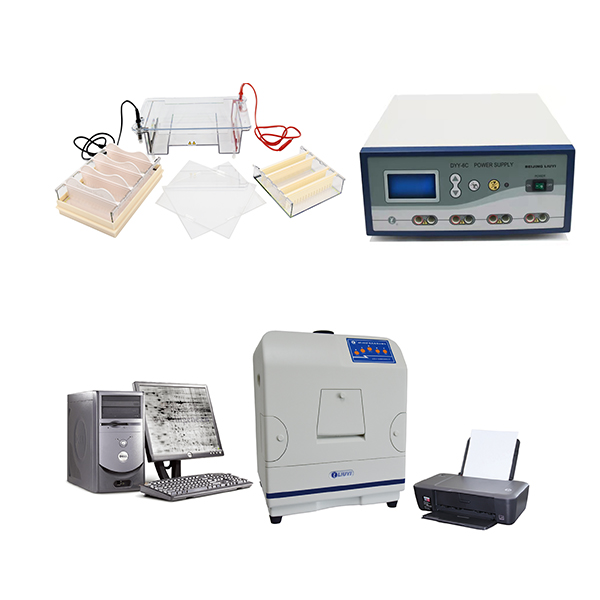
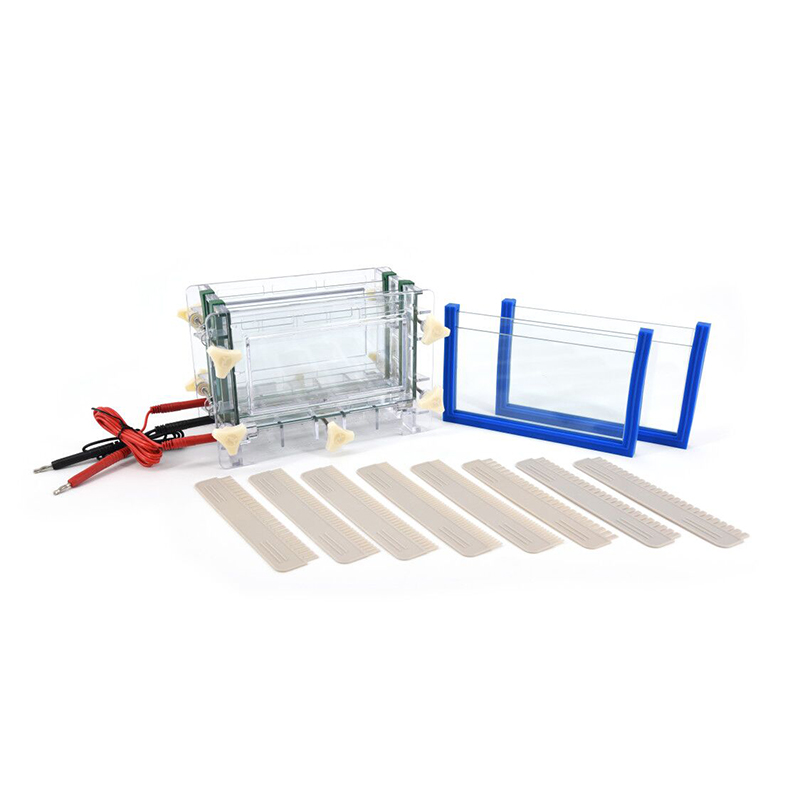
Our main products are Electrophoresis Cell (tank/chamber), Electrophoresis Power Supply, Blue LED Transilluminator, UV Transilluminator, Gel Image & Analysis System etc. According to your requirements, we can provide customized service for you.
Main Products Overview
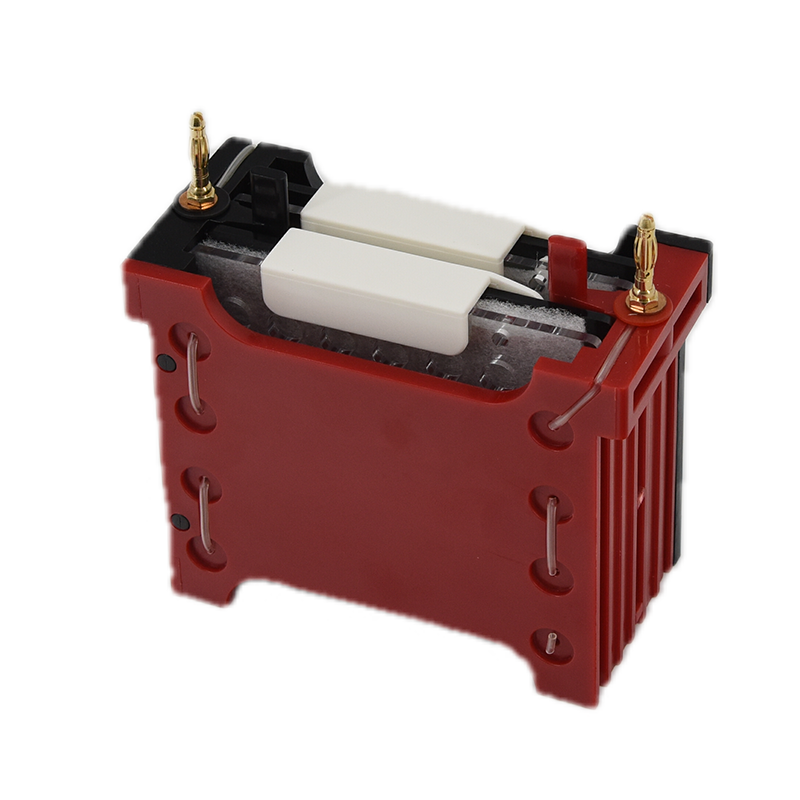
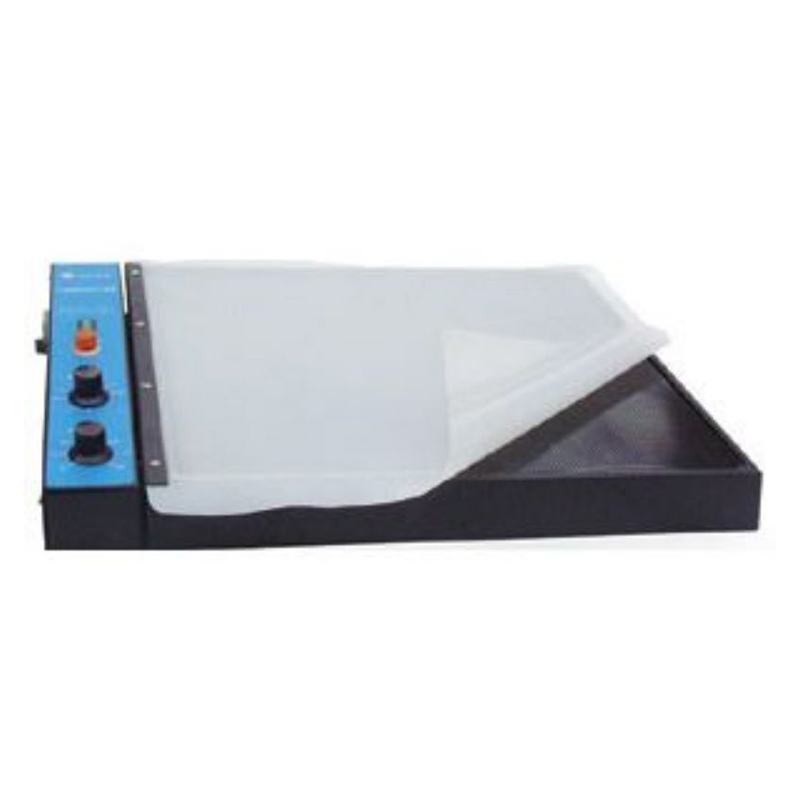
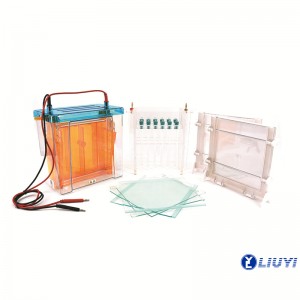
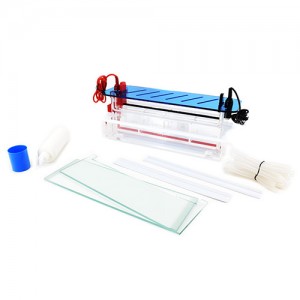
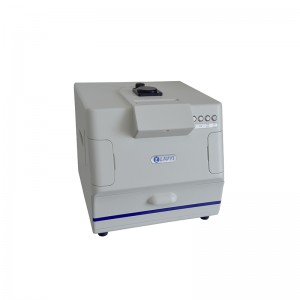
Beijing Liuyi Biotechnology Co., Ltd has launched new products for protein analysis, western blotting and gel observation. DYCZ-MINI series are fully compatible with the main international brands, and can run up to four precast or handcast polyacrylamide gels. The trans-blot module of DYCZ-TRANS2 is compatible with the chamber of DYCZ-MINI series. The WD-9403B can observe gel for nucleic acid electrophoresis. These new products are all durable, versatile, and easy to assemble. Welcome to contact us for more details!


Certificate & Awards
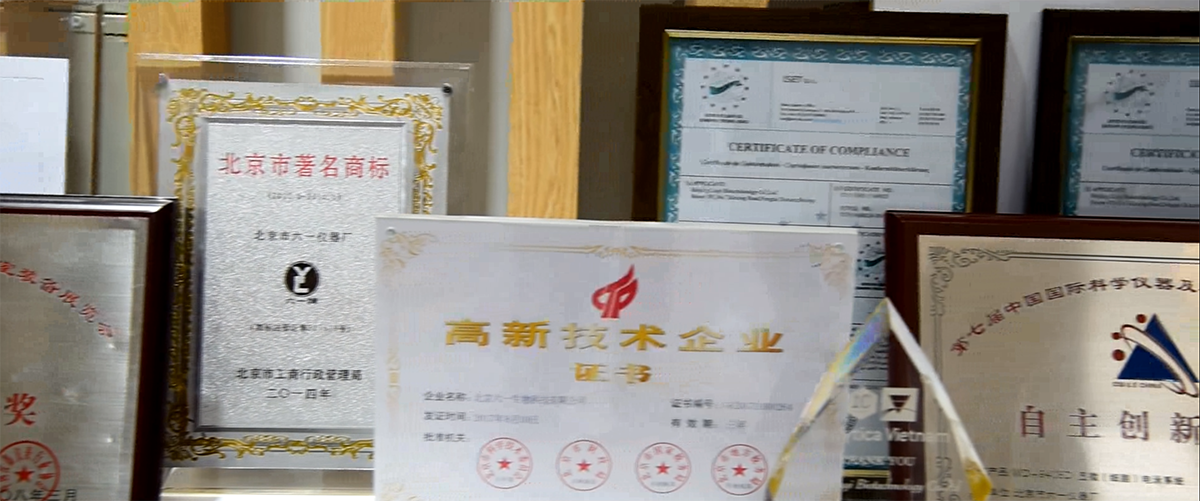
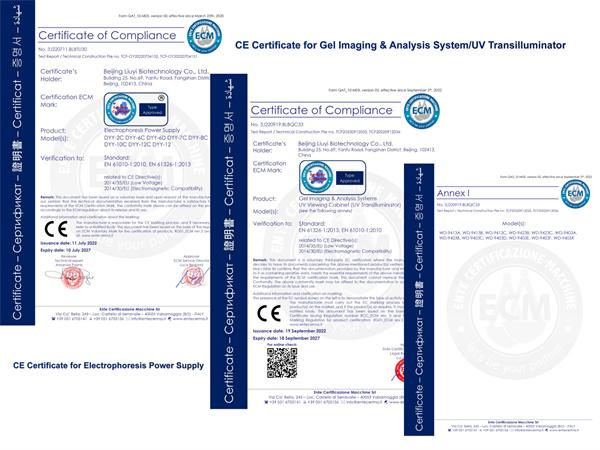
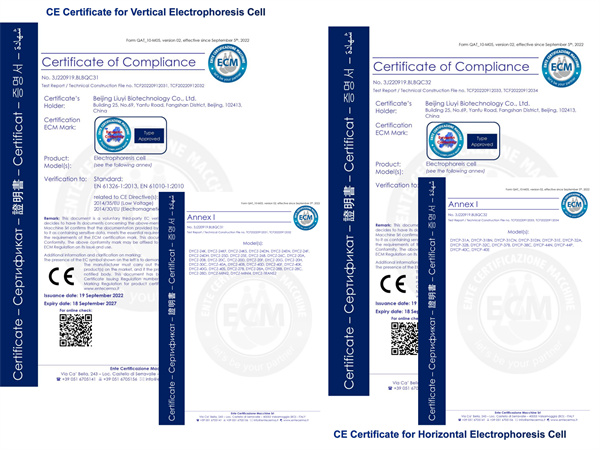
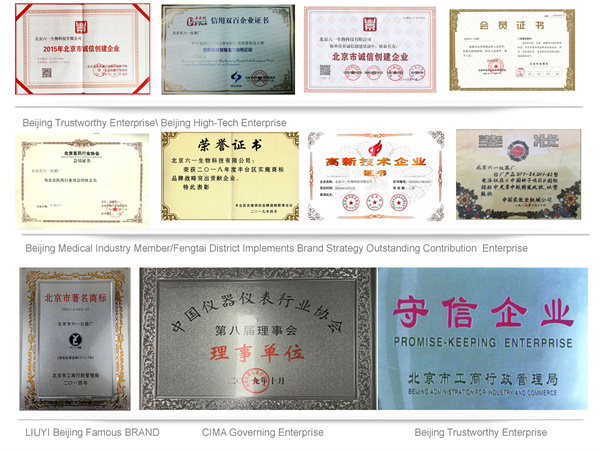
Liuyi has been awarded variety certificates and enterprise qualifications along with its high reputation in industry. We are ISO 9001 & ISO 13485 certified company and some of our products have CE certificates. Since 2003, Liuyi as the only medical device manufacturer in Beijing medical industry has been awarded as "PROMISE-KEEPING ENTERPRISE" by Beijing Administration for Industry and Commerce.
In 2008, Liuyi is honored as the famous trademark of Beijing. Our trademark is under the protection of Madrid Protocol in 7 countries including the United States, the United Kingdom, Japan, South Korea, Singapore, Greece, and Zambia in 2005, as well we have registered our trademark in India and Vietnam.
Based on life science and biotechnology industry, with excellent reputation, we offer reliable quality products and good service to our customers in China and overseas. We are the key supplier for the government purchase projects, and we have nearly 2000 dealers in China. Our products have been exported to more than ten countries including America, Brazil, Mexico, India, Africa, Chile, Singapore etc.
- ISO9001, ISO13485 Double Certified Enterprise
- National High-tech Enterprise
- Three main products passed CE certification
- LIUYI Beijing Famous BRAND
- Drafting Enterprise for pharmaceutical industry standards
- First Class Medical Device Filled Certificate
- China Utility Model Patent Certificate
- Japanese and American Patents
- India and Vietnam Registered Trademark
- Beijing Trustworthy Enterprise
- CIMA Governing Enterprise
- Undertake China Torch Plan Program

Complete SDS Gel Electrophoresis Solutions for Hemoglobin Screening
Explore our full range of professional electrophoresis instruments designed to support every stage of hemoglobin protein analysis.
-

Phone
-

E-mail
-

Whatsapp
-

Top