


Featured Protein Electrophoresis Equipment for PCR Detection
Industry-leading electrophoresis systems engineered for accurate, reproducible PCR product detection and protein separation in modern life science laboratories.
What Is Protein Electrophoresis for PCR Detection?
Protein electrophoresis is a cornerstone analytical technique used extensively in molecular biology, clinical diagnostics, pharmaceutical research, and industrial quality control. When applied in the context of PCR (Polymerase Chain Reaction) detection, electrophoresis becomes an indispensable validation and visualization tool — allowing scientists to confirm the size, purity, and integrity of PCR amplicons rapidly and with high resolution.
In standard PCR workflows, amplified DNA or RNA products are separated by agarose gel electrophoresis based on their molecular weight and charge, revealing distinct bands that confirm successful amplification. For protein-level studies coupled with PCR — such as RT-PCR followed by protein expression analysis — SDS-PAGE (Sodium Dodecyl Sulfate-Polyacrylamide Gel Electrophoresis) and Western Blotting further extend the detection pipeline to characterize the translated protein products with precision.
As PCR-based diagnostics expand from research labs into clinical, food safety, veterinary, and environmental testing sectors, the demand for high-performance, reliable electrophoresis systems continues to accelerate globally. The combination of PCR sensitivity and electrophoresis specificity creates a detection ecosystem that meets the rigorous demands of modern molecular science.
🔬 Why Electrophoresis Remains Essential in the PCR Era
Despite the proliferation of real-time qPCR and digital PCR platforms, gel electrophoresis continues to be widely adopted because it provides visual, quantitative band pattern data that supports multiplex PCR verification, allele-specific analysis, RFLP genotyping, and routine QC checks — all at low cost and with minimal instrumentation complexity.
Core Advantages of Electrophoresis in PCR-Based Detection
High Resolution Separation
Polyacrylamide and agarose gels provide exceptional molecular-weight-based resolution, enabling clear discrimination between target PCR amplicons and non-specific products even at base-pair differences.
Precise PCR Product Verification
Electrophoretic band patterns confirm expected PCR amplicon sizes against DNA ladders, validating primer specificity and reaction fidelity before downstream applications such as cloning or sequencing.
Multiplex Detection Capability
A single gel run can simultaneously reveal multiple PCR targets of different sizes, supporting multiplex PCR panels used in pathogen detection, genetic screening, and forensic analysis workflows.
Cost-Effective & Scalable
Compared to qPCR instruments and fluorescent detection systems, gel electrophoresis setups offer dramatically lower cost-per-test, making high-volume screening accessible for industrial and developing-world laboratories.
Quantitative Band Analysis
Integrated gel imaging and densitometry software allows semi-quantitative analysis of PCR product yields, supporting optimization of amplification conditions and comparative expression studies.
Industrial & Regulatory Compliance
Electrophoresis-based PCR detection meets GLP, GMP, and ISO standards required for pharmaceutical lot release testing, food adulteration checks, and clinical diagnostic device validation globally.
Commercial & Industrial Landscape of Protein Electrophoresis for PCR Detection
The global market for electrophoresis systems continues to experience robust growth driven by expanding PCR-based diagnostics across multiple verticals.
The global electrophoresis market was valued at over USD 2.8 billion in 2023 and is projected to surpass USD 4.5 billion by 2030, growing at a CAGR exceeding 7%. A significant driver of this growth is the integration of electrophoresis into PCR-based diagnostic pipelines across pharmaceutical manufacturing, clinical testing, food & beverage safety, environmental monitoring, and agricultural biotechnology.
In the pharmaceutical sector, regulatory agencies including FDA, EMA, and NMPA require electrophoretic quality control of PCR-amplified genetic material used in vaccine production, gene therapy vectors, and nucleic acid-based therapeutics. This mandates the deployment of validated, high-performance electrophoresis equipment at every stage of the manufacturing process.
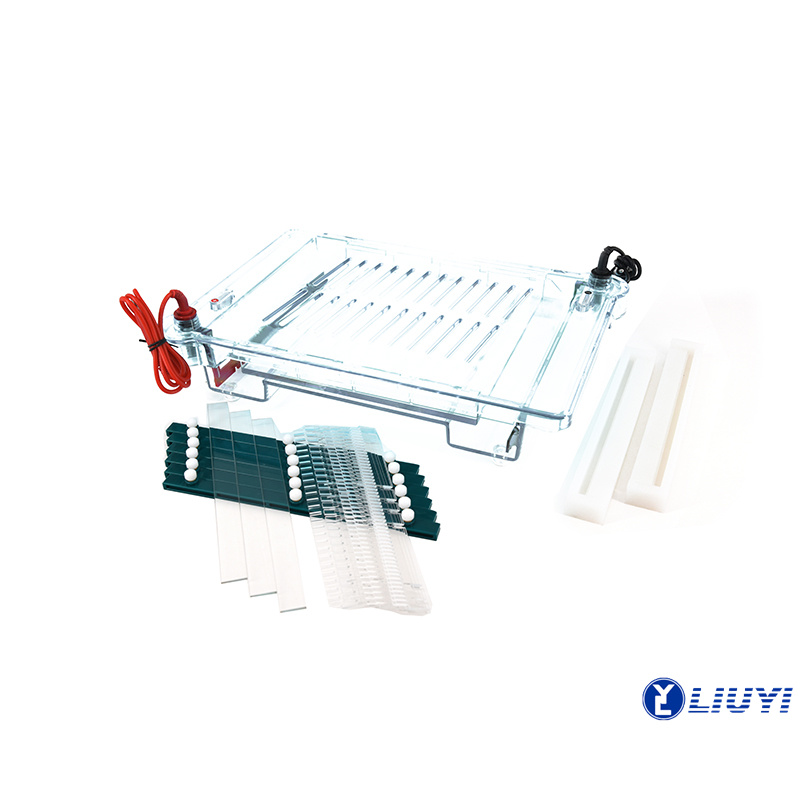
The food safety industry leverages PCR-electrophoresis workflows extensively for GMO detection, species authentication, allergen identification, and pathogen screening. Rapid horizontal agarose gel systems allow high-throughput sample processing to meet regulatory timelines without compromising detection accuracy.
In clinical diagnostics, the COVID-19 pandemic dramatically accelerated adoption of RT-PCR coupled with gel-based confirmation assays, expanding the installed base of electrophoresis systems in hospital laboratories, public health institutes, and point-of-care testing centers worldwide. This surge permanently elevated market expectations for faster run times, compact footprints, and automated imaging solutions.
Development Trends Shaping the Future
Innovation in electrophoresis technology is rapidly evolving to meet the increasing demands of high-throughput PCR detection and precision molecular diagnostics.
AI-Driven Gel Image Analysis
Machine learning algorithms are being integrated into gel imaging systems to automate band detection, quantification, and reporting — reducing human error and enabling 24/7 autonomous operation in industrial labs.
Miniaturized & Portable Systems
Microfluidic chip electrophoresis platforms are shrinking traditional gel setups into palm-sized devices compatible with field-deployable PCR kits for environmental surveillance and remote clinical diagnostics.
Lab Automation Integration
Modern electrophoresis units are being designed with robotic-compatible interfaces, automated sample loading, and LIMS connectivity to integrate seamlessly into high-throughput PCR detection pipelines.
Eco-Friendly Gel Chemistry
Replacement of ethidium bromide with safer fluorescent dyes such as GelRed and SYBR Safe, combined with LED transillumination, is driving a green revolution in PCR-coupled electrophoresis detection protocols.
💡 Precast Gel Technology Accelerating PCR Throughput
Precast polyacrylamide gels compatible with automated electrophoresis systems are significantly reducing hands-on preparation time in high-volume PCR detection labs — a trend particularly prominent in pharmaceutical GMP environments and large-scale genomic screening programs where consistency and speed are paramount.
Deep-Dive Application Scenarios: Electrophoresis Meets PCR Detection
From cutting-edge genomics to industrial biosafety testing, protein electrophoresis amplifies the power of PCR across a diverse spectrum of critical applications.
Infectious Disease Diagnostics
RT-PCR detection of viral RNA (influenza, COVID-19, hepatitis, HIV) is confirmed by electrophoretic visualization of amplicons on agarose gels, providing a visual quality check for clinical laboratory reporting and outbreak surveillance programs.
Oncology & Liquid Biopsy
PCR amplification of circulating tumor DNA followed by capillary electrophoresis enables ultra-sensitive cancer biomarker detection for early diagnosis, treatment monitoring, and minimal residual disease assessment in blood-based liquid biopsy platforms.
Genetic Disease Screening
Multiplex PCR panels for hereditary disorders — including cystic fibrosis, sickle cell anemia, and chromosomal microdeletions — rely on high-resolution gel electrophoresis to visualize and size multiple amplicons simultaneously in newborn screening programs.
Food Safety & GMO Testing
PCR-based species identification and GMO event detection in food products, followed by agarose gel confirmation, is a mandatory regulatory requirement in EU, US, and Chinese markets, driving large-scale electrophoresis deployment in food testing laboratories.
Forensic DNA Analysis
STR profiling via PCR amplification followed by capillary or slab gel electrophoresis is the gold standard in forensic identification, paternity testing, and disaster victim identification — where band pattern accuracy is legally critical.
Pharmaceutical Bioproduction QC
GMP-compliant PCR verification of recombinant protein expression vectors, viral vector genomes in gene therapy manufacturing, and plasmid identity testing all require validated electrophoresis systems integrated into regulated production workflows.
Agricultural Biotechnology
Plant pathogen surveillance, seed authenticity verification, and trait-specific PCR detection in crop breeding programs utilize field-deployable horizontal electrophoresis systems for rapid, cost-effective on-site results across large agricultural operations.
Environmental Monitoring
eDNA-based biodiversity assessment and waterborne pathogen detection via PCR-electrophoresis are gaining traction in regulatory environmental monitoring frameworks, enabling real-time ecosystem health surveillance and contamination tracing.
Proteomics Research Integration
2D-PAGE combined with LC-MS/MS downstream of PCR expression studies enables comprehensive proteome mapping — linking gene-level PCR data with protein expression profiles to accelerate drug target discovery and biomarker validation pipelines.
Main Products for PCR Detection & Protein Analysis


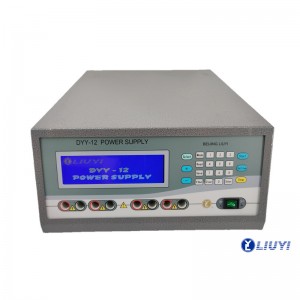
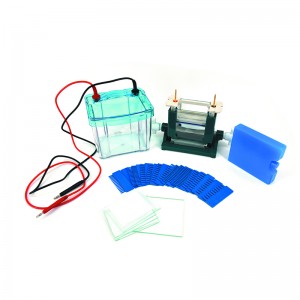
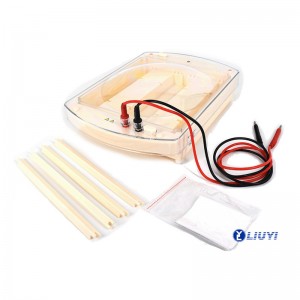
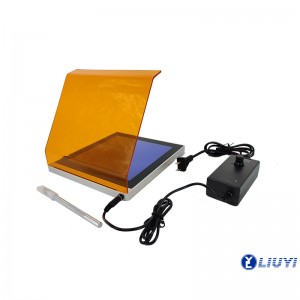
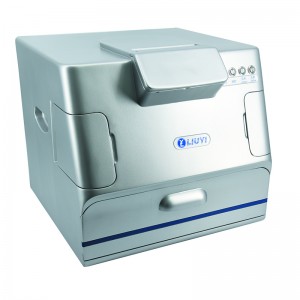

Our Company
Beijing Liuyi Biotechnology Co., Ltd., formerly known as Beijing Liuyi Instrument Factory, established in 1970, is a national high technology enterprise with a long history. It is a leading and the biggest manufacturer in electrophoresis instrument for life science laboratories in China.
Based on the life science and biotechnology industries, our mainly products always in the domestic industry leading firm and well-known in the industry, exported to other countries and areas. We have our own R&D team, open to scientific research innovation, market development first, industry and combined with the development, the economic scale of our company have rapid growth for several years.
Based on life science and biotechnology industry, with excellent reputation, we offer reliable quality products and good service to our customers in China and overseas. We are the key supplier for the government purchase projects, and we have nearly 2000 dealers in China. Our products have been exported to more than ten countries including America, Brazil, Mexico, India, Africa, Chile, Singapore etc. We are dedicated to offering our products throughout the world.
Our Team
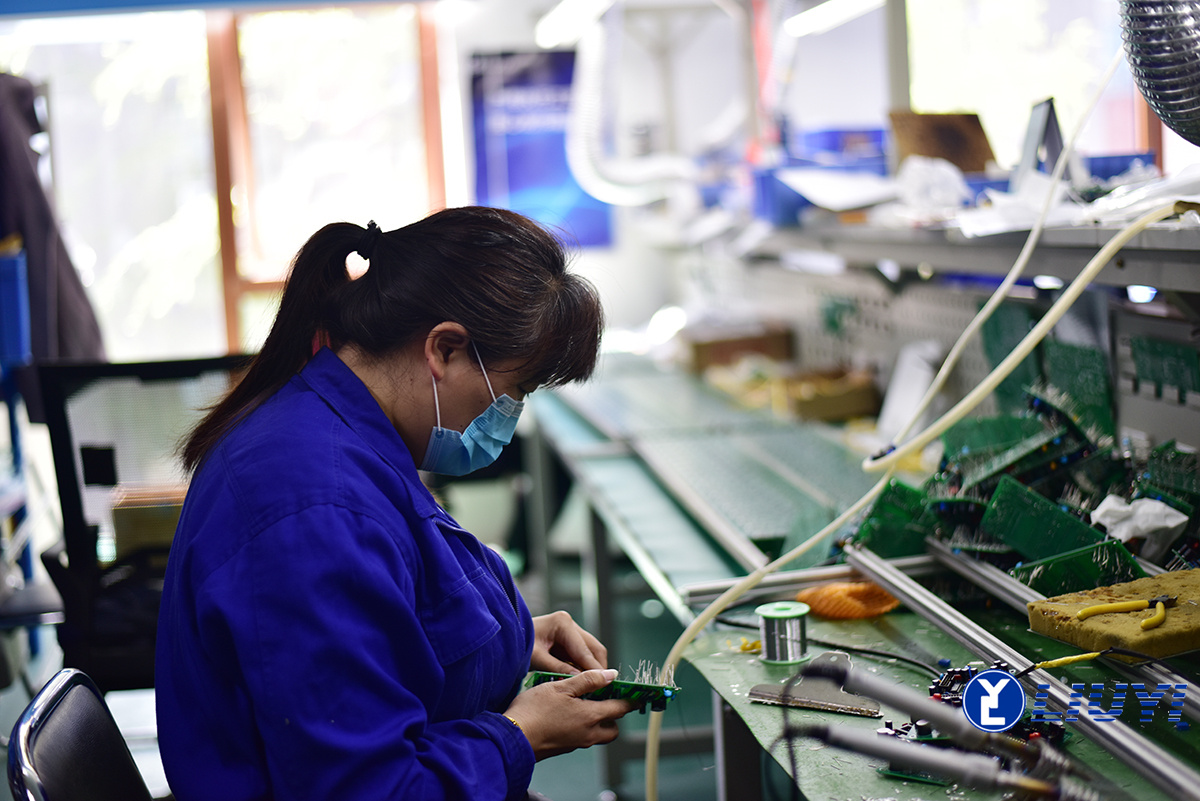
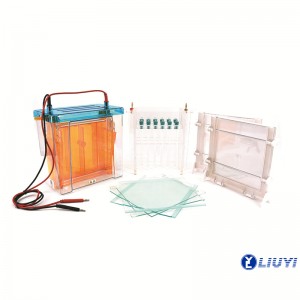
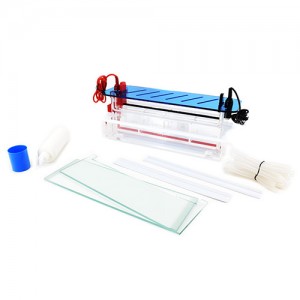
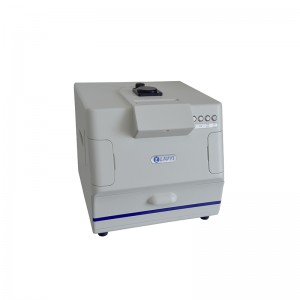
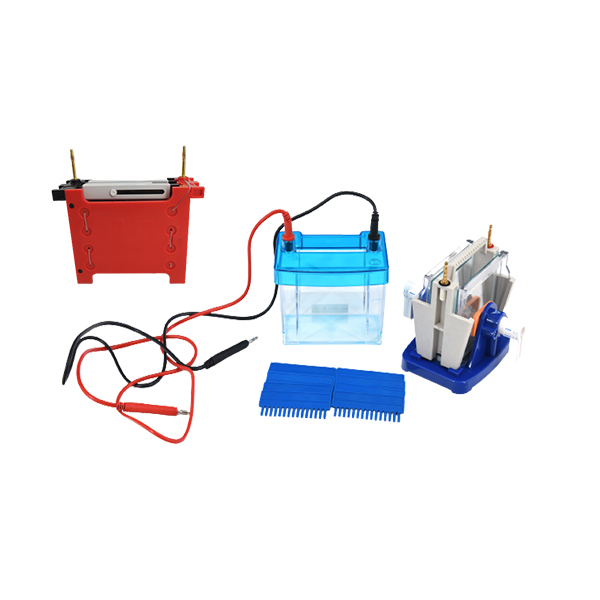
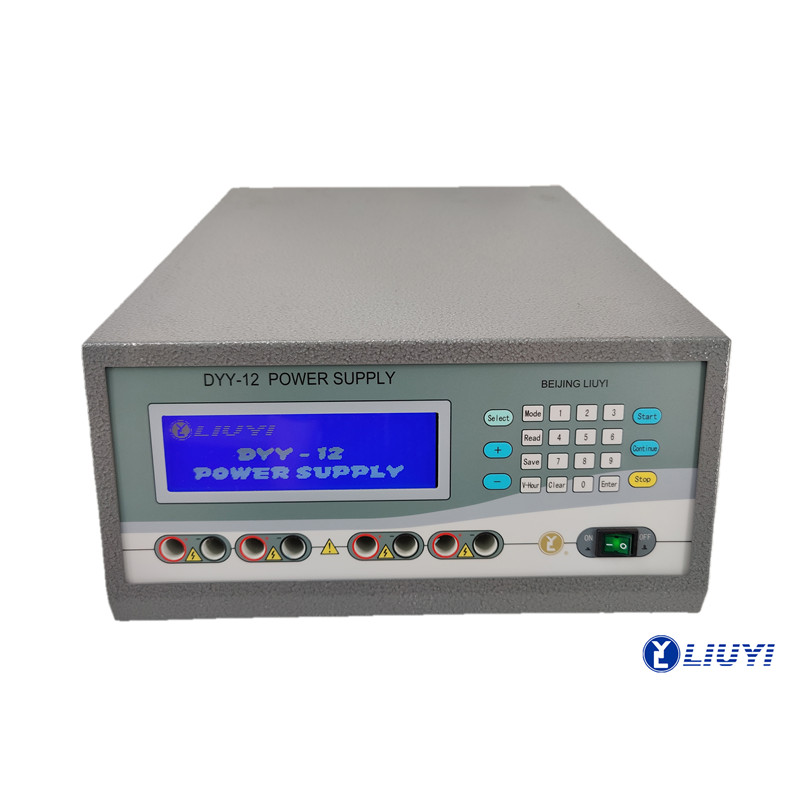
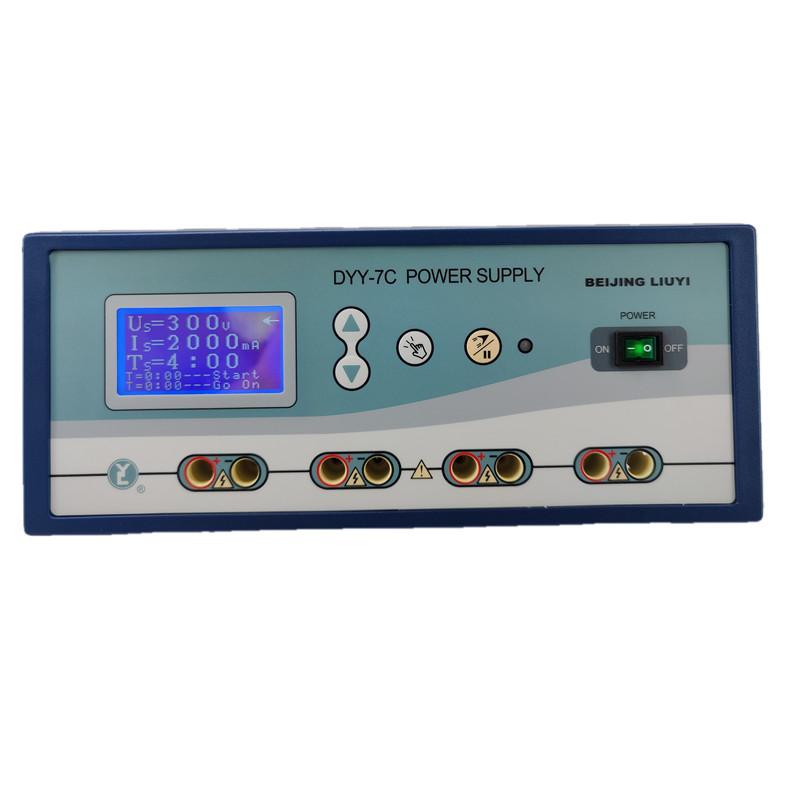
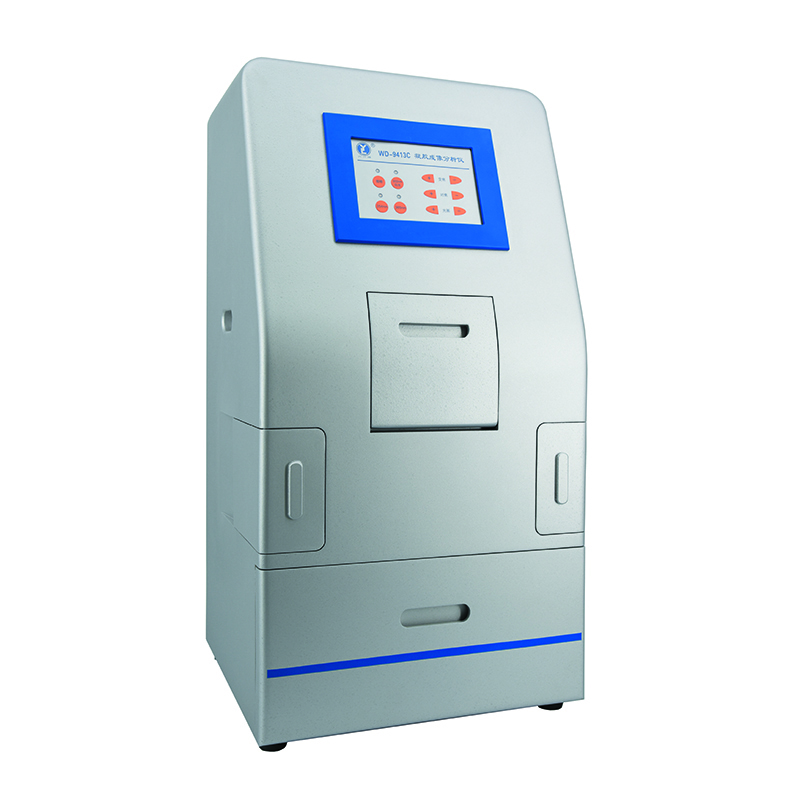
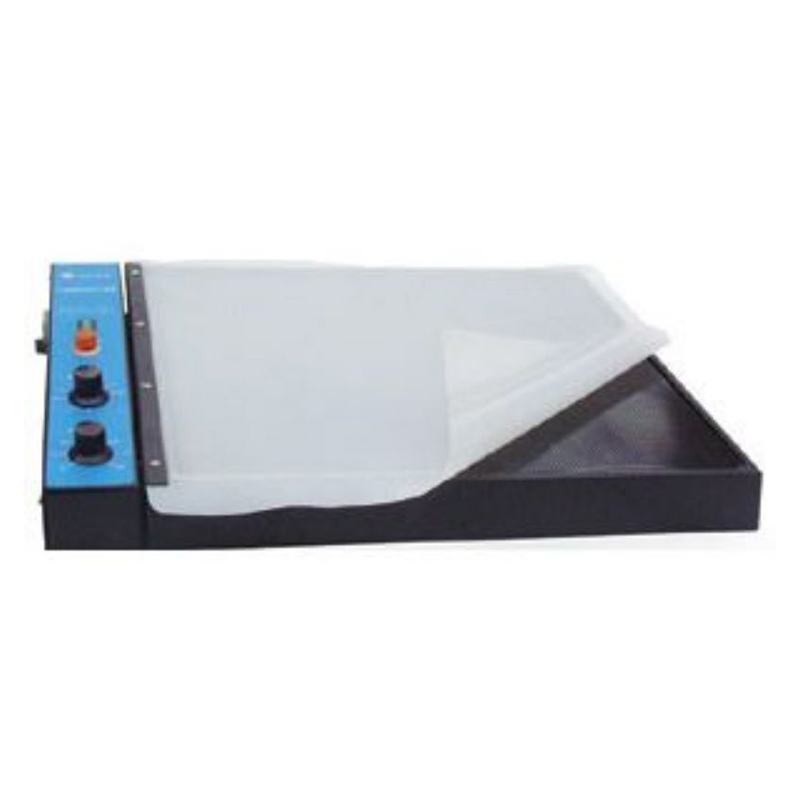
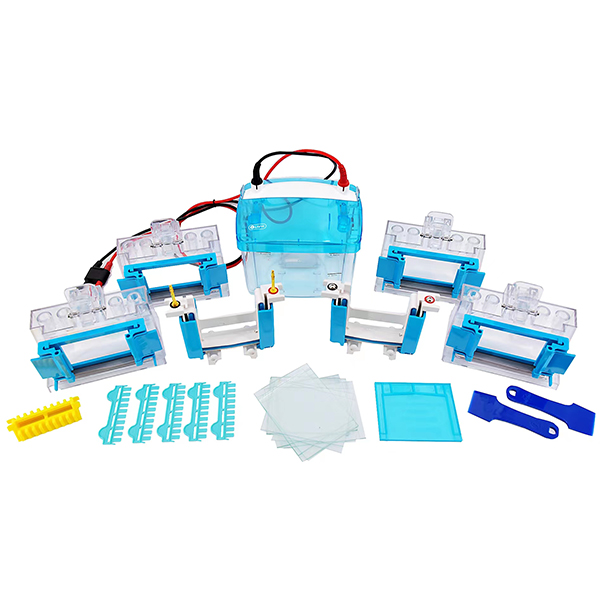
Liuyi has specialized in manufacturing electrophoresis instruments for more than 50 years with our own professional technical team and R&D center. We have reliable and complete production line from design to inspection, and warehouse, as well as marketing support. Our main products are Electrophoresis Cell (tank/chamber), Electrophoresis Power Supply, Blu LED Transilluminator, UV Transilluminator, Gel Image & Analysis System etc. According to your requirements, we can provide customized service for you.
Certificate & Awards
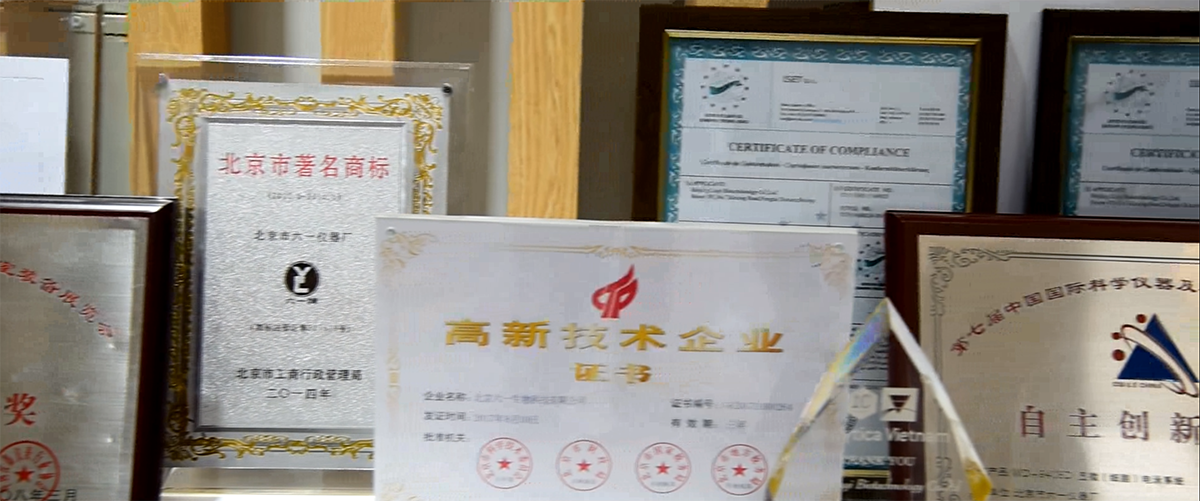
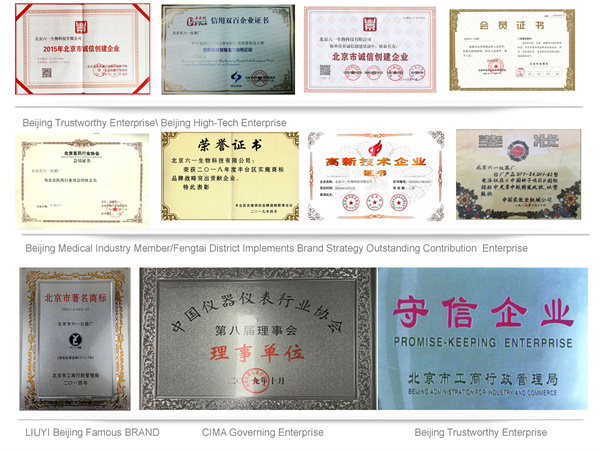
Liuyi has been awarded variety certificates and enterprise qualifications along with its high reputation in industry. We are ISO 9001 & ISO 13485 certified company and some of our products have CE certificates. Since 2003, Liuyi as the only medical device manufacturer in Beijing medical industry has been awarded as "PROMISE-KEEPING ENTERPRISE" by Beijing Administration for Industry and Commerce.
In 2008, Liuyi is honored as the famous trademark of Beijing. Our trademark is under the protection of Madrid Protocol in 7 countries including the United States, the United Kingdom, Japan, South Korea, Singapore, Greece, and Zambia in 2005, as well we have registered our trademark in India and Vietnam.
- ISO9001, ISO13485 Double Certified Enterprise
- National High-tech Enterprise
- Three main products passed CE certification
- LIUYI Beijing Famous BRAND
- The Drafting Enterprise for pharmaceutical industry standards and national standards
- First Class Medical Device Filled Certificate
- China Utility Model Patent Certificate
- Japanese and American patents
- India and Vietnam registered trademark
- Beijing Trustworthy Enterprise
- CIMA Governing Enterprise
- Undertake China Torch plan program

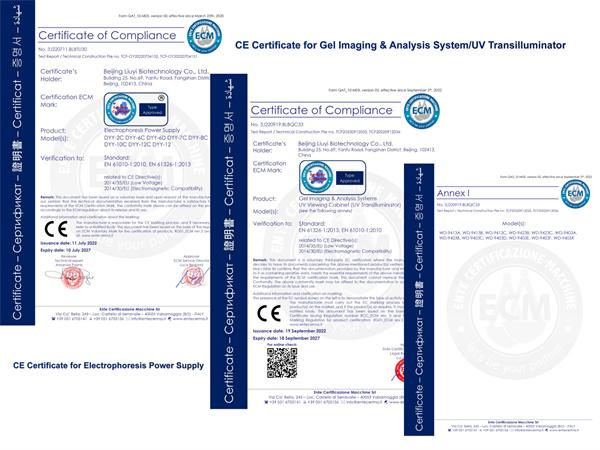
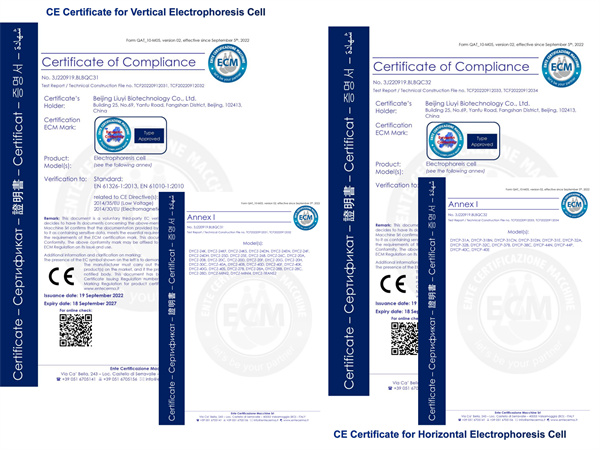
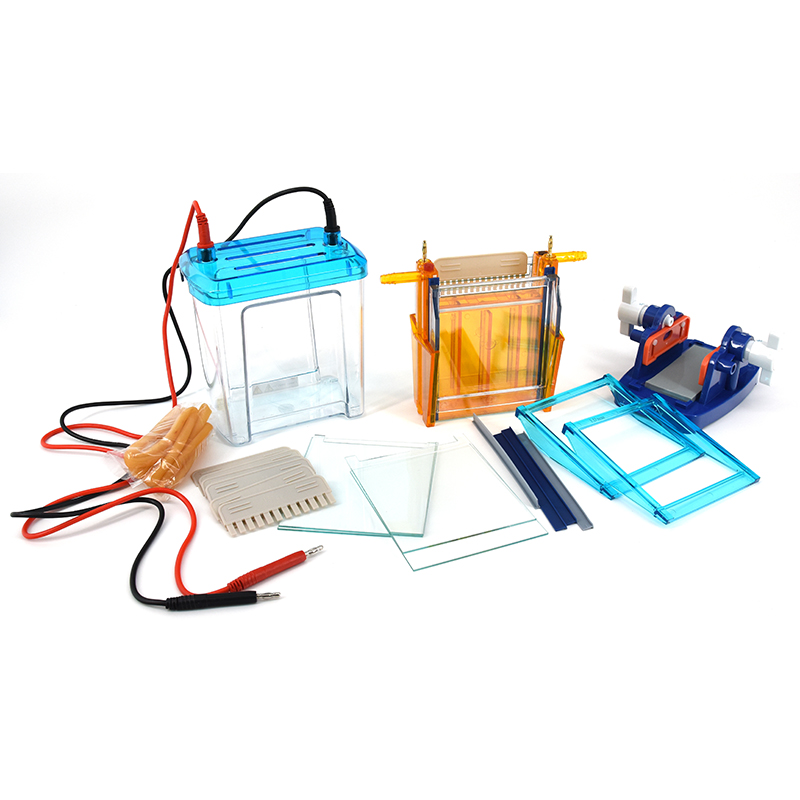
Complete Protein Electrophoresis Solutions for PCR Detection
Explore our full range of precision-engineered electrophoresis instruments designed to power every stage of your PCR detection and protein analysis workflow.
-

Phone
-

E-mail
-

Whatsapp
-

Top