


Paper Electrophoresis Products for Vertical Electrophoresis
Explore our core range of vertical electrophoresis accessories and systems — engineered for precision, reliability and compatibility across life science workflows.
What Is Paper Electrophoresis in Vertical Electrophoresis Systems?
Paper electrophoresis is one of the foundational analytical techniques in biochemistry and molecular biology, in which a paper medium — most commonly cellulose acetate membrane — serves as the support matrix through which charged molecules migrate under the influence of an electric field. When integrated into vertical electrophoresis systems, this technique gains distinct advantages in terms of resolution, gel uniformity, and throughput, making it indispensable in both research and clinical laboratories worldwide.
In a vertical electrophoresis setup, the gel or membrane is oriented perpendicular to the bench surface. The electric current flows top to bottom (or bottom to top), which allows gravity to assist in maintaining gel stability while simultaneously enhancing the separation of proteins, nucleic acids, and other macromolecules by size and charge. Paper-based media such as cellulose acetate membranes are particularly valuable in vertical configurations because they provide consistent pore structure, excellent chemical compatibility, and minimal background interference during staining and visualization.
Key Principle: Charge, Size & Support Medium
The separation quality in paper electrophoresis for vertical systems depends on three critical variables: the electric field strength, the molecular charge-to-mass ratio of the analyte, and the pore size & uniformity of the support medium. Cellulose acetate membranes with optimized pore geometry achieve superior resolution compared to traditional filter paper, especially for serum protein fractionation and hemoglobin variant analysis.
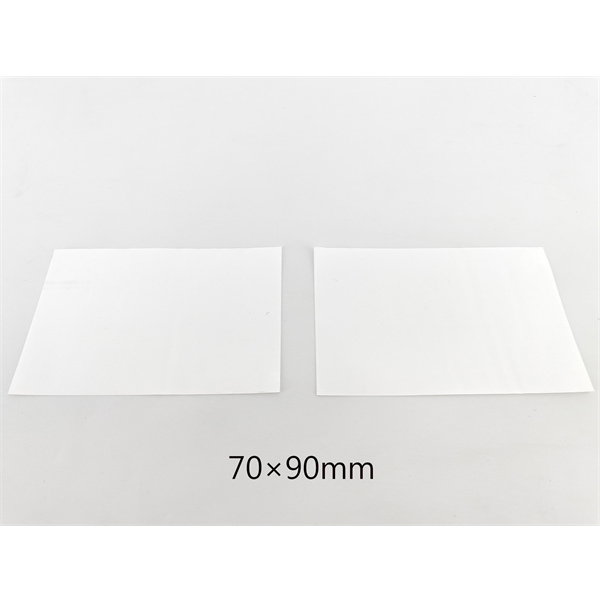
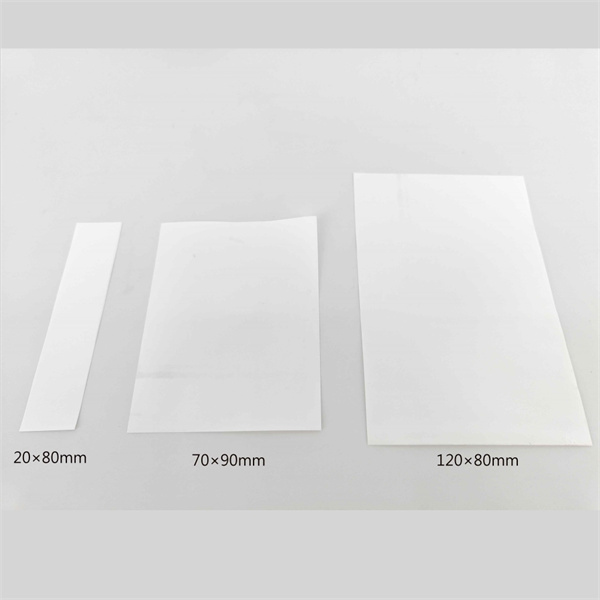
Modern paper electrophoresis membranes used in vertical systems are manufactured with tightly controlled thickness (typically 0.1–0.2mm) and consistent porosity, ensuring reproducible migration patterns run after run. This is critical for diagnostic and pharmaceutical quality control applications where inter-assay variability must be minimized.
Industry at a Glance
Commercial & Industrial Landscape of Vertical Paper Electrophoresis
The global electrophoresis market is undergoing rapid transformation driven by clinical diagnostics demand, pharmaceutical R&D, and food safety regulation.
Clinical Diagnostics
Vertical paper electrophoresis is widely used in hospital and reference laboratories for serum protein electrophoresis (SPE), a critical diagnostic tool for detecting multiple myeloma, liver cirrhosis, nephrotic syndrome, and immune deficiency disorders. The cellulose acetate membrane format remains the gold standard for SPE in many healthcare systems due to its reproducibility and rapid turnaround.
Pharmaceutical & Biopharmaceuticals
In the pharmaceutical sector, vertical electrophoresis with paper/membrane support is employed extensively for quality control of therapeutic proteins, monoclonal antibodies, and biologics. Regulatory agencies (FDA, EMA) require purity characterization of biopharmaceutical products, and vertical electrophoresis systems provide the resolution needed to detect impurities at sub-percent levels.
Food Safety & Agriculture
Paper electrophoresis in vertical systems is increasingly adopted by food testing laboratories and agricultural research institutes for variety identification of crop seeds, detection of food adulterants, and profiling of allergenic proteins. Its low cost and straightforward protocol make it particularly suited for high-throughput screening applications in emerging markets.
Development Trends: The Future of Paper Electrophoresis
The electrophoresis industry is undergoing a period of significant technological advancement. While traditional paper electrophoresis methods remain vital in routine diagnostics, new developments are enhancing the capability, automation, and digitalization of vertical electrophoresis systems.
AI-Assisted Gel Analysis & Digital Imaging
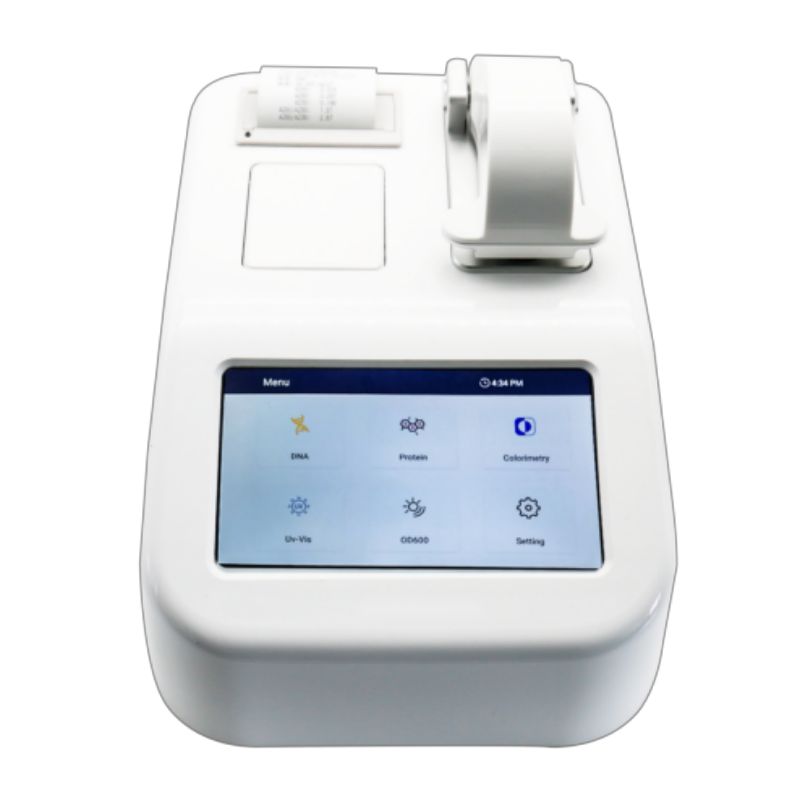
Next-generation vertical electrophoresis platforms are being integrated with AI-powered image analysis software and ultra-micro spectrophotometers, enabling automated band quantification, purity calculation, and anomaly detection. This dramatically reduces operator error and accelerates result interpretation — a critical advantage in clinical and quality control environments processing hundreds of samples daily.
Miniaturization & Microfluidics
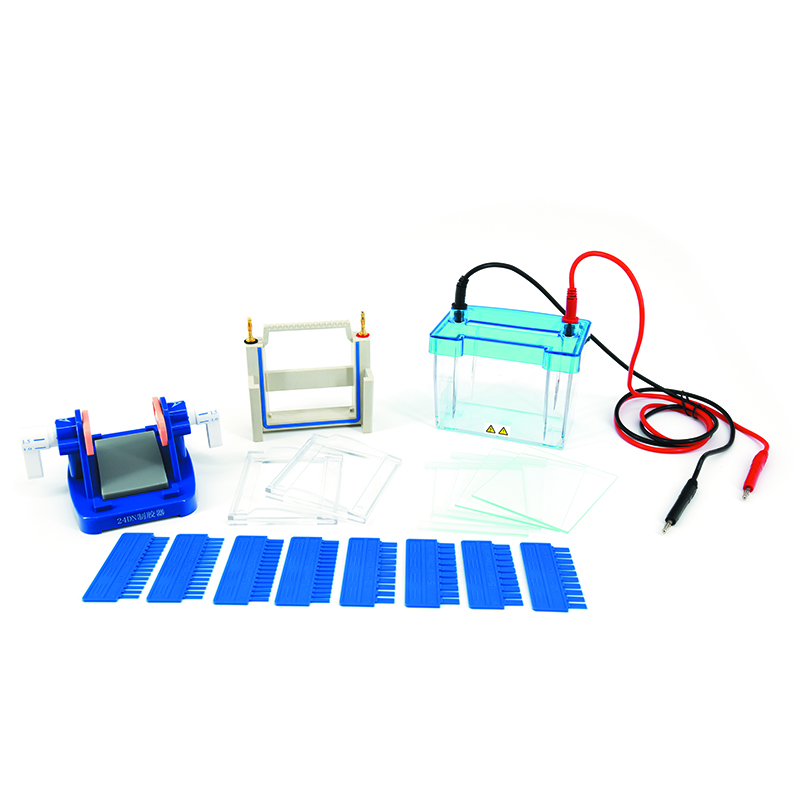
Mini vertical electrophoresis cells (such as the DYCZ-24DN series) represent a major trend toward miniaturized, high-efficiency systems that consume less buffer and gel material while maintaining or improving resolution. Microfluidic chip-based electrophoresis is emerging as a complement to paper-based methods for ultra-low volume analysis.
Eco-Friendly & Sustainable Materials
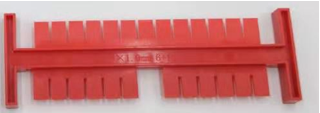
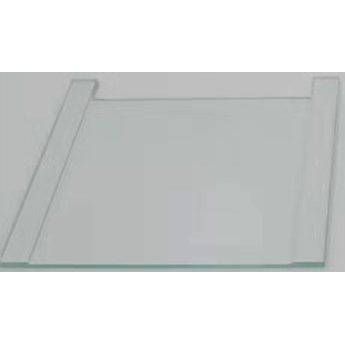
Environmental sustainability is reshaping product development. Manufacturers are exploring biodegradable cellulose-based membranes and low-toxicity running buffers to reduce laboratory waste. Reusable components such as notched glass plates and modular chamber designs minimize disposable usage and total cost of ownership.
Connected Lab & IoT Integration
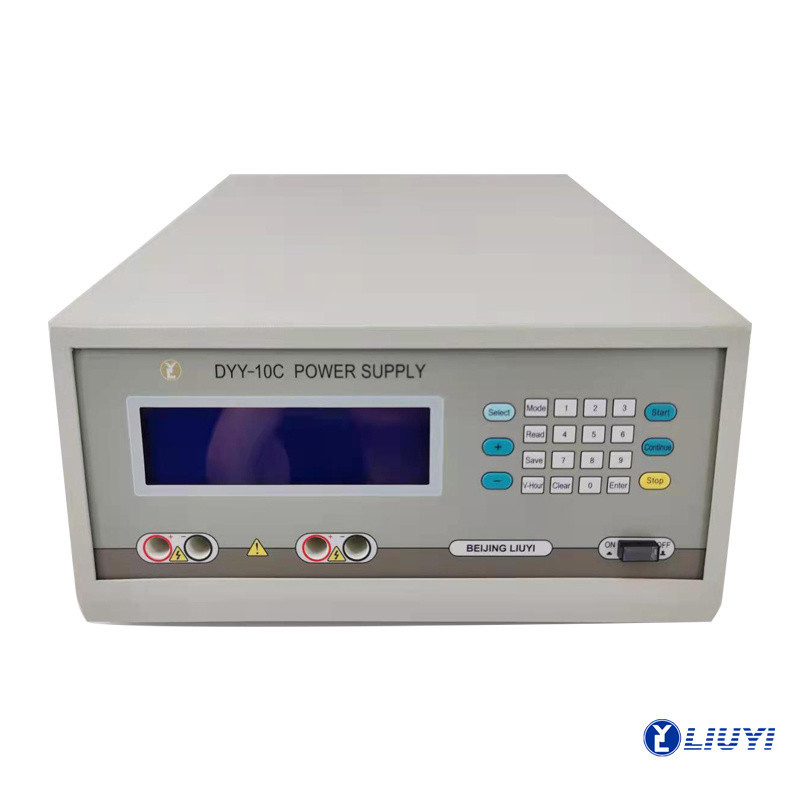
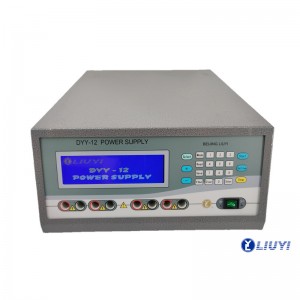
Modern electrophoresis power supplies are being equipped with digital interfaces, programmable protocols, and IoT connectivity, allowing remote monitoring and data logging. This supports GLP/GMP compliance and enables seamless integration with laboratory information management systems (LIMS) in regulated environments.
Deep-Dive Application Scenarios
Paper electrophoresis in vertical systems serves a broad spectrum of scientific and industrial applications — from fundamental protein biochemistry to cutting-edge molecular diagnostics.
Serum Protein Fractionation: The separation of serum proteins into albumin, alpha-1, alpha-2, beta, and gamma globulin fractions by cellulose acetate vertical electrophoresis remains the cornerstone of clinical protein analysis. The technique enables rapid and cost-effective screening for a wide range of hematological and immunological disorders, with results available in as little as 20–30 minutes.
Hemoglobin Variant Analysis: Vertical paper electrophoresis at alkaline and acid pH is the method of choice for hemoglobin variant detection in neonatal screening programs and clinical hematology. It enables differentiation of hemoglobin A, S, C, F, and other variants with high specificity, supporting the diagnosis of sickle cell disease and thalassemia syndromes.
Lipoprotein Profiling: Cellulose acetate membrane electrophoresis in vertical configurations effectively separates serum lipoproteins (chylomicrons, VLDL, LDL, HDL) for cardiovascular risk assessment. This technique is used in lipid clinics and research institutions for rapid and inexpensive lipoprotein phenotyping.
Enzyme Isoform Analysis: Lactate dehydrogenase (LDH), creatine kinase (CK), and alkaline phosphatase (ALP) isoenzymes can be separated by vertical paper electrophoresis to localize organ damage and support differential diagnosis in cardiology, hepatology, and orthopedics.
Nucleic Acid Electrophoresis on Vertical Systems
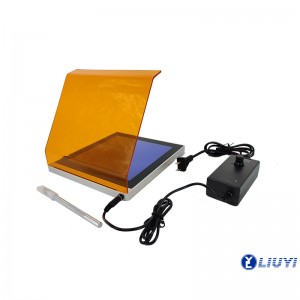
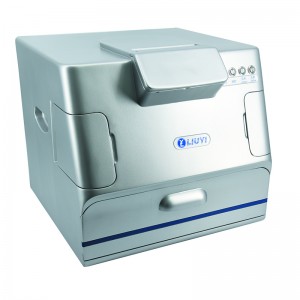
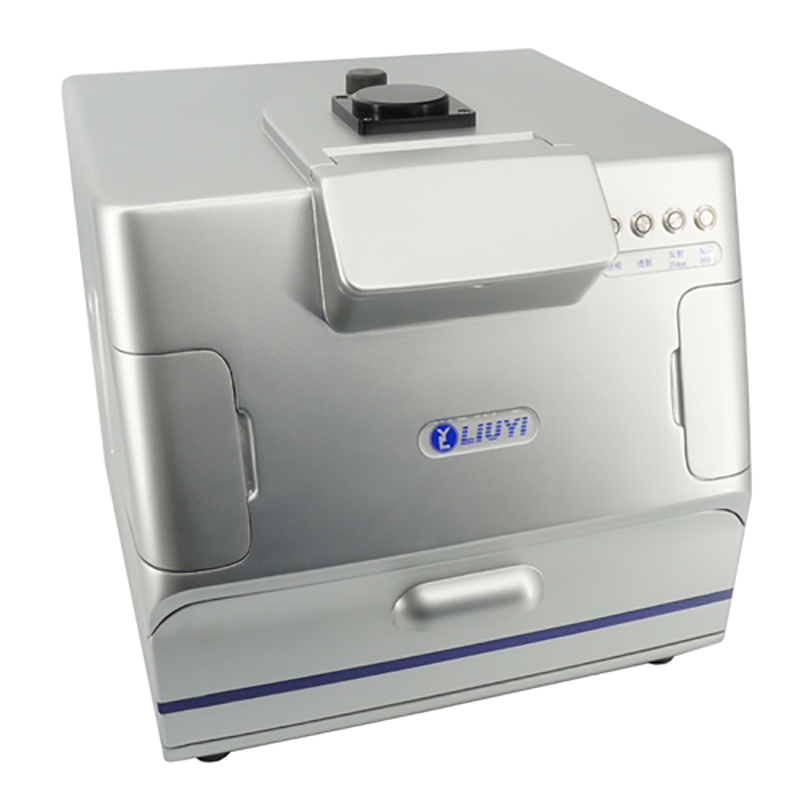
Beyond proteins, vertical electrophoresis systems are critical for DNA and RNA analysis. High-throughput vertical electrophoresis cells (e.g., DYCZ-20H) allow simultaneous separation of multiple nucleic acid samples, essential for genomic research, PCR product analysis, and next-generation sequencing library preparation quality control. The combination of UV transilluminators and gel imaging systems completes an integrated analytical workflow.
2D Protein Electrophoresis (Proteomics): Two-dimensional electrophoresis (2-DE) — combining isoelectric focusing in the first dimension with SDS-PAGE vertical electrophoresis in the second — enables high-resolution protein profiling for proteomics research. This application is fundamental to biomarker discovery, cancer research, and drug target identification, and requires the highest-quality glass plates, power supplies, and reproducible membrane supports.
Western Blotting Workflow: Paper/membrane-based electrophoretic transfer (blotting) from vertical polyacrylamide gels to nitrocellulose or PVDF membranes is a cornerstone of protein detection. The modular trans-blot systems compatible with vertical electrophoresis chambers provide a seamless, reproducible workflow for immunodetection of specific proteins in complex biological samples.
Industrial & Environmental Applications: Beyond the laboratory, vertical electrophoresis with paper support finds application in industrial enzyme characterization (brewing, textile, and detergent industries), environmental monitoring (detection of protein contaminants in water and food matrices), and veterinary diagnostics for animal health profiling.
Our Company
Beijing Liuyi Biotechnology Co., Ltd., formerly known as Beijing Liuyi Instrument Factory, established in 1970, is a national high technology enterprise with a long history. It is a leading and the biggest manufacturer in electrophoresis instrument for life science laboratories in China.
Based on the life science and biotechnology industries, our mainly products always in the domestic industry leading firm and well-known in the industry, exported to other countries and areas. We have our own R&D team, open to scientific research innovation, market development first, industry and combined with the development, the economic scale of our company have rapid growth for several years.
Our Team
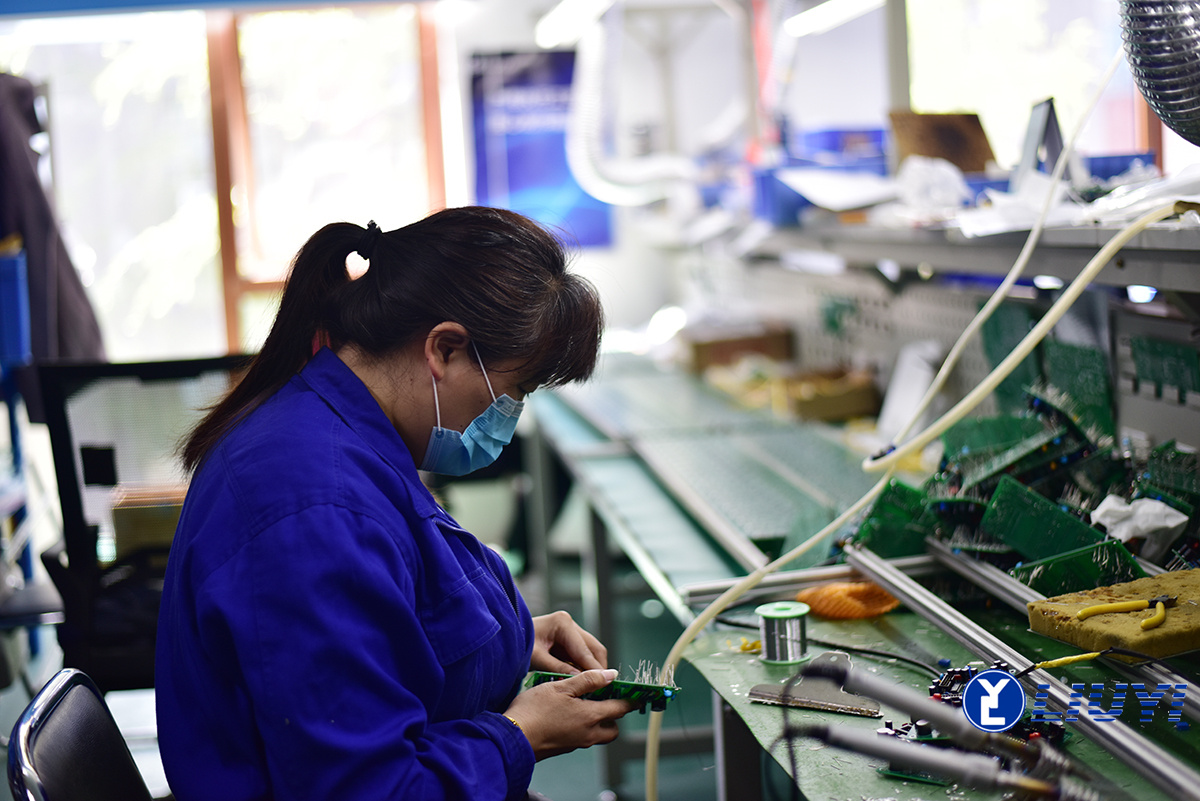
Liuyi has specialized in manufacturing electrophoresis instruments for more than 50 years with our own professional technical team and R&D center. We have reliable and complete production line from design to inspection, and warehouse, as well as marketing support.
Our main products are Electrophoresis Cell (tank/chamber), Electrophoresis Power Supply, Blu LED Transilluminator, UV Transilluminator, Gel Image & Analysis System etc. According to your requirements, we can provide customized service for you.
Certificate & Awards
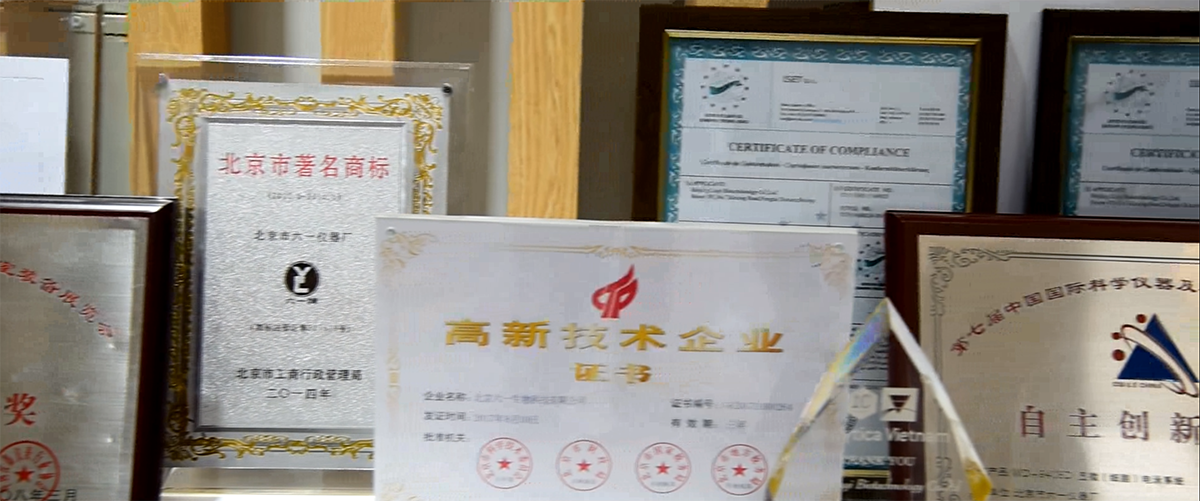
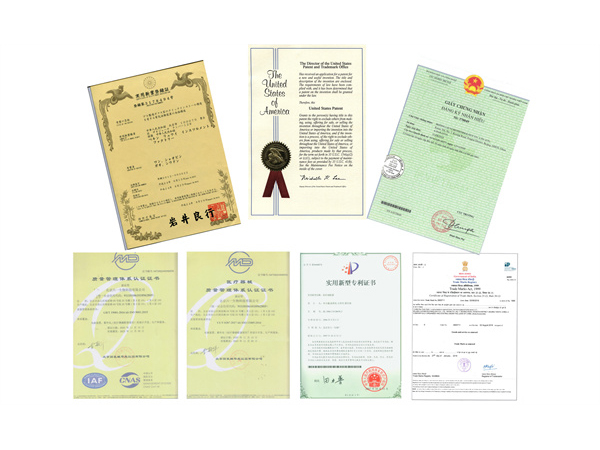
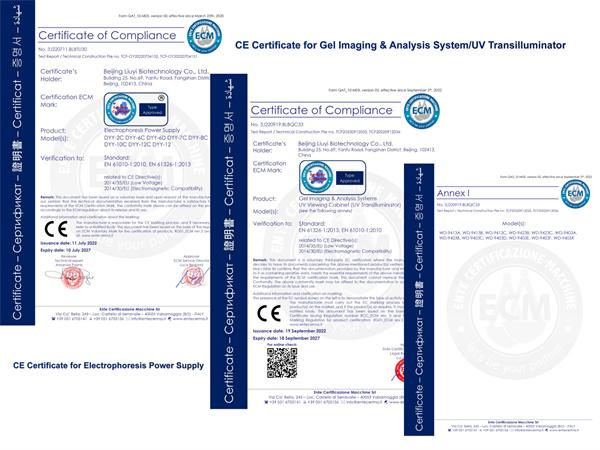
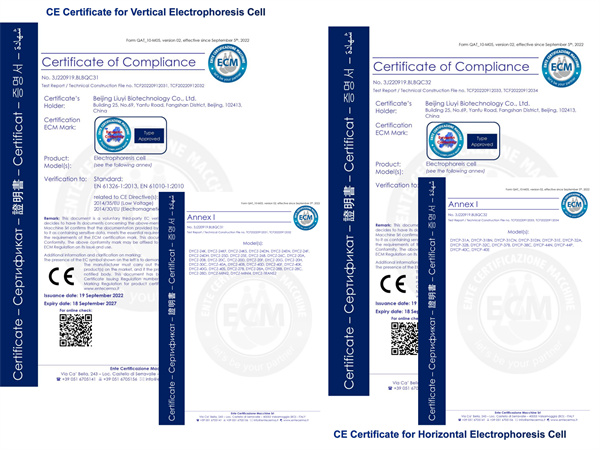
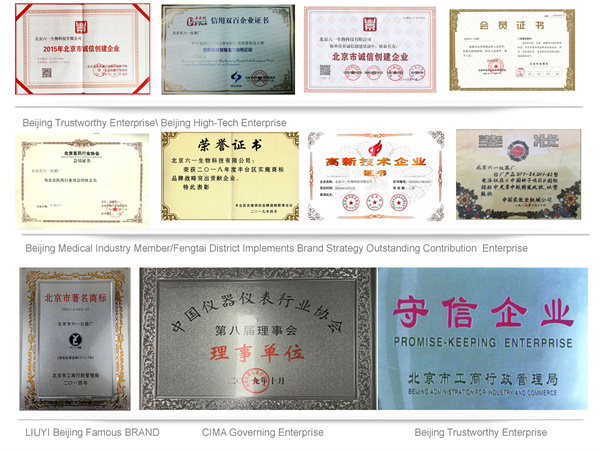
Liuyi has been awarded variety certificates and enterprise qualifications along with its high reputation in industry. We are ISO 9001 & ISO 13485 certified company and some of our products have CE certificates. Since 2003, Liuyi as the only medical device manufacturer in Beijing medical industry has been awarded as "PROMISE-KEEPING ENTERPRISE" by Beijing Administration for Industry and Commerce.
In 2008, Liuyi is honored as the famous trademark of Beijing. Our trademark is under the protection of Madrid Protocol in 7 countries including the United States, the United Kingdom, Japan, South Korea, Singapore, Greece, and Zambia in 2005, as well we have registered our trademark in India and Vietnam.
Based on life science and biotechnology industry, with excellent reputation, we offer reliable quality products and good service to our customers in China and overseas. We are the key supplier for the government purchase projects, and we have nearly 2000 dealers in China. Our products have been exported to more than ten countries including America, Brazil, Mexico, India, Africa, Chile, Singapore etc. We are dedicated to offering our products throughout the world.
- ISO9001, ISO13485 Double Certified Enterprise
- National High-tech Enterprise
- Three main products passed CE certification
- LIUYI Beijing Famous BRAND
- The Drafting Enterprise for pharmaceutical industry standards and national standards
- First Class Medical Device Filled Certificate
- China Utility Model Patent Certificate
- Japanese and American patents
- India and Vietnam registered trademark
- Beijing Trustworthy Enterprise
- CIMA Governing Enterprise
- Undertake China Torch plan program
Main Products for Paper & Vertical Electrophoresis
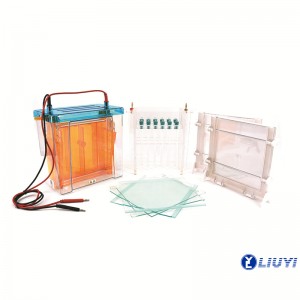
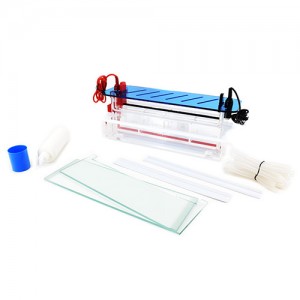
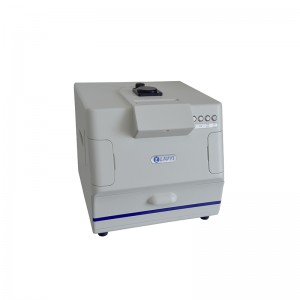
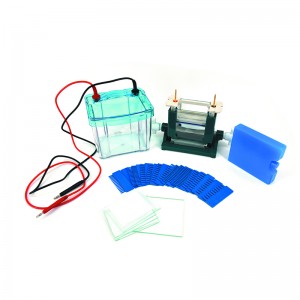
Beijing Liuyi Biotechnology Co., Ltd has launched new products for protein analysis, western blotting and gel observation. DYCZ-MINI series are fully compatible with the main international brands, and can run up to four precast or handcast polyacrylamide gels. The trans-blot module of DYCZ-TRANS2 is compatible with the chamber of DYCZ-MINI series. The WD-9403B can observe gel for nucleic acid electrophoresis. These new products are all durable, versatile, and easy to assemble. Welcome to contact us for more details!


More Paper Electrophoresis Accessories & Vertical Electrophoresis Solutions
Complete your vertical electrophoresis workflow with our full range of compatible accessories, systems and analytical instruments.
-

Phone
-

E-mail
-

Whatsapp
-

Top