


Featured Native Gel Electrophoresis Systems for Protein Testing
Industry-leading instruments engineered for precision protein separation, analysis, and quality assurance across research and industrial applications.
What Is Native Gel Electrophoresis?
A foundational analytical technique that separates proteins in their natural, biologically active state — without denaturing agents.
Native gel electrophoresis, also known as non-denaturing gel electrophoresis, is a powerful analytical technique used to separate proteins based on their native charge, size, and shape — all without the use of denaturing agents such as SDS (sodium dodecyl sulfate). Unlike SDS-PAGE, native PAGE preserves the three-dimensional conformation and biological activity of proteins throughout the separation process.
This technique is particularly valuable when researchers or quality control specialists need to analyze protein complexes, oligomeric states, enzymatic activity, protein-protein interactions, and overall structural integrity. Because proteins retain their native folding, they migrate through the polyacrylamide gel matrix based on a combination of molecular charge density, frictional coefficient, and molecular size — making native gel electrophoresis far more informative about true protein behavior in physiological conditions.
In a typical native PAGE experiment, proteins are loaded directly into the gel without heat treatment or reducing agents. The gel is run at low temperatures — often 4°C — to prevent protein denaturation and preserve labile interactions. Visualization is typically achieved through Coomassie blue staining, silver staining, or activity-based staining methods that reveal enzymatic function directly in the gel.
Key advantages include: preservation of biological activity, ability to detect native protein complexes and isoforms, analysis of conformational changes, and compatibility with downstream functional assays. This makes native gel electrophoresis an indispensable tool for both fundamental research and industrial protein quality control.
Why Choose Native PAGE for Protein Analysis?
Native gel electrophoresis delivers unique advantages that SDS-PAGE and other denaturing methods simply cannot provide.
Preserves Native Conformation
Proteins migrate in their natural 3D structure, allowing true characterization of functional and structural states — critical for biopharmaceutical development and enzyme studies.
Detects Protein Complexes
Oligomers, heterodimers, and multi-protein complexes remain intact during separation, enabling analysis of quaternary structure and binding interactions that denaturing gels destroy.
Activity-Based Staining
Enzymatic activity can be detected directly within the gel using substrate-based staining methods — impossible under denaturing conditions — enabling functional profiling of complex mixtures.
High-Resolution Isoform Analysis
Charge-based separation distinguishes protein isoforms, post-translationally modified variants, and structural polymorphs with exceptional resolution for regulatory and research purposes.
In-Depth Application Scenarios for Native Gel Electrophoresis
From pharmaceutical manufacturing to cutting-edge proteomics research, native gel electrophoresis plays a pivotal role across diverse sectors.
Biopharmaceutical QC
Monoclonal antibody aggregation testing, antibody-drug conjugate (ADC) characterization, and lot-release quality control for biologics require native PAGE to verify protein integrity without disrupting structure.
Proteomics Research
Native PAGE combined with mass spectrometry enables deep proteome mapping, interactome studies, and identification of functional protein assemblies in cellular extracts at physiological conditions.
Food & Agricultural Science
Allergen profiling, gluten protein analysis, seed storage protein characterization, and detection of adulteration in food products all benefit from native electrophoretic separation without denaturing agents.
Clinical Diagnostics
Serum protein electrophoresis using native conditions detects monoclonal gammopathy, hemoglobin variants, alpha-1-antitrypsin deficiency, and other clinically significant protein abnormalities.
Enzyme Research
Native PAGE enables zymography and in-gel activity assays for proteases, lipases, nucleases, and oxidoreductases — preserving catalytic function for direct functional identification within the gel.
Vaccine Development
Recombinant vaccine antigen characterization, virus-like particle (VLP) analysis, and adjuvant-protein interaction studies all rely on native gel techniques to confirm structural integrity before formulation.
Commercial & Industrial Landscape of Native Gel Electrophoresis
The global market for native gel electrophoresis instruments and reagents is expanding rapidly, driven by biopharmaceutical growth and tighter regulatory requirements.
The commercial application of native gel electrophoresis has grown substantially over the past decade. The global biopharmaceutical industry — now exceeding $400 billion annually — places native PAGE at the center of biologics quality control workflows. Regulatory frameworks from the FDA, EMA, and ICH Q6B guidelines increasingly require native protein characterization data for biosimilar approvals, making native gel systems a regulatory necessity rather than just a research convenience.
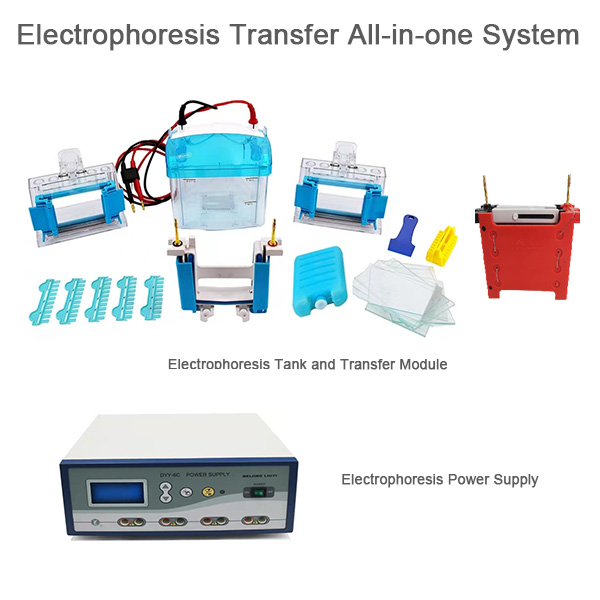
In industrial settings, native gel electrophoresis is deployed on the production floor for real-time monitoring of protein aggregation, misfolding events, and batch-to-batch consistency. High-throughput vertical electrophoresis systems, modular dual vertical platforms, and all-in-one electrophoresis-transfer systems are now standard equipment in contract manufacturing organizations (CMOs) and biopharmaceutical quality assurance laboratories worldwide.
The food and beverage industry has also emerged as a significant growth sector, using native PAGE for authentication of plant-based protein products, detection of adulteration in dairy and meat products, and quality control of nutritional supplements — particularly as plant-based protein demand surges globally.
Emerging Trends & Future Directions
Native gel electrophoresis is evolving rapidly — integrating AI analysis, automation, and microfluidic miniaturization to meet next-generation demands.
AI-Powered Gel Image Analysis
Machine learning algorithms are being integrated with gel documentation systems to automate band detection, quantification, and quality scoring — dramatically reducing human error and processing time in high-throughput QC environments.
High-Throughput Automation
Robotic gel casting, automated sample loading, and programmatic electrophoresis controllers are transforming native PAGE from a labor-intensive manual technique into a fully automated, GMP-compliant QC workflow scalable for industrial production.
Native MS-PAGE Hyphenation
Coupling native PAGE with native mass spectrometry (native MS) enables simultaneous structural and mass characterization of intact protein complexes — a powerful combination driving advances in structural proteomics and drug target validation.
Microfluidic & Chip-Based Formats
Miniaturized chip-based native electrophoresis platforms are enabling rapid, low-volume protein analysis with sub-nanogram sensitivity — ideal for single-cell proteomics, point-of-care diagnostics, and precious clinical sample analysis.
Cloud-Connected Data Management
IoT-enabled electrophoresis instruments now transmit real-time run parameters, gel images, and analysis results to cloud platforms — enabling remote monitoring, regulatory compliance documentation, and global data sharing across distributed laboratory networks.
Green & Sustainable Formulations
Eco-friendly buffer systems, reduced acrylamide concentration protocols, and recyclable gel matrix innovations are reducing the environmental footprint of native electrophoresis — aligned with corporate sustainability goals across pharma and biotech sectors.
Native PAGE vs. Other Protein Separation Methods
Understanding the advantages and appropriate use cases for each technique is essential for optimal experimental design.
| Feature | Native PAGE | SDS-PAGE | 2D-PAGE | IEF |
|---|---|---|---|---|
| Protein Conformation | ✅ Native (preserved) | ❌ Denatured | ❌ Denatured (2nd dim.) | ✅ Native |
| Separation Basis | Charge + Size + Shape | Molecular Weight | pI + Molecular Weight | Isoelectric Point (pI) |
| Enzyme Activity Detection | ✅ Yes (zymography) | ❌ No | Limited | Limited |
| Protein Complex Analysis | ✅ Excellent | ❌ No | ❌ No | Limited |
| Molecular Weight Estimation | Approximate | ✅ Accurate | ✅ Accurate | ❌ No |
| Sample Preparation Complexity | Low | Medium | High | Medium |
| Industrial QC Adoption | ✅ High (Biopharma, Food) | ✅ Very High | Medium | Medium |
 Main Products for Native Gel Protein Testing
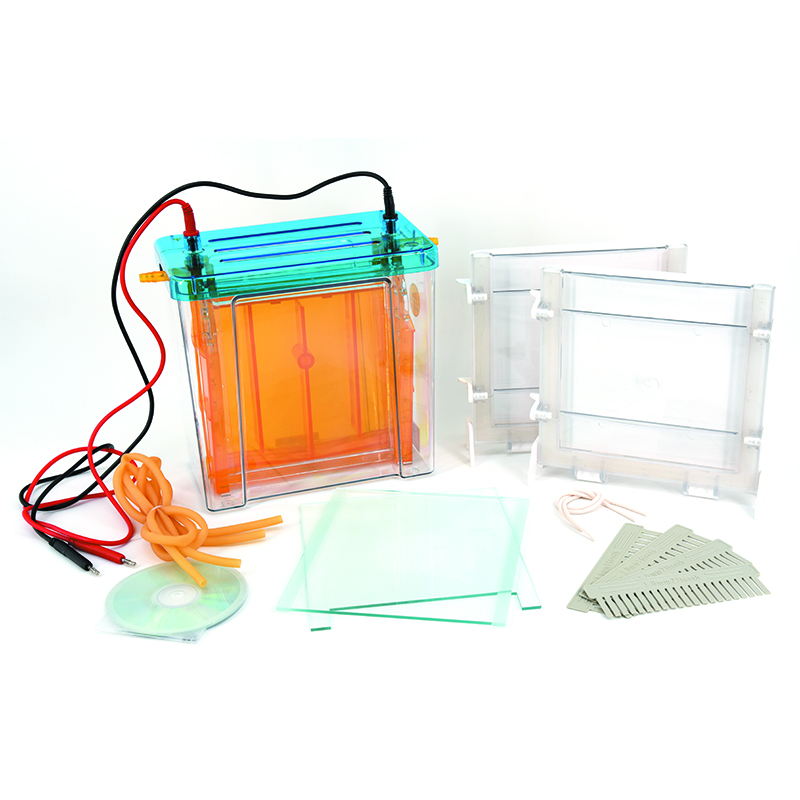
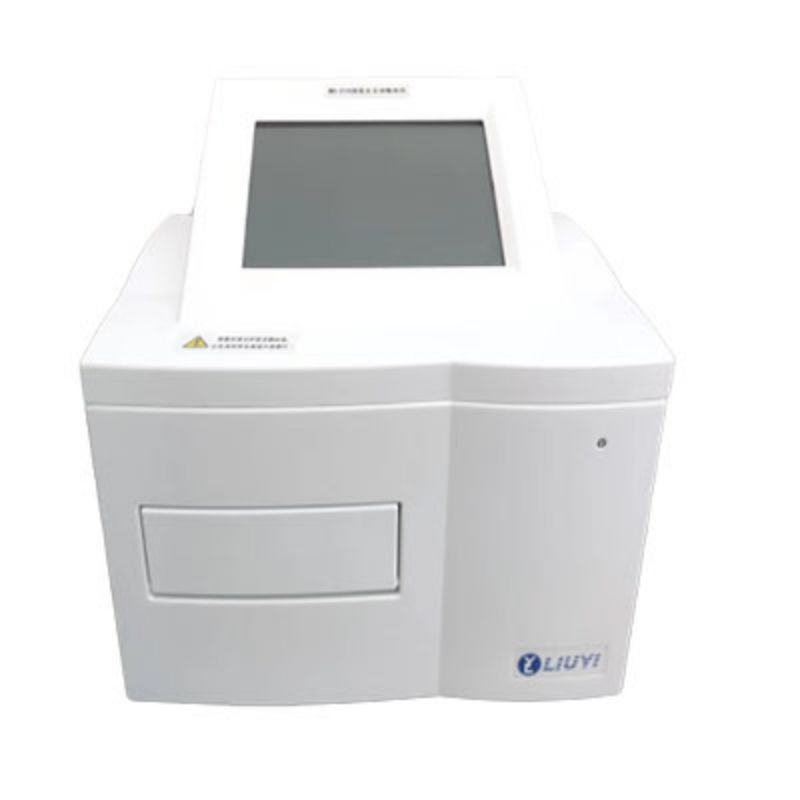
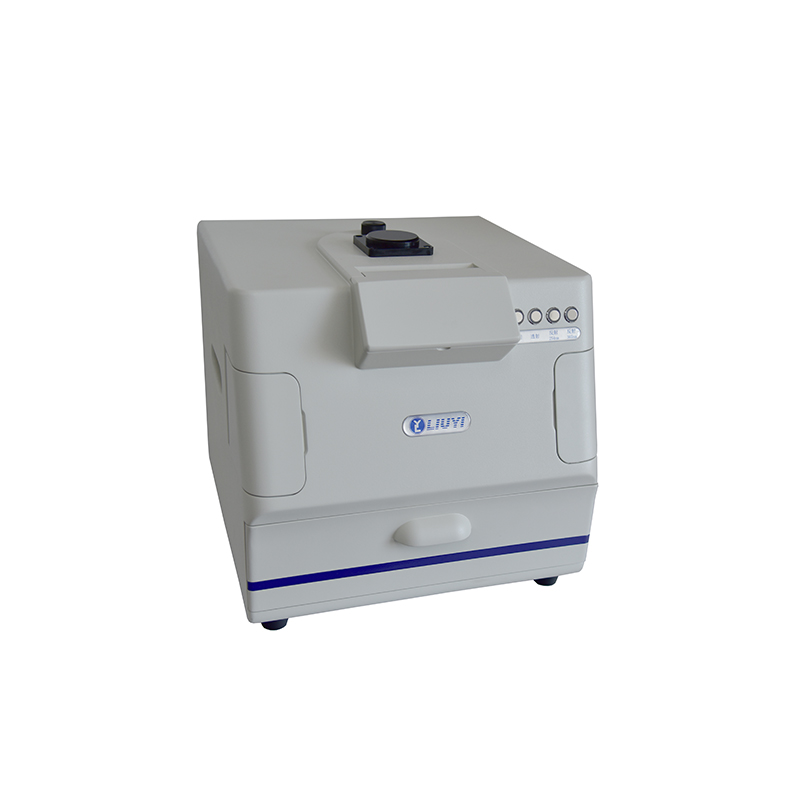
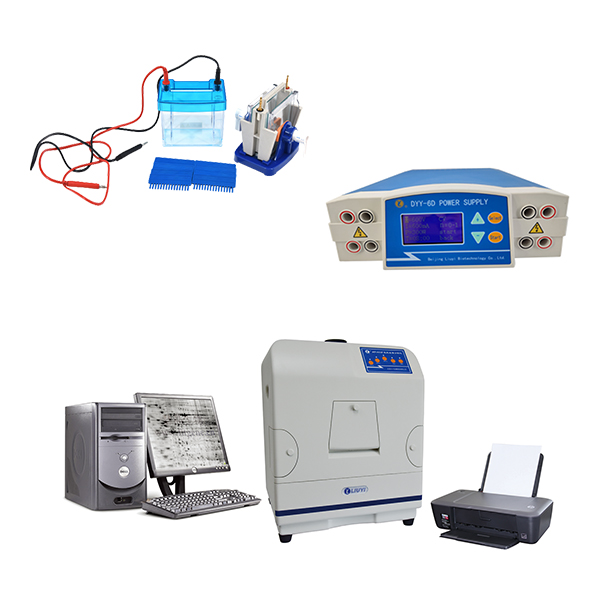
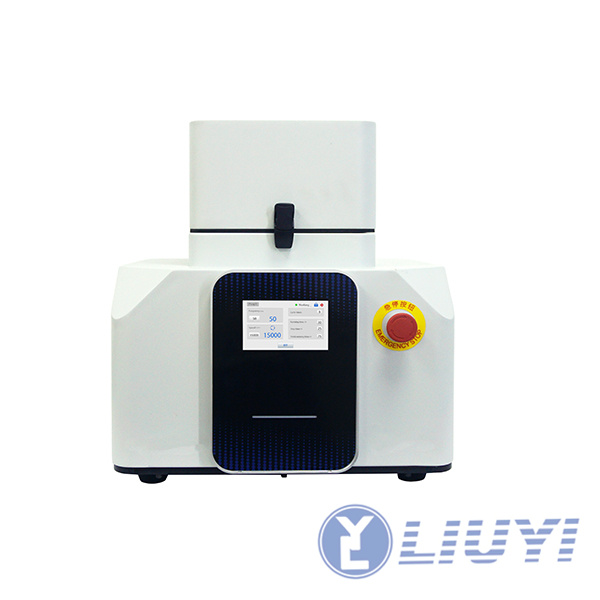
Beijing Liuyi Biotechnology Co., Ltd has launched new products for protein analysis, western blotting and gel observation. DYCZ-MINI series are fully compatible with the main international brands, and can run up to four precast or handcast polyacrylamide gels. The trans-blot module of DYCZ-TRANS2 is compatible with the chamber of DYCZ-MINI series. The WD-9403B can observe gel for nucleic acid electrophoresis. These new products are all durable, versatile, and easy to assemble. Welcome to contact us for more details!
 Pulsed Field Gel Electrophoresis CHEF Mapper A7
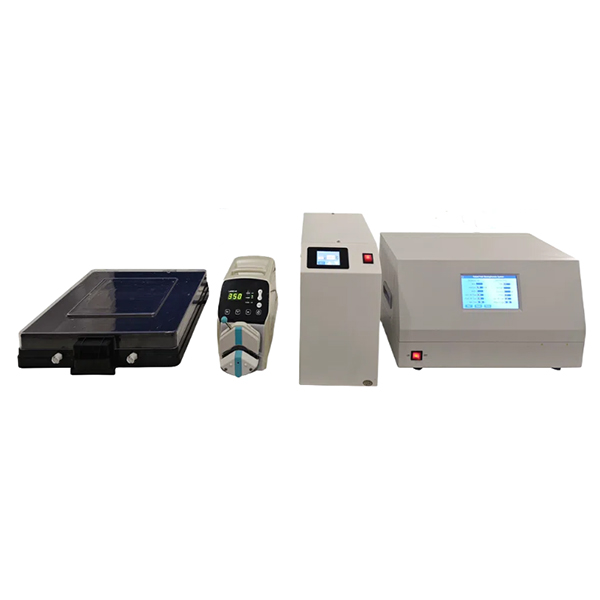
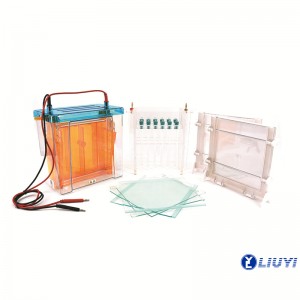 2-D Protein Electrophoresis Cell DYCZ-26C
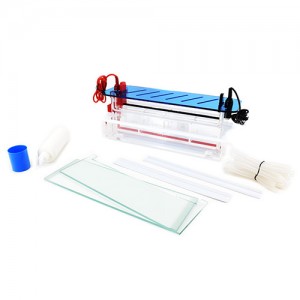 High-throughput Vertical Electrophoresis Cell DYCZ-20H
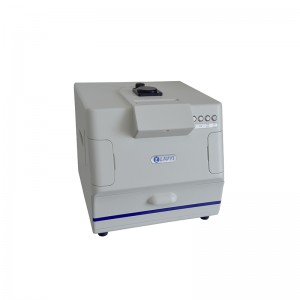
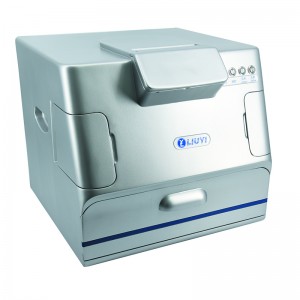
 UV Transilluminator WD-9403B
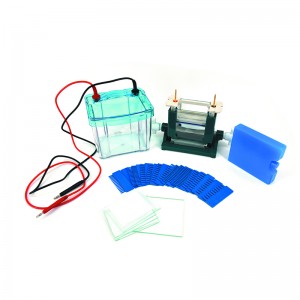 Modular Dual Vertical System DYCZ–25D
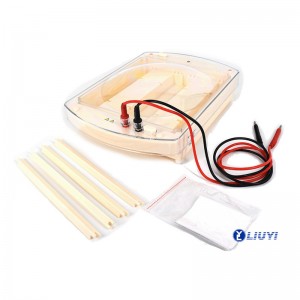 Cellulose Acetate Film Electrophoresis Cell DYCP-38C
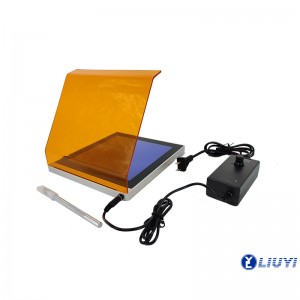 Blue LED Transilluminator WD-9403X
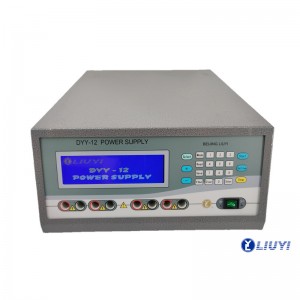 Electrophoresis Power Supply DYY-12
Our Company
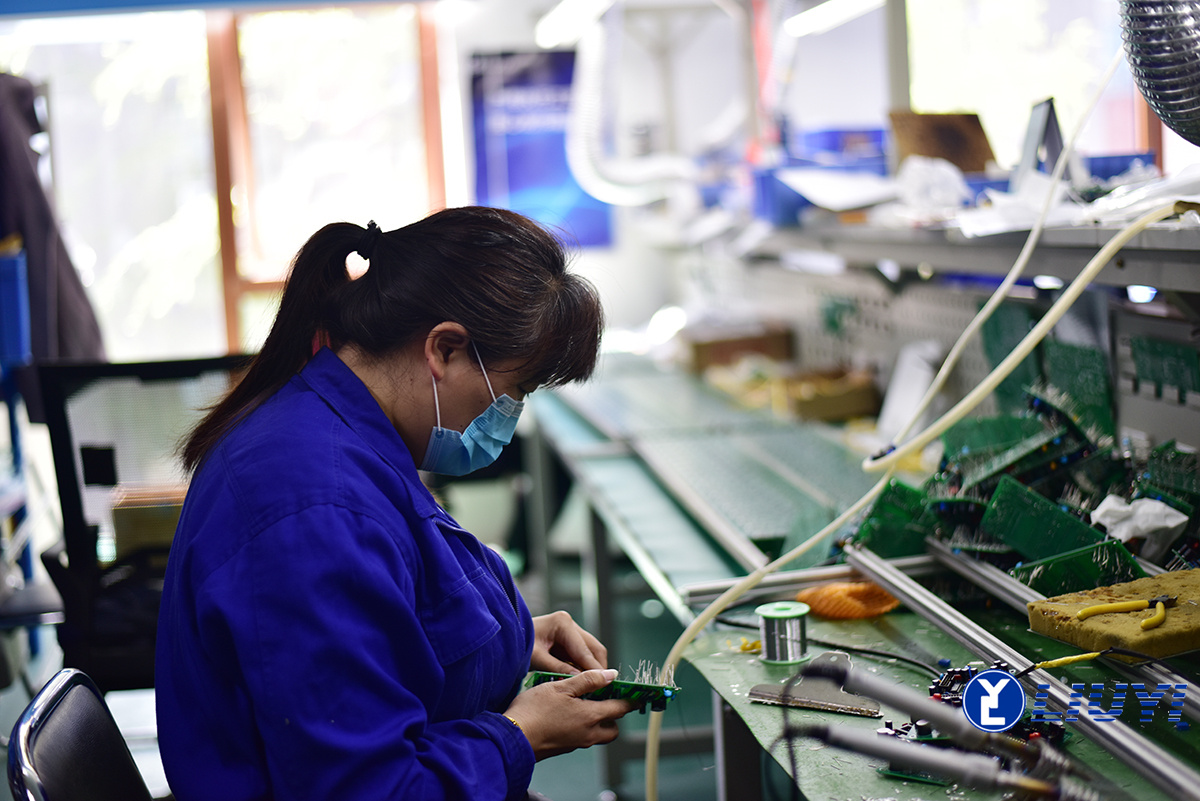
Beijing Liuyi Biotechnology Co., Ltd., formerly known as Beijing Liuyi Instrument Factory, established in 1970, is a national high technology enterprise with a long history. It is a leading and the biggest manufacturer in electrophoresis instrument for life science laboratories in China.
Based on the life science and biotechnology industries, our mainly products always in the domestic industry leading firm and well-known in the industry, exported to other countries and areas. We have our own R&D team, open to scientific research innovation, market development first, industry and combined with the development, the economic scale of our company have rapid growth for several years.
Our Team
Liuyi has specialized in manufacturing electrophoresis instruments for more than 50 years with our own professional technical team and R&D center. We have reliable and complete production line from design to inspection, and warehouse, as well as marketing support. Our main products are Electrophoresis Cell (tank/chamber), Electrophoresis Power Supply, Blu LED Transilluminator, UV Transilluminator, Gel Image & Analysis System etc. According to your requirements, we can provide customized service for you.
Certificate & Awards
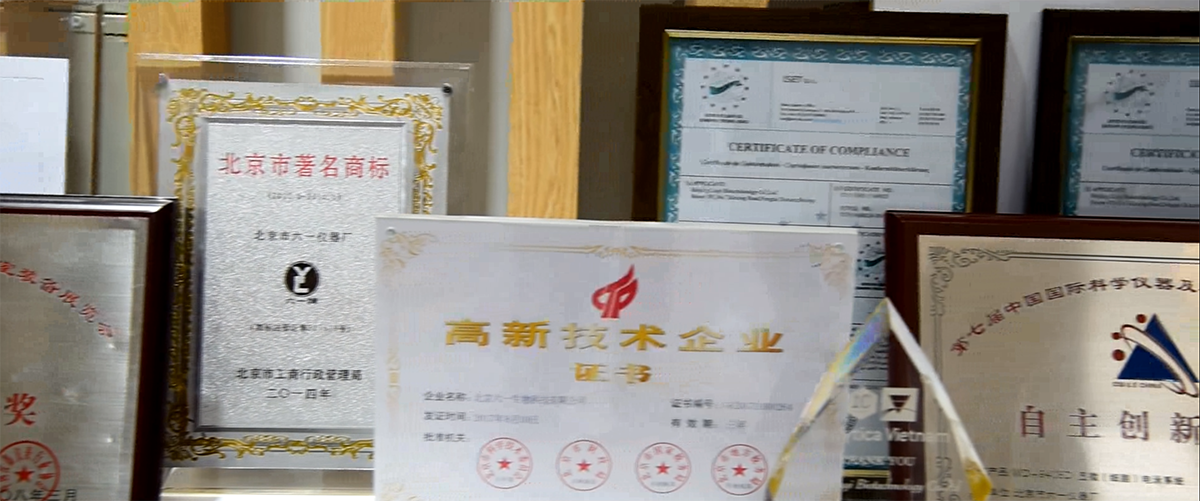
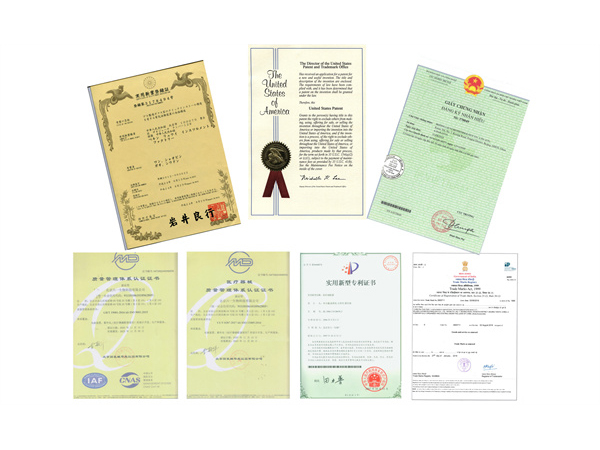
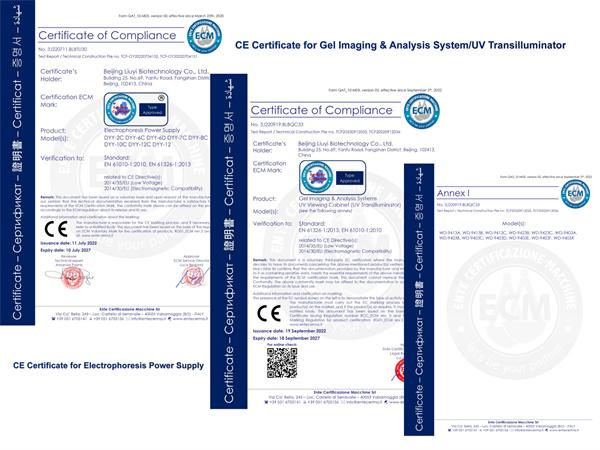
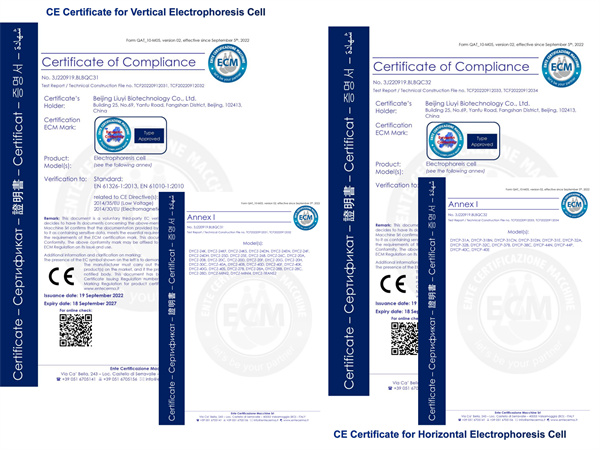
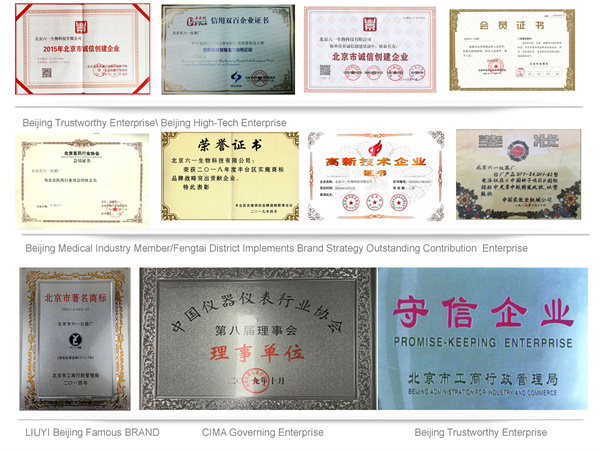
Liuyi has been awarded variety certificates and enterprise qualifications along with its high reputation in industry. We are ISO 9001 & ISO 13485 certified company and some of our products have CE certificates. Since 2003, Liuyi as the only medical device manufacturer in Beijing medical industry has been awarded as "PROMISE-KEEPING ENTERPRISE" by Beijing Administration for Industry and Commerce.
In 2008, Liuyi is honored as the famous trademark of Beijing. Our trademark is under the protection of Madrid Protocol in 7 countries including the United States, the United Kingdom, Japan, South Korea, Singapore, Greece, and Zambia in 2005, as well we have registered our trademark in India and Vietnam.
Based on life science and biotechnology industry, with excellent reputation, we offer reliable quality products and good service to our customers in China and overseas. We are the key supplier for the government purchase projects, and we have nearly 2000 dealers in China. Our products have been exported to more than ten countries including America, Brazil, Mexico, India, Africa, Chile, Singapore etc. We are dedicated to offering our products throughout the world.
- ISO9001, ISO13485 Double Certified Enterprise
- National High-tech Enterprise
- Three main products passed CE certification
- LIUYI Beijing Famous BRAND
- The Drafting Enterprise for pharmaceutical industry standards and national standards
- First Class Medical Device Filled Certificate
- China Utility Model Patent Certificate
- Japanese and American patents
- India and Vietnam registered trademark
- Beijing Trustworthy Enterprise
- CIMA Governing Enterprise
- Undertake China Torch plan program
Complete Native Gel Electrophoresis Product Range for Protein Testing
Explore our full lineup of solutions designed for every stage of protein native gel electrophoresis — from sample preparation to imaging and analysis.
-

Phone
-

E-mail
-

Whatsapp
-

Top