


Native Gel Electrophoresis Instruments
Industry-leading electrophoresis solutions designed for high-precision native gel analysis
What Is Native Gel Electrophoresis?
Understanding the core science behind native PAGE and gel electrophoresis results
Native gel electrophoresis, commonly referred to as native PAGE (Polyacrylamide Gel Electrophoresis), is a powerful analytical technique used to separate proteins and other biological macromolecules under non-denaturing conditions. Unlike SDS-PAGE, native gel runs preserve the tertiary and quaternary structure of proteins, allowing researchers to study biologically active conformations, protein-protein interactions, and complex formations in their near-physiological state.
Key Principle of Native Gel Runs
In native gel electrophoresis, separation is based on both the charge and size of the protein, as well as its overall shape and hydrodynamic radius. No denaturing agents or reducing agents are used, enabling proteins to retain their native biological activity throughout the run.
The result of a native gel run reveals critical information about protein purity, oligomeric state, and conformational stability. When multiple bands are observed, each can represent a different oligomeric or conformational species of the same protein. A single sharp band typically indicates high purity and homogeneity — an essential criterion in pharmaceutical protein manufacturing, structural biology research, and quality control (QC) workflows.
Native gel electrophoresis is particularly valued in the study of enzymes, antibodies, chaperones, nucleoproteins, and protein complexes. Unlike SDS-PAGE where all structural information is lost due to denaturation, native PAGE enables correlation between electrophoretic mobility and biological function — making it indispensable in advanced biomedical research.
Interpreting Gel Electrophoresis Results for Native Gel Runs
Reading and interpreting gel electrophoresis results from native gel runs requires a nuanced understanding of the factors influencing band migration:
1. Band Position and Migration Distance
In native PAGE, the migration of a protein band toward the anode or cathode depends on the overall net charge of the protein at the running pH. Faster-migrating bands represent proteins with higher charge density relative to their mass. Using native molecular weight markers, researchers can roughly estimate the molecular weight and compare the hydrodynamic radius of target proteins.
2. Band Sharpness and Resolution
Sharp, well-defined bands in native gel results indicate homogeneous protein populations with consistent charge-to-size ratios. Diffuse or streaked bands may indicate sample heterogeneity, aggregation, or post-translational modification heterogeneity. Optimizing gel percentage, buffer pH, and ionic strength is critical to achieving high-resolution native gel results.
3. Multiple Bands — Oligomerization and Isoforms
Multiple bands in a native gel result can indicate the presence of different oligomeric states (monomer, dimer, tetramer) of the same protein. This is especially important in structural biology and drug development, where the oligomeric state of a therapeutic protein directly influences its pharmacological activity.
Native Gel vs. SDS-PAGE: Why It Matters
While SDS-PAGE tells you only the molecular weight of denatured subunits, native gel electrophoresis results reveal functional oligomeric states, binding partners, and conformational integrity — information that is directly relevant to understanding protein biology and biopharmaceutical product quality.
Commercial and Industrial Landscape of Native Gel Electrophoresis
The global market for gel electrophoresis systems — including those designed for native gel runs — has experienced robust growth driven by expanding life science research, biopharmaceutical manufacturing, clinical diagnostics, and food safety testing. According to industry analysts, the global electrophoresis market was valued at over USD 2.5 billion in 2023 and is projected to grow at a CAGR of approximately 6.2% through 2030.
Native gel electrophoresis instruments are now standard equipment in pharmaceutical QC laboratories for characterizing monoclonal antibodies (mAbs), vaccine antigens, and recombinant proteins. The technique's ability to confirm protein conformational integrity without denaturing the sample makes it a regulatory-compliant method cited in ICH guidelines for biopharmaceutical characterization.
Leading manufacturers globally are investing in automation-compatible native gel systems, precast polyacrylamide gel formats, and digital imaging platforms that integrate seamlessly with laboratory information management systems (LIMS). China has emerged as a major manufacturing hub for electrophoresis instrumentation, with companies like Beijing Liuyi Biotechnology Co., Ltd. supplying both domestic and international markets with competitively priced, high-quality systems.
Industry Trends in Native Gel Electrophoresis
How technology and market demands are shaping the future of native gel runs
AI-Assisted Gel Image Analysis
Artificial intelligence and machine learning algorithms are being integrated into gel documentation systems to automate band detection, quantification, and purity scoring in native gel results — reducing human error and accelerating laboratory workflows in drug development and QC.
Precast Native Gel Technology
Ready-to-use precast polyacrylamide gels for native PAGE are gaining widespread adoption in biopharmaceutical labs. These products ensure batch-to-batch reproducibility and regulatory compliance, replacing time-consuming manual gel casting processes that introduce variability in native gel run results.
Integration with High-Throughput Platforms
Next-generation electrophoresis systems are designed to integrate with robotic liquid handling platforms, enabling high-throughput native gel analysis of hundreds of protein samples per day — critical for biopharmaceutical process development and biosimilar characterization pipelines.
Cloud-Connected Lab Instruments
Modern electrophoresis power supplies and gel documentation systems are increasingly equipped with IoT connectivity, enabling remote monitoring of native gel run parameters, real-time data sharing, and cloud-based archiving of gel images — supporting 21 CFR Part 11 compliance for regulated environments.
Green Electrophoresis Innovations
Staining-free native gel technologies using fluorescent protein labels and safer alternatives to ethidium bromide are driving a sustainability shift in electrophoresis labs. Low-voltage, energy-efficient power supplies are also reducing the environmental footprint of native gel runs.
Biopharmaceutical QC Expansion
Regulatory agencies increasingly require multi-attribute methods including native gel characterization of biologic drugs. This is driving significant investment in validated native PAGE workflows among CDMOs, CMOs, and in-house pharmaceutical QC laboratories worldwide.
Deep-Dive Application Scenarios for Native Gel Runs
From academic research to industrial QC — native gel electrophoresis serves critical roles across diverse sectors
Monoclonal Antibody Characterization
Native PAGE gel results are used to confirm the monomeric integrity of mAbs, detect aggregates, and verify correct assembly of antibody subunits — critical steps in biopharmaceutical release testing and stability studies under ICH Q6B guidelines.
Structural Biology Research
Researchers use native gel electrophoresis to study protein complex formation, co-immunoprecipitation confirmations, and chaperone-client interactions. Bands in native gel results directly correspond to functionally active oligomeric assemblies.
Enzyme Activity Assays
Activity staining on native gels (zymography) allows identification of enzymatically active bands within complex mixtures. This is applied in enzyme research, industrial biotechnology, and discovery of novel biocatalysts from environmental samples.
Vaccine Antigen Analysis
Native gel electrophoresis results are routinely used to characterize viral antigens and vaccine proteins, confirming conformational epitope integrity before and after formulation — a key analytical tool in vaccine development and batch release testing.
Food Science & Adulteration Detection
Native protein electrophoresis is widely applied in food quality control for species authentication, allergen identification, and detection of protein adulterants in meat, fish, and dairy products — supporting food safety regulatory compliance globally.
Clinical Diagnostics
Serum protein electrophoresis using cellulose acetate membranes and native gel formats is a standard clinical diagnostic method for detecting monoclonal gammopathies, immune deficiencies, and liver disease markers — with millions of tests performed annually worldwide.
Agricultural Biotechnology
Plant breeding programs and GMO assessment laboratories use native gel electrophoresis to characterize seed storage proteins, detect varietal differences, and verify genetically modified crop profiles — supporting both regulatory submissions and intellectual property protection.
Biosimilar Development
Native PAGE is one of the key orthogonal analytical methods recommended for demonstrating biosimilarity between a proposed biosimilar and its reference biological product — enabling comparison of higher-order structure, charge isoforms, and aggregation profiles.
Optimizing Your Native Gel Run Results
Achieving reliable, reproducible gel electrophoresis results from native gel runs depends on careful optimization of several experimental variables. Here are the key parameters that scientific and industrial users need to control:
Buffer System Selection
The choice of native PAGE buffer system profoundly influences separation quality. Traditional Laemmli buffer systems must be adapted — typically by omitting SDS and reducing agents. Tris-glycine (pH 8.3), Tris-acetate, and BisTris native buffer systems are commonly employed. For acidic proteins, native cationic PAGE systems using acetic acid-lysine buffers allow separation toward the cathode.
Gel Concentration and Gradient Gels
For native gel electrophoresis, gel percentage selection is critical. Lower percentages (4–8%) are suitable for large protein complexes, while higher concentrations (10–15%) resolve smaller proteins with better separation. Gradient gels (4–20%) provide broader molecular weight resolution in a single run — an increasingly popular format in modern biopharmaceutical labs.
Temperature Control During Native Gel Runs
Since native gels preserve protein structure, maintaining low temperatures (typically 4°C) during electrophoresis minimizes protein denaturation, prevents aggregation, and preserves enzymatic activity. Electrophoresis cells with integrated cooling systems are preferred for heat-sensitive protein complexes.
Sample Preparation and Loading
Native gel samples should be prepared in non-denaturing loading buffers without SDS, BME, or DTT. Glycerol (10–20%) can be added to increase sample density for cleaner loading. Tracking dyes such as Coomassie blue G-250 are used in blue native PAGE (BN-PAGE) to impart charge to proteins, improving separation quality in complex protein mixture analysis.
Staining and Visualization
Coomassie staining remains the most widely used method for visualizing native gel results. Silver staining provides higher sensitivity for trace protein detection. Activity staining (zymography) enables detection of specific enzymatic activities within gel bands without transfer. Fluorescent staining methods using SYPRO Ruby or Deep Purple offer wide linear dynamic range for quantitative native gel analysis.
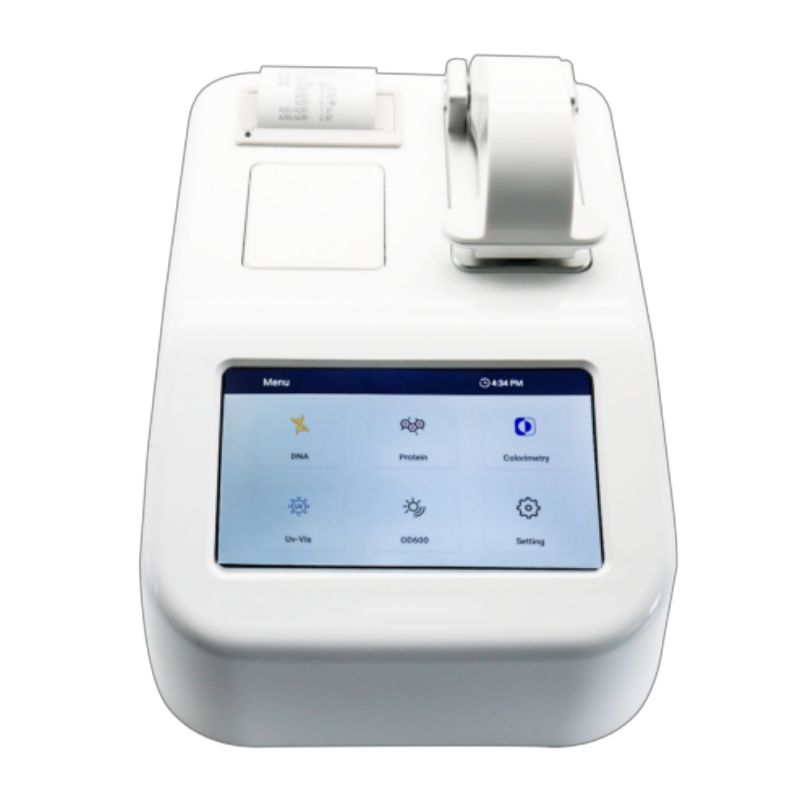
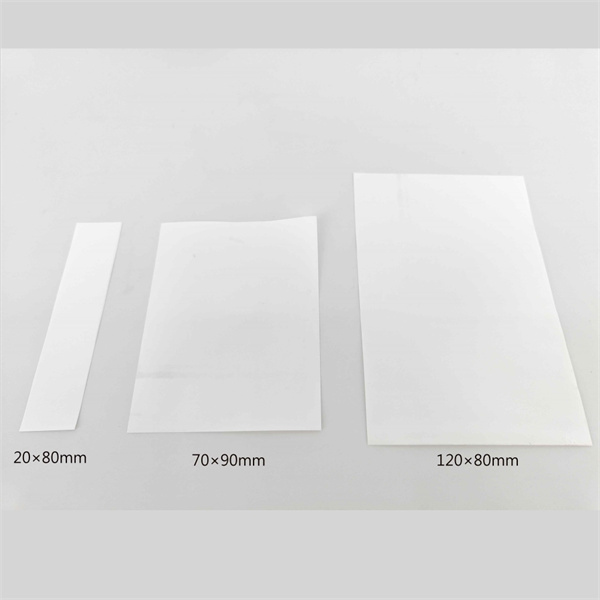
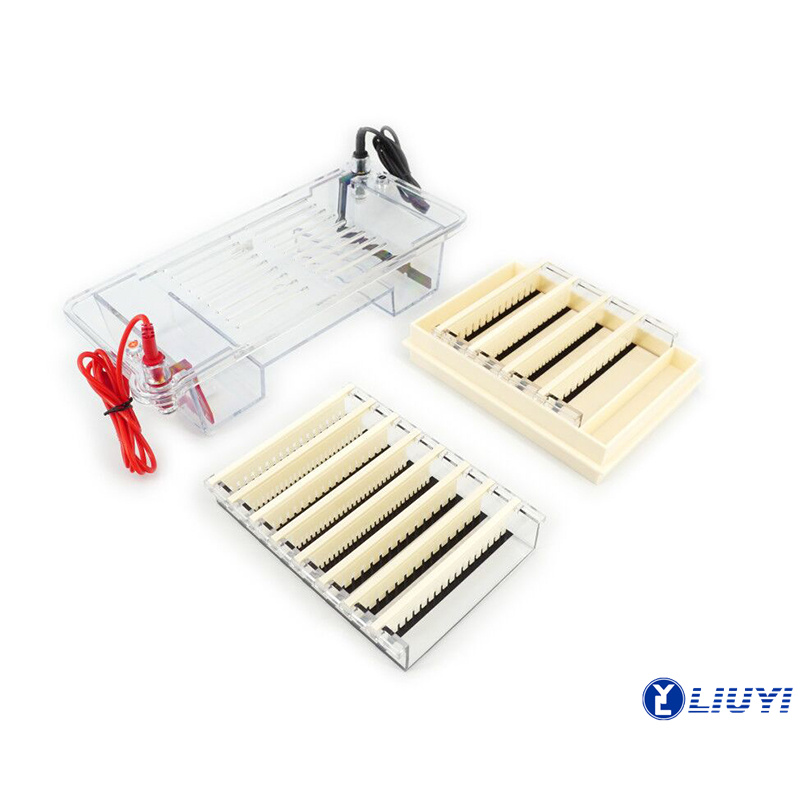
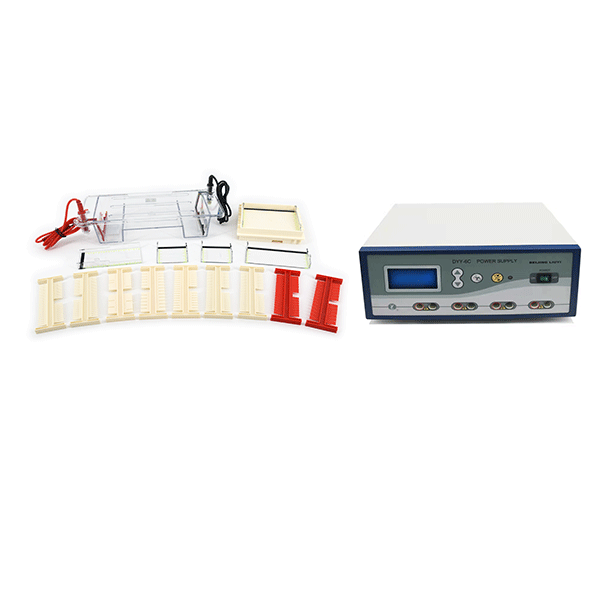
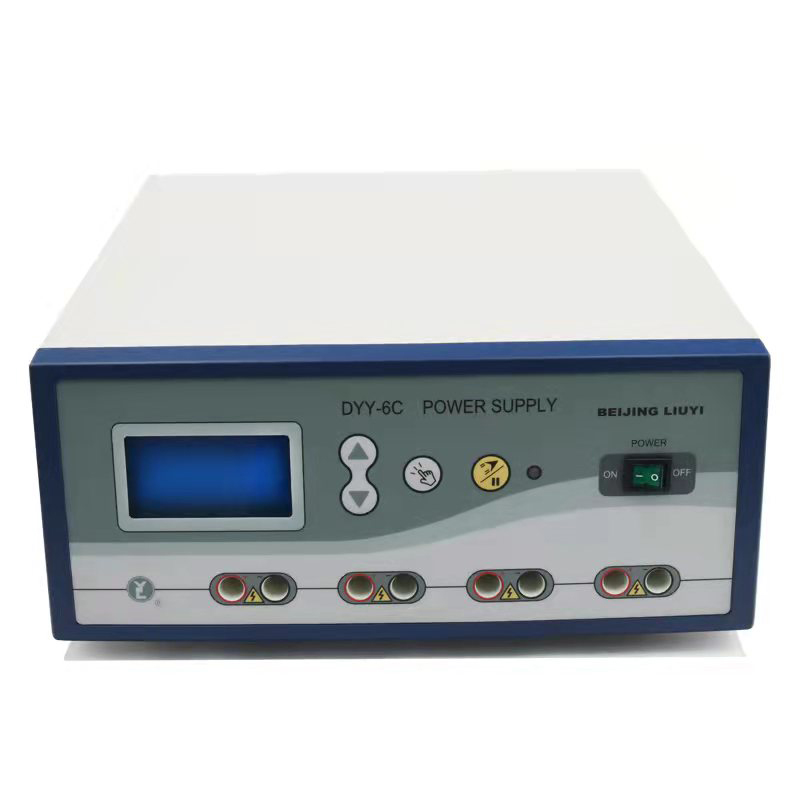
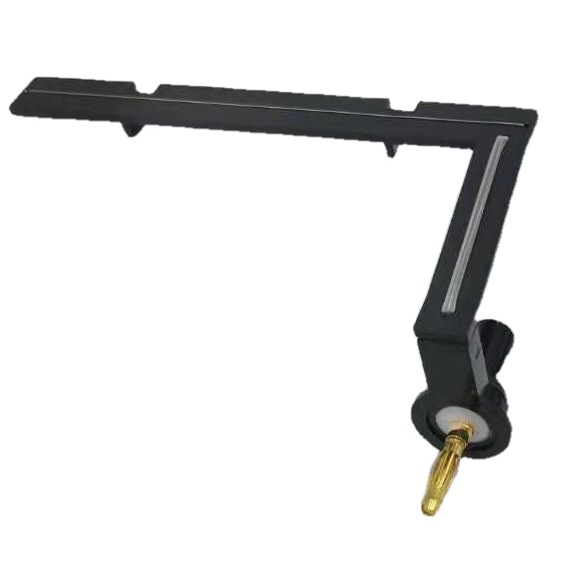
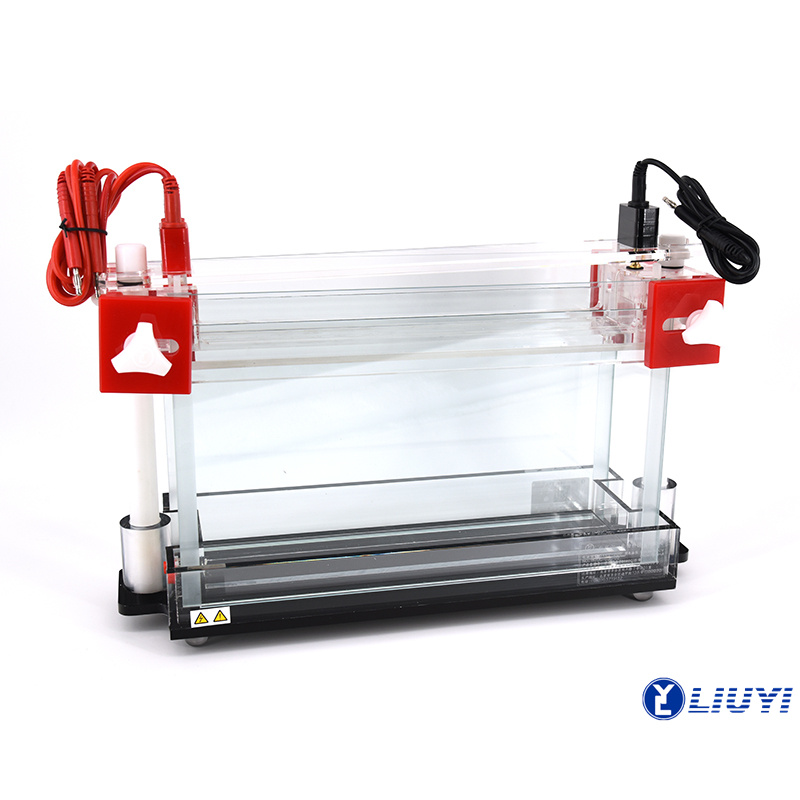
Beijing Liuyi Biotechnology provides a comprehensive range of electrophoresis cells, power supplies, and gel documentation systems that support both conventional and advanced native PAGE workflows — from vertical electrophoresis chambers compatible with handcast native gels to horizontal systems suitable for cellulose acetate membrane electrophoresis in clinical diagnostics.
Main Products for Native Gel Electrophoresis Runs
Explore our full portfolio of electrophoresis instruments for native gel applications
New Innovations for Protein Analysis & Native Gel Runs
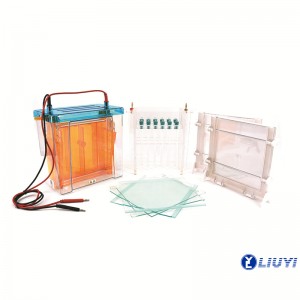
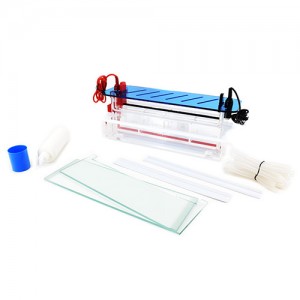
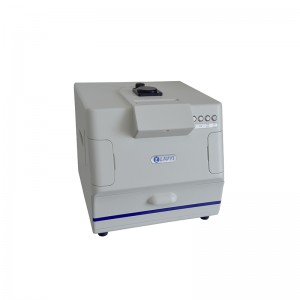
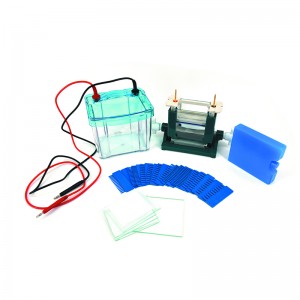
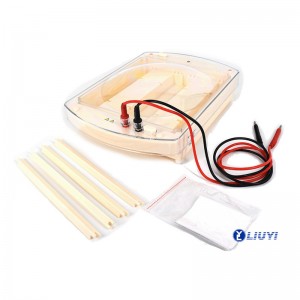
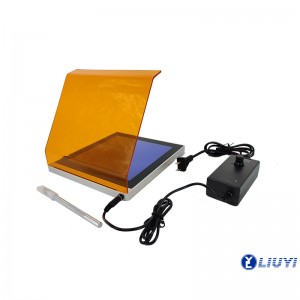
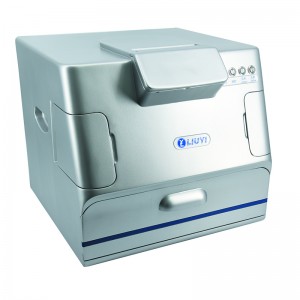
Beijing Liuyi Biotechnology Co., Ltd has launched new products for protein analysis, western blotting and gel observation. DYCZ-MINI series are fully compatible with the main international brands, and can run up to four precast or handcast polyacrylamide gels. The trans-blot module of DYCZ-TRANS2 is compatible with the chamber of DYCZ-MINI series. The WD-9403B can observe gel for nucleic acid electrophoresis. These new products are all durable, versatile, and easy to assemble. Welcome to contact us for more details!



Our Company
Beijing Liuyi Biotechnology Co., Ltd., formerly known as Beijing Liuyi Instrument Factory, established in 1970, is a national high technology enterprise with a long history. It is a leading and the biggest manufacturer in electrophoresis instrument for life science laboratories in China.
Based on the life science and biotechnology industries, our mainly products always in the domestic industry leading firm and well-known in the industry, exported to other countries and areas. We have our own R&D team, open to scientific research innovation, market development first, industry and combined with the development, the economic scale of our company have rapid growth for several years.
Our Team
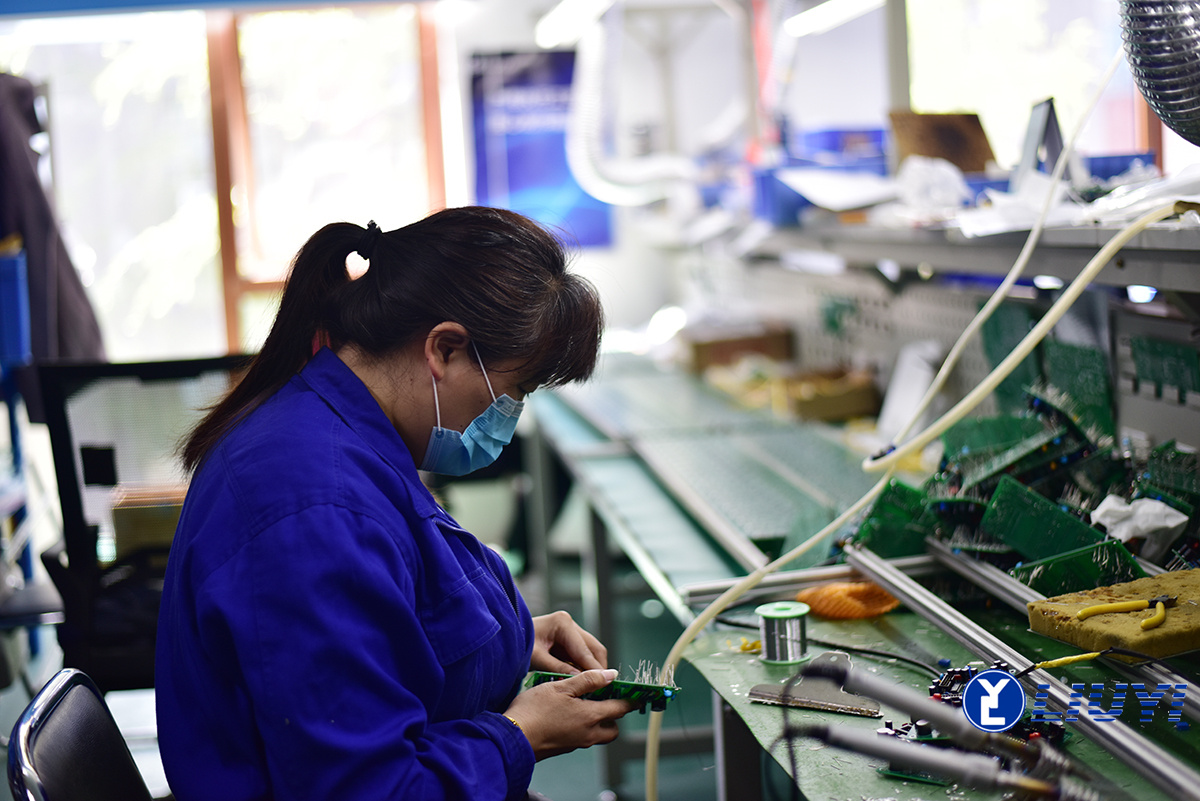
Liuyi has specialized in manufacturing electrophoresis instruments for more than 50 years with our own professional technical team and R&D center. We have reliable and complete production line from design to inspection, and warehouse, as well as marketing support.
Our main products are Electrophoresis Cell (tank/chamber), Electrophoresis Power Supply, Blu LED Transilluminator, UV Transilluminator, Gel Image & Analysis System etc. According to your requirements, we can provide customized service for you.
Certificate & Awards
A trusted and internationally recognized electrophoresis manufacturer
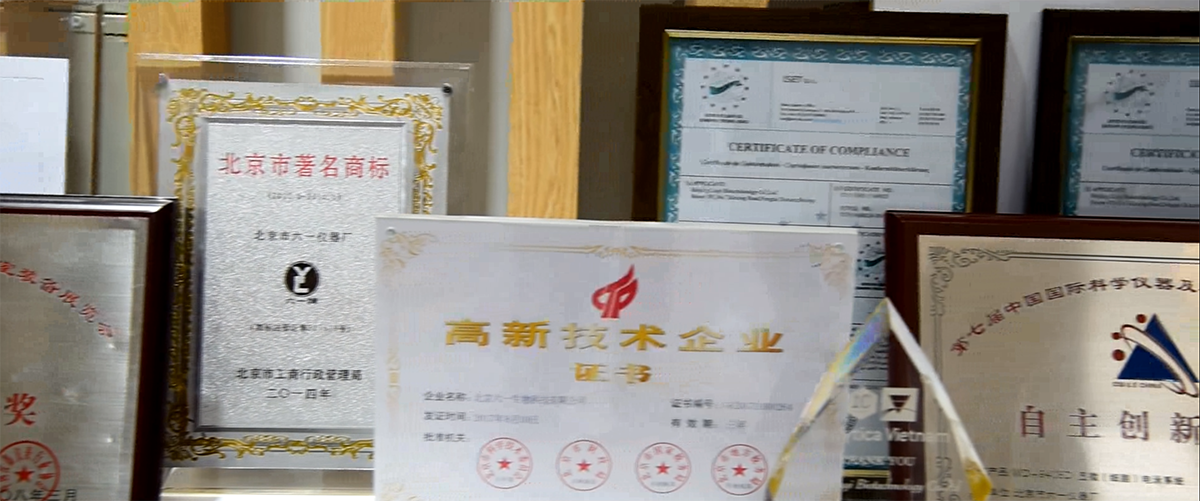
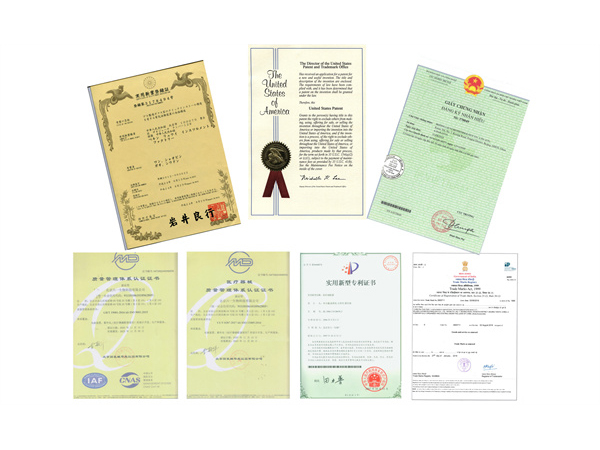
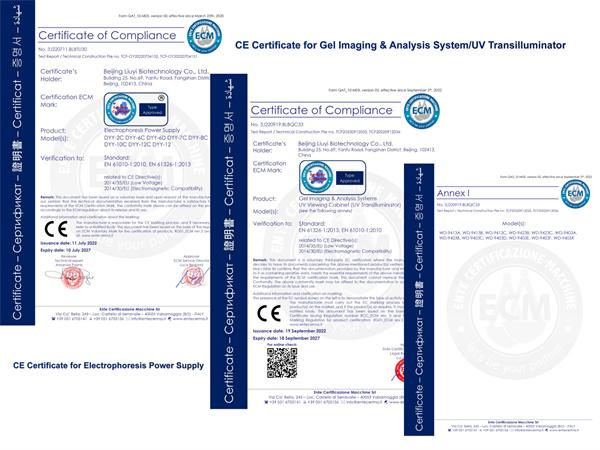
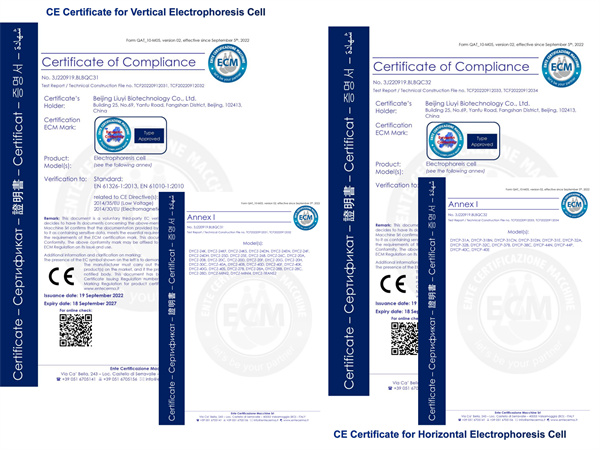
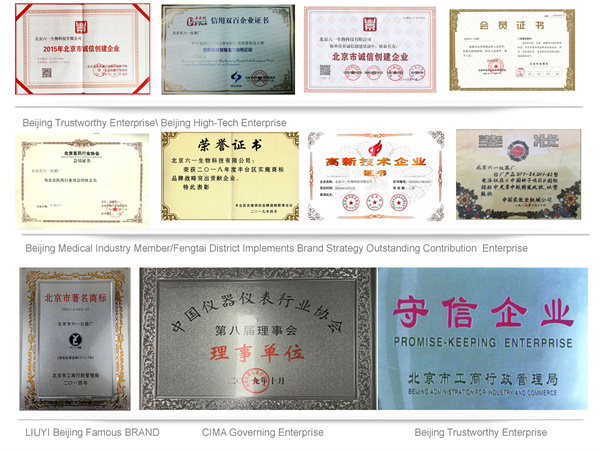
Liuyi has been awarded variety certificates and enterprise qualifications along with its high reputation in industry. We are ISO 9001 & ISO 13485 certified company and some of our products have CE certificates. Since 2003, Liuyi as the only medical device manufacturer in Beijing medical industry has been awarded as "PROMISE-KEEPING ENTERPRISE" by Beijing Administration for Industry and Commerce.
In 2008, Liuyi is honored as the famous trademark of Beijing. Our trademark is under the protection of Madrid Protocol in 7 countries including the United States, the United Kingdom, Japan, South Korea, Singapore, Greece, and Zambia in 2005, as well we have registered our trademark in India and Vietnam.
Based on life science and biotechnology industry, with excellent reputation, we offer reliable quality products and good service to our customers in China and overseas. We are the key supplier for the government purchase projects, and we have nearly 2000 dealers in China. Our products have been exported to more than ten countries including America, Brazil, Mexico, India, Africa, Chile, Singapore etc. We are dedicated to offering our products throughout the world.
- ISO 9001 Certified
- ISO 13485 Certified
- National High-tech Enterprise
- CE Certified Products
- Beijing Famous Brand
- Beijing Trustworthy Enterprise
- CIMA Governing Enterprise
- China Torch Plan
- Japanese & American Patents
- India & Vietnam Trademark
- First Class Medical Device
- China Utility Model Patent
More Products for Gel Electrophoresis Native Gel Applications
Complete instrumentation for every stage of your native gel electrophoresis workflow

Ready to Elevate Your Native Gel Electrophoresis Results?
With over 50 years of expertise, Beijing Liuyi Biotechnology delivers ISO-certified, industry-leading electrophoresis instruments trusted by researchers and QC professionals worldwide.
Explore All Products-

Phone
-

E-mail
-

Whatsapp
-

Top