


Electrophoresis Tank Solutions for Protein Testing
Industry-leading electrophoresis tank systems designed for high-precision protein separation, analysis, and biotechnology applications.

What Is an Electrophoresis Tank for Protein Testing?
An electrophoresis tank — also referred to as an electrophoresis cell or chamber — is a core instrument in molecular biology and biochemistry laboratories. For protein testing, it leverages an electric field to separate protein molecules through a polyacrylamide gel matrix (SDS-PAGE) based on molecular weight and charge. This enables researchers to identify, quantify, and characterize proteins with exceptional accuracy. From basic academic research to high-throughput pharmaceutical manufacturing and clinical diagnostics, electrophoresis tanks have become indispensable in the modern biotechnology ecosystem.
The Gold Standard in Protein Separation Technology
SDS-PAGE electrophoresis using precision-engineered tanks delivers unmatched resolution for protein characterization — essential for drug development, food safety testing, clinical diagnostics, and proteomics research across global laboratories.
High Precision Separation
Advanced electric field uniformity ensures consistent protein band resolution across the entire gel, minimizing distortion for reliable, reproducible results.
Multi-Format Compatibility
Supports both handcast and precast polyacrylamide gels, offering flexible configurations for various protein testing protocols and throughput requirements.
Temperature Control
Integrated cooling systems maintain optimal run temperatures, preserving protein integrity and preventing band distortion during extended electrophoresis runs.
Western Blot Ready
Seamlessly compatible with downstream blotting modules, enabling streamlined protein transfer workflows from gel to membrane without protocol interruptions.
Commercial & Industrial Status of Electrophoresis Tanks
The global electrophoresis market is experiencing robust growth, driven by expanding biopharmaceutical production, rising proteomics research investments, and accelerating clinical diagnostics demand.
📈 Market Growth Momentum
The global gel electrophoresis market was valued at over USD 1.8 billion and is projected to reach USD 3.2 billion by 2030, growing at a CAGR of approximately 7.5%. Protein electrophoresis equipment accounts for the largest segment, fueled by soaring demand for biologic drug characterization and quality control.
💊 Biopharmaceutical Manufacturing
Major pharmaceutical companies rely on electrophoresis tanks for rigorous QC testing of antibody-based therapeutics, vaccines, and biosimilars. Regulatory agencies including the FDA and EMA mandate protein purity and identity testing via electrophoresis throughout the manufacturing process.
🏥 Clinical Diagnostics Expansion
Serum protein electrophoresis (SPE) and immunofixation electrophoresis (IFE) are routinely performed in clinical laboratories to diagnose multiple myeloma, nephrotic syndrome, and inflammatory conditions. This drives strong institutional demand for reliable, high-throughput electrophoresis systems.
🌾 Food & Agricultural Testing
Electrophoresis tanks are extensively deployed in food safety laboratories to verify protein authenticity, detect allergens, identify genetically modified organisms (GMOs), and ensure compliance with international food labeling standards across global supply chains.
🔭 Academic & Research Sector
Universities, research institutes, and government laboratories represent a major market segment. Proteomics, structural biology, cancer research, and vaccine development all depend on electrophoresis as a foundational analytical technique, creating sustained demand for advanced protein testing equipment.
🌏 Emerging Market Penetration
Asia-Pacific, Latin America, and Africa are emerging as high-growth regions for electrophoresis equipment, driven by expanding biotech ecosystems, increasing R&D investment, and government initiatives to strengthen domestic pharmaceutical and diagnostic manufacturing capabilities.
Development Trends in Protein Electrophoresis Technology
Electrophoresis tank technology is rapidly evolving, integrating digital intelligence, automation, and miniaturization to meet the demands of next-generation protein research.
Automation & Digital Integration
Modern electrophoresis systems increasingly incorporate automated loading, programmable run parameters, real-time monitoring, and integrated gel imaging. AI-assisted band analysis software dramatically reduces manual interpretation errors and accelerates result turnaround times in high-throughput laboratory environments.
Miniaturization & Microfluidics
Lab-on-a-chip electrophoresis platforms are enabling ultra-fast protein analysis with sample volumes as small as nanoliters. These miniaturized systems reduce reagent costs by over 80% and deliver results in minutes rather than hours, revolutionizing point-of-care protein diagnostics and field testing applications.
Capillary Electrophoresis Advancement
Capillary electrophoresis (CE) and capillary gel electrophoresis (CGE) are gaining rapid adoption in biopharmaceutical QC, offering superior resolution, quantitative accuracy, and full automation for protein characterization. CE methods are increasingly replacing traditional slab gel techniques in regulated GMP environments.
Cloud-Connected Laboratory Ecosystems
Next-generation electrophoresis tanks feature IoT connectivity, enabling remote monitoring, predictive maintenance alerts, automated data logging, and seamless LIMS integration. Cloud-based data management ensures full regulatory compliance and facilitates multi-site data sharing for global research collaborations.
In-Depth Application Scenarios for Protein Electrophoresis Tanks
From biopharmaceuticals to environmental science, electrophoresis tanks serve as the analytical backbone across a wide spectrum of critical protein testing applications.
Antibody & Biosimilar QC
SDS-PAGE and native PAGE electrophoresis tanks are used to confirm the molecular weight, purity, and structural integrity of monoclonal antibodies (mAbs) and biosimilar products prior to clinical trials and regulatory submissions.
Proteomics Research
2-D electrophoresis systems enable comprehensive proteome mapping — separating thousands of proteins by isoelectric point and molecular weight simultaneously — providing critical insights into disease mechanisms, biomarker discovery, and drug target identification.
Vaccine Development
Electrophoresis tanks verify antigen composition, purity, and stability throughout vaccine manufacturing, ensuring each batch meets stringent WHO and regulatory requirements for protein content and absence of host cell protein contaminants.
Cancer Biomarker Detection
Western blotting workflows — powered by electrophoresis tanks — detect cancer-associated proteins including p53, HER2, PSA, and Ki-67 in patient samples, supporting early diagnosis, disease staging, and therapeutic response monitoring.
GMO & Allergen Testing
Regulatory food testing laboratories use protein electrophoresis to authenticate food species, detect undeclared allergenic proteins (gluten, soy, peanut), and verify GMO labeling compliance across the agricultural and food processing industries.
Forensic Protein Analysis
Electrophoresis techniques are applied in forensic science to analyze blood proteins, identify individuals through serum protein profiling, and authenticate biological evidence samples — providing critical support for criminal investigations and identity verification.
Aquatic & Animal Science
Researchers use electrophoresis to study fish protein profiles for species authentication in the seafood industry, analyze animal muscle proteins for meat quality assessment, and investigate wildlife disease through serum protein electrophoresis.
Plant Protein Analysis
Agricultural biotechnology laboratories employ electrophoresis tanks to analyze seed storage proteins, study plant stress responses at the protein level, develop disease-resistant crop varieties, and verify breeding program outcomes through protein fingerprinting.
Main Protein Testing Products
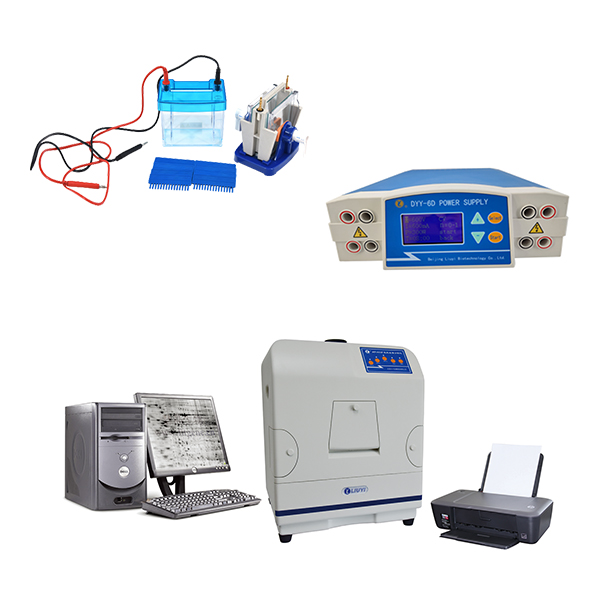
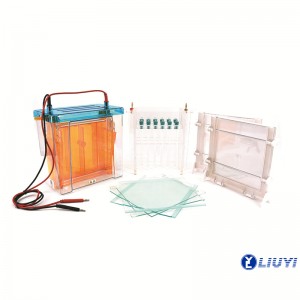
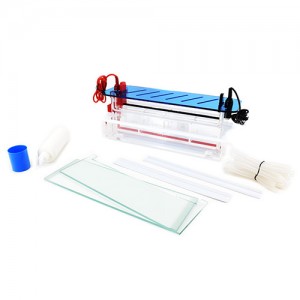
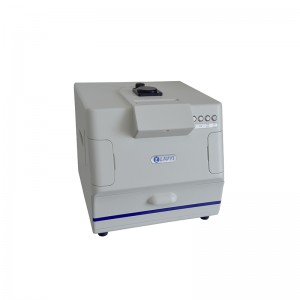
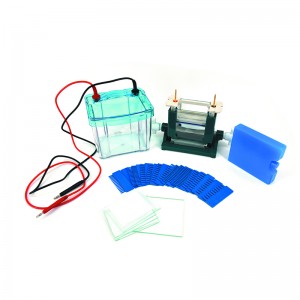
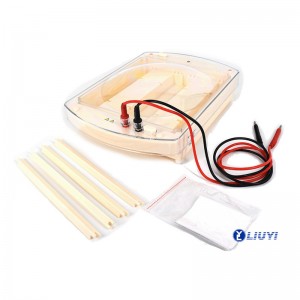
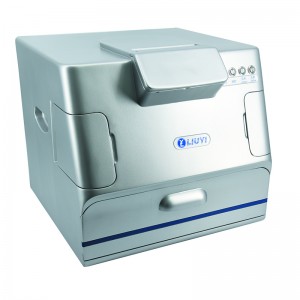
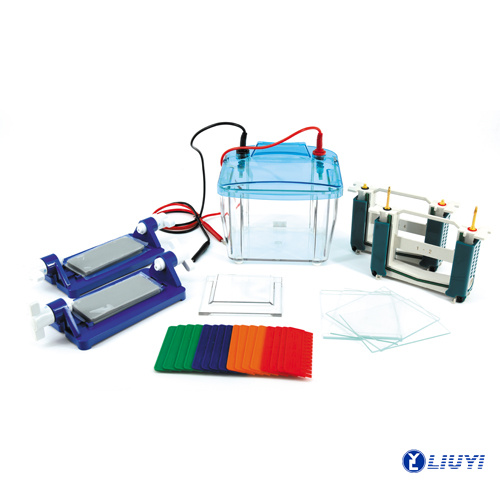
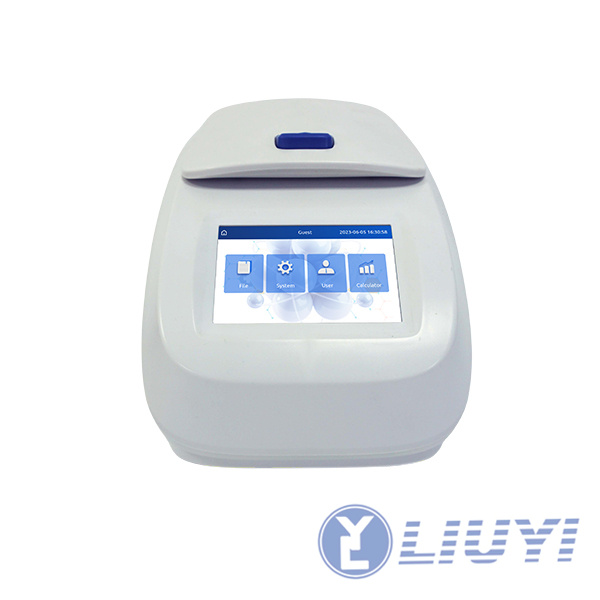
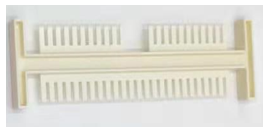
Beijing Liuyi Biotechnology Co., Ltd has launched new products for protein analysis, western blotting and gel observation. DYCZ-MINI series are fully compatible with the main international brands, and can run up to four precast or handcast polyacrylamide gels. The trans-blot module of DYCZ-TRANS2 is compatible with the chamber of DYCZ-MINI series. The WD-9403B can observe gel for nucleic acid electrophoresis. These new products are all durable, versatile, and easy to assemble. Welcome to contact us for more details!



Our Company
Beijing Liuyi Biotechnology Co., Ltd.
Beijing Liuyi Biotechnology Co., Ltd., formerly known as Beijing Liuyi Instrument Factory, established in 1970, is a national high technology enterprise with a long history. It is a leading and the biggest manufacturer in electrophoresis instrument for life science laboratories in China.
Based on the life science and biotechnology industries, our mainly products always in the domestic industry leading firm and well-known in the industry, exported to other countries and areas. We have our own R&D team, open to scientific research innovation, market development first, industry and combined with the development, the economic scale of our company have rapid growth for several years.
Our Team
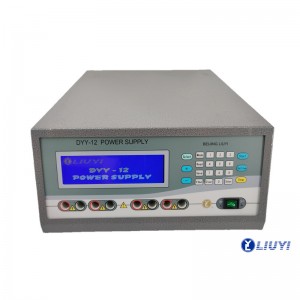
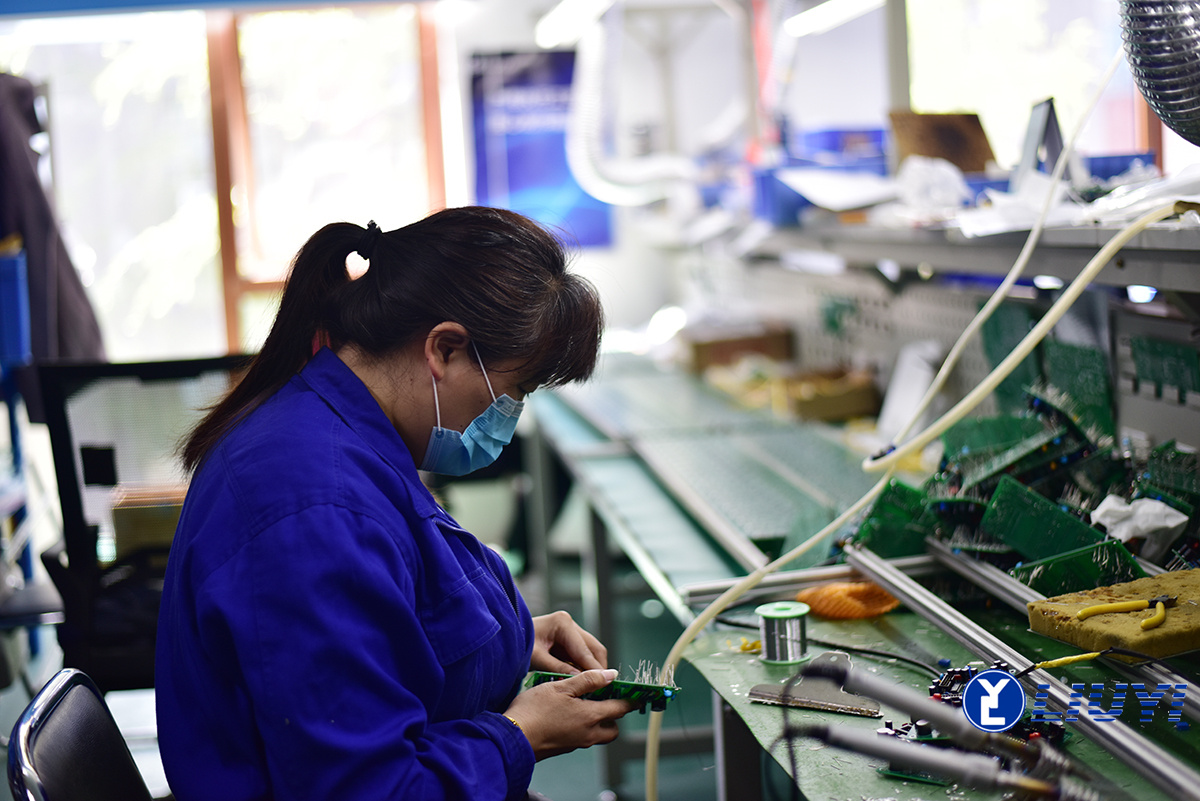
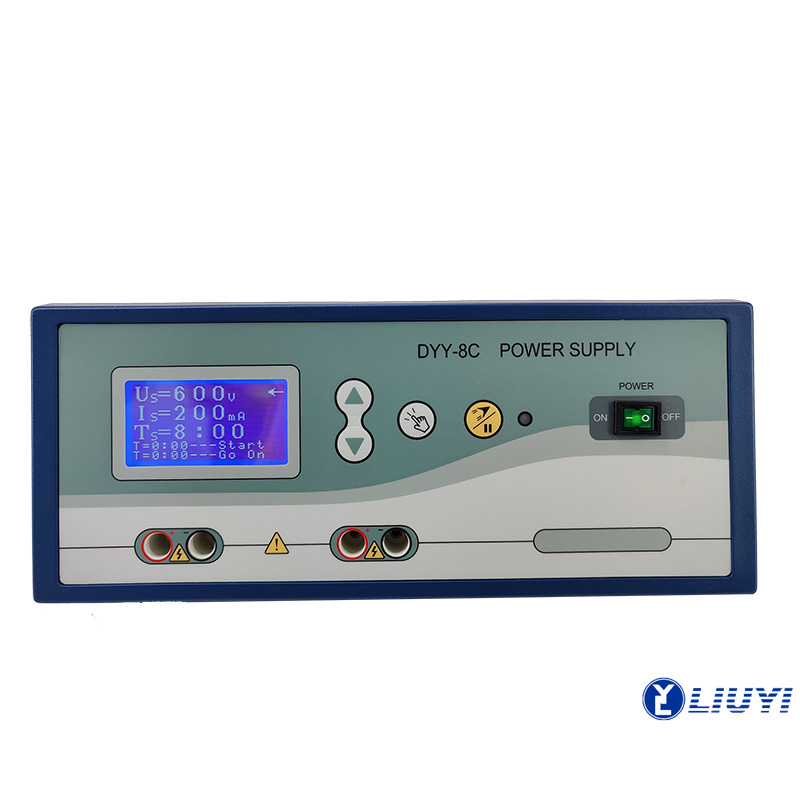
Liuyi has specialized in manufacturing electrophoresis instruments for more than 50 years with our own professional technical team and R&D center. We have reliable and complete production line from design to inspection, and warehouse, as well as marketing support. Our main products are Electrophoresis Cell (tank/chamber), Electrophoresis Power Supply, Blu LED Transilluminator, UV Transilluminator, Gel Image & Analysis System etc. According to your requirements, we can provide customized service for you.
Certificates & Awards
Certificate
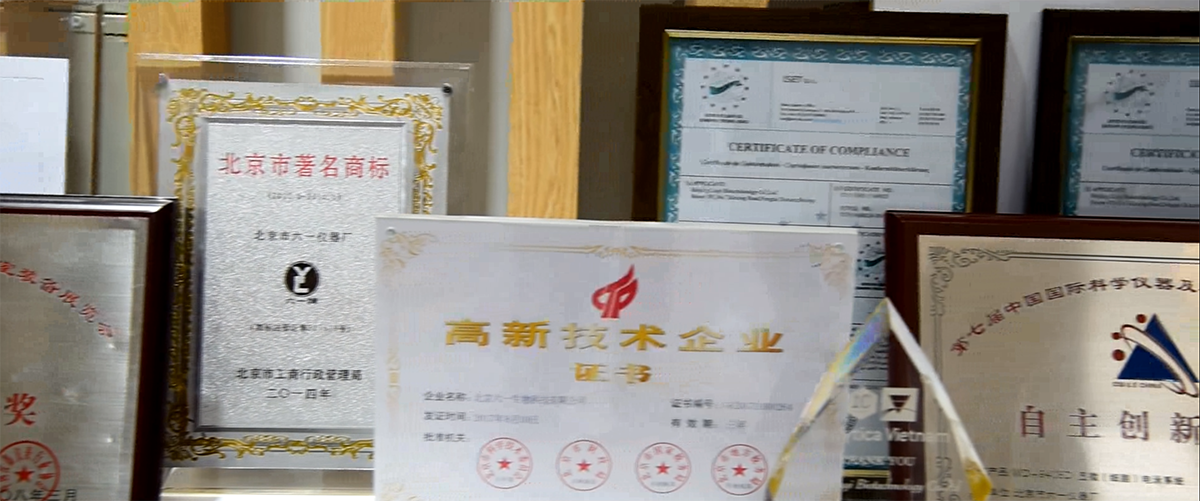
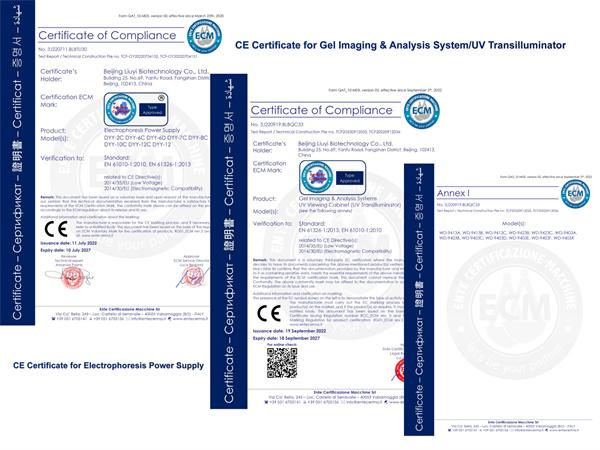
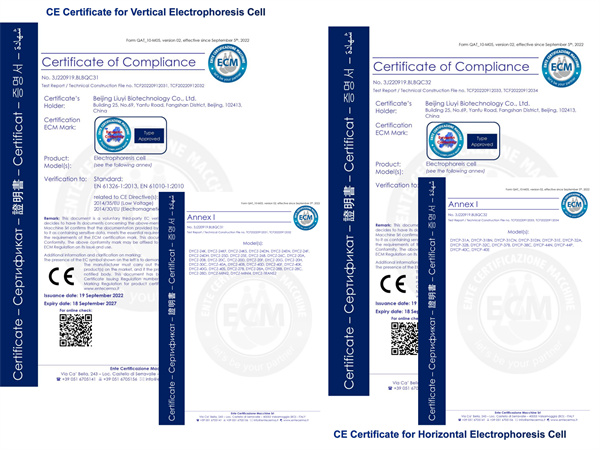
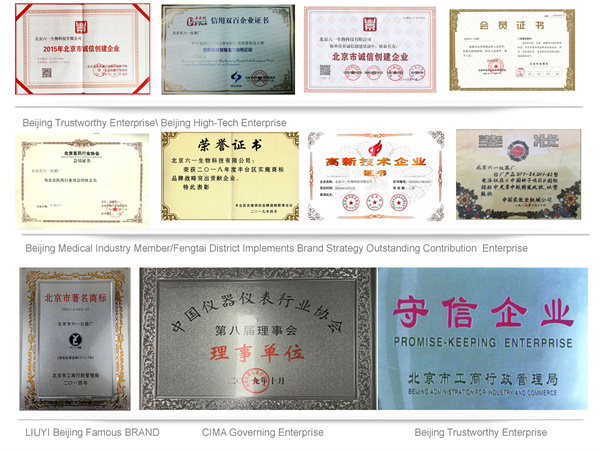
Liuyi has been awarded variety certificates and enterprise qualifications along with its high reputation in industry. We are ISO 9001 & ISO 13485 certified company and some of our products have CE certificates. Since 2003, Liuyi as the only medical device manufacturer in Beijing medical industry has been awarded as "PROMISE-KEEPING ENTERPRISE" by Beijing Administration for Industry and Commerce.
In 2008, Liuyi is honored as the famous trademark of Beijing. Our trademark is under the protection of Madrid Protocol in 7 countries including the United States, the United Kingdom, Japan, South Korea, Singapore, Greece, and Zambia in 2005, as well we have registered our trademark in India and Vietnam.
- ISO9001, ISO13485 Double Certified Enterprise
- National High-tech Enterprise
- Three main products passed CE certification
- LIUYI Beijing Famous BRAND
- The Drafting Enterprise for pharmaceutical industry standards and national standards
- First Class Medical Device Filled Certificate
- China Utility Model Patent Certificate
- Japanese and American Patents
- India and Vietnam Registered Trademark
- Beijing Trustworthy Enterprise
- CIMA Governing Enterprise
- Undertake China Torch Plan Program

Based on life science and biotechnology industry, with excellent reputation, we offer reliable quality products and good service to our customers in China and overseas. We are the key supplier for the government purchase projects, and we have nearly 2000 dealers in China. Our products have been exported to more than ten countries including America, Brazil, Mexico, India, Africa, Chile, Singapore etc. We are dedicated to offering our products throughout the world.
More Electrophoresis Tank Products for Protein Testing
Explore our complete range of precision electrophoresis instruments for comprehensive protein testing and analysis.
-

Phone
-

E-mail
-

Whatsapp
-

Top