


PCR Detection Electrophoresis Systems
Professional electrophoresis instruments purpose-built for PCR amplicon verification, DNA fragment analysis, and molecular biology workflows.
What Is Electrophoresis? The Core Meaning in PCR Detection
Electrophoresis is a fundamental analytical technique used in molecular biology to separate charged molecules — primarily DNA, RNA, and proteins — through a gel matrix under the influence of an electric field. In the context of PCR (Polymerase Chain Reaction) detection, electrophoresis serves as the gold-standard method for visually confirming and sizing PCR amplification products.
The term "electrophoresis" derives from the Greek words for "electric" and "to carry." When a biological sample is loaded into a porous gel — most commonly agarose for nucleic acids or polyacrylamide for proteins — and subjected to direct current, molecules migrate at different rates based on their size, charge, and shape. Smaller DNA fragments travel faster and farther through the gel matrix, while larger fragments lag behind, producing distinct, interpretable band patterns.
Why Electrophoresis Is Essential for PCR Validation
After PCR amplification, gel electrophoresis verifies the presence, size, and specificity of the amplified DNA product. It is an indispensable quality-control step in diagnostics, research, and forensic applications worldwide.
In PCR detection workflows, the most common approach is agarose gel electrophoresis. A typical 1–2% agarose gel stained with ethidium bromide or safer modern dyes such as SYBR Safe enables researchers to confirm whether a target sequence was successfully amplified. The resulting DNA bands, visualized under UV or blue LED transillumination, reveal both the expected amplicon size and any non-specific products or primer-dimers.
The meaning of electrophoresis in this context, therefore, extends beyond mere separation — it represents verification, quality assurance, and diagnostic confidence in the molecular workflow.
How Electrophoresis Works in the PCR Detection Pipeline
Step-by-Step Process
- PCR Amplification: Target DNA sequences are exponentially amplified using thermostable polymerase, primers, and nucleotide building blocks across multiple thermal cycles.
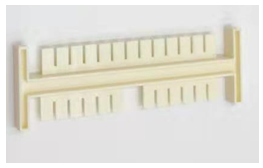
- Gel Preparation: Agarose powder is dissolved in buffer (typically TAE or TBE), stained with intercalating dye, and poured into an electrophoresis mold with sample wells formed by a comb.
- Sample Loading: PCR products mixed with loading dye are pipetted into individual wells alongside a DNA molecular weight ladder for size reference.
- Electrophoresis Run: Direct current is applied across the gel, causing negatively charged DNA fragments to migrate toward the positive electrode. Run conditions (voltage, time) vary by gel concentration and fragment size range.
- Visualization: The gel is placed on a UV or blue LED transilluminator where fluorescent dye-stained DNA bands become visible. Images are captured with a gel documentation system for analysis and record-keeping.
- Interpretation: Band position relative to the DNA ladder confirms amplicon size; band intensity reflects amplification efficiency; additional or absent bands indicate non-specific amplification or reaction failure.
Critical Parameter: Voltage & Resolution
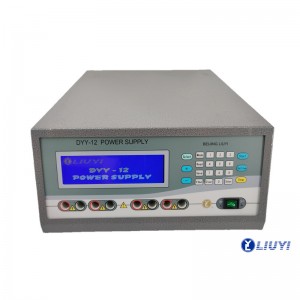
Running gels at 5–10 V/cm provides optimal resolution for most PCR products (100 bp – 3 kb). Higher voltages increase speed but generate heat that may distort band patterns. Precision power supplies with constant voltage output are critical for reproducible electrophoresis results.
Deep Application Scenarios of Electrophoresis in PCR Detection
From clinical diagnostics to agricultural genomics, electrophoresis-based PCR detection drives breakthroughs across industries.
Clinical & Medical Diagnostics
Electrophoresis following RT-PCR confirms pathogen detection in infectious disease testing — including viruses, bacteria, and fungi — enabling rapid clinical decisions in hospitals and diagnostic labs.
Genetic Disease Screening
PCR-electrophoresis panels detect mutations and deletions associated with hereditary conditions such as cystic fibrosis, sickle cell anemia, and chromosomal abnormalities in newborn screening programs.
Agricultural GMO Testing
Regulatory food safety labs use PCR gel electrophoresis to confirm the presence or absence of genetically modified sequences in crop samples, ensuring compliance with international trade standards.
Environmental Monitoring
Environmental scientists detect microbial communities, invasive species, and water-borne pathogens using eDNA PCR protocols validated by agarose gel electrophoresis.
Forensic DNA Profiling
STR (Short Tandem Repeat) PCR products are resolved by capillary electrophoresis for forensic identification, paternity testing, and criminal investigations with high sensitivity and discrimination power.
Pharmaceutical QC
Biopharmaceutical manufacturers employ PCR electrophoresis to verify cell line identity, detect mycoplasma contamination, and validate viral safety testing in biologics production pipelines.
Veterinary & Food Safety
Livestock disease surveillance programs rely on PCR with gel verification to detect pathogens such as foot-and-mouth disease virus, avian influenza, and African swine fever, protecting food supply chains globally.
Academic Research
University and institutional research laboratories use PCR electrophoresis daily for gene cloning, site-directed mutagenesis verification, library construction QC, and CRISPR editing confirmation.
Commercial & Industrial Landscape of Electrophoresis for PCR Detection
The global gel electrophoresis market — intimately linked to PCR-based diagnostics — was valued at over USD 1.2 billion in 2023 and is projected to exceed USD 2.1 billion by 2032, driven by the expanding molecular diagnostics sector, increased genomics research funding, and the post-pandemic acceleration of infectious disease testing infrastructure.
Key Market Drivers
- Rising global demand for molecular diagnostic testing following COVID-19
- Expanding genomics, proteomics, and precision medicine research
- Increasing agricultural biotech investment in GMO and pathogen screening
- Government-funded national biobank and epidemiological surveillance programs
- Growth of contract research organizations (CROs) and outsourced drug development
Industry Segments Driving Electrophoresis Adoption
Hospitals and reference laboratories represent the largest end-user segment, accounting for approximately 40% of electrophoresis instrument demand. Academic and research institutes follow at around 30%, with pharmaceutical and biotech companies capturing 20%. Environmental testing and food safety labs account for the remaining 10% but are the fastest-growing segment year-over-year.
Development Trends: The Future of Electrophoresis in PCR Detection
Technological innovation is reshaping how electrophoresis integrates with PCR detection across research, diagnostics, and industrial quality control.
AI-Powered Gel Analysis
Machine learning algorithms now automate band detection, quantification, and anomaly flagging in gel images, dramatically reducing manual interpretation time and human error in high-throughput PCR validation labs.
Microfluidic Electrophoresis
Lab-on-chip and capillary electrophoresis platforms miniaturize the separation process, enabling faster results (minutes vs. hours), lower reagent consumption, and integration with portable PCR devices for field diagnostics.
Cloud-Connected Documentation
Next-generation gel imaging systems transmit results directly to laboratory information management systems (LIMS) via cloud connectivity, enabling remote result review, audit trails, and real-time quality monitoring.
Safer Staining Technologies
The transition from ethidium bromide to non-mutagenic, blue-light-compatible stains (SYBR Safe, GelRed, etc.) is accelerating, paired with blue LED transilluminator technology that eliminates UV hazards in routine PCR gel analysis.
Automation & High-Throughput Systems
Industrial biotech and large clinical labs increasingly adopt automated electrophoresis systems capable of processing 96-well to 384-well PCR plate formats with robotic sample loading and integrated imaging.
Integration with NGS Workflows
Even as next-generation sequencing advances, agarose gel electrophoresis remains a critical QC checkpoint for library size verification, adapter ligation confirmation, and fragment distribution assessment before sequencing runs.
Types of Electrophoresis Used in PCR-Based Detection
1. Agarose Gel Electrophoresis (AGE)
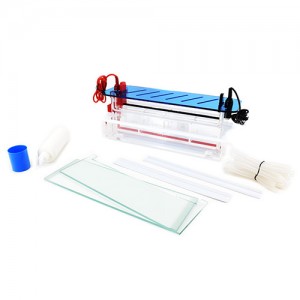
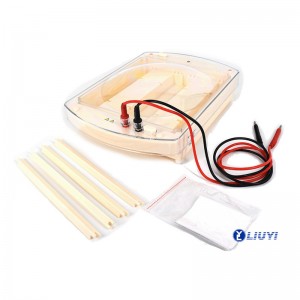
The most widely used technique for PCR product analysis. Agarose concentration (0.8%–3%) is selected based on expected amplicon size. Ideal for DNA fragments from 100 bp to 50 kb. Compatible with standard horizontal electrophoresis tanks and simple power supplies, making it accessible to virtually all molecular biology labs worldwide.
2. Polyacrylamide Gel Electrophoresis (PAGE)
Offers superior resolution for small DNA fragments (10–1000 bp), making it ideal for allele-specific PCR, SSR marker analysis, and SSCP (Single-Strand Conformation Polymorphism) studies. Used extensively in plant breeding, forensics, and population genetics research.
3. Pulsed-Field Gel Electrophoresis (PFGE)
Specialized technique for separating very large DNA molecules (up to several megabases) that cannot be resolved by conventional AGE. Critical for epidemiological typing of bacterial isolates in outbreak investigations and for genomic mapping applications.
4. Capillary Electrophoresis (CE)
High-throughput, automated separation in narrow glass capillaries filled with polymer gel. The standard platform for STR-based DNA profiling in forensics and for fragment analysis (sizing of fluorescently labeled PCR products). Enables multiplexed detection of dozens of loci simultaneously.
5. Microchip Electrophoresis
Emerging technology integrating PCR amplification and electrophoretic separation on a single microfluidic chip. Reduces total assay time to under 30 minutes and enables point-of-care PCR detection outside traditional laboratory settings — a rapidly growing area in pandemic preparedness and remote diagnostics.
Our Company
Beijing Liuyi Biotechnology Co., Ltd., formerly known as Beijing Liuyi Instrument Factory, established in 1970, is a national high technology enterprise with a long history. It is a leading and the biggest manufacturer in electrophoresis instrument for life science laboratories in China.
Based on the life science and biotechnology industries, our main products always remain at the domestic industry leading position and are well-known in the industry, exported to other countries and areas. We have our own R&D team, open to scientific research innovation, market development first, industry and combined with the development — the economic scale of our company has seen rapid growth for several years.
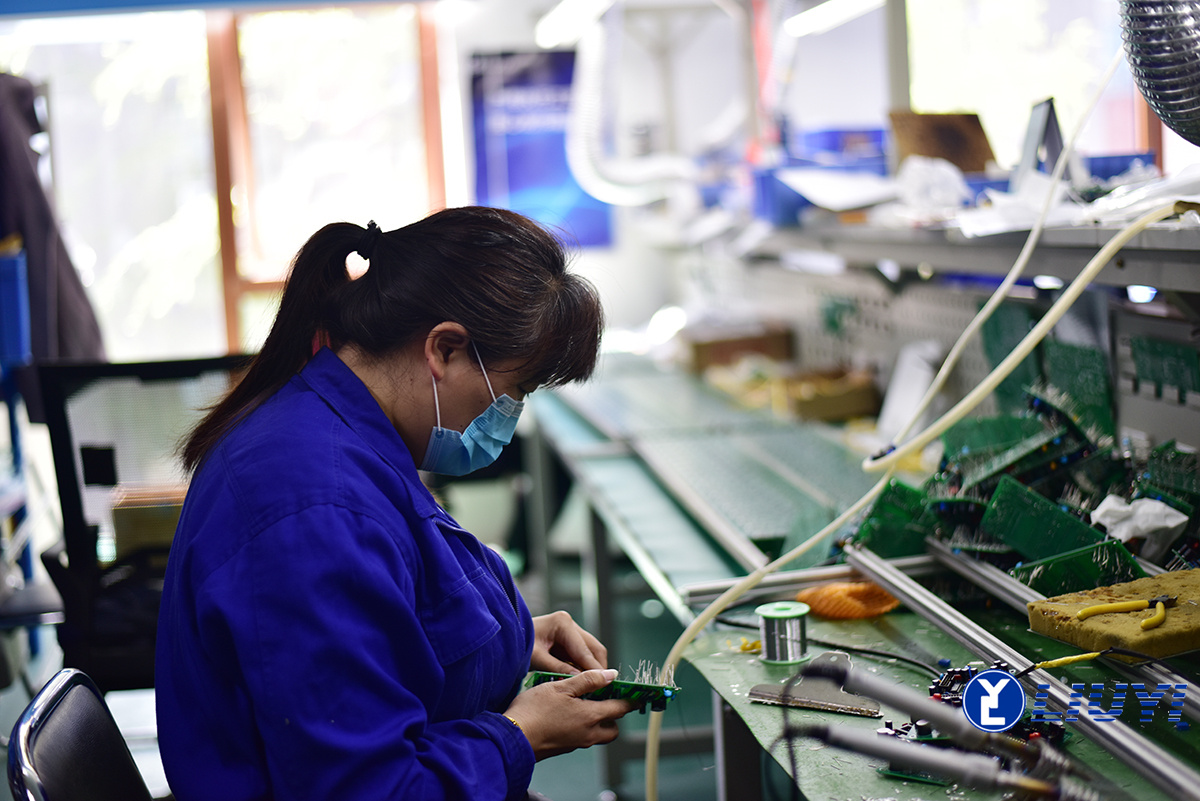
Our Team
Liuyi has specialized in manufacturing electrophoresis instruments for more than 50 years with our own professional technical team and R&D center. We have reliable and complete production lines from design to inspection, warehousing, as well as marketing support.
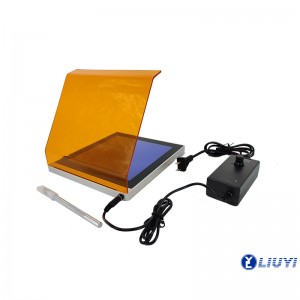
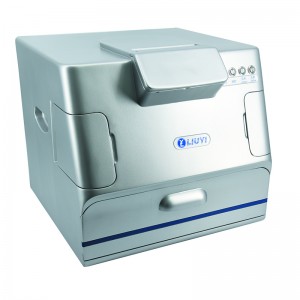
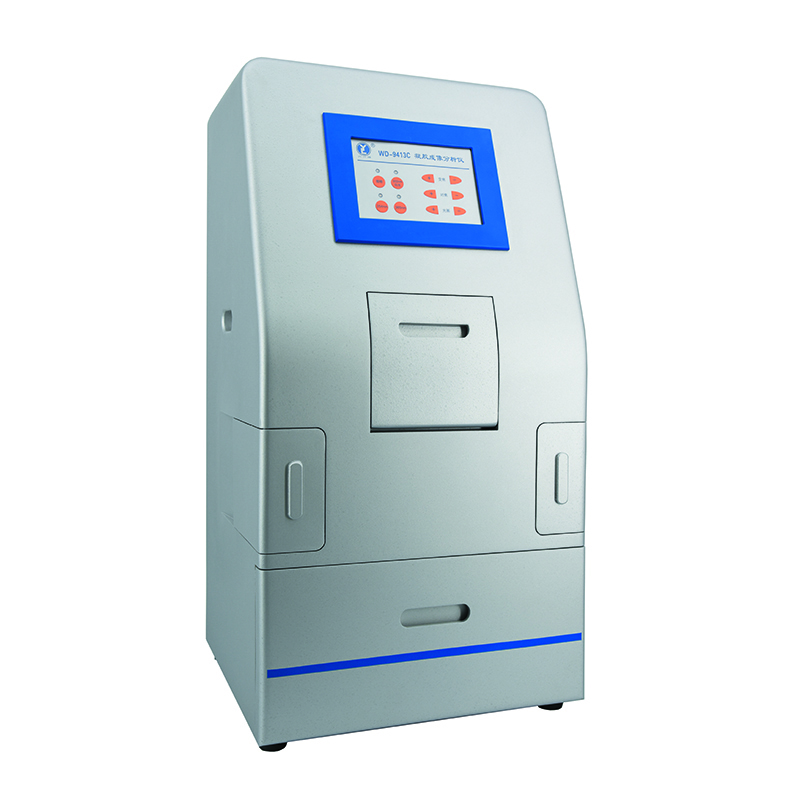
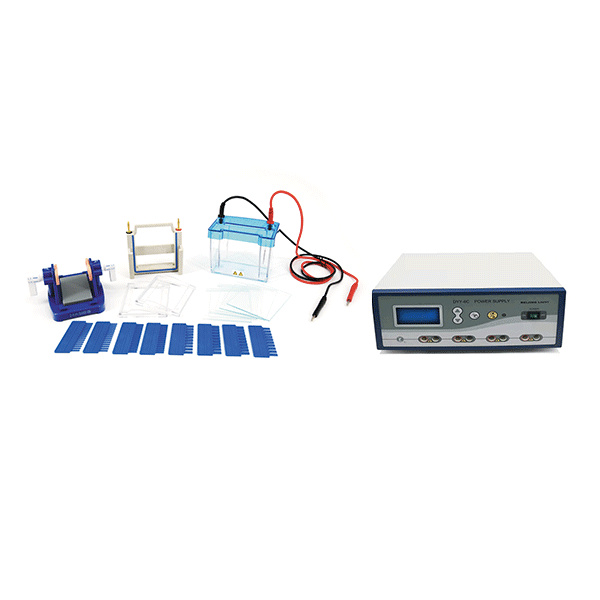
Our main products include: Electrophoresis Cell (tank/chamber), Electrophoresis Power Supply, Blue LED Transilluminator, UV Transilluminator, Gel Image & Analysis System, and more. According to your requirements, we can provide customized service for you.
Industry Leadership Since 1970
With over five decades of focused expertise in electrophoresis technology, Liuyi's commitment to innovation ensures customers in PCR detection workflows receive instruments engineered for precision, reproducibility, and long-term reliability.
Certificate & Company Awards
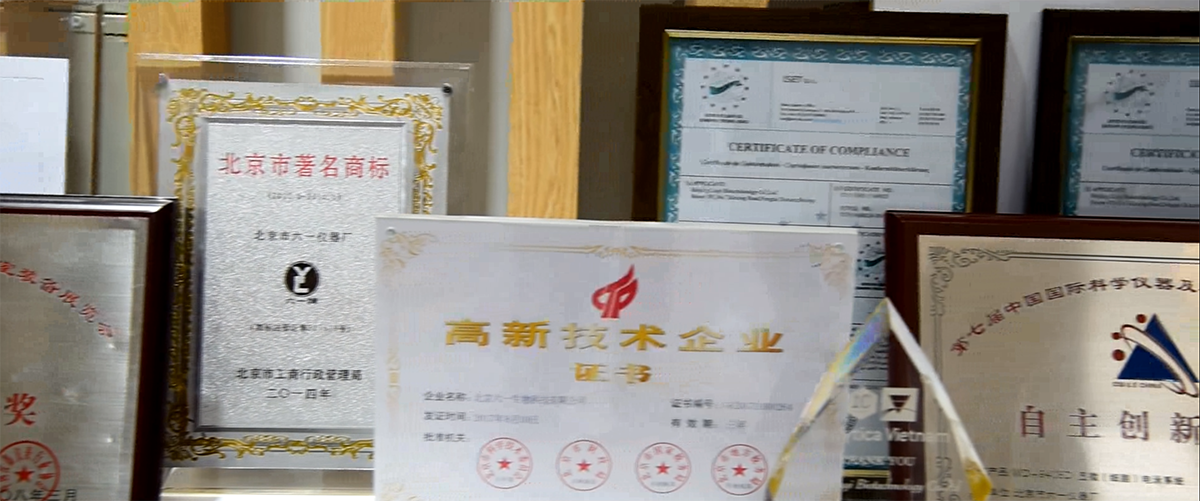
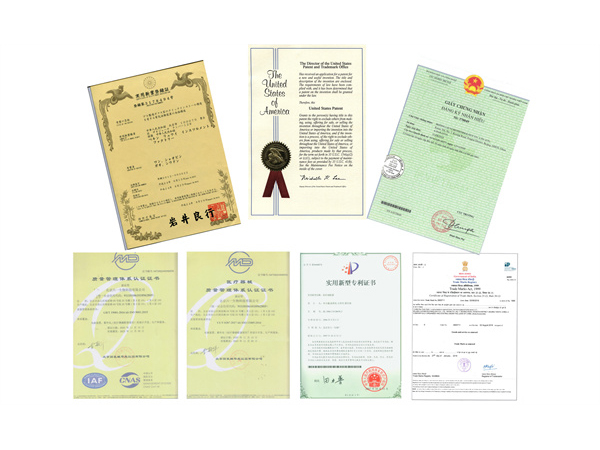
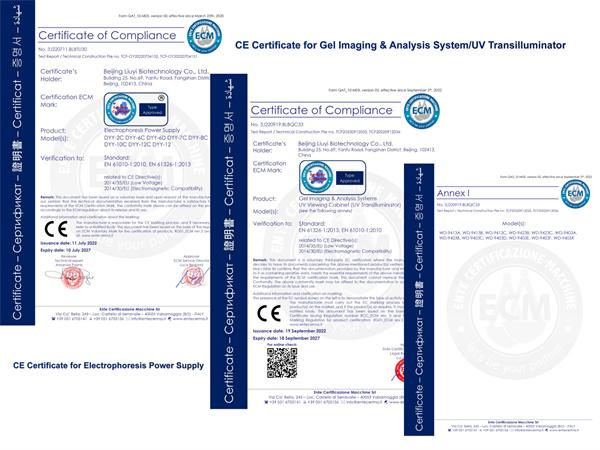
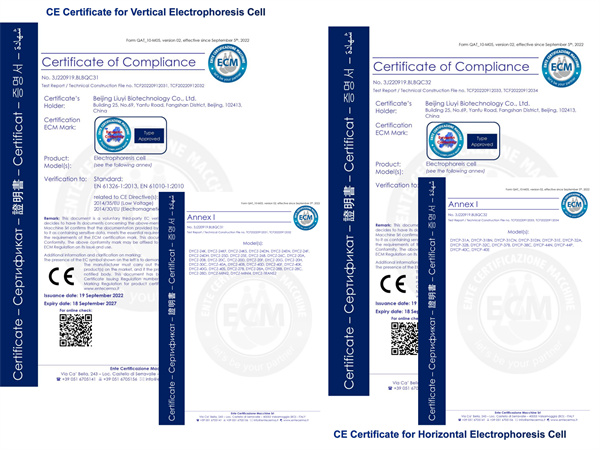
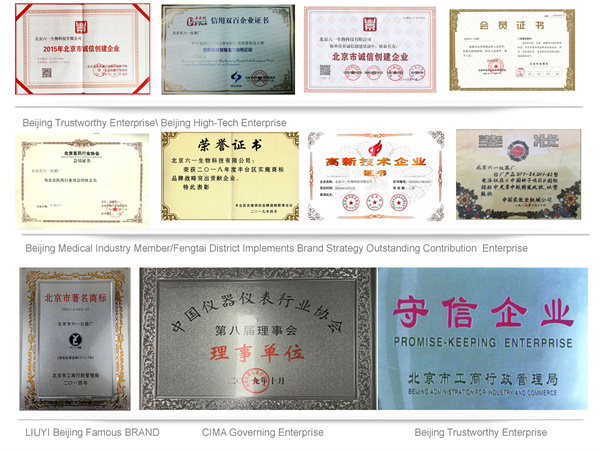
Liuyi has been awarded variety certificates and enterprise qualifications along with its high reputation in the industry. We are ISO 9001 & ISO 13485 certified company and some of our products have CE certificates. Since 2003, Liuyi as the only medical device manufacturer in Beijing medical industry has been awarded as "PROMISE-KEEPING ENTERPRISE" by Beijing Administration for Industry and Commerce.
In 2008, Liuyi was honored as a famous trademark of Beijing. Our trademark is under the protection of the Madrid Protocol in 7 countries including the United States, the United Kingdom, Japan, South Korea, Singapore, Greece, and Zambia since 2005, as well we have registered our trademark in India and Vietnam.
Based on life science and biotechnology industry, with excellent reputation, we offer reliable quality products and good service to our customers in China and overseas. We are the key supplier for government purchase projects, and we have nearly 2000 dealers in China. Our products have been exported to more than ten countries including America, Brazil, Mexico, India, Africa, Chile, Singapore etc.
Company Awards & Certificates
- ● ISO9001, ISO13485 Double Certified Enterprise
- ● National High-tech Enterprise
- ● Three main products passed CE certification
- ● LIUYI Beijing Famous BRAND
- ● The Drafting Enterprise for pharmaceutical industry standards and national standards
- ● First Class Medical Device Filled Certificate
- ● China Utility Model Patent Certificate
- ● Japanese and American patents
- ● India and Vietnam registered trademark
- ● Beijing Trustworthy Enterprise
- ● CIMA Governing Enterprise
- ● Undertake China Torch plan program
Main Products for PCR Detection & Electrophoresis
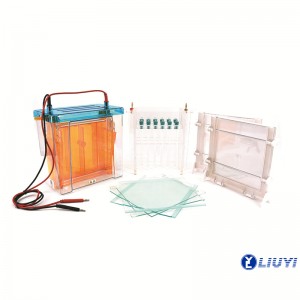
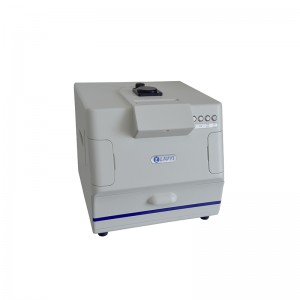
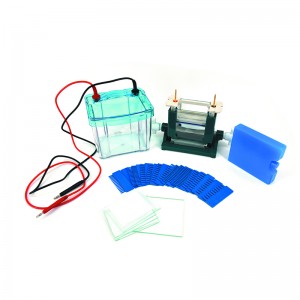
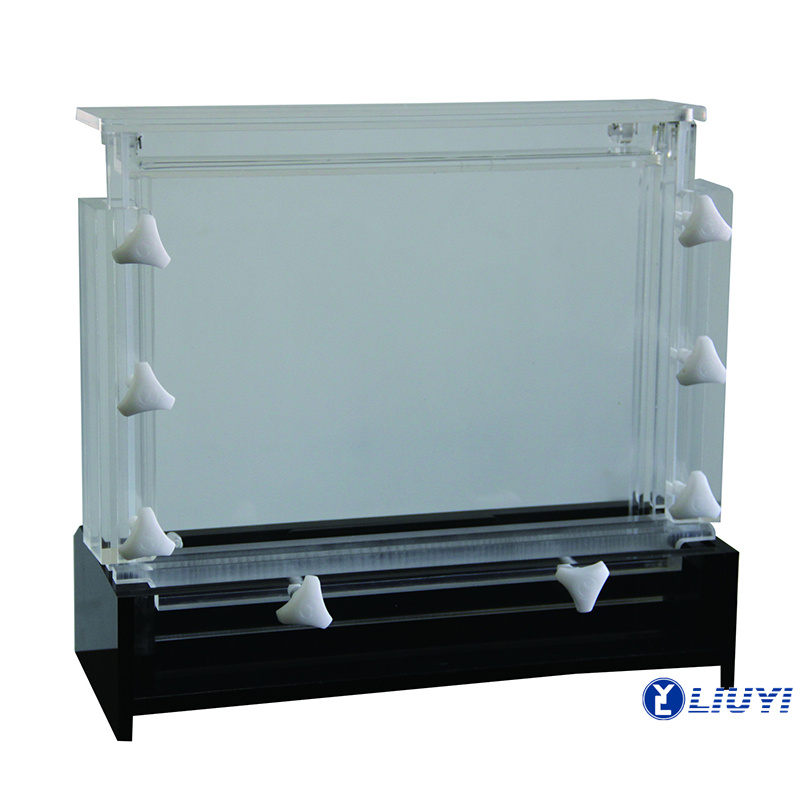
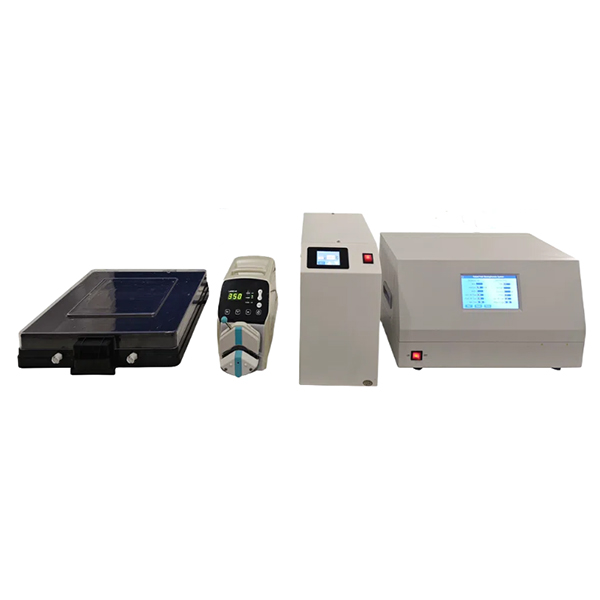
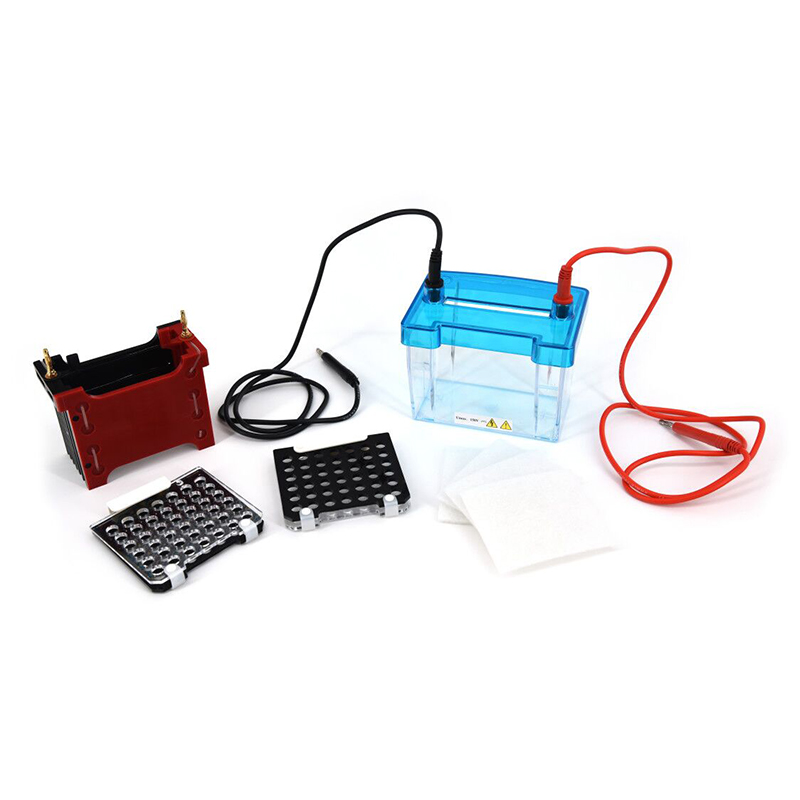
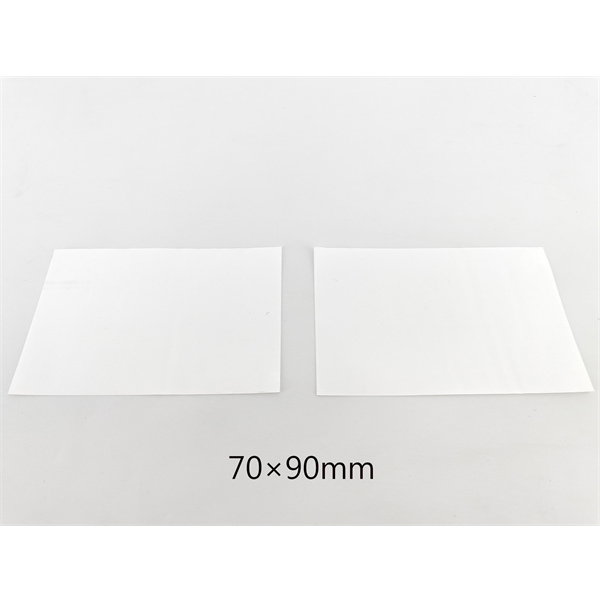
Beijing Liuyi Biotechnology Co., Ltd has launched new products for protein analysis, western blotting and gel observation. DYCZ-MINI series are fully compatible with the main international brands, and can run up to four precast or handcast polyacrylamide gels. The trans-blot module of DYCZ-TRANS2 is compatible with the chamber of DYCZ-MINI series. The WD-9403B can observe gel for nucleic acid electrophoresis. These new products are all durable, versatile, and easy to assemble. Welcome to contact us for more details!
Featured PCR Detection Electrophoresis Product Series


Complete PCR Detection Electrophoresis Product Line
Explore our full range of electrophoresis solutions designed for every stage of your PCR detection and molecular biology workflow.
-

Phone
-

E-mail
-

Whatsapp
-

Top