


RNA Analysis Electrophoresis Solutions
Professional instruments engineered for accurate RNA gel electrophoresis workflows — from sample preparation to high-resolution band detection.
What Is DNA Gel Electrophoresis for RNA Analysis?
DNA gel electrophoresis is a foundational molecular biology technique that separates nucleic acid fragments based on size and charge through a porous agarose or polyacrylamide matrix under an applied electric field. While the name references DNA, the same principles — and often the same instrumentation — are used extensively for RNA analysis. When adapted for RNA, the method offers researchers a powerful means of evaluating RNA integrity, quantifying transcript populations, and verifying in-vitro transcription outcomes.
In RNA analysis workflows, a critical modification is required: because RNA is highly susceptible to degradation by ubiquitous ribonucleases (RNases), and because RNA can form complex secondary structures that alter migration, denaturing gel electrophoresis is preferred. This involves incorporating formaldehyde or glyoxal into the gel and running buffer, unfolding RNA secondary structures to ensure that migration is purely size-dependent and bands are sharp and interpretable.
Standard agarose gel electrophoresis (non-denaturing) is still commonly used for quick integrity checks — for example, confirming that ribosomal RNA bands (28S and 18S in eukaryotes) appear as sharp, distinct bands with the 28S band approximately twice the intensity of the 18S band. The ratio of these bands is an indicator of RNA integrity, a parameter that directly determines whether downstream applications such as RT-PCR, RNA-seq, microarray analysis, or northern blotting will yield reliable results.
Why RNA Integrity Matters in Modern Genomics
With the rapid expansion of transcriptomics, single-cell RNA sequencing, and mRNA-based therapeutics, the quality of RNA samples has become more critical than ever. Degraded or fragmented RNA can lead to biased libraries in sequencing experiments, underestimation of transcript abundance, and ultimately erroneous biological conclusions. Gel electrophoresis serves as the first and most accessible checkpoint in the RNA quality control pipeline — providing a visual, real-time assessment before investing in expensive downstream analyses.
Researchers routinely run total RNA extracts, mRNA preparations, small RNA fractions (such as miRNA and siRNA), and in-vitro transcribed RNA on agarose gels to verify fragment size distribution, confirm absence of genomic DNA contamination, and ensure sample integrity. In clinical and diagnostic laboratories, the quality of patient-derived RNA — extracted from blood, tissue biopsies, FFPE samples, or liquid biopsies — is assessed by gel electrophoresis to determine suitability for diagnostic gene expression profiling.
Core Advantages of Gel Electrophoresis in RNA Workflows
Rapid Integrity Verification
Visualize ribosomal RNA band ratios and total RNA fragment profiles within 30–60 minutes, far faster than capillary electrophoresis instruments in many settings.
High Resolving Power
By selecting appropriate agarose concentrations (1–2.5%) or polyacrylamide gels (6–15%), researchers can resolve RNA fragments from under 50 nt to over 10 kb with exceptional clarity.
Cost-Effective at Scale
Gel electrophoresis systems offer unmatched cost-per-sample efficiency for high-throughput labs running tens to hundreds of RNA quality checks per day compared to microfluidic chip-based alternatives.
Multi-Application Flexibility
The same instrument can be configured for DNA analysis, RNA QC, protein separation (with different gel chemistry), and northern blotting transfer — maximizing laboratory ROI.
Compatibility with All RNA Types
From large mRNA transcripts and ribosomal RNA to small non-coding RNAs (miRNA, siRNA, snRNA), gel electrophoresis can be optimized to analyze the full spectrum of RNA molecule classes.
Quantitative Band Analysis
Paired with gel imaging systems, densitometric analysis enables semi-quantitative RNA concentration estimates and integrity scoring, supporting standardized QC reporting.
Deep-Dive: RNA Analysis Application Scenarios
Gel electrophoresis for RNA analysis spans a remarkable breadth of industries and research contexts. Below are the most critical application scenarios driving demand in today's market.
mRNA Therapeutic QC
RNA-Seq Library Preparation QC
Clinical Molecular Diagnostics
Agricultural & Plant Genomics
In-Vitro Transcription (IVT) Verification
Small RNA & ncRNA Analysis
Commercial & Industrial Market Status
The global electrophoresis market continues to expand, driven by pharmaceutical R&D, academic genomics, and the rise of precision medicine diagnostics.
The RNA analysis segment is one of the fastest-growing sub-sectors within the broader electrophoresis equipment market. The biopharmaceutical industry's pivot toward nucleic acid-based medicines — mRNA vaccines, RNA interference therapies, antisense oligonucleotides, and CRISPR-based gene editing tools — has substantially elevated demand for robust, scalable RNA QC infrastructure. Manufacturing facilities for these products now require gel electrophoresis systems not just in research labs but on the production floor as part of validated quality control protocols.
Simultaneously, the democratization of RNA sequencing technology has expanded RNA gel electrophoresis use into smaller academic labs, hospital-based research centers, and contract research organizations (CROs). As sequencing costs continue to fall, the volume of RNA samples requiring quality verification before sequencing runs has grown proportionally, driving sustained demand for agarose gel electrophoresis systems worldwide.
China, in particular, has emerged as a major manufacturing hub and consumer market for electrophoresis instruments. Domestic companies with deep expertise in electrophoresis hardware — such as Beijing Liuyi Biotechnology — are well-positioned to supply this growing demand with high-quality, cost-competitive alternatives to Western instrument brands.
Future Development Trends in RNA Gel Electrophoresis
-
🤖
AI-Powered Gel Image Analysis: Machine learning algorithms are being integrated into gel documentation systems to automatically detect bands, calculate RNA integrity scores, identify degradation patterns, and generate standardized QC reports — reducing operator subjectivity and improving reproducibility across labs.
-
⚗️
Microfluidic Chip Integration: While traditional slab gel systems remain dominant for throughput and cost, microfluidic capillary electrophoresis chips (such as Bioanalyzer-style platforms) are increasingly used alongside gel systems. The trend is toward hybrid workflows where gel electrophoresis screens bulk samples and chip-based systems provide detailed RIN scoring for select samples.
-
🌐
Connected Lab & IoT-Enabled Instruments: Next-generation electrophoresis power supplies and imaging systems are incorporating Wi-Fi and Ethernet connectivity, cloud-based data storage, and remote monitoring capabilities — enabling lab managers to oversee multiple gel runs simultaneously and maintain electronic audit trails for GMP compliance.
-
♻️
Safer Staining Chemistry: The transition from ethidium bromide (a potent mutagen) to safer fluorescent stains such as SYBR Safe, GelRed, and GelGreen continues to accelerate, driven by laboratory safety regulations and environmental disposal concerns. Instrument manufacturers are optimizing UV and blue LED transillumination systems to deliver maximum sensitivity with these safer dyes.
-
📱
Miniaturized & Portable Systems: Field-deployable miniaturized gel electrophoresis systems are gaining traction for point-of-care diagnostics, environmental monitoring, and resource-limited settings where rapid RNA analysis is needed without access to centralized laboratory infrastructure.
-
🏭
High-Throughput Automation for GMP Manufacturing: As mRNA therapeutic manufacturing scales up, gel electrophoresis stations are being integrated into automated robotic liquid handling platforms and inline QC systems capable of processing dozens of RNA samples per hour with minimal manual intervention — a critical advancement for commercial-scale nucleic acid medicine production.
Technical Protocol: Running RNA on Agarose Gels
Successfully running RNA gel electrophoresis requires careful attention to RNase contamination prevention, denaturing conditions, and gel preparation. The following protocol overview applies to the most common scenario — denaturing formaldehyde agarose gel electrophoresis for total RNA integrity analysis:
1. Gel Preparation
Prepare a 1–1.2% agarose gel in MOPS running buffer containing formaldehyde (2.2 M final concentration). After cooling to approximately 50°C, pour into a clean gel tray with RNase-free combs and allow to solidify completely. Rinse the gel in MOPS buffer for 30 minutes before loading to equilibrate.
2. Sample Denaturation
Mix RNA samples (typically 1–5 μg total RNA) with denaturing loading buffer containing formamide, formaldehyde, MOPS buffer, and an intercalating stain or tracking dye. Heat samples at 65–70°C for 5–10 minutes to fully denature secondary structures, then immediately chill on ice before loading onto the gel.
3. Electrophoresis Run
Load RNA ladder and denatured samples into wells. Connect the electrophoresis cell to a power supply and run at 5–7 V/cm for 1–2 hours until the dye front has migrated approximately 80% of the gel length. Consistent voltage delivery is critical — this is where a high-quality, stable electrophoresis power supply such as the Electrophoresis Power Supply DYY-10C makes a measurable difference in band sharpness and reproducibility.
4. Visualization & Documentation
After electrophoresis, stain the gel (if not using pre-stained dyes) with a safe intercalating dye and visualize under UV or blue LED transillumination. Document the gel image using a gel imaging system. A high-quality RNA preparation shows two sharp ribosomal RNA bands (28S and 18S in eukaryotes, or 23S and 16S in prokaryotes) with no smearing, which would indicate degradation.
RNA Integrity Scoring
The resulting gel image is evaluated qualitatively and, with appropriate imaging software, quantitatively. The 28S:18S band intensity ratio should be approximately 2:1 for intact eukaryotic total RNA. Any smearing below the 18S band, absence of discrete bands, or a diffuse low-molecular-weight smear indicates partial or complete RNA degradation, and such samples should not proceed to downstream applications.
Our Company
Beijing Liuyi Biotechnology Co., Ltd., formerly known as Beijing Liuyi Instrument Factory, established in 1970, is a national high technology enterprise with a long history. It is a leading and the biggest manufacturer in electrophoresis instrument for life science laboratories in China.
Based on the life science and biotechnology industries, our mainly products always in the domestic industry leading firm and well-known in the industry, exported to other countries and areas. We have our own R&D team, open to scientific research innovation, market development first, industry and combined with the development, the economic scale of our company have rapid growth for several years.
Our Team
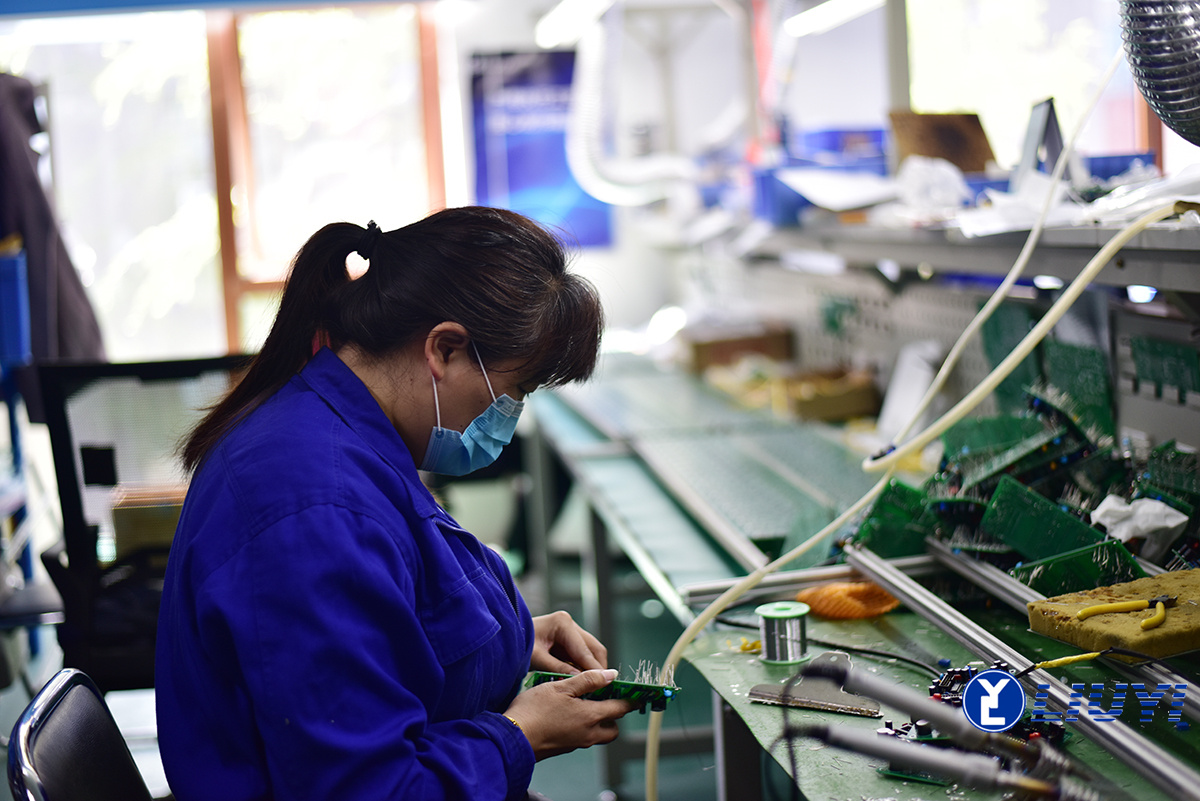
Liuyi has specialized in manufacturing electrophoresis instruments for more than 50 years with our own professional technical team and R&D center. We have reliable and complete production line from design to inspection, and warehouse, as well as marketing support. Our main products are Electrophoresis Cell (tank/chamber), Electrophoresis Power Supply, Blu LED Transilluminator, UV Transilluminator, Gel Image & Analysis System etc. According to your requirements, we can provide customized service for you.
Certificate
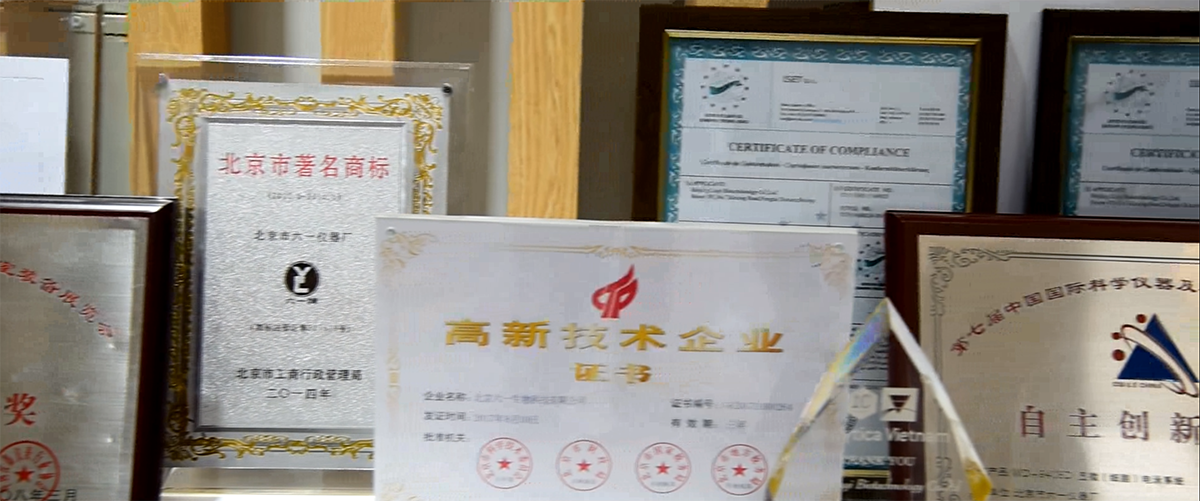
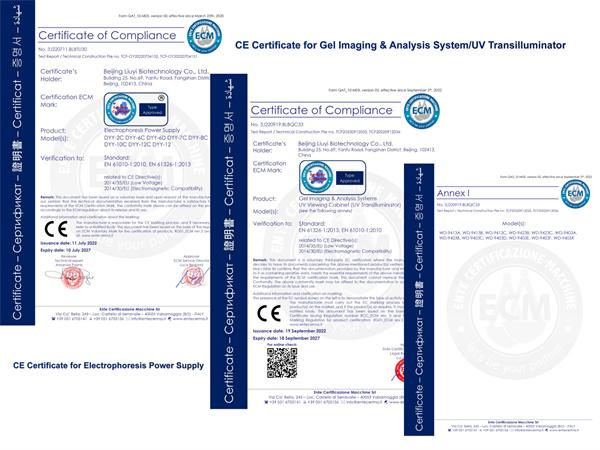
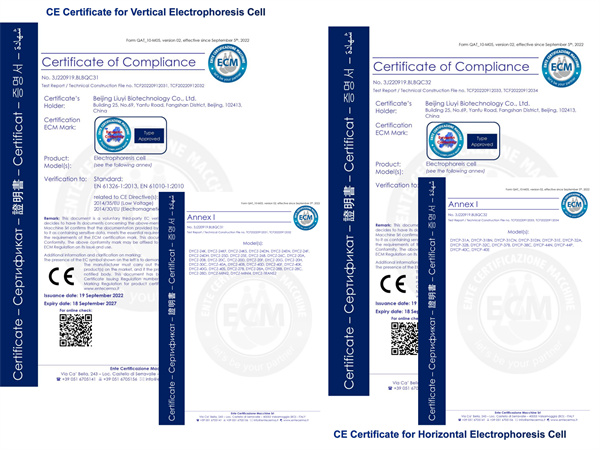
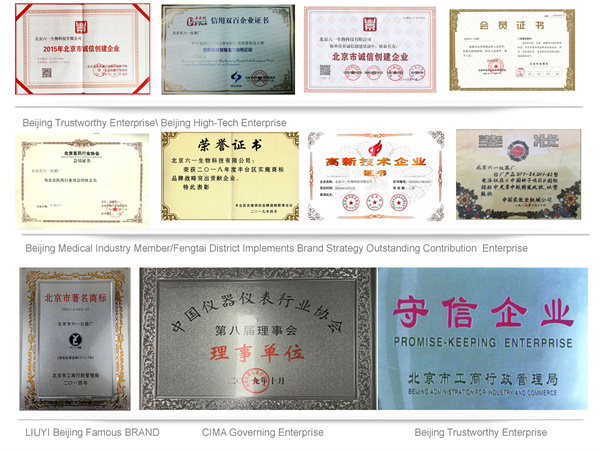
Liuyi has been awarded variety certificates and enterprise qualifications along with its high reputation in industry. We are ISO 9001 & ISO 13485 certified company and some of our products have CE certificates. Since 2003, Liuyi as the only medical device manufacturer in Beijing medical industry has been awarded as "PROMISE-KEEPING ENTERPRISE" by Beijing Administration for Industry and Commerce.
In 2008, Liuyi is honored as the famous trademark of Beijing. Our trademark is under the protection of Madrid Protocol in 7 countries including the United States, the United Kingdom, Japan, South Korea, Singapore, Greece, and Zambia in 2005, as well we have registered our trademark in India and Vietnam.
Based on life science and biotechnology industry, with excellent reputation, we offer reliable quality products and good service to our customers in China and overseas. We are the key supplier for the government purchase projects, and we have nearly 2000 dealers in China. Our products have been exported to more than ten countries including America, Brazil, Mexico, India, Africa, Chile, Singapore etc. We are dedicated to offering our products throughout the world.
- ISO 9001
- ISO 13485
- CE Certified
- National High-tech Enterprise
- Beijing Famous Brand
- Japan & US Patents
- Beijing Trustworthy Enterprise
- CIMA Governing Enterprise
- China Torch Plan
- First Class Medical Device
- India & Vietnam Trademark

Main Products for RNA Analysis & Electrophoresis
Beijing Liuyi Biotechnology has launched new products for protein analysis, western blotting and gel observation. DYCZ-MINI series are fully compatible with the main international brands, and can run up to four precast or handcast polyacrylamide gels. The trans-blot module of DYCZ-TRANS2 is compatible with the chamber of DYCZ-MINI series. The WD-9403B can observe gel for nucleic acid electrophoresis. These new products are all durable, versatile, and easy to assemble. Welcome to contact us for more details!
 Pulsed Field Gel Electrophoresis CHEF Mapper A7
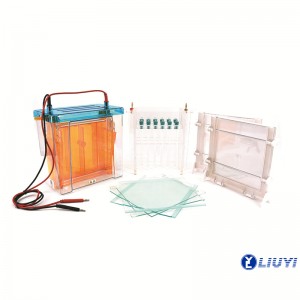 2-D Protein Electrophoresis Cell DYCZ-26C
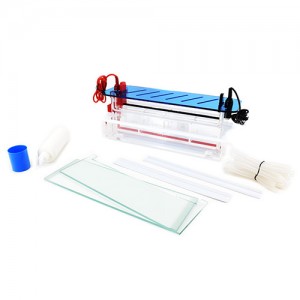 High-throughput Vertical Electrophoresis Cell DYCZ-20H
 UV Transilluminator WD-9403B
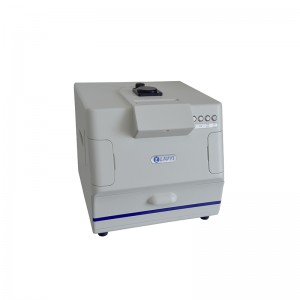 UV Transilluminator WD-9403F
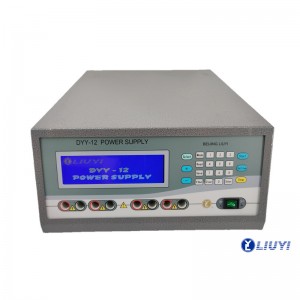 Electrophoresis Power Supply DYY-12
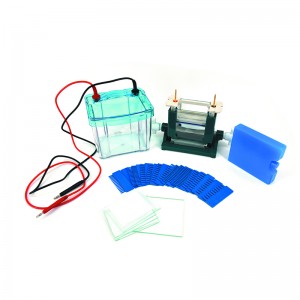 Modular Dual Vertical System DYCZ – 25D
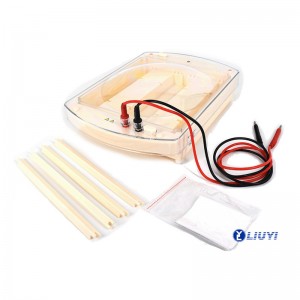 Cellulose Acetate Film Electrophoresis Cell DYCP-38C
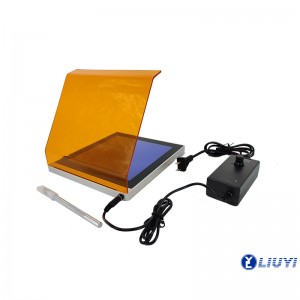 Blue LED Transilluminator WD-9403X
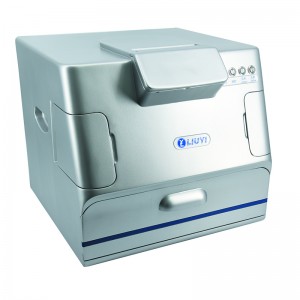 UV Transilluminator WD-9403C

Complete RNA Analysis Electrophoresis Product Range
Explore our comprehensive lineup of instruments and accessories designed for every stage of your RNA gel electrophoresis workflow.
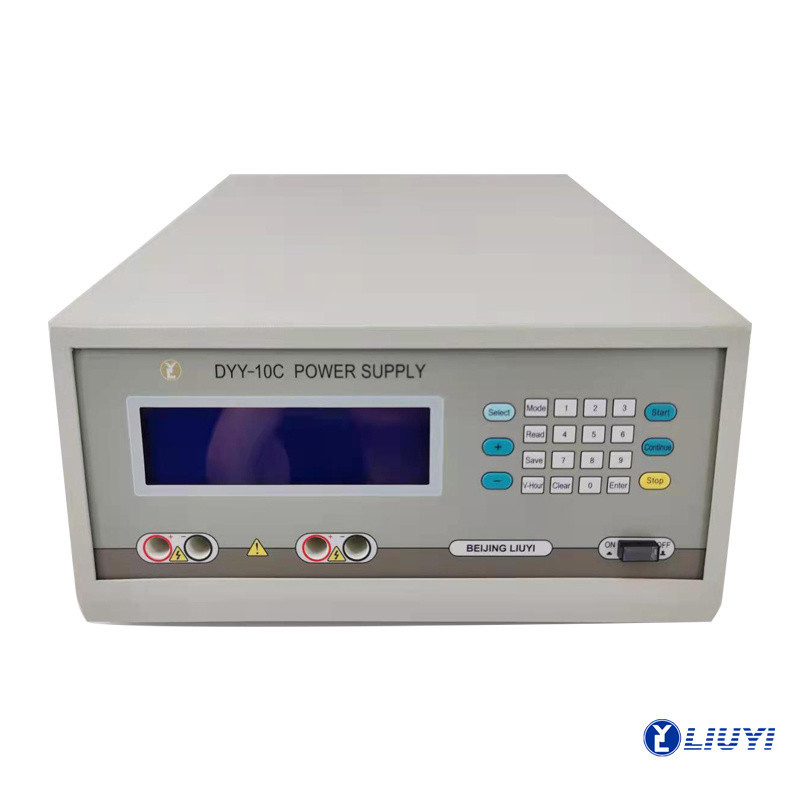 Electrophoresis Power Supply DYY-10C
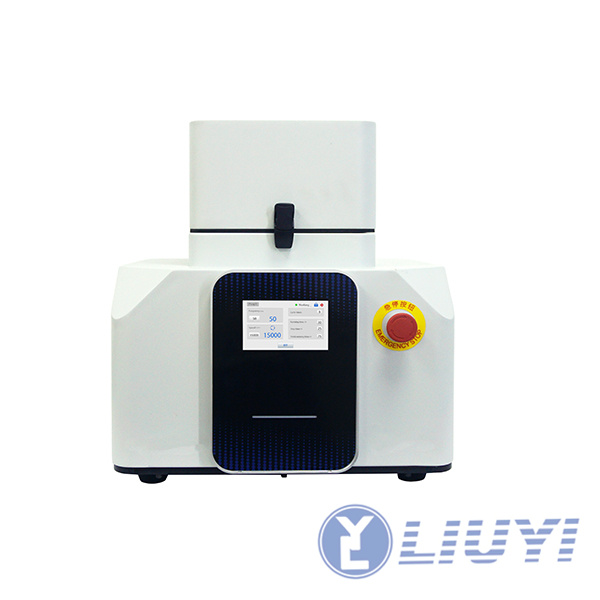 High-throughput Homogenizer WD-9419A
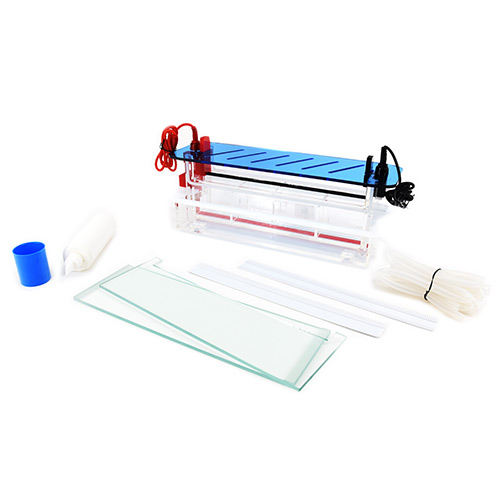 High-throughput Vertical Electrophoresis Cell DYCZ-20H
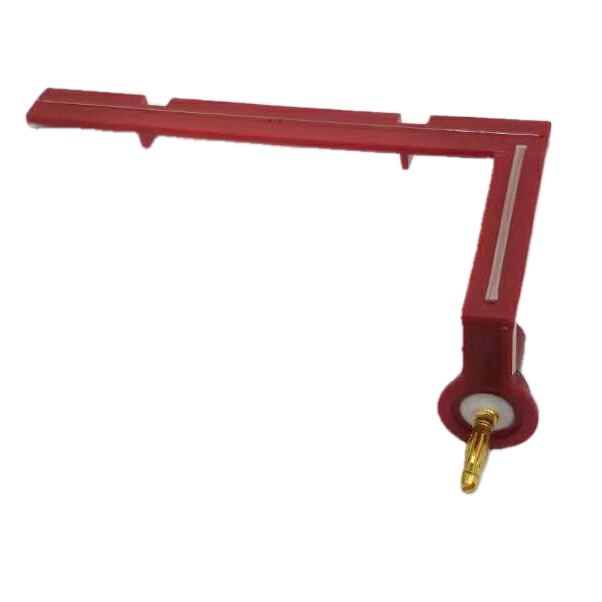 DYCP-31DN Electrode (Red)
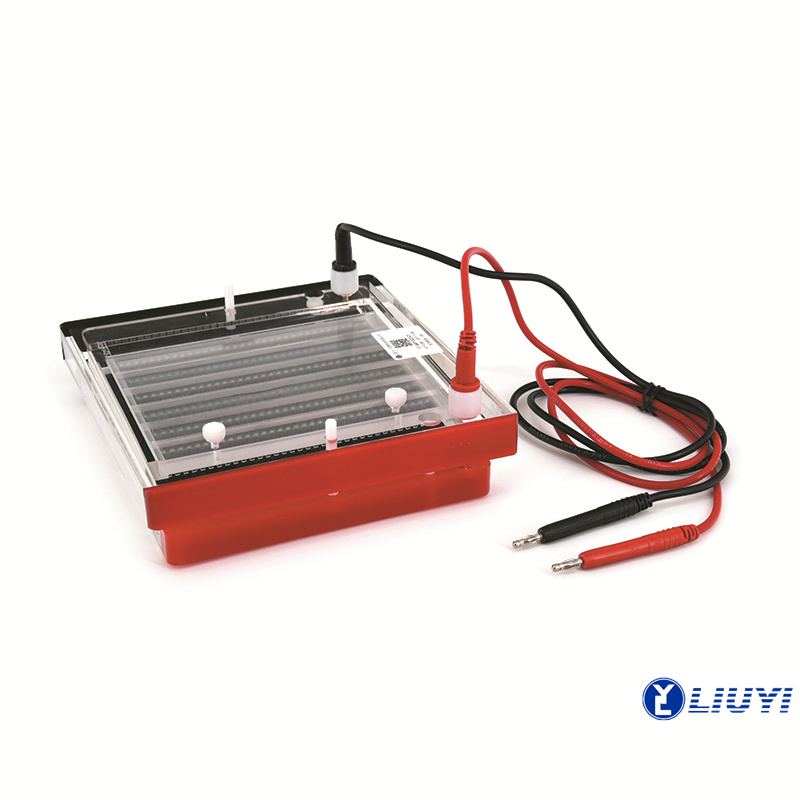 Nucleic Acid Horizontal Electrophoresis Cell DYCP-44P
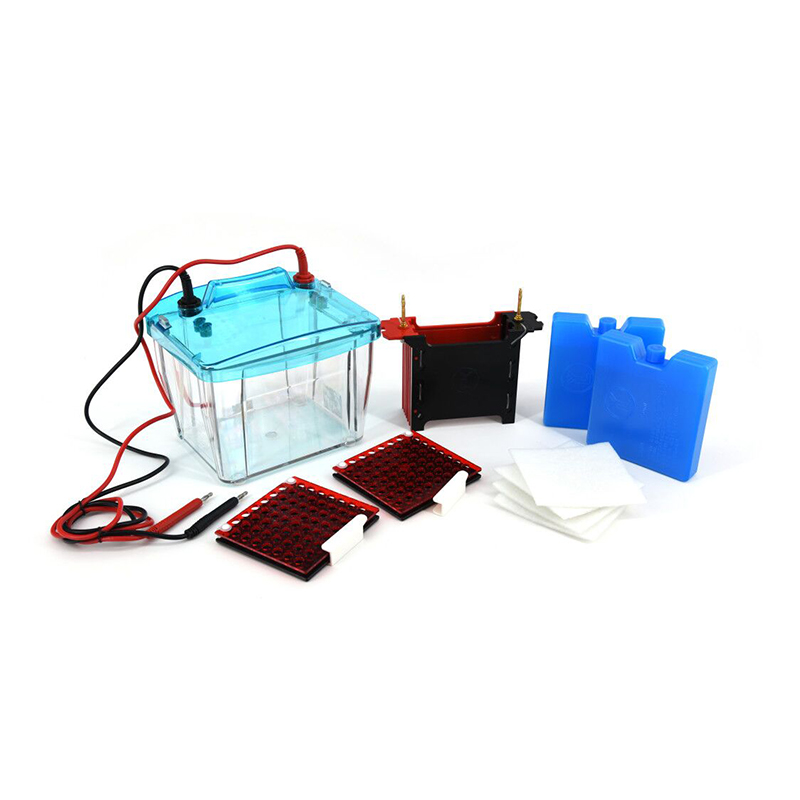 Trans-Blotting Electrophoresis Cell DYCZ – 40F
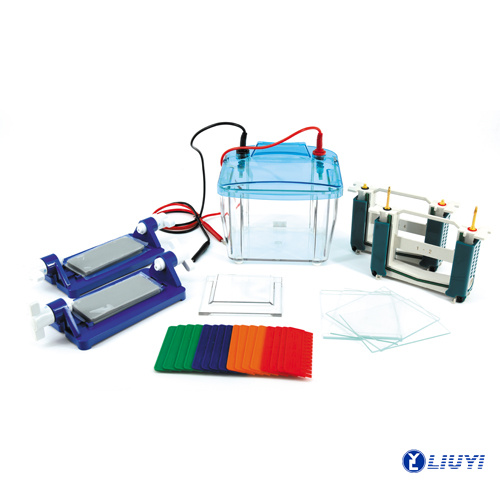 4 Gels Vertical Electrophoresis Cell DYCZ-25E
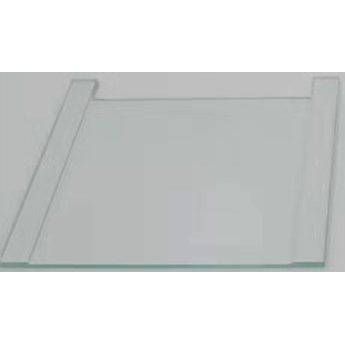 DYCZ-24DN Notched Glass Plate (1.5mm)
Ready to Elevate Your RNA Analysis Workflow?
Contact Beijing Liuyi Biotechnology Co., Ltd. for expert guidance on selecting the right electrophoresis system for your RNA analysis needs — from standard agarose gel QC to high-throughput denaturing gel workflows.
Explore All Products →-

Phone
-

E-mail
-

Whatsapp
-

Top