


Featured Hemoglobin Screening Instruments
Industry-leading electrophoresis systems and consumables designed specifically for clinical hemoglobin analysis, sickle cell screening, and thalassemia detection.
What Is D Gel Electrophoresis For Hemoglobin Screening?
Precision Hemoglobin Variant Detection Through Gel Electrophoresis
D Gel Electrophoresis for Hemoglobin Screening is a cornerstone clinical laboratory technique that separates hemoglobin variants based on their differential electrophoretic mobility through a gel matrix under an applied electric field. This powerful methodology enables healthcare professionals and clinical laboratories to accurately identify and quantify abnormal hemoglobin types — including HbS (sickle cell), HbC, HbE, HbD, HbA2, and fetal hemoglobin (HbF) — that are critical for diagnosing hemoglobinopathies and thalassemia syndromes.
Unlike simple alkaline electrophoresis, D Gel Electrophoresis employs both acidic (pH 6.0–6.2, citrate agar) and alkaline (pH 8.6, cellulose acetate or agarose gel) conditions, providing a dual-pH confirmation system that dramatically increases specificity. The "D" methodology specifically targets the HbD variant (most commonly HbD-Punjab/Los Angeles), which comigrates with HbS on alkaline electrophoresis but separates distinctly at acidic pH — making this dual approach indispensable in regions with high prevalence of HbD mutations.
This technique is widely validated for population-based newborn screening programs, prenatal diagnosis, carrier identification, and confirmatory testing in hematology laboratories. Cellulose acetate membranes and agarose gel formats are the predominant media, offering rapid turnaround times, reproducibility, and excellent resolution of clinically significant hemoglobin fractions.
Sample Preparation
Hemolysate preparation from EDTA whole blood; red cell washing and lysis for optimal hemoglobin extraction.
Gel / Membrane Loading
Precise application of hemolysate onto cellulose acetate or agarose gel at controlled pH (acidic & alkaline).
Electrophoretic Separation
Variants migrate under electric field; separation achieved in 20–40 minutes with stable voltage control.
Staining & Detection
Ponceau S or specific dye staining; visual or densitometric scanning for band identification and quantification.
Interpretation & Report
Comparison with reference controls; generation of clinical report for hemoglobin pattern diagnosis.
Key Features & Clinical Applications of Hemoglobin Gel Electrophoresis
D Gel Electrophoresis supports a comprehensive range of hemoglobin screening and diagnostic workflows across neonatal, prenatal, and adult populations.
Sickle Cell Disease Screening
Rapid, reliable identification of HbS in newborn screening programs and adult diagnostic workup; dual-pH confirmation eliminates false positives.
Thalassemia Carrier Detection
Elevated HbA2 (>3.5%) and HbF quantification for beta-thalassemia trait identification in population screening and genetic counseling.
HbC, HbE & HbD Variant ID
Clear resolution of clinically significant variants prevalent across Southeast Asia, Africa, and the Mediterranean using optimized gel systems.
Rapid Turnaround Testing
Complete separation and staining achievable within 45–60 minutes; compatible with high-throughput laboratory workflows processing hundreds of samples daily.
Prenatal & Neonatal Screening
Safe, cost-effective screening of cord blood and neonatal heel-prick samples; essential for national hemoglobinopathy prevention programs.
Quantitative Densitometry
Digital gel image analysis enables precise quantification of each hemoglobin fraction; results integrated with laboratory information systems.
Commercial & Industrial Landscape: D Gel Electrophoresis in Hemoglobin Screening
The global hemoglobinopathy diagnostics market is expanding rapidly, driven by universal newborn screening mandates and increasing awareness of thalassemia and sickle cell disease burden in emerging economies.
The global hemoglobinopathy diagnostics market was valued at approximately USD 1.8 billion in 2023 and is projected to grow at a CAGR of 8.2% through 2030, according to industry research. Gel electrophoresis — particularly cellulose acetate and agarose-based D systems — continues to represent the most widely adopted platform globally for initial hemoglobin screening, especially in resource-limited settings and large-volume public health laboratories.
In high-income markets such as the United States, European Union, and Japan, D gel electrophoresis is primarily used as a confirmatory and reflex testing methodology, complementing automated HPLC (High-Performance Liquid Chromatography) and capillary electrophoresis platforms. Regulatory bodies including the CDC (Centers for Disease Control) and ACMG (American College of Medical Genetics) endorse a multi-technique approach where gel electrophoresis serves as an essential orthogonal confirmation method, preventing misidentification of variants that comigrate under single-method conditions.
In developing economies across Sub-Saharan Africa, Southeast Asia, South Asia, and Latin America — where the burden of HbS, HbE, and thalassemia mutations is highest — D gel electrophoresis remains the primary and most cost-accessible frontline screening tool. National thalassemia prevention programs in countries including Thailand, India, China, Iran, and Nigeria have institutionalized gel electrophoresis-based workflows at both central reference laboratories and district-level health facilities.
Key commercial drivers include: government-mandated newborn screening expansion, international healthcare development investments (WHO, World Bank), and the growing medical tourism sector in Asia and Africa that is accelerating diagnostic infrastructure buildout. Manufacturers of electrophoresis instrumentation and consumables — particularly cellulose acetate membranes, agarose gel kits, electrophoresis chambers, and power supplies — are seeing sustained double-digit growth in these geographies.
Development Trends in Hemoglobin Gel Electrophoresis Technology
Innovation in gel electrophoresis systems is accelerating, integrating AI-powered image analysis, miniaturization, and connectivity features that are reshaping laboratory workflows.
🤖 AI-Assisted Gel Image Analysis
Machine learning algorithms integrated into gel documentation systems now enable automated band identification, quantification, and flagging of abnormal hemoglobin patterns with >98% concordance to expert human interpretation, reducing reporting time and analyst fatigue in high-volume laboratories.
📱 Digital Connectivity & LIS Integration
Modern electrophoresis systems feature built-in Wi-Fi, USB, and cloud connectivity, enabling seamless transfer of gel images and quantification data to Laboratory Information Systems (LIS) and Electronic Health Records (EHR), supporting paperless laboratory workflows and remote interpretation.
🔬 Miniaturized & Point-of-Care Platforms
Microfluidic D gel electrophoresis devices — capable of processing finger-prick blood samples in under 15 minutes — are emerging for rural health outposts and mobile screening units. These battery-powered, portable systems dramatically expand screening access in geographically remote regions.
🧬 Multiplex Hemoglobin Screening Panels
Next-generation gel systems are being co-developed with molecular assays, enabling simultaneous electrophoretic phenotyping and PCR-based genotyping from a single blood sample — providing comprehensive hemoglobinopathy diagnosis in a single workflow for prenatal counseling and newborn screening programs.
♻️ Eco-Efficient Consumable Design
The industry is shifting toward reduced-hazardous-chemical staining protocols, biodegradable gel matrices, and lower-volume reagent kits that maintain analytical performance while reducing laboratory chemical waste — supporting ISO 14001 environmental management compliance in clinical settings.
🌍 Global Screening Program Partnerships
Leading electrophoresis manufacturers are entering public-private partnerships with national health ministries and NGOs in Africa, South Asia, and Southeast Asia to supply subsidized hemoglobin screening instruments and training programs, expanding screening coverage to underserved populations at scale.
In-Depth Application Scenarios: D Gel Electrophoresis for Hemoglobin Screening
From hospital hematology departments to national population screening initiatives, D gel electrophoresis delivers critical diagnostic value across diverse clinical and public health contexts.
Scenario 1: National Newborn Screening Programs
Countries implementing universal newborn hemoglobin screening — such as the U.S. (since 1986), UK, Brazil, and increasingly India and China — use D gel electrophoresis as either the primary or confirmatory method for all births. Blood spot samples collected at 24–48 hours of life are eluted and subjected to dual-pH electrophoresis. Detection of HbFS (fetal + sickle) or HbFSC patterns triggers immediate confirmatory testing and clinical follow-up, enabling prophylactic penicillin initiation before the first sickle cell crisis, which has dramatically reduced pediatric morbidity and mortality.
Scenario 2: High-Risk Prenatal Carrier Screening
In populations with elevated thalassemia or HbE/HbS carrier rates, obstetric practices routinely screen couples with D gel electrophoresis during the first trimester. Identification of both parents as carriers enables informed genetic counseling, chorionic villus sampling (CVS), or amniocentesis for prenatal diagnosis. The affordability and speed of gel electrophoresis makes it ideal for first-tier screening before expensive molecular genetic testing.
Scenario 3: Blood Bank Compatibility & Donor Screening
Blood transfusion centers and regional blood banks employ hemoglobin gel electrophoresis to screen all donations for HbS trait and other significant variants. This ensures that sickle cell trait units are labeled appropriately and not issued for exchange transfusion in neonates or patients with sickle cell disease, maintaining transfusion safety standards recommended by AABB and WHO blood safety guidelines.
Scenario 4: Military & Occupational Health Screening
Defense forces and aviation authorities in multiple countries screen recruits and flight personnel for HbS trait, as exposure to hypoxic conditions (high altitude, unpressurized aircraft) can precipitate sickling events in HbAS individuals. D gel electrophoresis provides rapid, cost-effective pre-service screening for these occupational health requirements.
Scenario 5: Epidemiological & Population Genetics Research
Academic research institutions, WHO collaborating centers, and pharmaceutical companies conducting epidemiological surveys of hemoglobin variant prevalence in target populations use D gel electrophoresis as the gold-standard phenotyping method. These datasets inform the design of disease registries, gene therapy trials, and hydroxyurea therapy eligibility programs for sickle cell disease management.
Our Company
Beijing Liuyi Biotechnology Co., Ltd., formerly known as Beijing Liuyi Instrument Factory, established in 1970, is a national high technology enterprise with a long history. It is a leading and the biggest manufacturer in electrophoresis instrument for life science laboratories in China.
Based on the life science and biotechnology industries, our mainly products always in the domestic industry leading firm and well-known in the industry, exported to other countries and areas. We have our own R&D team, open to scientific research innovation, market development first, industry and combined with the development, the economic scale of our company have rapid growth for several years.
Our Team
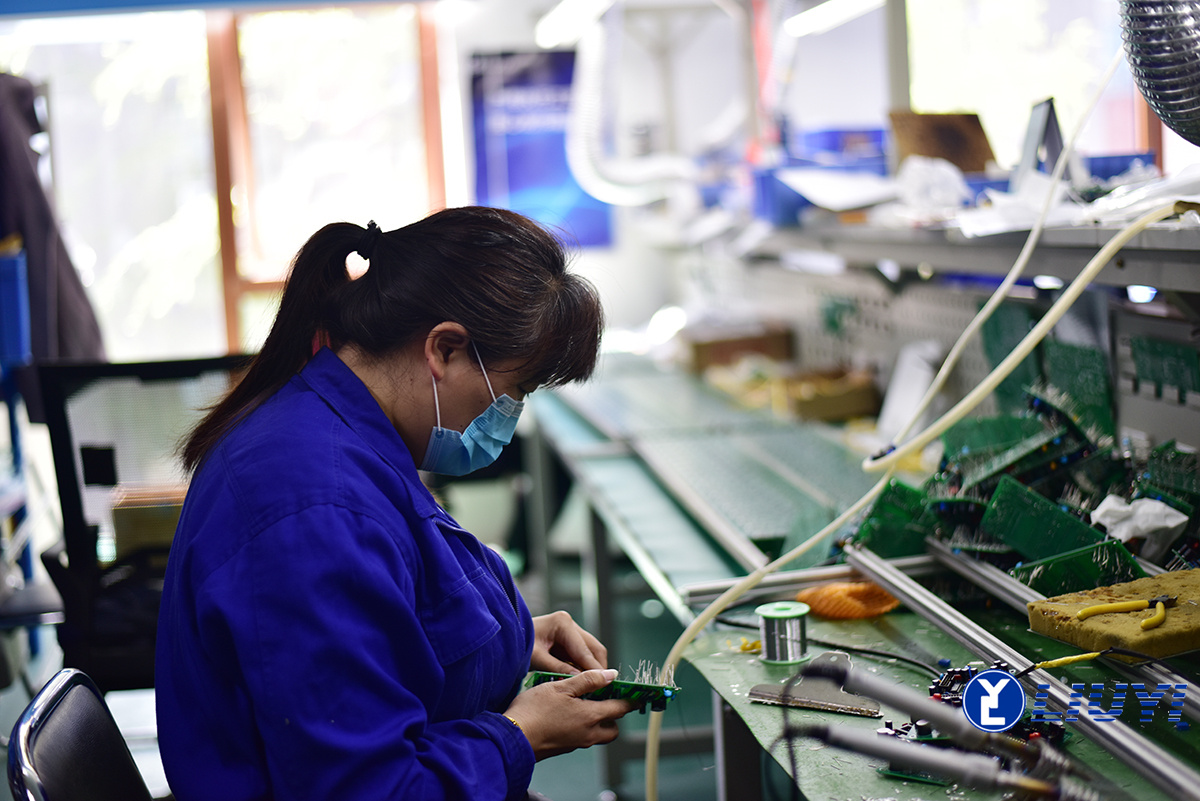
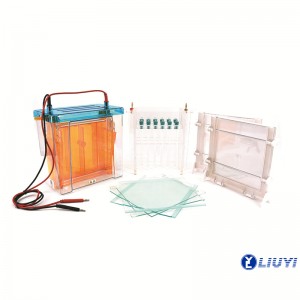
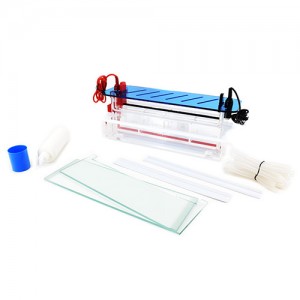
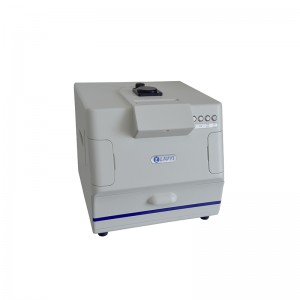
Liuyi has specialized in manufacturing electrophoresis instruments for more than 50 years with our own professional technical team and R&D center. We have reliable and complete production line from design to inspection, and warehouse, as well as marketing support. Our main products are Electrophoresis Cell (tank/chamber), Electrophoresis Power Supply, Blu LED Transilluminator, UV Transilluminator, Gel Image & Analysis System etc. According to your requirements, we can provide customized service for you.
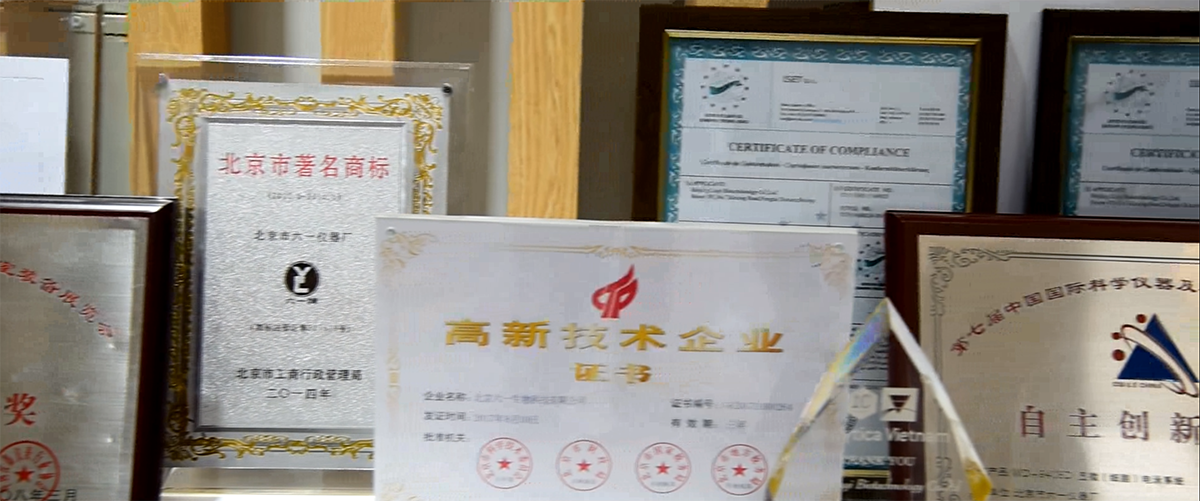
Certificate & Awards
Certificate
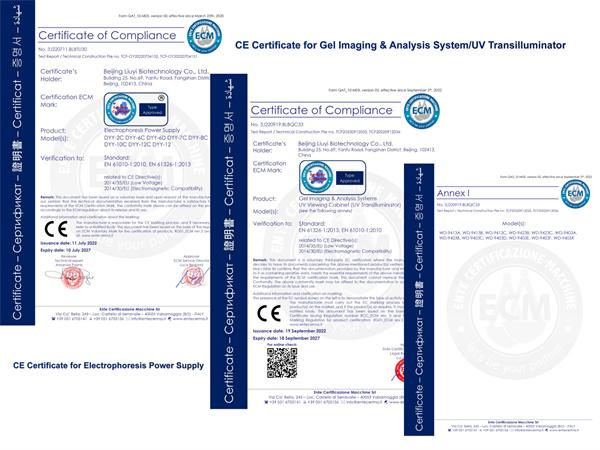
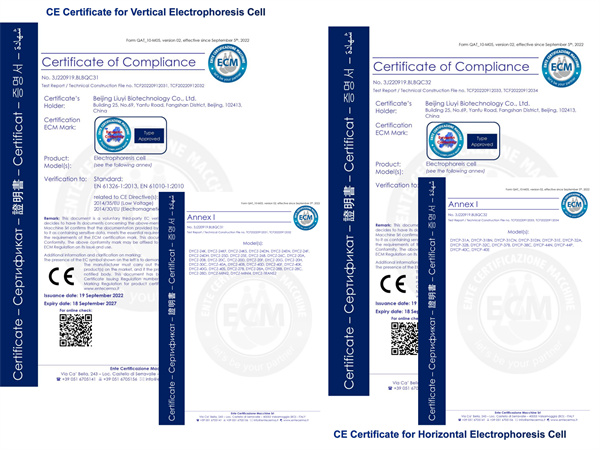
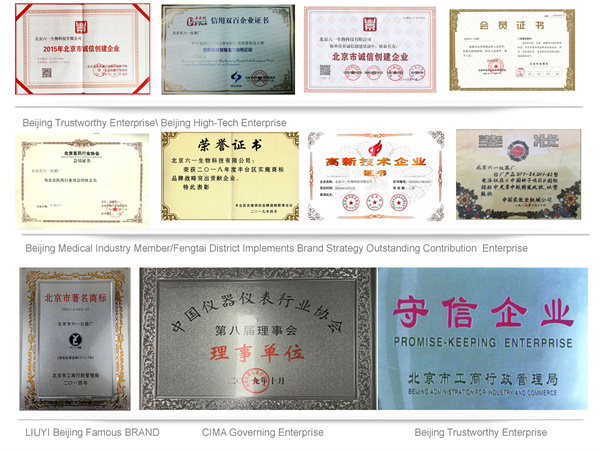
Liuyi has been awarded variety certificates and enterprise qualifications along with its high reputation in industry. We are ISO 9001 & ISO 13485 certified company and some of our products have CE certificates. Since 2003, Liuyi as the only medical device manufacturer in Beijing medical industry has been awarded as "PROMISE-KEEPING ENTERPRISE" by Beijing Administration for Industry and Commerce.
In 2008, Liuyi is honored as the famous trademark of Beijing. Our trademark is under the protection of Madrid Protocol in 7 countries including the United States, the United Kingdom, Japan, South Korea, Singapore, Greece, and Zambia in 2005, as well we have registered our trademark in India and Vietnam.
Based on life science and biotechnology industry, with excellent reputation, we offer reliable quality products and good service to our customers in China and overseas. We are the key supplier for the government purchase projects, and we have nearly 2000 dealers in China. Our products have been exported to more than ten countries including America, Brazil, Mexico, India, Africa, Chile, Singapore etc. We are dedicated to offering our products throughout the world.
- ISO9001, ISO13485 Double Certified Enterprise
- National High-tech Enterprise
- Three main products passed CE certification
- LIUYI Beijing Famous BRAND
- The Drafting Enterprise for pharmaceutical industry standards and national standards
- First Class Medical Device Filled Certificate
- China Utility Model Patent Certificate
- Japanese and American patents
- India and Vietnam registered trademark
- Beijing Trustworthy Enterprise
- CIMA Governing Enterprise
- Undertake China Torch plan program

 Main Products For Hemoglobin Gel Electrophoresis
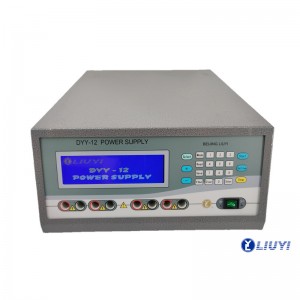
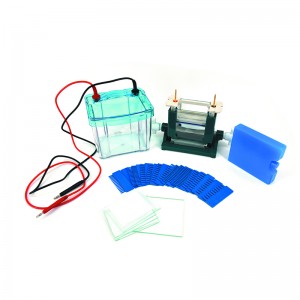
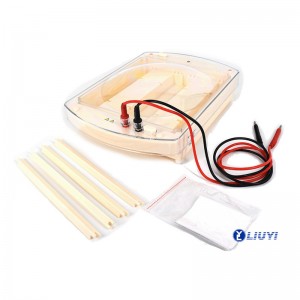
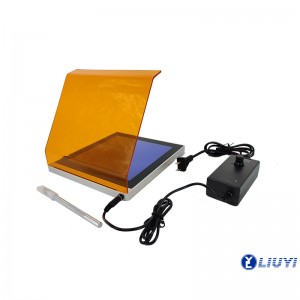
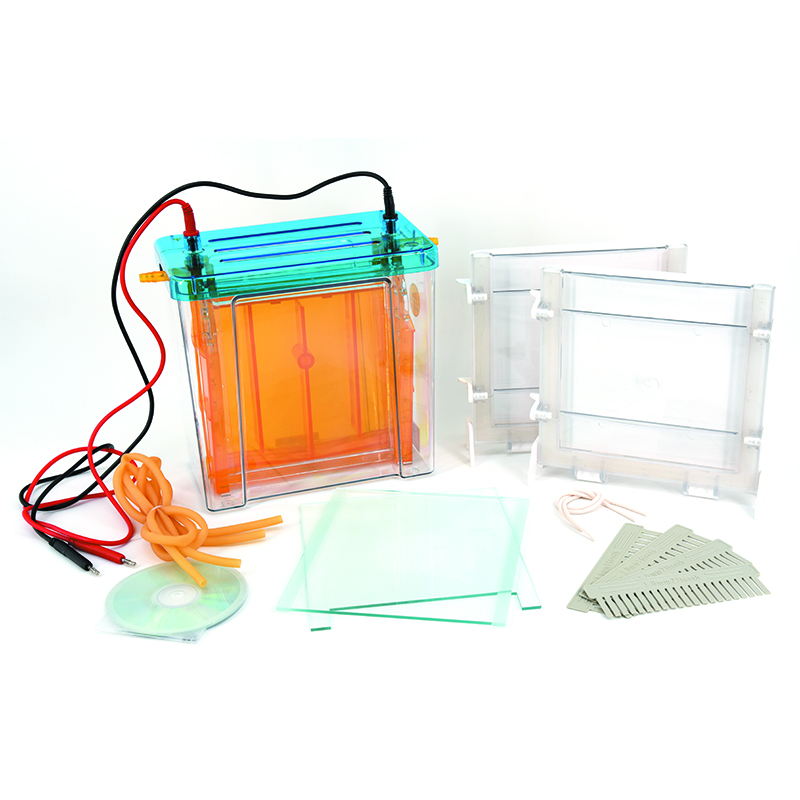
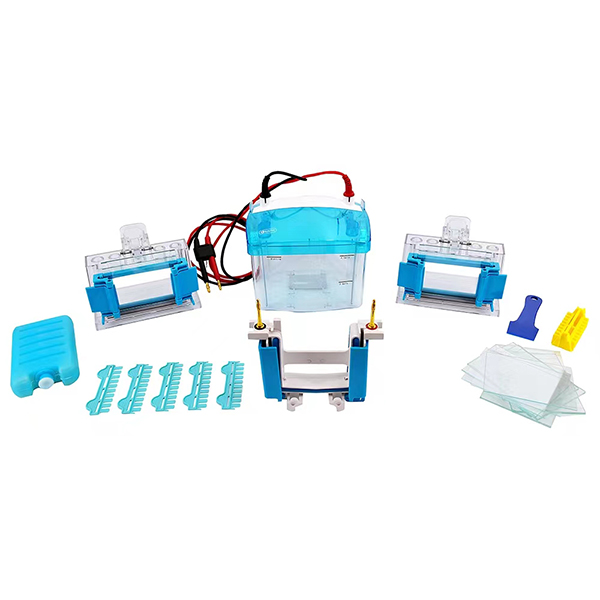
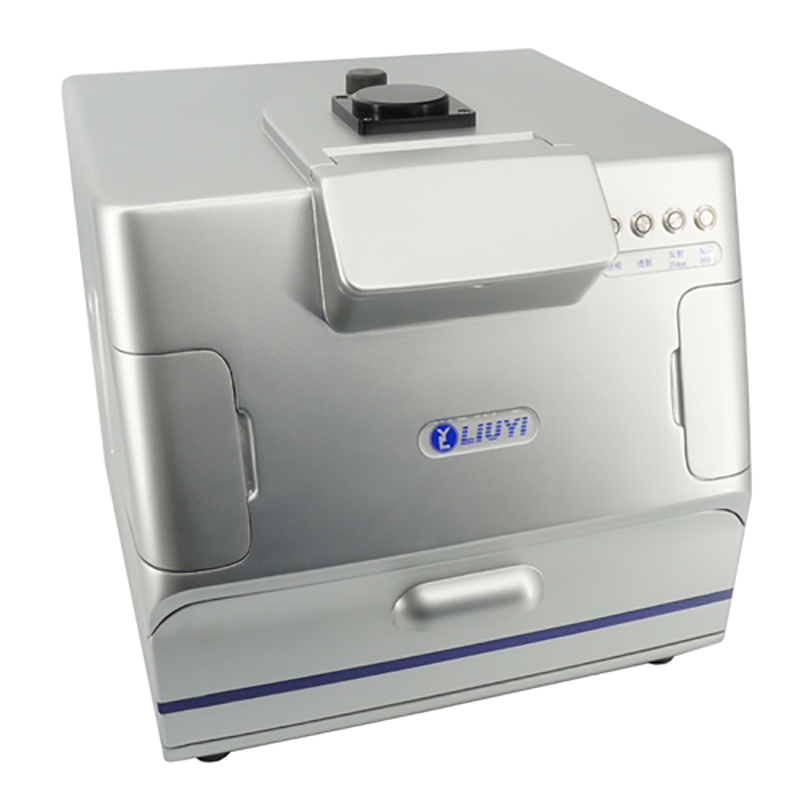
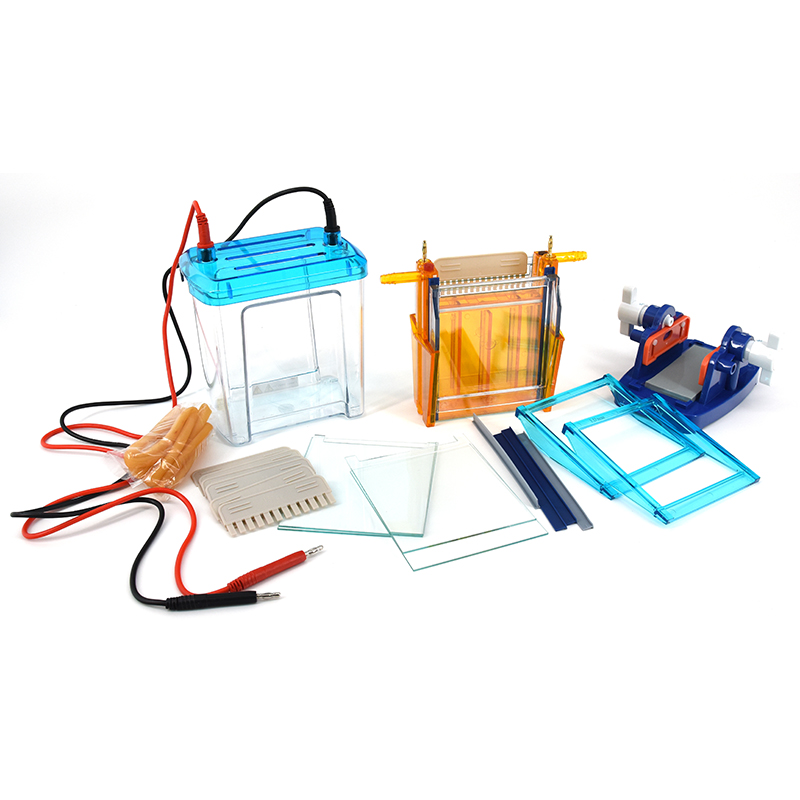
Beijing Liuyi Biotechnology Co., Ltd has launched new products for protein analysis, western blotting and gel observation. DYCZ-MINI series are fully compatible with the main international brands, and can run up to four precast or handcast polyacrylamide gels. The trans-blot module of DYCZ-TRANS2 is compatible with the chamber of DYCZ-MINI series. The WD-9403B can observe gel for nucleic acid electrophoresis. These new products are all durable, versatile, and easy to assemble. Welcome to contact us for more details!


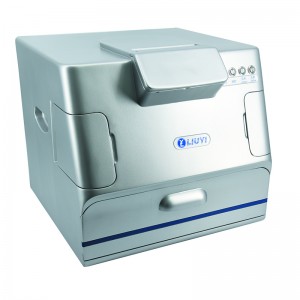

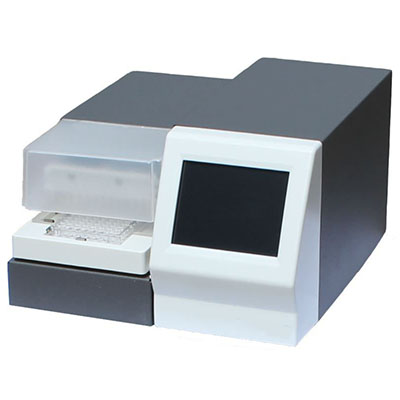
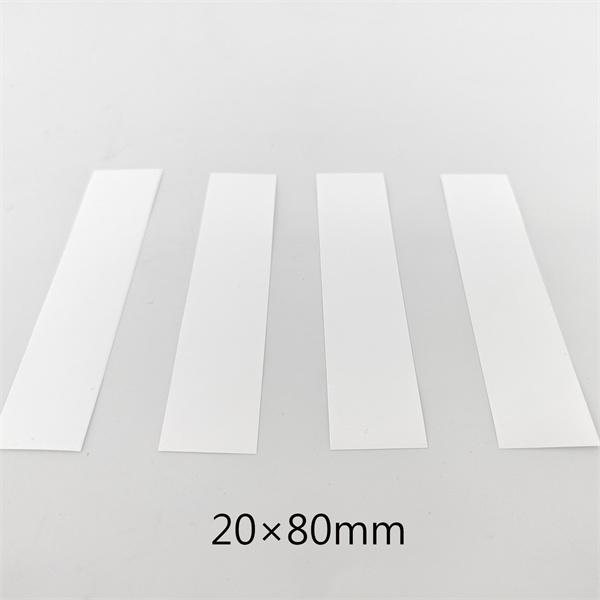
Complete Hemoglobin Screening Product Range
Explore our comprehensive portfolio of electrophoresis instruments and accessories engineered for hemoglobin screening, clinical diagnostics, and life science research.
-

Phone
-

E-mail
-

Whatsapp
-

Top