


Featured Protein Testing Solutions
Our core capillary electrophoresis-compatible instruments designed for high-accuracy protein testing and analysis.
Capillary Electrophoresis at a Glance
The numbers that define CE's dominance in modern protein testing and biopharmaceutical quality assurance.
What Is Capillary Electrophoresis for Protein Testing?
Capillary Electrophoresis (CE) for protein testing is a powerful analytical separation technique that uses narrow-bore capillaries filled with buffer or gel matrices to separate proteins based on their size, charge, or isoelectric point under a precisely applied electric field. Unlike traditional slab gel electrophoresis, CE offers unmatched automation, throughput, and quantitative accuracy.
As the life science and biopharmaceutical industries demand ever-higher sensitivity and reproducibility, CE has emerged as the gold standard for characterizing monoclonal antibodies (mAbs), vaccines, biosimilars, and complex protein mixtures. CE-SDS (capillary gel electrophoresis with sodium dodecyl sulfate) and capillary isoelectric focusing (cIEF) are now routine methods mandated by regulatory agencies worldwide.
- ✦Ultra-high resolution separation of protein variants and isoforms
- ✦Quantitative purity assessment meeting ICH Q6B regulatory requirements
- ✦Minimal sample volume (nanoliter range), ideal for precious biologics
- ✦Fully automatable for high-throughput biopharmaceutical QC workflows
- ✦Compatible with online detection: UV, fluorescence, and mass spectrometry
CE-SDS Protein Purity Analysis
CE-SDS separates denatured proteins by size through a replaceable sieving matrix in a capillary, producing high-resolution electropherograms with baseline-separated peaks and precise quantitative purity values — replacing traditional SDS-PAGE for regulated biopharmaceutical release testing.
Deep-Dive Application Scenarios
Capillary electrophoresis unlocks critical insights across diverse protein testing environments — from upstream bioprocessing to final product release.
Monoclonal Antibody (mAb) Characterization
CE-SDS and cIEF are the cornerstone methods for mAb purity, size heterogeneity, and charge variant analysis. They detect aggregates, fragments, and glycoforms that directly impact drug efficacy and patient safety, forming a mandatory part of biologic drug submission packages to FDA and EMA.
Biosimilar Development & Comparability
For biosimilar manufacturers, demonstrating structural similarity to the reference product is essential. CE provides high-resolution charge variant and size profiles that are used as fingerprints to confirm analytical comparability, supporting regulatory submissions for global market access.
Vaccine Protein Antigen Testing
Modern subunit vaccines rely on accurately characterized protein antigens. CE enables rapid, reproducible quantification of antigen purity and integrity, critical for ensuring consistent vaccine potency during both development and large-scale manufacturing — especially vital in pandemic response scenarios.
Clinical Serum Protein Diagnostics
CE-based serum protein electrophoresis (SPEP) is widely used in clinical diagnostics to detect and quantify protein fractions including albumin, globulins, and paraproteins. It is the primary screening tool for multiple myeloma, liver disease, and immune disorders, offering superior speed over classical agarose gel methods.
Proteomics & Biomarker Discovery
In research settings, CE coupled with mass spectrometry (CE-MS) allows ultrasensitive identification and quantification of protein biomarkers in complex biological matrices such as urine, plasma, and cerebrospinal fluid — enabling early disease detection and personalized medicine research.
Upstream Bioprocess Monitoring
Real-time process analytical technology (PAT) increasingly incorporates CE to monitor protein expression levels, glycosylation patterns, and product quality attributes during bioreactor culture — enabling data-driven process control that reduces batch failures and accelerates process development timelines.
Commercial & Industrial Landscape of CE Protein Testing
The global CE market for protein analysis is experiencing accelerated growth driven by biologics expansion, regulatory mandates, and technological convergence.
Surging Biopharmaceutical Demand
The global biologics market surpassed $400 billion in 2023 and continues to grow at double-digit rates. Every biologic drug requires extensive CE-based characterization for regulatory submission, making CE systems a critical infrastructure investment for CROs, CDMOs, and pharmaceutical companies worldwide. CE instrument sales for biopharmaceutical QC are projected to grow at over 8% CAGR through 2030.
Automation & High-Throughput Integration
Modern CE platforms are increasingly integrated with robotic liquid handlers and laboratory information management systems (LIMS), enabling fully automated, 24/7 protein testing workflows. Multiplexed capillary arrays allow simultaneous analysis of 8 to 96 samples, dramatically reducing time-to-result in high-throughput screening and QC environments.
CE-MS Hyphenation Driving Discovery
The coupling of capillary electrophoresis with high-resolution mass spectrometry (CE-MS/MS) is transforming proteomics research. This hyphenated approach combines CE's unparalleled separation efficiency with MS's molecular identification power, enabling identification of thousands of proteins and post-translational modifications (PTMs) from single microliter samples.
Regulatory Adoption & Pharmacopeial Inclusion
CE methods are now officially recognized in the United States Pharmacopeia (USP), European Pharmacopoeia (EP), and Chinese Pharmacopoeia (ChP) as compendial methods for protein purity and identity testing. This regulatory endorsement drives rapid adoption across generic and innovative pharmaceutical manufacturers seeking global market authorizations.
Miniaturization & Microfluidic CE
Chip-based microfluidic CE platforms are enabling faster, lower-cost protein analysis with even smaller sample volumes. These lab-on-chip technologies are finding adoption in point-of-care diagnostics, field testing, and emerging markets where compact, portable analytical instruments are required for decentralized protein quality testing.
AI-Driven Data Interpretation
Machine learning algorithms are now being applied to CE electropherogram analysis, enabling automated peak identification, purity calculation, and anomaly detection without operator bias. AI-powered CE data systems are reducing analysis time by up to 70% while improving consistency across global manufacturing sites and contract laboratories.
Key Industries Powered by CE Protein Testing
Biopharmaceutical Manufacturing
mAb purity release testing, charge variant profiling, glycoform analysis, and biosimilar comparability studies are all CE-driven workflows in regulated drug manufacturing.
Clinical & In-Vitro Diagnostics
CE-based SPEP and UPEP (urine protein electrophoresis) are essential diagnostic tools in hematology, nephrology, and oncology, providing fast and highly reproducible quantitative protein fraction results.
Food & Agricultural Science
CE is used for allergen protein detection, adulteration testing, and nutritional protein composition analysis in food safety laboratories, ensuring compliance with international food quality standards.
Academic & Research Institutions
Universities and research institutes leverage CE for fundamental proteomics, structural biology, and biomarker research, benefiting from CE's versatility across peptide mapping, isoform separation, and single-cell protein analysis.
Contract Research & Testing Labs
CROs and CDMOs offer CE-based protein characterization as fee-for-service testing to pharma clients, making high-quality CE instrumentation a core competitive differentiator and revenue driver.
Gene Therapy & Advanced Biologics
Emerging cell and gene therapy products including AAV vectors, exosomes, and mRNA-LNP formulations require CE-based capsid protein characterization and purity assessment as part of their analytical testing packages.
Protein Electrophoresis Instrument Series
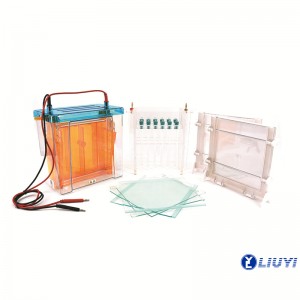
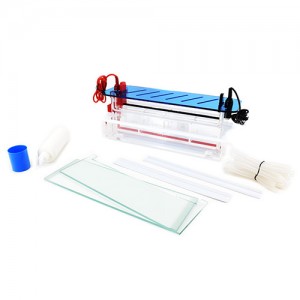
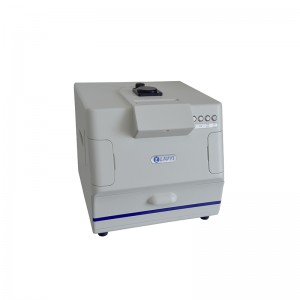
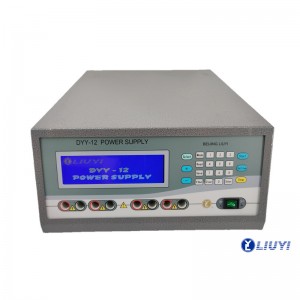
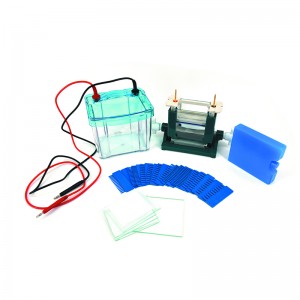
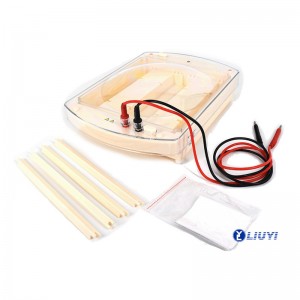
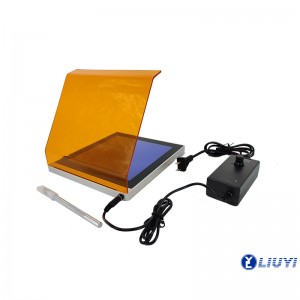
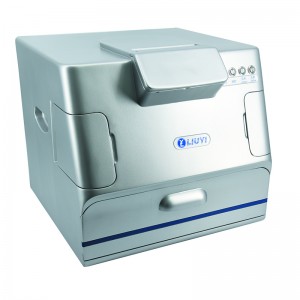
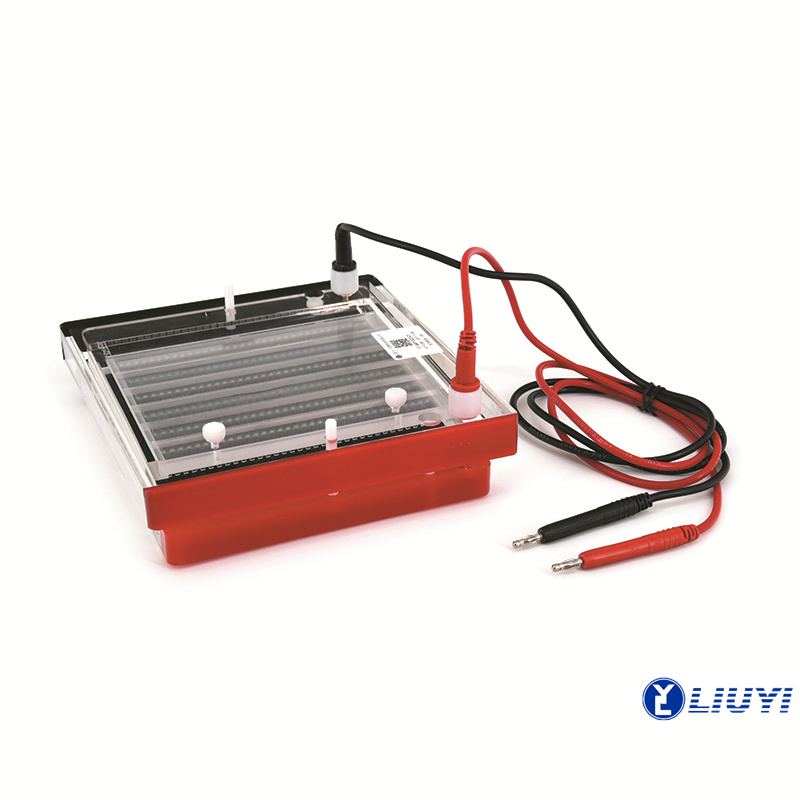
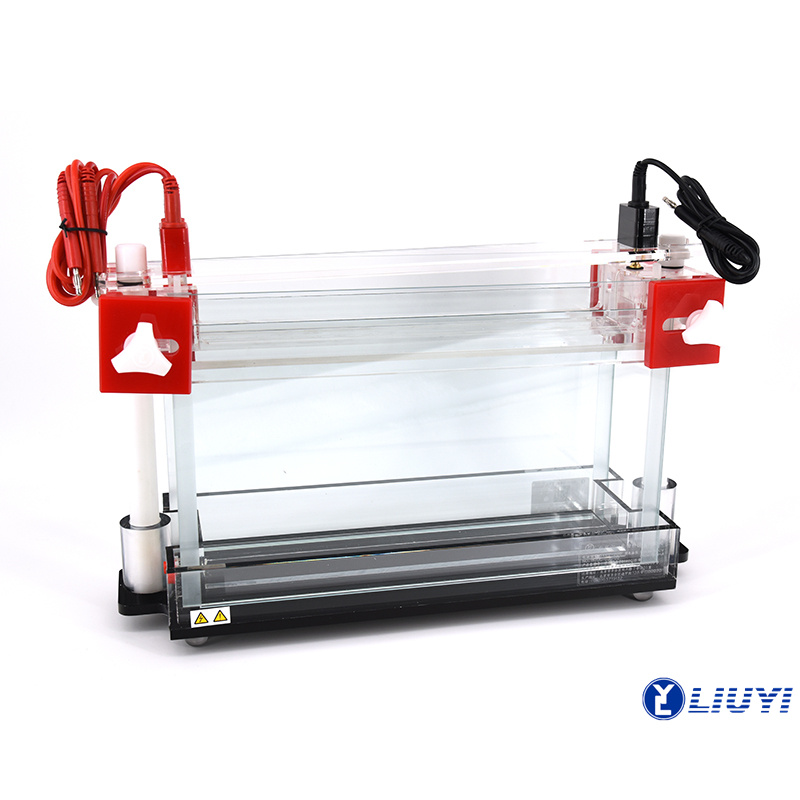
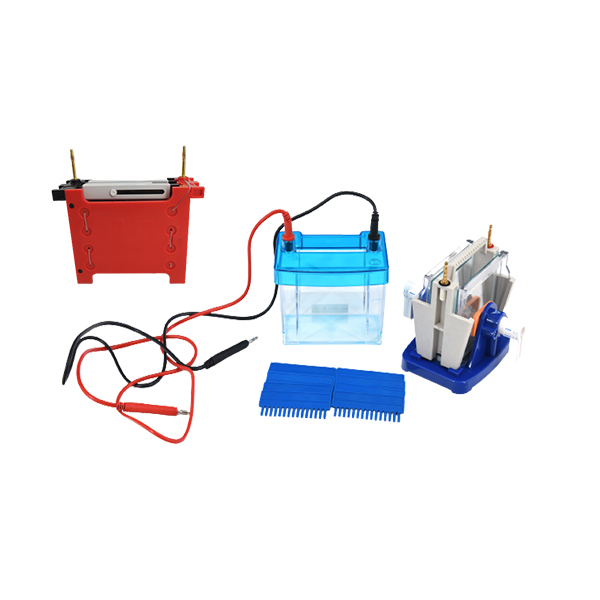
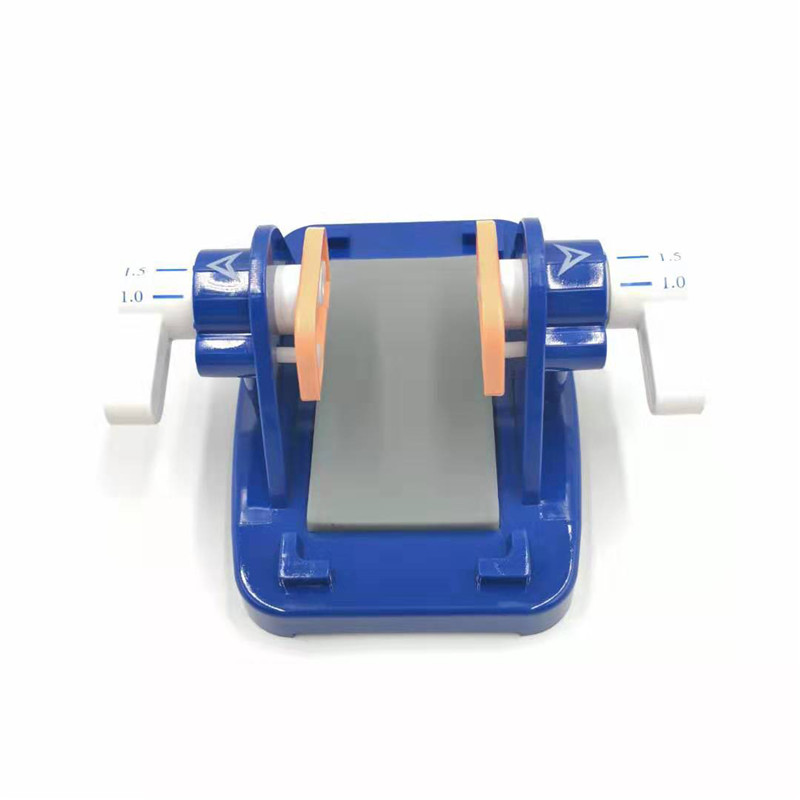
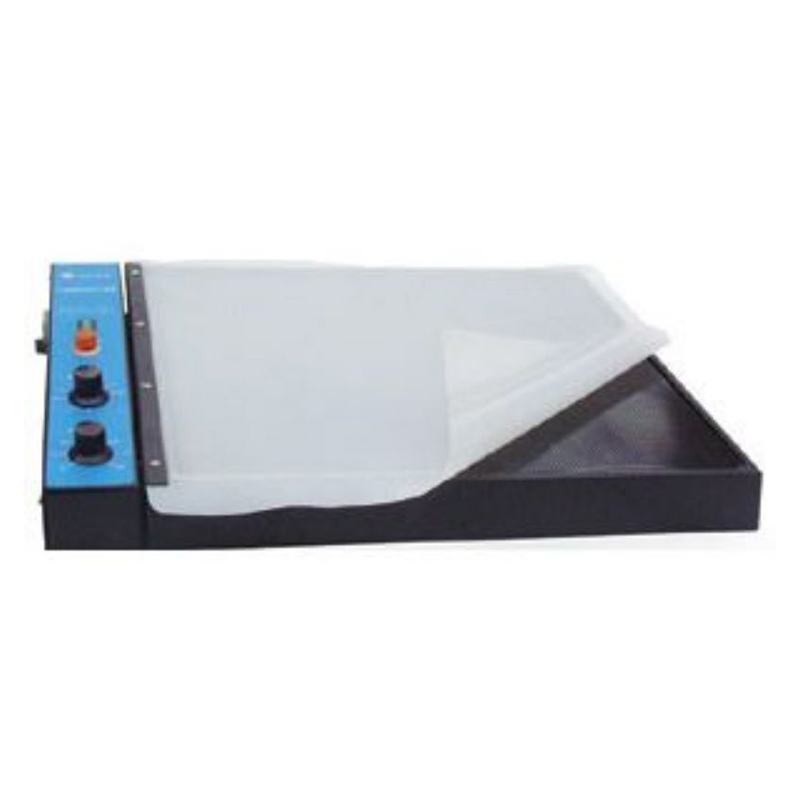
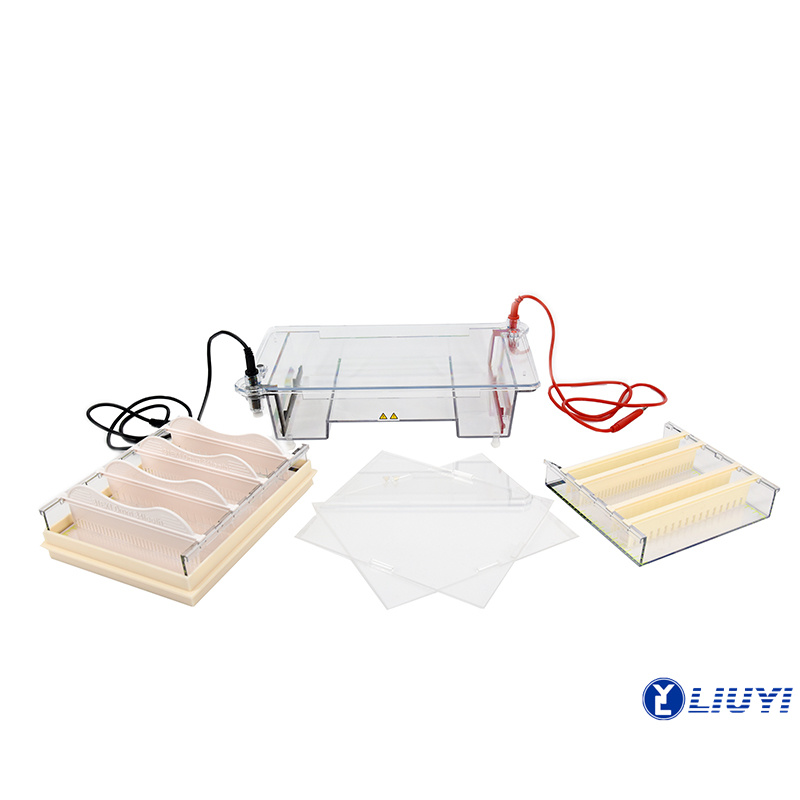
Beijing Liuyi Biotechnology has launched new products for protein analysis, western blotting, and gel observation. DYCZ-MINI series are fully compatible with main international brands, and can run up to four precast or handcast polyacrylamide gels. The trans-blot module of DYCZ-TRANS2 is compatible with the chamber of DYCZ-MINI series. The WD-9403B can observe gel for nucleic acid electrophoresis. These new products are all durable, versatile, and easy to assemble.


Our Company
Beijing Liuyi Biotechnology Co., Ltd.
Beijing Liuyi Biotechnology Co., Ltd., formerly known as Beijing Liuyi Instrument Factory, established in 1970, is a national high technology enterprise with a long history. It is a leading and the biggest manufacturer in electrophoresis instrument for life science laboratories in China.
Based on the life science and biotechnology industries, our main products always remain in the domestic industry leading position and are well-known in the industry, exported to other countries and areas. We have our own R&D team, open to scientific research innovation, with market development as a priority, combining industry with development. The economic scale of our company has had rapid growth for several years.
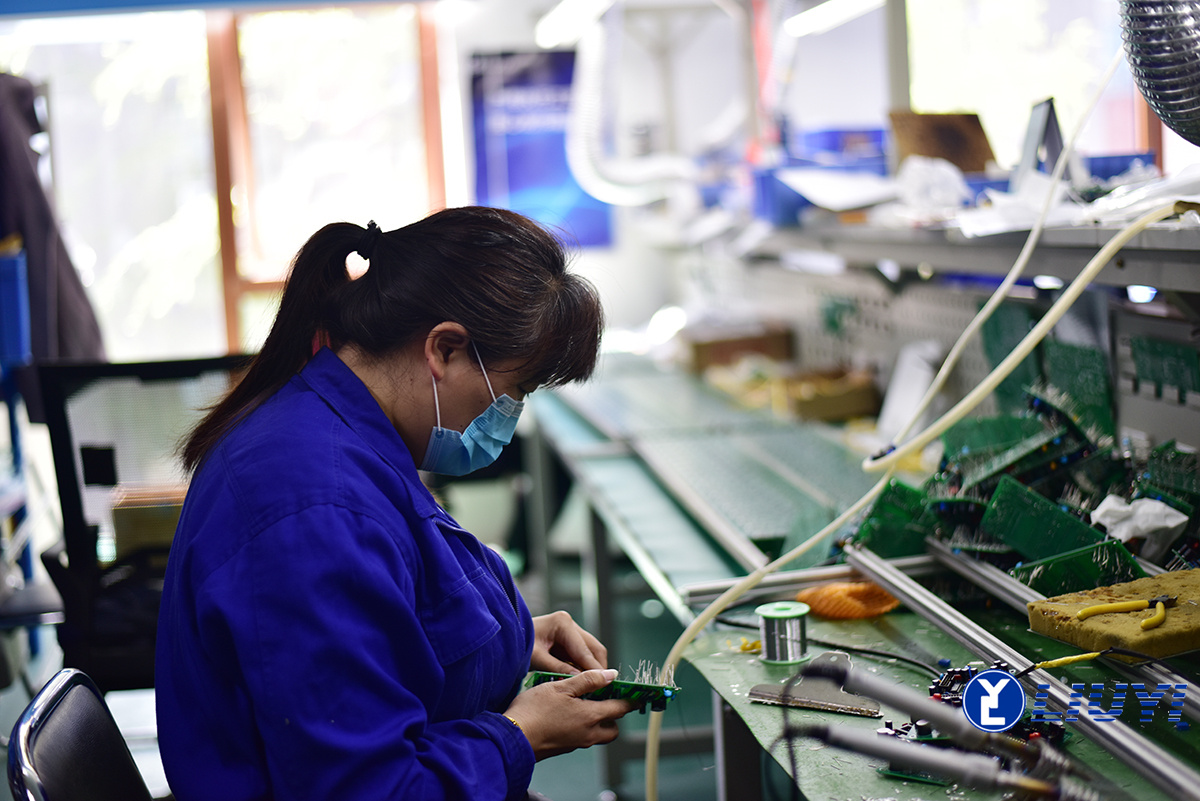
Our Team
Liuyi has specialized in manufacturing electrophoresis instruments for more than 50 years with our own professional technical team and R&D center. We have a reliable and complete production line from design to inspection, warehouse, as well as marketing support.
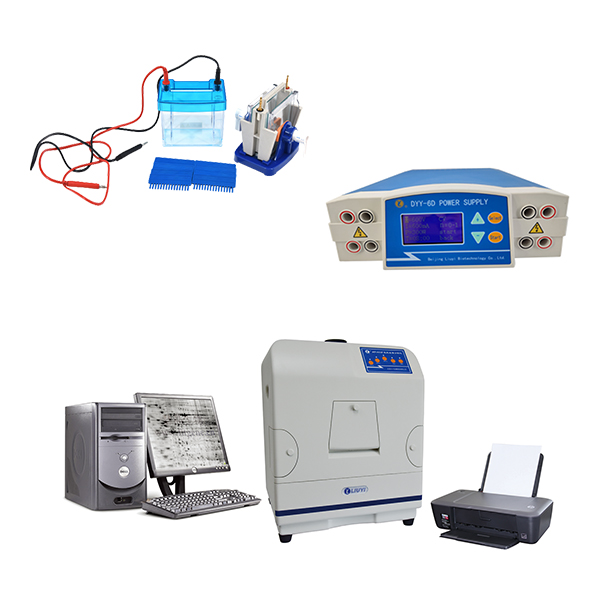
Our main products are Electrophoresis Cell (tank/chamber), Electrophoresis Power Supply, Blue LED Transilluminator, UV Transilluminator, Gel Image & Analysis System, etc. According to your requirements, we can provide customized service for you.
Expert R&D Center
Our professional technical team drives continuous innovation in electrophoresis technology. From customized gel casting systems to automated protein analysis platforms, we engineer solutions that meet the evolving demands of modern life science and biopharmaceutical laboratories globally.
Certificate & Awards
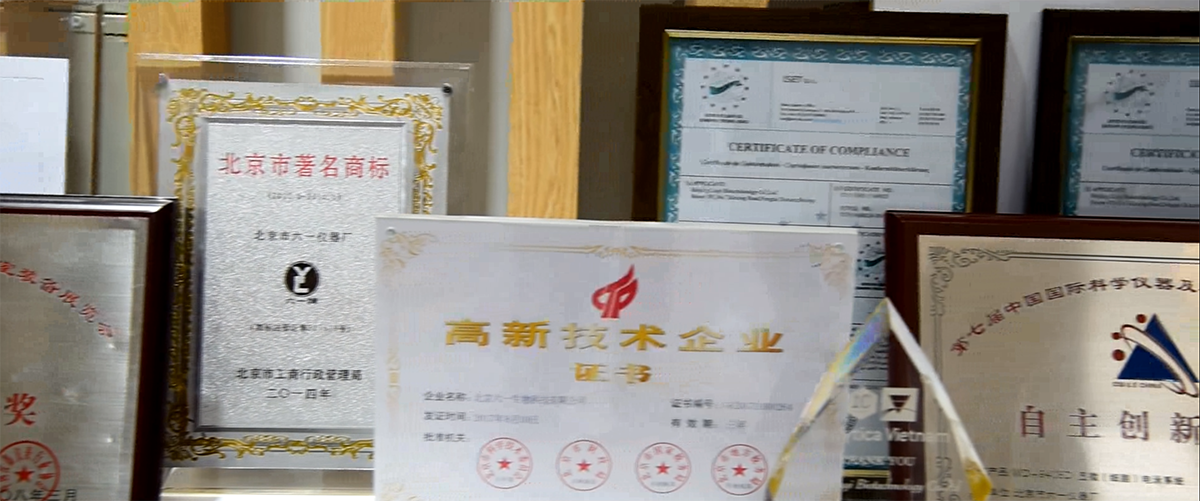
Liuyi has been awarded a variety of certificates and enterprise qualifications along with its high reputation in the industry. We are ISO 9001 & ISO 13485 certified company and some of our products have CE certificates. Since 2003, Liuyi as the only medical device manufacturer in Beijing medical industry has been awarded as "PROMISE-KEEPING ENTERPRISE" by Beijing Administration for Industry and Commerce.
In 2008, Liuyi is honored as the famous trademark of Beijing. Our trademark is under the protection of Madrid Protocol in 7 countries including the United States, the United Kingdom, Japan, South Korea, Singapore, Greece, and Zambia in 2005. We have also registered our trademark in India and Vietnam.
- ISO9001, ISO13485 Double Certified Enterprise
- National High-tech Enterprise
- Three main products passed CE certification
- LIUYI Beijing Famous BRAND
- Drafting Enterprise for pharmaceutical industry standards and national standards
- First Class Medical Device Filled Certificate
- China Utility Model Patent Certificate
- Japanese and American patents
- India and Vietnam registered trademark
- Beijing Trustworthy Enterprise
- CIMA Governing Enterprise
- Undertake China Torch Plan Program
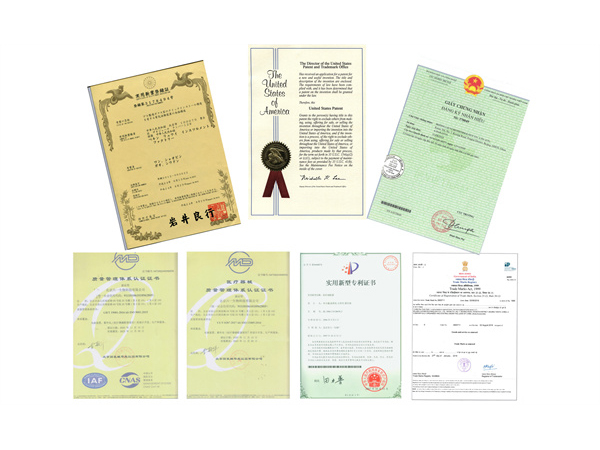
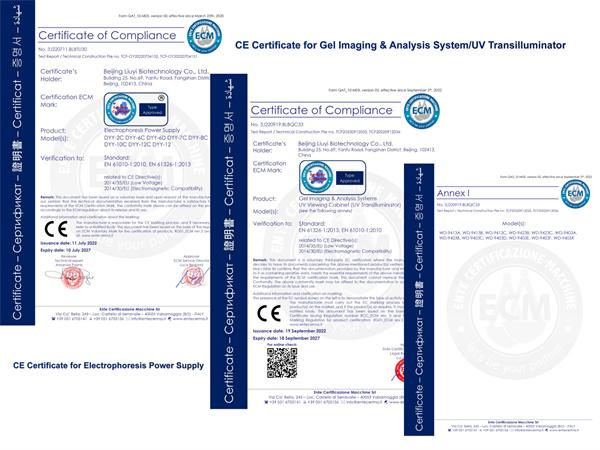
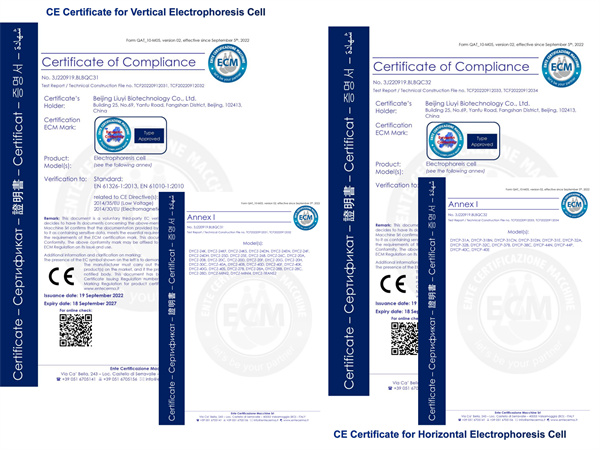
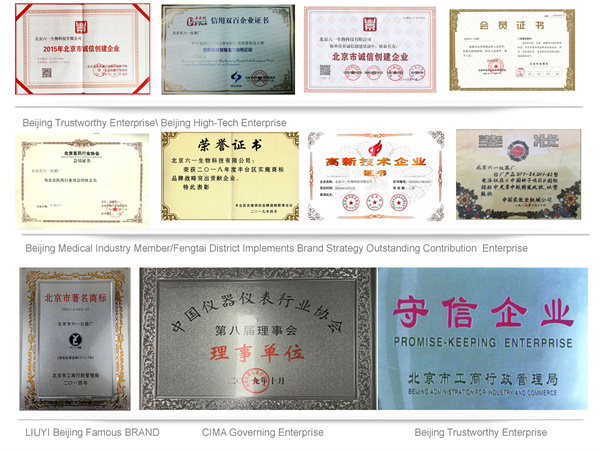
Based on life science and biotechnology industry, with excellent reputation, we offer reliable quality products and good service to our customers in China and overseas. We are the key supplier for government purchase projects, and we have nearly 2000 dealers in China. Our products have been exported to more than ten countries including America, Brazil, Mexico, India, Africa, Chile, Singapore, etc. We are dedicated to offering our products throughout the world.
Complete Protein Electrophoresis Product Range
Explore our comprehensive portfolio of electrophoresis instruments and accessories for protein testing, SDS-PAGE, western blot, DNA sequencing, and more.
Ready to Advance Your Protein Testing Capabilities?
Connect with Beijing Liuyi Biotechnology's expert team to discover the right capillary electrophoresis and protein testing solution for your laboratory — from research to regulated manufacturing.
-

Phone
-

E-mail
-

Whatsapp
-

Top