


Featured Electrophoresis Systems for Native Gel Runs
Industry-leading instruments engineered for precision native gel capillary electrophoresis workflows
What Is Capillary Electrophoresis for Native Gel Runs?
Capillary electrophoresis (CE) for native gel runs is an advanced analytical technique that combines the separation power of traditional native polyacrylamide gel electrophoresis (PAGE) with the automation, speed, and reproducibility of capillary-based systems. Unlike conventional slab gel methods, CE performs separations inside narrow-bore capillaries filled with polymer solutions or hydrogels, enabling high-resolution analysis of proteins, nucleic acids, and other biomolecules in their native (non-denatured) conformational state.
In native gel runs, biomolecules are separated based on their intrinsic charge, size, and shape—without the use of denaturing agents such as SDS. This preserves the biological activity and three-dimensional structure of proteins and complexes, making CE-based native gel analysis indispensable for studies involving protein–protein interactions, enzyme activity, antibody characterization, and multi-subunit complex integrity.
⚡ Key Advantage: Capillary electrophoresis for native gel runs delivers results in minutes rather than hours, with nanoliter-scale sample consumption, automated data acquisition, and highly quantitative output — far surpassing traditional slab gel approaches in speed, throughput, and reproducibility.
How Capillary Electrophoresis Enhances Native Gel Analysis
Traditional native PAGE requires manual gel casting, staining, destaining, and imaging—a process that can take 4 to 8 hours or more. Capillary electrophoresis revolutionizes this workflow by automating injection, separation, and detection in a single integrated step. The capillary format enables precise electric field control, temperature regulation, and online UV or fluorescence detection.
In CE-based native gel runs, the capillary is filled with a sieving matrix—typically a linear polyacrylamide or a non-cross-linked polymer solution—that mimics the molecular sieving properties of a native gel. Proteins and nucleic acid complexes migrate through this matrix under the influence of an applied electric field, separating by size and charge density in a manner analogous to native PAGE but with dramatically improved efficiency.
- Separation efficiency: Up to 10⁶ theoretical plates per meter in optimized CE systems
- Sample volume: As little as 1–10 nanoliters per injection
- Run time: Typically 5–20 minutes compared to 4–8+ hours for slab gels
- Detection: Online UV absorbance (214 nm or 280 nm) or laser-induced fluorescence (LIF)
- Automation: Multi-sample carousels enabling unattended overnight runs
Core Principles: Native vs. Denaturing CE Gel Runs
Understanding the distinction between native and denaturing CE gel runs is essential for selecting the appropriate methodology. In denaturing CE (e.g., CE-SDS), proteins are unfolded by detergents and reducing agents, separating solely by molecular weight. In native CE gel runs, no denaturants are used, so the separation reflects the molecule's authentic size, charge, and conformation under near-physiological conditions.
This native approach is critical when the goal is to assess:
- Protein folding state: Detecting aggregates, misfolded variants, and conformational isoforms
- Complex stoichiometry: Characterizing protein–DNA, antibody–antigen, and receptor–ligand complexes
- Enzyme activity: Maintaining catalytic functionality during analysis
- Glycoprotein profiling: Resolving glycoforms that differ in charge and hydrodynamic radius
Commercial & Industrial Status of CE for Native Gel Runs
Market landscape, adoption trends, and the growing role of capillary electrophoresis in modern bioanalysis
A Rapidly Expanding Global Market
The global capillary electrophoresis market has been experiencing robust growth, driven by surging demand in biopharmaceutical development, clinical diagnostics, food safety testing, and forensic science. According to industry analysts, the CE market was valued at over USD 1.2 billion and is projected to grow at a compound annual growth rate (CAGR) exceeding 6% through the coming decade. The native gel CE segment is among the fastest-growing sub-categories, particularly in antibody and protein biologic characterization.
Biopharmaceutical manufacturers are increasingly adopting CE for native gel runs as a quality control (QC) tool for monoclonal antibody (mAb) production, biosimilar development, and vaccine formulation. Regulatory bodies including the FDA and EMA have accepted CE-based methods as part of approved analytical procedures in biologic drug submissions, further accelerating commercial adoption.
Industrial Applications Driving Adoption
Beyond academic research, CE for native gel runs has established strong footholds in several industrial sectors:
- Biopharmaceuticals: Charge heterogeneity profiling, aggregation detection, and purity assessment of therapeutic proteins and antibodies
- Food & Beverage Industry: Detection and characterization of allergen proteins, whey protein fractionation, and authenticity testing
- Clinical Diagnostics: Hemoglobin variant analysis, serum protein electrophoresis (SPE), and lipoprotein profiling
- Environmental Monitoring: Detection of protein biomarkers in water treatment and agricultural samples
- Forensic Science: DNA profiling and biomolecular evidence analysis
🏭 Industrial Impact: Major pharmaceutical companies have replaced up to 70% of their traditional slab gel QC workflows with CE-based native gel methods, realizing significant gains in throughput, data reproducibility, and regulatory compliance documentation.
Biopharma QC
CE native gel runs are now standard in mAb and biosimilar quality control, meeting FDA/EMA analytical requirements.
Proteomics Research
High-throughput native CE enables large-scale protein interaction mapping and structural proteomics studies.
Food Safety
Rapid allergen and adulterant detection in food matrices using automated CE native gel platforms.
Clinical Diagnostics
CE replaces traditional gel electrophoresis in clinical labs for hemoglobin, serum protein, and lipoprotein analysis.
Development Trends in Capillary Electrophoresis Native Gel Technology
Where innovation is taking CE for native gel runs in the next decade
1. Integration with Mass Spectrometry (CE-MS)
One of the most transformative trends is the hyphenation of CE with mass spectrometry (MS). CE-MS combines the separation power of native CE gel runs with the structural identification capabilities of high-resolution MS, enabling simultaneous characterization of protein identity, post-translational modifications, and native complex stoichiometry in a single analytical run. This is particularly impactful for intact protein analysis and top-down proteomics.
2. Microfluidic Chip-Based CE
Microfluidic lab-on-chip technologies are miniaturizing CE native gel systems to credit-card-sized platforms capable of running 12–96 samples simultaneously. These chip-based systems use microfabricated channels filled with polymer gels to replicate native PAGE separations with sub-minute run times and picoliter injection volumes—ideal for point-of-care diagnostics and high-throughput screening applications.
3. AI-Driven Data Analysis & Method Development
Artificial intelligence and machine learning are transforming how CE native gel data is interpreted. AI algorithms can automatically identify peaks, assign identities from spectral libraries, detect anomalies, and even predict optimal separation conditions—dramatically accelerating method development cycles and reducing analyst variability in result interpretation.
4. Multi-Capillary Array Systems
Array-based CE systems employing 8, 16, 48, or 96 capillaries in parallel are enabling truly high-throughput native gel analysis, processing hundreds of samples per hour. These platforms are transforming drug discovery workflows where thousands of protein variants must be rapidly characterized.
5. Green & Sustainable CE Solutions
The shift toward environmentally sustainable laboratory practices is driving the development of CE gel systems that eliminate toxic staining reagents (e.g., ethidium bromide), reduce hazardous waste generation, and consume minimal solvent volumes—aligning with the global push for greener chemistry in life science research.
Deep-Dive: Application Scenarios for CE Native Gel Runs
Exploring the breadth and depth of native CE gel applications across industries and research disciplines
Antibody Characterization
Native CE gel runs resolve antibody aggregates, fragments, and glycoforms critical for biopharmaceutical release testing and stability studies.
Protein Complex Analysis
Characterize multi-subunit complexes, chaperone–client protein interactions, and virus-like particle assemblies under native conditions.
Cell-Free Protein Expression
Rapidly assess protein quality and yield from cell-free systems using miniaturized native CE gel assays with minimal sample input.
Vaccine Quality Control
Monitor antigen integrity, virus particle composition, and adjuvant–antigen complex formation in vaccine development pipelines.
Agricultural Biotech
Verify transgenic protein expression, seed storage protein profiles, and plant-derived therapeutic protein purity in agricultural research.
Enzyme Kinetics
Perform kinetic assays under native conditions, tracking enzyme–substrate complex formation and catalytic intermediate states in real time.
CE Native Gel Runs in Nucleic Acid Analysis
Beyond protein analysis, CE for native gel runs plays a critical role in nucleic acid characterization. Native CE gel runs of DNA and RNA preserve secondary structures including hairpins, G-quadruplexes, and ribozymes, enabling structure–function studies that are impossible with denaturing approaches. Applications include:
- Analysis of DNA aptamer folding and binding activity
- Characterization of RNA secondary structure and ribonucleoprotein complexes
- Quality control of mRNA therapeutic constructs including integrity and purity assessment
- CRISPR guide RNA characterization and off-target activity assessment
- Plasmid DNA topology analysis (supercoiled, relaxed, and linear forms)
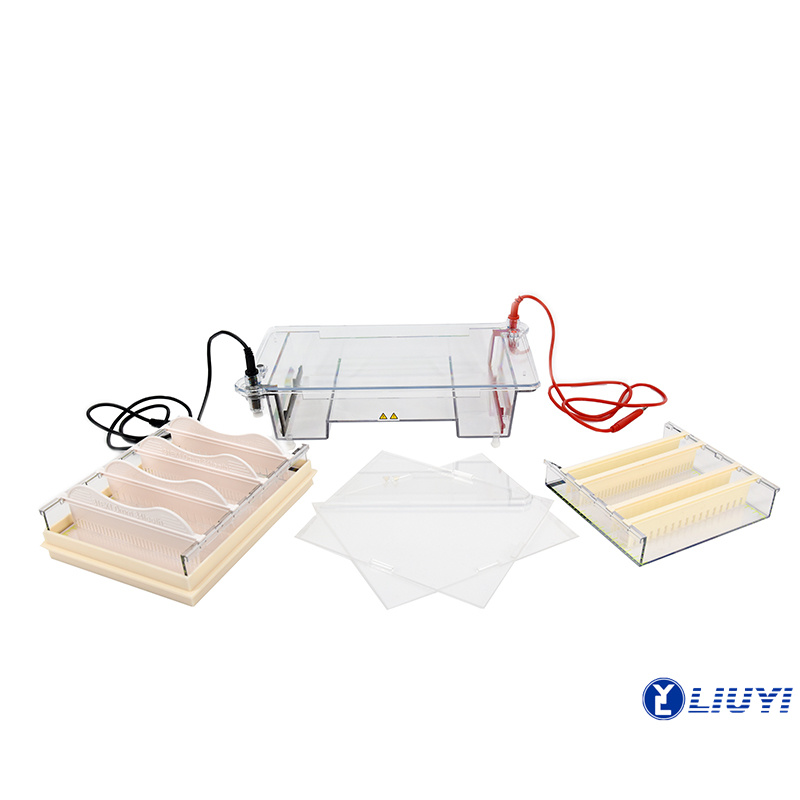
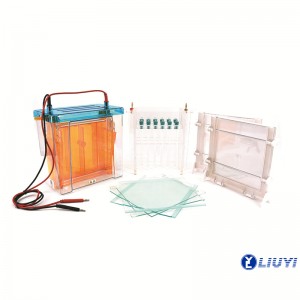
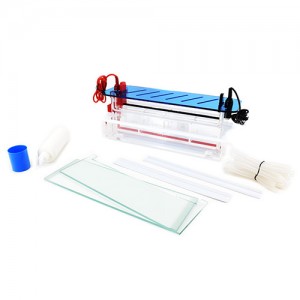
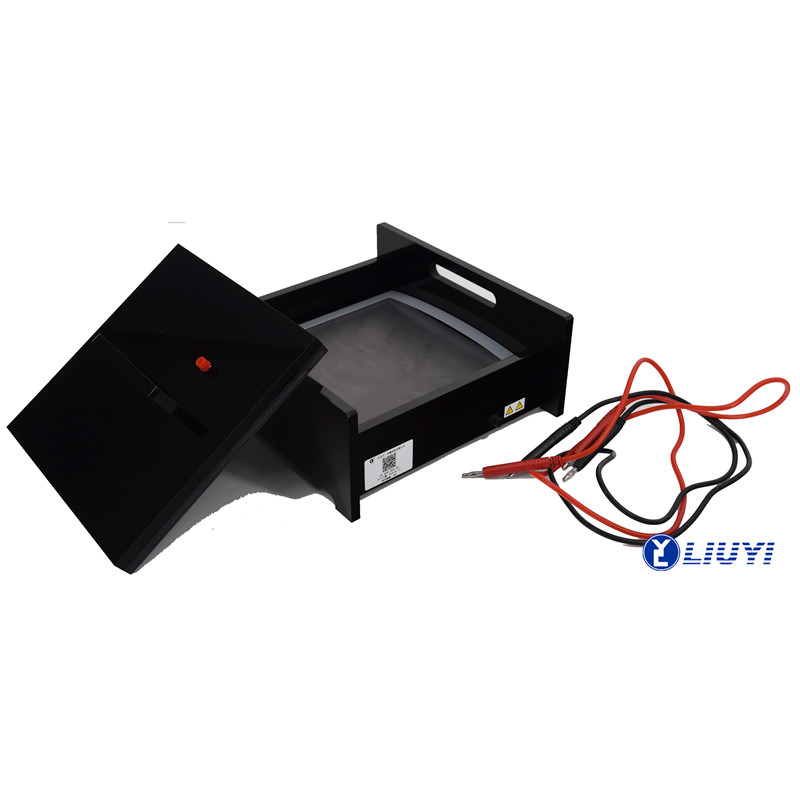
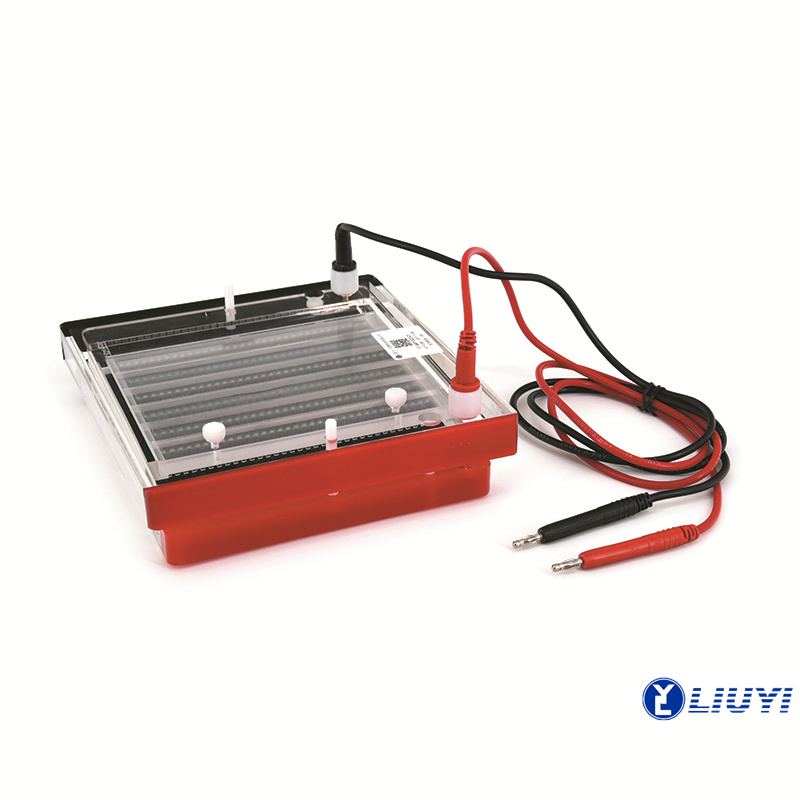
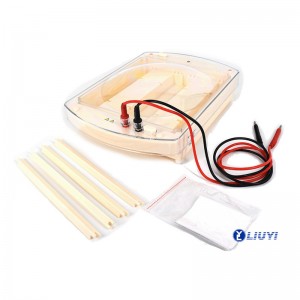
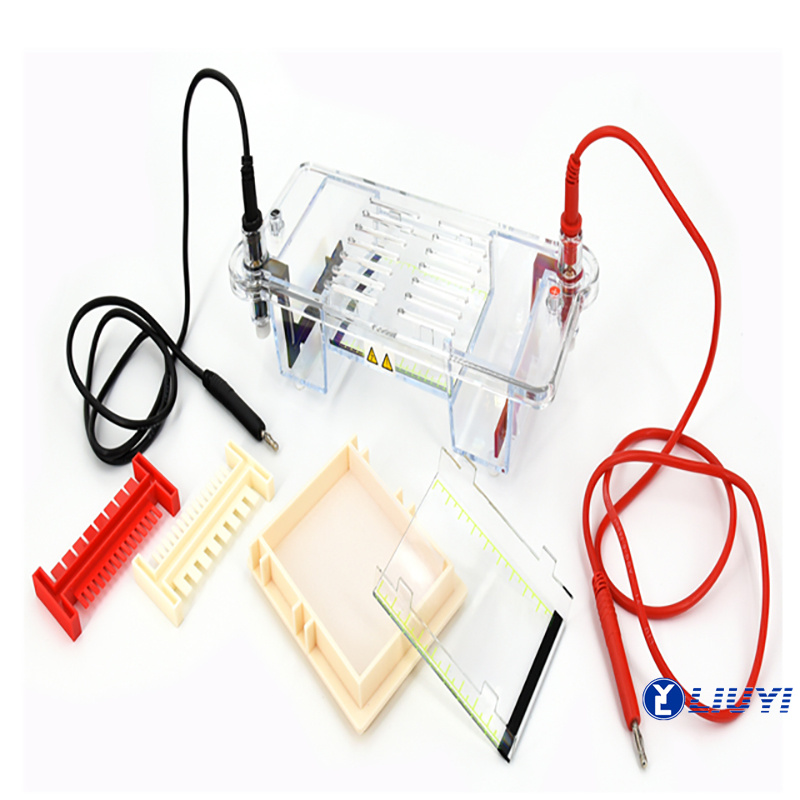
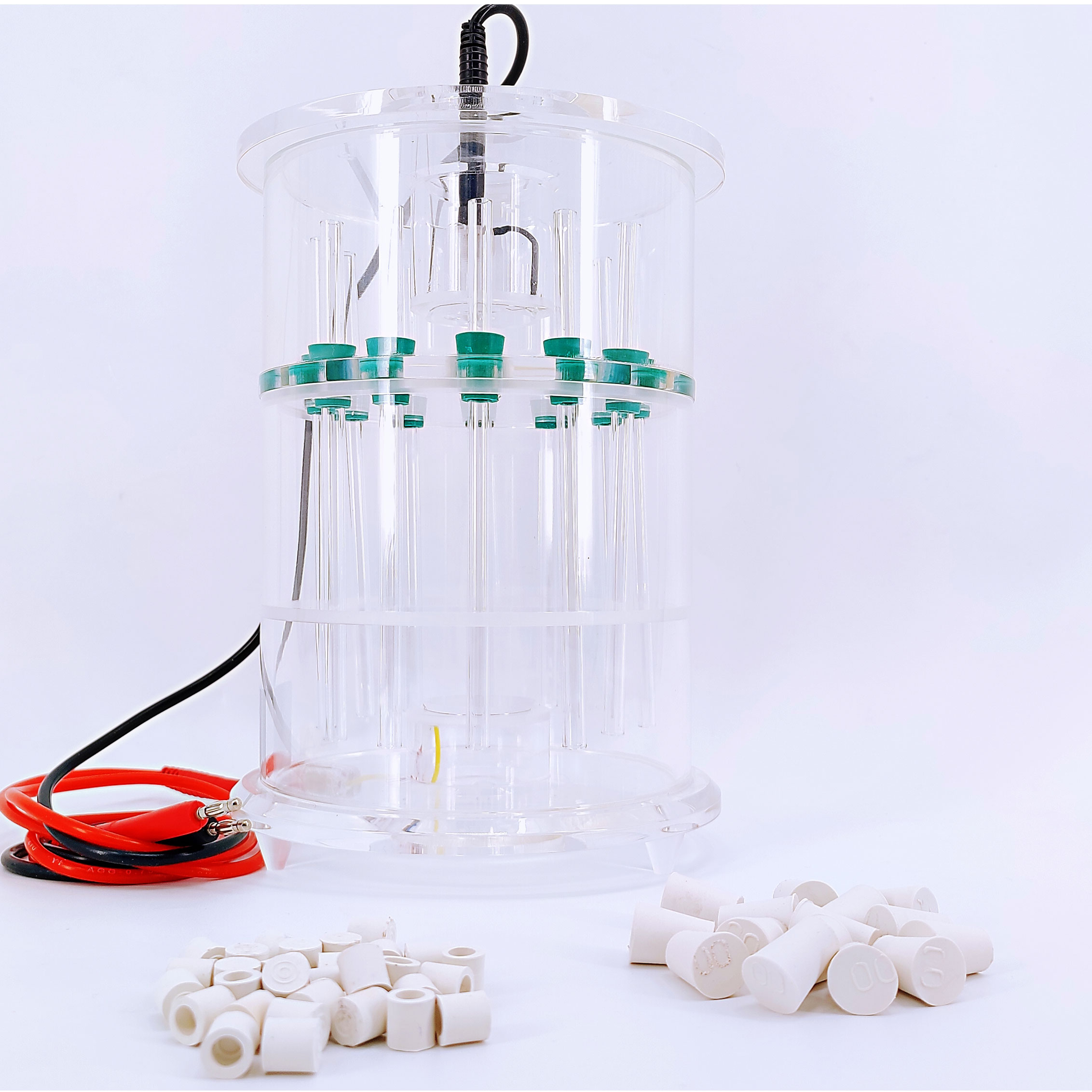
Modern horizontal electrophoresis cells like the DYCP-31CN and DYCP-31E provide the stable, reproducible electric field control needed for high-quality native nucleic acid gel runs, while tube gel systems such as the DYCZ-27B enable classic native tube PAGE for protein analysis with excellent band resolution and minimal convection artifacts.
Our Company
The trusted leader in electrophoresis instrumentation for life science laboratories
Beijing Liuyi Biotechnology Co., Ltd.
Beijing Liuyi Biotechnology Co., Ltd., formerly known as Beijing Liuyi Instrument Factory, established in 1970, is a national high technology enterprise with a long history. It is a leading and the biggest manufacturer in electrophoresis instrument for life science laboratories in China.
Based on the life science and biotechnology industries, our main products always hold a domestic industry leading position and are well-known in the industry, exported to other countries and areas. We have our own R&D team, open to scientific research innovation, market development first, industry and combined with the development, the economic scale of our company has seen rapid growth for several years.
We are the key supplier for government purchase projects, and we have nearly 2000 dealers in China. Our products have been exported to more than ten countries including America, Brazil, Mexico, India, Africa, Chile, Singapore and more. We are dedicated to offering our products throughout the world.
Our Team
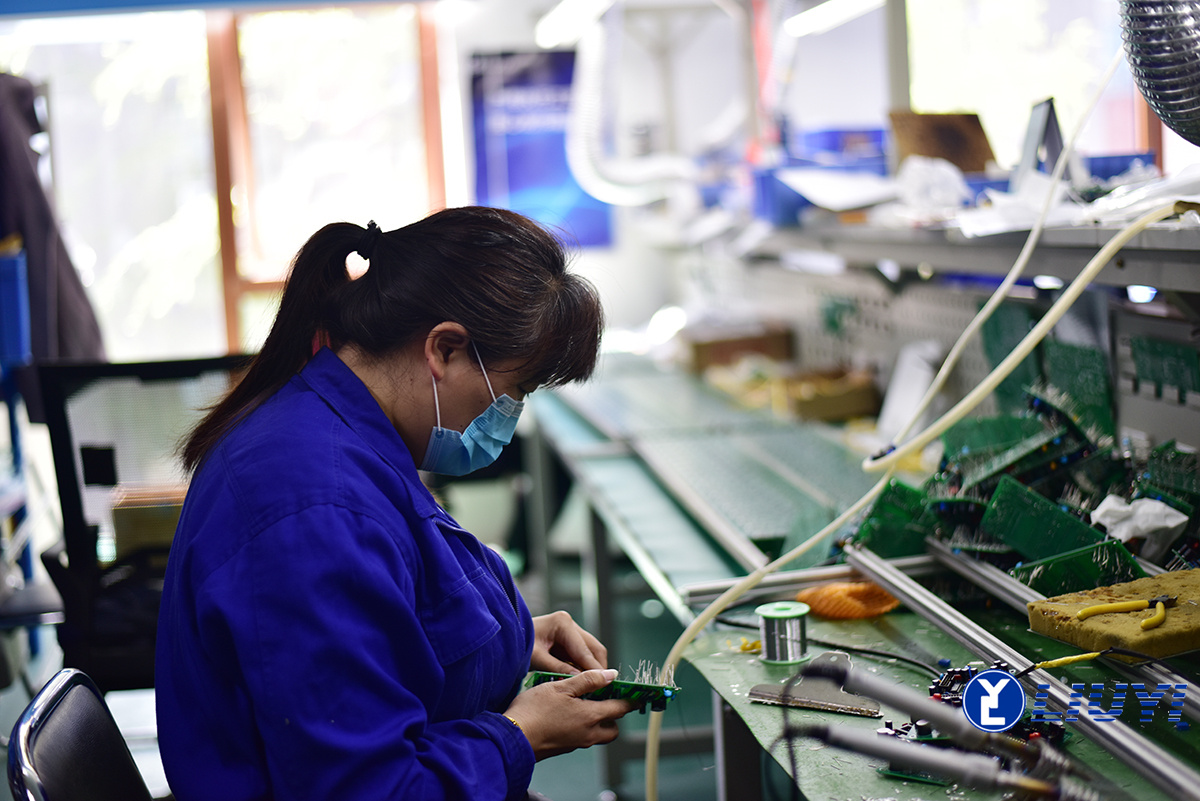
Liuyi has specialized in manufacturing electrophoresis instruments for more than 50 years with our own professional technical team and R&D center. We have a reliable and complete production line from design to inspection, and warehouse, as well as marketing support.
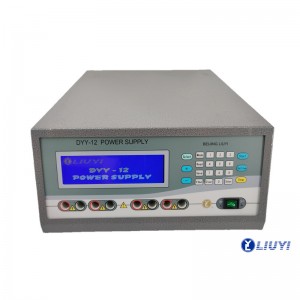
Our main products are Electrophoresis Cell (tank/chamber), Electrophoresis Power Supply, Blue LED Transilluminator, UV Transilluminator, Gel Image & Analysis System, and more. According to your requirements, we can provide customized service for you.
Our engineering team continuously innovates to develop electrophoresis solutions that address the evolving needs of capillary electrophoresis for native gel runs, ensuring that our instruments meet the highest standards of performance, reliability, and regulatory compliance.
Certificate
Quality, compliance, and international recognition at the core of everything we manufacture
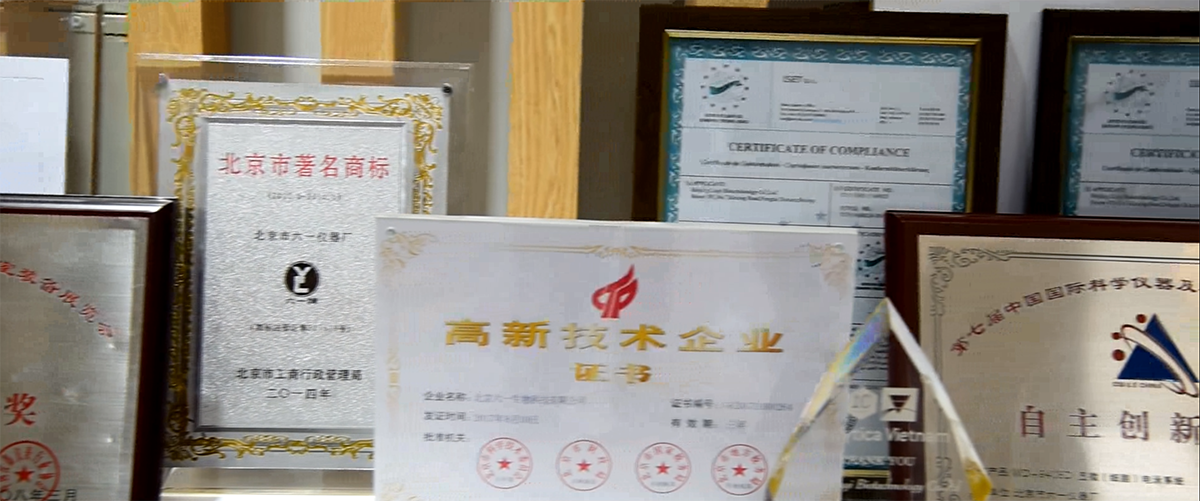
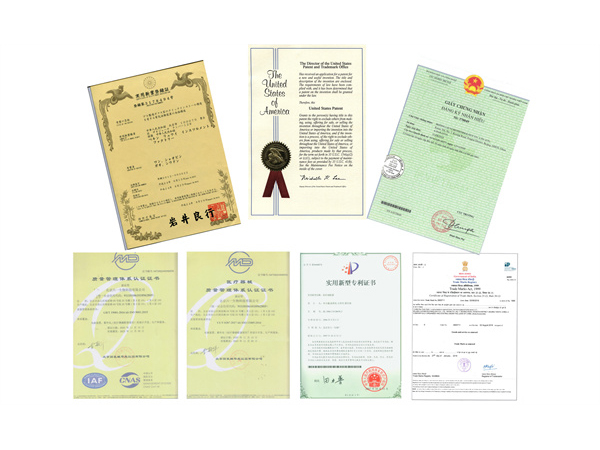
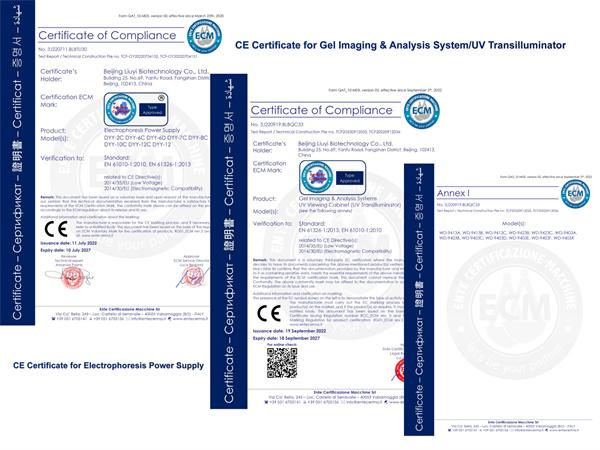
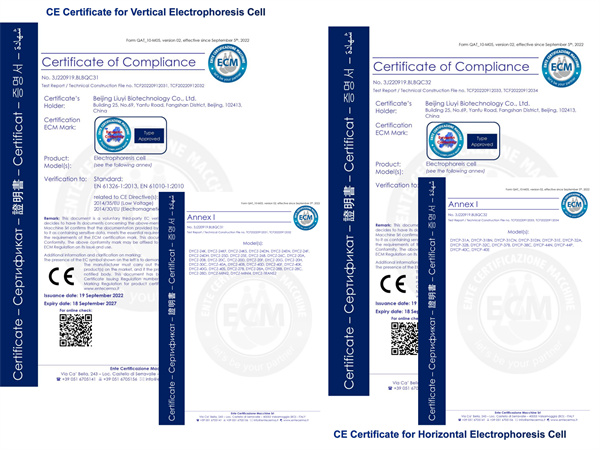
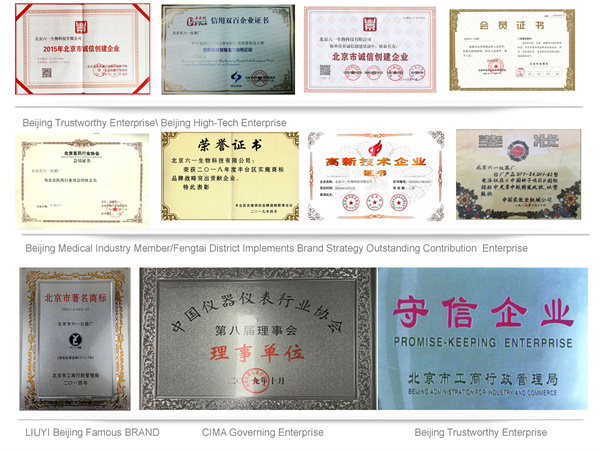
Liuyi has been awarded a variety of certificates and enterprise qualifications along with its high reputation in the industry. We are ISO 9001 & ISO 13485 certified company and some of our products have CE certificates. Since 2003, Liuyi as the only medical device manufacturer in Beijing medical industry has been awarded as "PROMISE-KEEPING ENTERPRISE" by Beijing Administration for Industry and Commerce.
In 2008, Liuyi is honored as the famous trademark of Beijing. Our trademark is under the protection of Madrid Protocol in 7 countries including the United States, the United Kingdom, Japan, South Korea, Singapore, Greece, and Zambia in 2005, as well we have registered our trademark in India and Vietnam.
- ISO 9001, ISO 13485 Double Certified Enterprise
- National High-tech Enterprise
- Three main products passed CE certification
- LIUYI Beijing Famous Brand
- The Drafting Enterprise for pharmaceutical industry standards and national standards
- First Class Medical Device Filled Certificate
- China Utility Model Patent Certificate
- Japanese and American patents
- India and Vietnam registered trademark
- Beijing Trustworthy Enterprise
- CIMA Governing Enterprise
- Undertake China Torch Plan Program
Main Products for Native Gel Electrophoresis
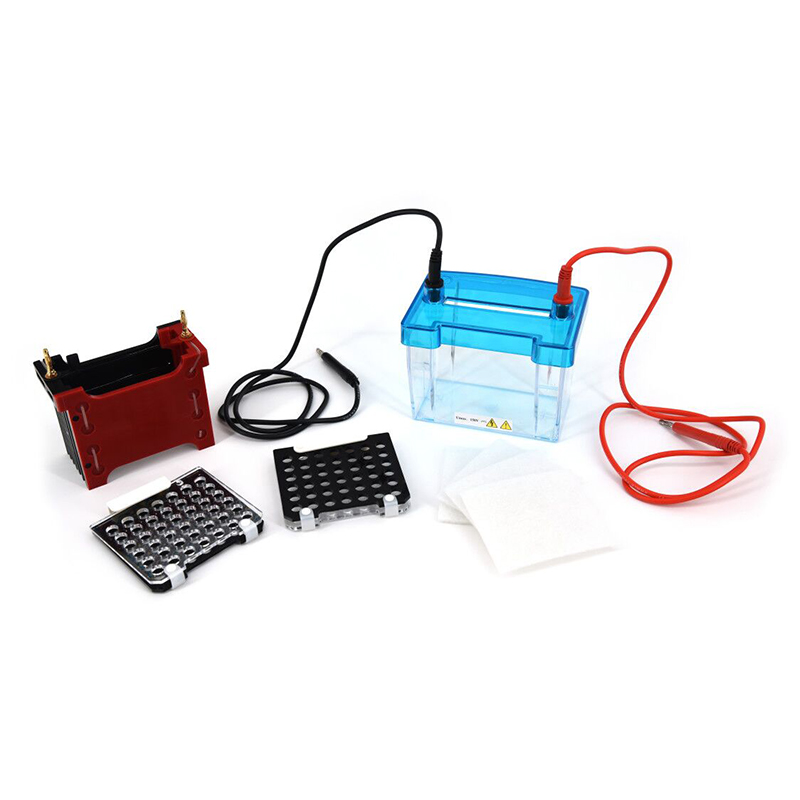
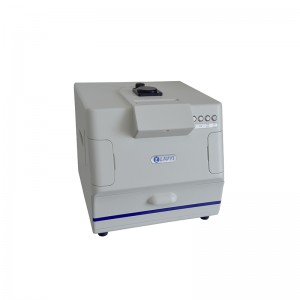
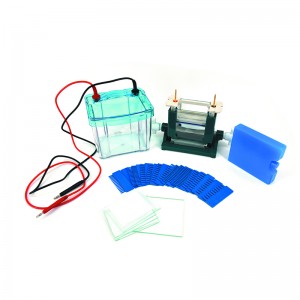
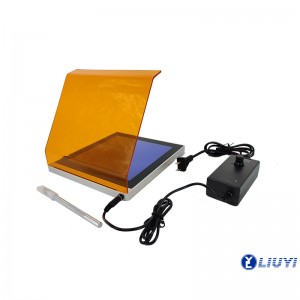
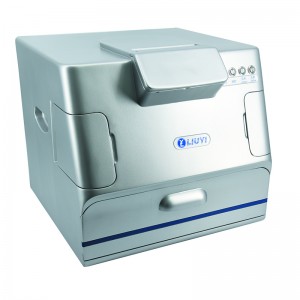
Beijing Liuyi Biotechnology has launched new products for protein analysis, western blotting and gel observation. DYCZ-MINI series are fully compatible with the main international brands, and can run up to four precast or handcast polyacrylamide gels. The trans-blot module of DYCZ-TRANS2 is compatible with the chamber of DYCZ-MINI series. The WD-9403B can observe gel for nucleic acid electrophoresis. These new products are all durable, versatile, and easy to assemble. Welcome to contact us for more details!


Complete Electrophoresis Product Series for Native Gel Capillary Runs
Explore our full range of instruments and accessories designed for capillary electrophoresis native gel workflows
-

Phone
-

E-mail
-

Whatsapp
-

Top