


Featured SDS-PAGE Electrophoresis Systems
Explore our flagship electrophoresis machines and accessories, precision-engineered for SDS-PAGE protein analysis, nucleic acid separation, and advanced molecular diagnostics.
What Is SDS-PAGE & Why Electrophoresis Machines Matter
Understanding SDS-PAGE Technology
SDS-PAGE (Sodium Dodecyl Sulfate–Polyacrylamide Gel Electrophoresis) is one of the most powerful and widely adopted analytical techniques in modern biochemistry, molecular biology, and biomedical research. By denaturing proteins with SDS and separating them by molecular weight through an electric field across a polyacrylamide gel matrix, SDS-PAGE provides unparalleled resolution for protein identification, purity assessment, and quantification.
The accuracy and reproducibility of SDS-PAGE results are directly determined by the quality of the electrophoresis machine used. Stable voltage control, superior cooling systems, and consistent gel casting all contribute to sharper band resolution and more reliable data.
⚡ Key Insight: High-performance electrophoresis machines with precision power delivery and advanced thermal management are critical to achieving reproducible, publication-quality SDS-PAGE results in both research and industrial QC workflows.
The Role of Advanced Electrophoresis Machines
Modern electrophoresis machines for SDS-PAGE have evolved far beyond simple power supply and buffer tank systems. Today's leading instruments integrate digital microprocessor control, programmable run protocols, multi-gel capacity, and compatibility with precast gel systems — dramatically reducing hands-on time and human error.
For high-throughput laboratories in pharmaceutical development, clinical diagnostics, food safety testing, and academic research, an electrophoresis machine must deliver consistent field strength, optimized buffer flow, and precise temperature regulation across every run — from rapid mini-gel separations to high-capacity preparative gels.
Beijing Liuyi Biotechnology Co., Ltd. has been at the forefront of electrophoresis machine innovation for over 50 years, offering a comprehensive product ecosystem that meets the most demanding SDS-PAGE requirements worldwide.
Core Advantages of Liuyi Electrophoresis Machines for SDS-PAGE
Engineered with AI-inspired precision technology and decades of R&D expertise to meet the highest standards of SDS-PAGE analysis.
Precision Power Control
Microprocessor-regulated power supplies deliver stable voltage, current, and wattage with ±0.1% accuracy, ensuring every SDS-PAGE separation is consistent and reproducible across runs and operators.
Superior Band Resolution
Optimized electrode geometry and buffer distribution systems minimize band distortion and streaking, delivering sharp protein bands for accurate molecular weight determination in SDS-PAGE gels.
Advanced Thermal Management
Integrated cooling systems maintain optimal gel temperature during SDS-PAGE runs, preventing protein denaturation artifacts and supporting high-voltage rapid separation protocols.
Versatile Gel Compatibility
Compatible with handcast polyacrylamide gels and major precast gel formats, offering flexibility for routine SDS-PAGE as well as specialty applications including gradient gels and 2D electrophoresis.
High-Throughput Capacity
Multi-gel vertical systems enable simultaneous SDS-PAGE analysis of up to four gels per run, maximizing laboratory throughput for proteomics screening, QC testing, and batch release analysis.
ISO-Certified Quality
All Liuyi electrophoresis machines are manufactured under ISO 9001 & ISO 13485 certified quality management systems, with CE-certified products trusted by researchers across 50+ countries worldwide.
Commercial & Industrial Landscape of SDS-PAGE Electrophoresis Machines
The global electrophoresis equipment market is experiencing robust growth driven by expanding biotechnology pipelines, pharmaceutical QC demands, and clinical diagnostics innovation.
Global Market Growth
The global gel electrophoresis market was valued at over USD 1.1 billion in 2023 and is projected to grow at a CAGR exceeding 6.2% through 2030, with SDS-PAGE systems representing the largest segment. This growth is propelled by accelerating investment in biologics development, biosimilar manufacturing QC, proteomics research, and point-of-care diagnostic platform development.
In China, the domestic electrophoresis equipment market has expanded rapidly alongside government investment in life sciences and pharmaceutical innovation, with domestic manufacturers like Beijing Liuyi Biotechnology increasingly competitive against international brands in both quality and value.
Industrial QC and Regulatory Compliance
Regulatory agencies including the FDA, EMA, and NMPA increasingly require SDS-PAGE-based purity and identity testing as part of biologics and biosimilar release testing workflows. This regulatory demand is driving pharmaceutical and biotechnology manufacturers worldwide to invest in high-reliability electrophoresis machines capable of generating audit-ready, GMP-compliant data.
Key Industrial Adoption Drivers
Several macro-level trends are accelerating industrial adoption of advanced SDS-PAGE electrophoresis systems:
Biologics Boom: The explosive growth of monoclonal antibody (mAb) therapeutics, ADCs, gene therapy vectors, and mRNA vaccines has created massive demand for high-throughput protein characterization tools including SDS-PAGE under reducing and non-reducing conditions.
Food Safety & Authenticity Testing: Regulatory frameworks in the EU, US, and Asia-Pacific now mandate protein electrophoresis for allergen profiling, species authentication, and adulteration detection in food products, creating a large and growing industrial QC market for compact, automated electrophoresis systems.
Academic & Clinical Research Expansion: Globally expanding university research budgets and clinical research organization (CRO) capacity are fueling ongoing demand for reliable, cost-effective SDS-PAGE systems for everyday protein analysis workflows.
In-Depth Application Scenarios for SDS-PAGE Electrophoresis Machines
From fundamental research to industrial production control, electrophoresis machines for SDS-PAGE serve as indispensable tools across diverse scientific and industrial domains.
Biopharmaceutical Protein QC
SDS-PAGE is mandatory in GMP environments for batch release testing of therapeutic proteins, monoclonal antibodies, insulin, erythropoietin, and other biologics. Electrophoresis machines must deliver GLP-compliant, highly reproducible results with clear molecular weight markers and quantifiable band intensities for regulatory submissions to FDA, EMA, and NMPA.
Proteomics & Structural Biology
High-resolution SDS-PAGE is foundational in proteomics workflows including 2D-DIGE, shotgun proteomics sample fractionation, and protein complex characterization. Advanced electrophoresis systems with 2D capability (such as the DYCZ-26C) enable comprehensive proteome mapping for disease biomarker discovery and drug target identification.
Food Safety & Agricultural Testing
SDS-PAGE electrophoresis is widely used by food safety laboratories to detect protein adulterants, verify species composition of meat and seafood products, identify gluten proteins in wheat varieties, and characterize seed storage proteins for crop breeding and variety protection programs.
Clinical Diagnostics & Immunology
Protein electrophoresis and western blotting workflows — both reliant on SDS-PAGE separation — are essential for diagnosing paraproteinemias, multiple myeloma, autoimmune disorders, and infectious diseases. Clinical laboratories require robust electrophoresis machines offering rapid turnaround, low sample volume requirements, and high lane-to-lane consistency.
Western Blot & Protein Transfer Workflows
SDS-PAGE is the essential first step in western blotting — proteins separated by size are transferred to membranes for antibody-based detection. Electrophoresis machines with integrated blotting modules (such as Liuyi's DYCZ-TRANS2 system) streamline the complete workflow from gel separation to membrane transfer, saving time and improving data quality.
Environmental & Forensic Analysis
SDS-PAGE electrophoresis plays an emerging role in environmental proteomics for monitoring microbial community protein expression in soil and water ecosystems, as well as in forensic science for species identification from biological trace evidence — applications that require high sensitivity and versatile molecular weight separation range.
Future Development Trends in SDS-PAGE Electrophoresis Technology
The electrophoresis machine industry is undergoing transformative change driven by automation, miniaturization, and digital integration.
🤖 Intelligent Automation
Next-generation electrophoresis machines incorporate AI-driven run parameter optimization, automated gel loading, real-time band detection, and robotic sample handling — enabling fully automated SDS-PAGE workflows with minimal operator intervention and audit-trail data capture for GMP environments.
📱 Miniaturization & Microfluidics
Chip-based microfluidic SDS-PAGE systems are reducing analysis time from hours to minutes and sample volume requirements from microliters to nanoliters, opening new possibilities for single-cell proteomics, point-of-care diagnostics, and field-deployable protein analysis instruments.
☁️ Digital Connectivity & IoT
Modern electrophoresis systems increasingly feature cloud-connected data management, remote monitoring capabilities, LIMS integration, and 21 CFR Part 11-compliant electronic records — transforming SDS-PAGE from a standalone technique into a fully integrated component of the digital laboratory ecosystem.
⚡ High-Speed & High-Resolution
Advances in precast gel chemistry, buffer systems, and power supply technology are enabling rapid SDS-PAGE separations in 15–20 minutes with resolution comparable to traditional 90-minute runs, dramatically improving laboratory throughput without compromising data quality.
🌱 Sustainability & Green Design
Environmental sustainability is becoming a key design criterion, with electrophoresis equipment manufacturers developing energy-efficient power supplies, recyclable gel cassette systems, reduced-volume buffer systems, and hazardous waste minimization features to support laboratory sustainability goals.
🔗 Integrated Multi-Omics Platforms
SDS-PAGE electrophoresis is increasingly integrated into multi-omics analytical platforms that combine protein separation with mass spectrometry, fluorescence imaging, and next-generation sequencing workflows — enabling comprehensive molecular profiling from a single sample preparation.
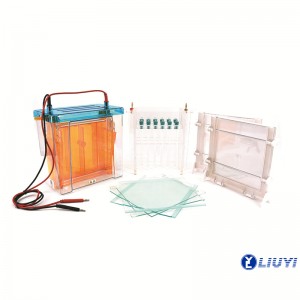
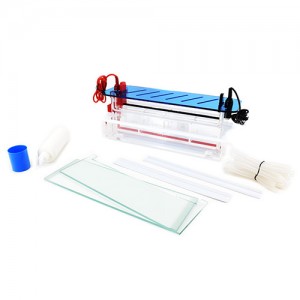
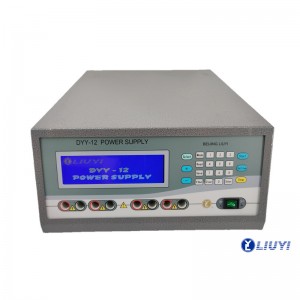
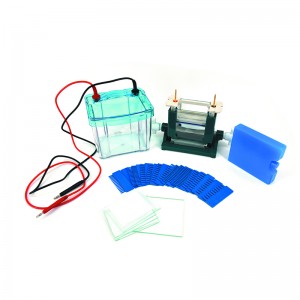
Main Products for SDS-PAGE & Protein Electrophoresis


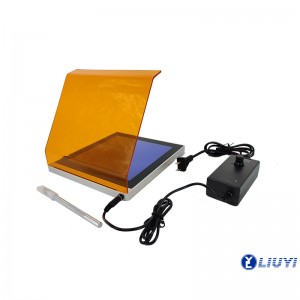
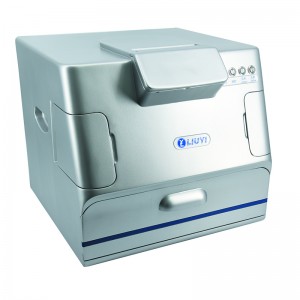
Our Company
Beijing Liuyi Biotechnology Co., Ltd.
Beijing Liuyi Biotechnology Co., Ltd., formerly known as Beijing Liuyi Instrument Factory, established in 1970, is a national high technology enterprise with a long history. It is a leading and the biggest manufacturer in electrophoresis instrument for life science laboratories in China.
Based on the life science and biotechnology industries, our mainly products always in the domestic industry leading firm and well-known in the industry, exported to other countries and areas. We have our own R&D team, open to scientific research innovation, market development first, industry and combined with the development, the economic scale of our company have rapid growth for several years.
Our products have been exported to more than ten countries including America, Brazil, Mexico, India, Africa, Chile, Singapore etc. We are dedicated to offering our products throughout the world.
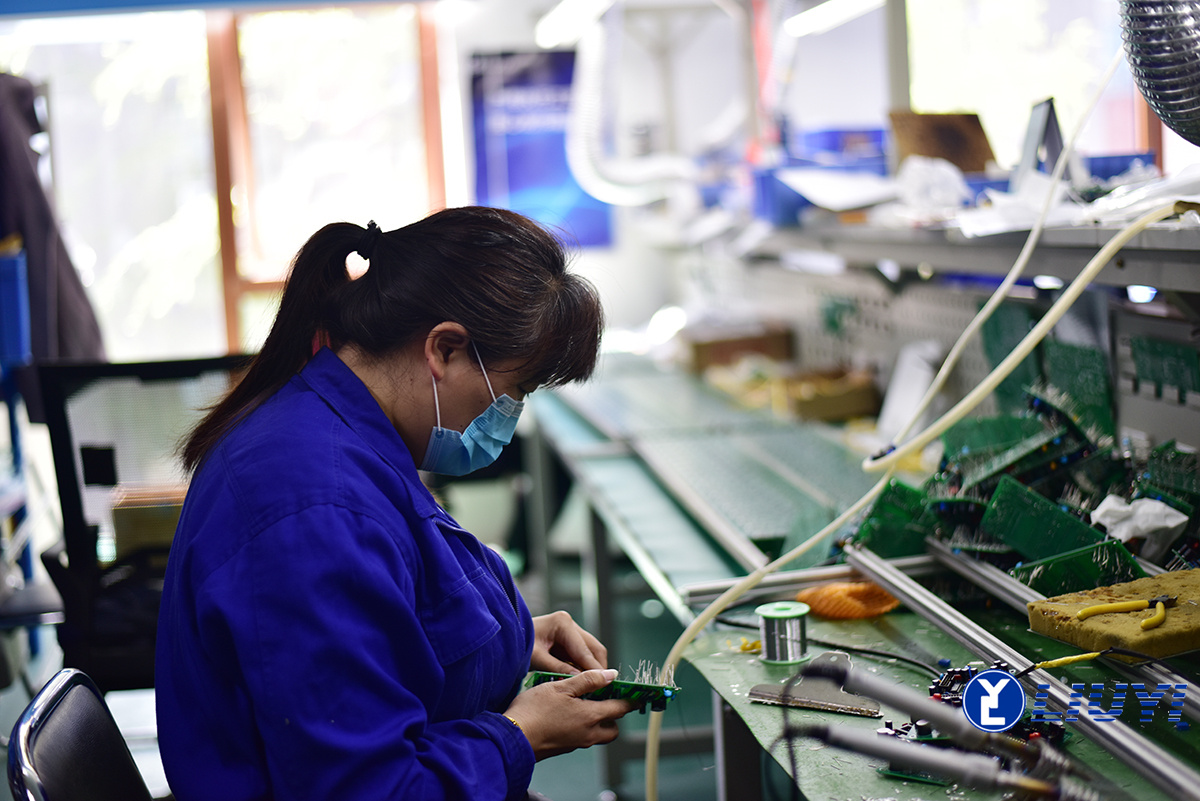
Our Team
Liuyi has specialized in manufacturing electrophoresis instruments for more than 50 years with our own professional technical team and R&D center. We have reliable and complete production lines from design to inspection, warehouse, as well as marketing support. Our main products are Electrophoresis Cell (tank/chamber), Electrophoresis Power Supply, Blue LED Transilluminator, UV Transilluminator, Gel Image & Analysis System etc. According to your requirements, we can provide customized service for you.
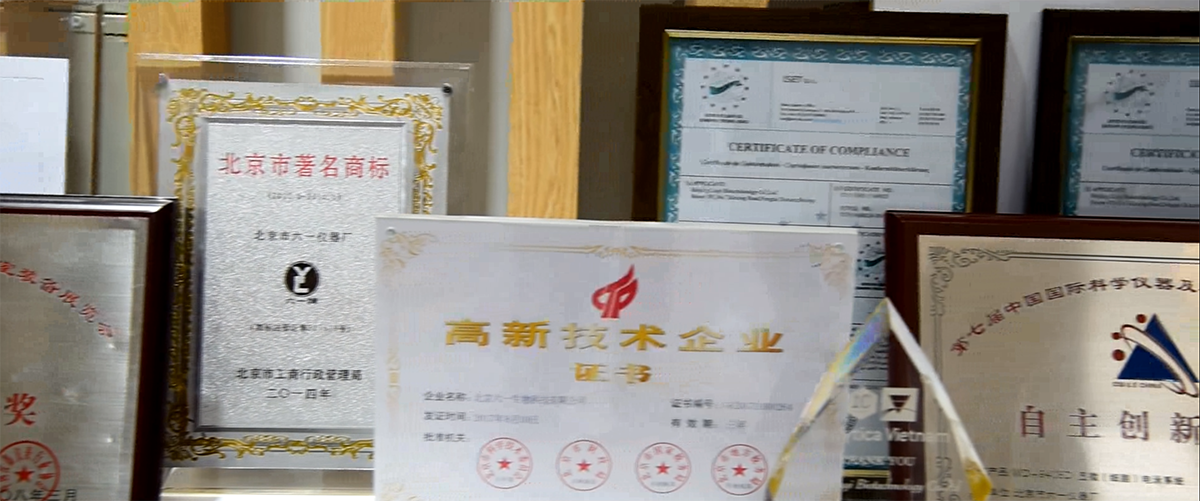
Certificate
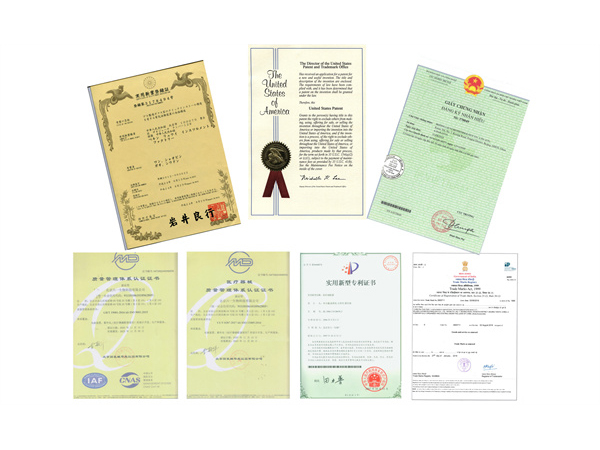
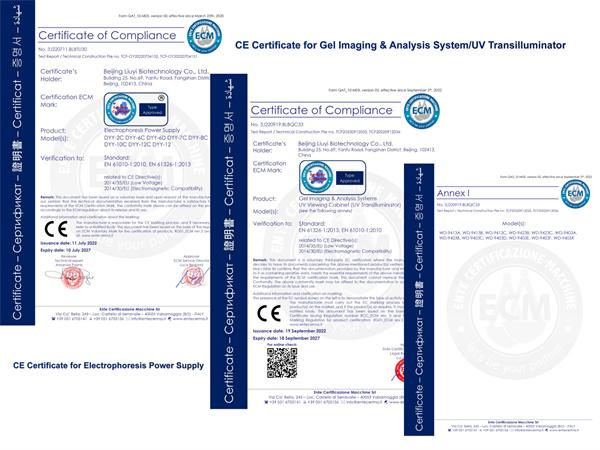
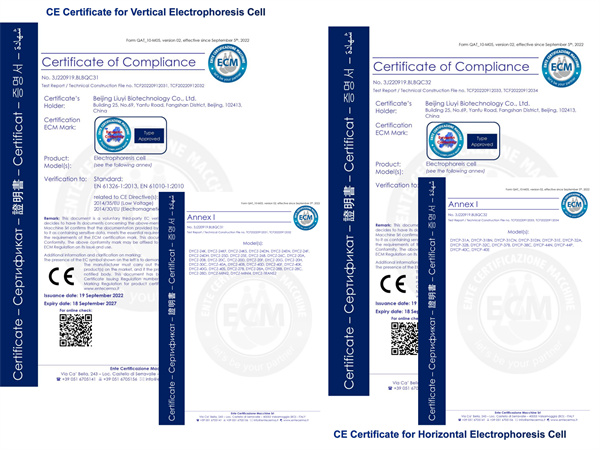
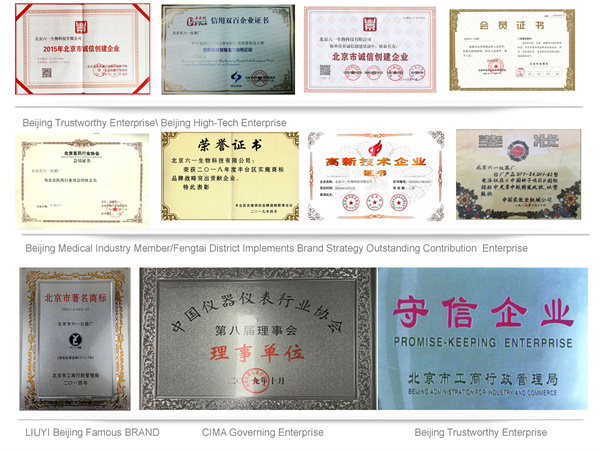
Liuyi has been awarded variety certificates and enterprise qualifications along with its high reputation in industry. We are ISO 9001 & ISO 13485 certified company and some of our products have CE certificates. Since 2003, Liuyi as the only medical device manufacturer in Beijing medical industry has been awarded as "PROMISE-KEEPING ENTERPRISE" by Beijing Administration for Industry and Commerce.
In 2008, Liuyi is honored as the famous trademark of Beijing. Our trademark is under the protection of Madrid Protocol in 7 countries including the United States, the United Kingdom, Japan, South Korea, Singapore, Greece, and Zambia in 2005, as well we have registered our trademark in India and Vietnam.
- ISO9001, ISO13485 Double Certified Enterprise
- National High-tech Enterprise
- Three main products passed CE certification
- LIUYI Beijing Famous BRAND
- Drafting Enterprise for pharmaceutical industry & national standards
- First Class Medical Device Filled Certificate
- China Utility Model Patent Certificate
- Japanese and American patents
- India and Vietnam registered trademark
- Beijing Trustworthy Enterprise
- CIMA Governing Enterprise
- Undertake China Torch plan program
Complete SDS-PAGE Electrophoresis Product Range
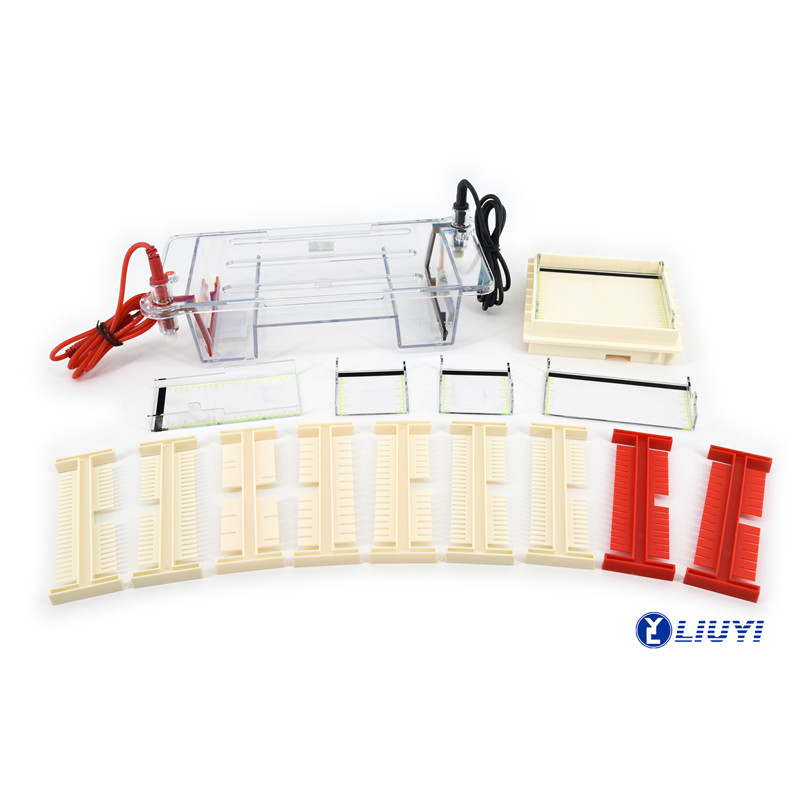
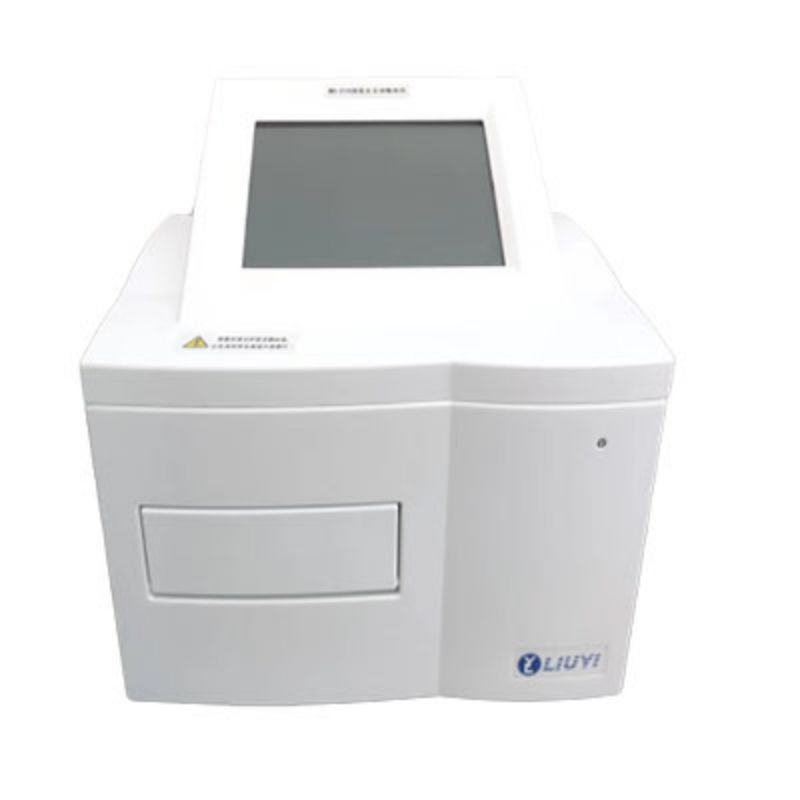
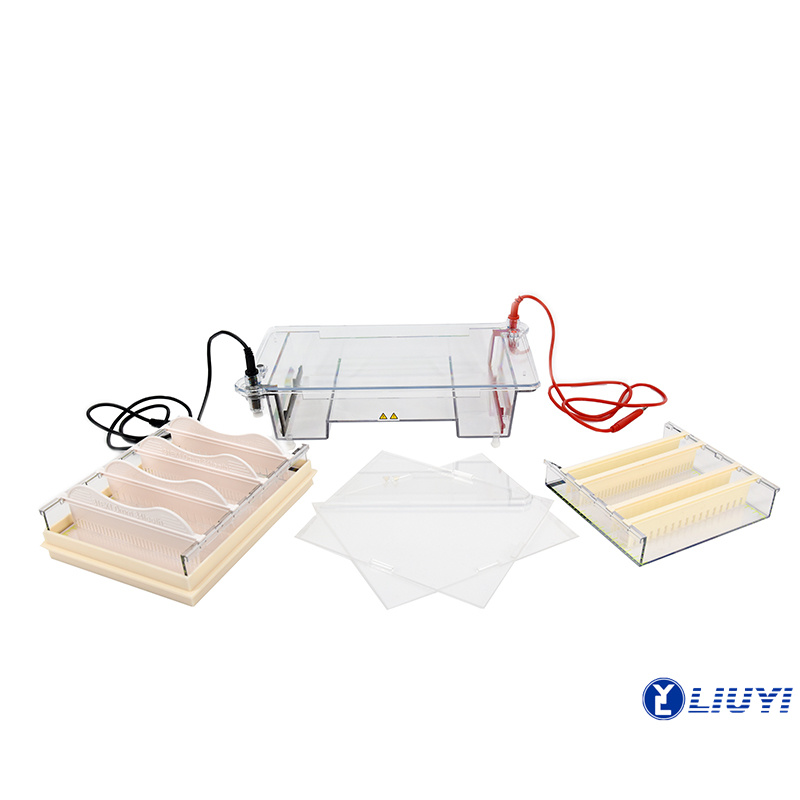
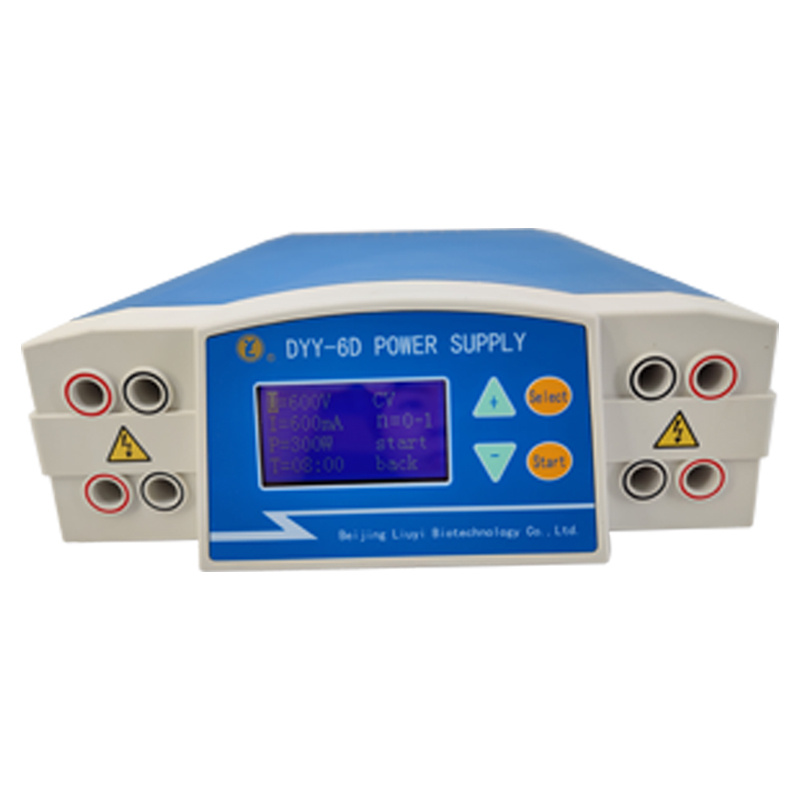
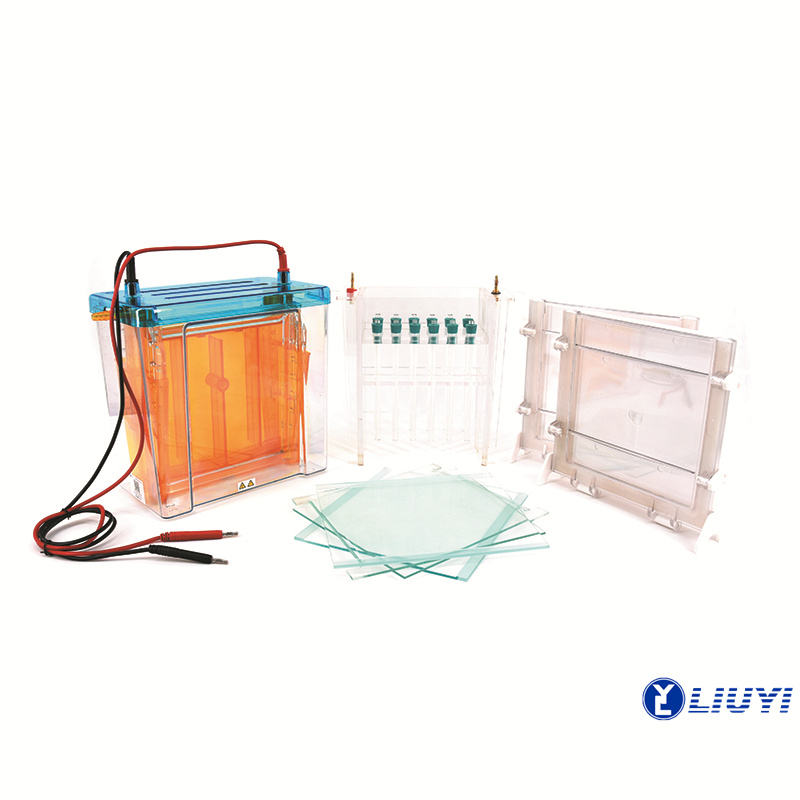
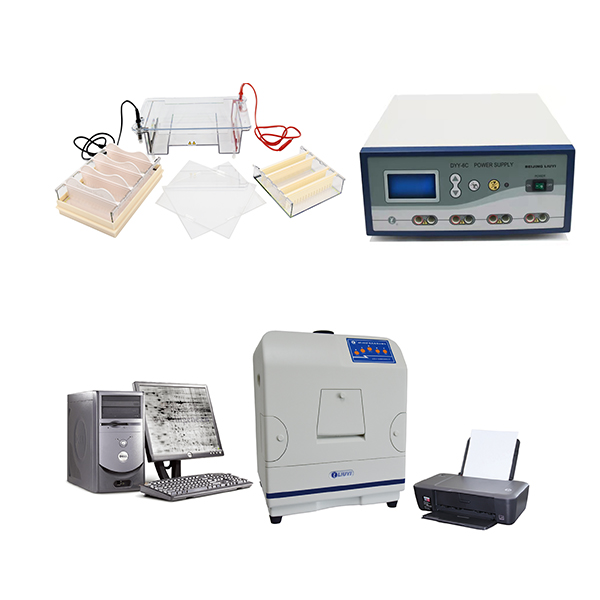
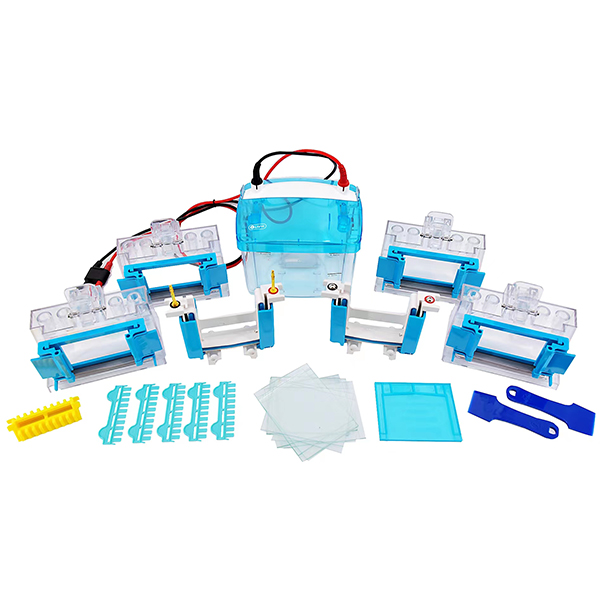
A comprehensive selection of electrophoresis machines, accessories, and complete SDS-PAGE system solutions from Beijing Liuyi Biotechnology — your trusted partner for life science laboratory instrumentation.
-

Phone
-

E-mail
-

Whatsapp
-

Top