


Featured SDS-PAGE Electrophoresis Instruments
Precision-engineered equipment for SDS-PAGE tests and comprehensive electrophoresis workflows
What Is SDS-PAGE Electrophoresis?
A cornerstone technique in life science research, diagnostics, and industrial biotechnology
SDS-PAGE (Sodium Dodecyl Sulfate–Polyacrylamide Gel Electrophoresis) is one of the most fundamental and widely utilized analytical techniques in biochemistry and molecular biology. It separates proteins by molecular weight using an electric field, with SDS denaturing proteins and imparting a uniform negative charge so that migration through the polyacrylamide gel matrix is determined purely by size. Since its introduction by Laemmli in 1970, SDS-PAGE electrophoresis has become indispensable for SDS-PAGE tests across academic, clinical, and industrial settings.
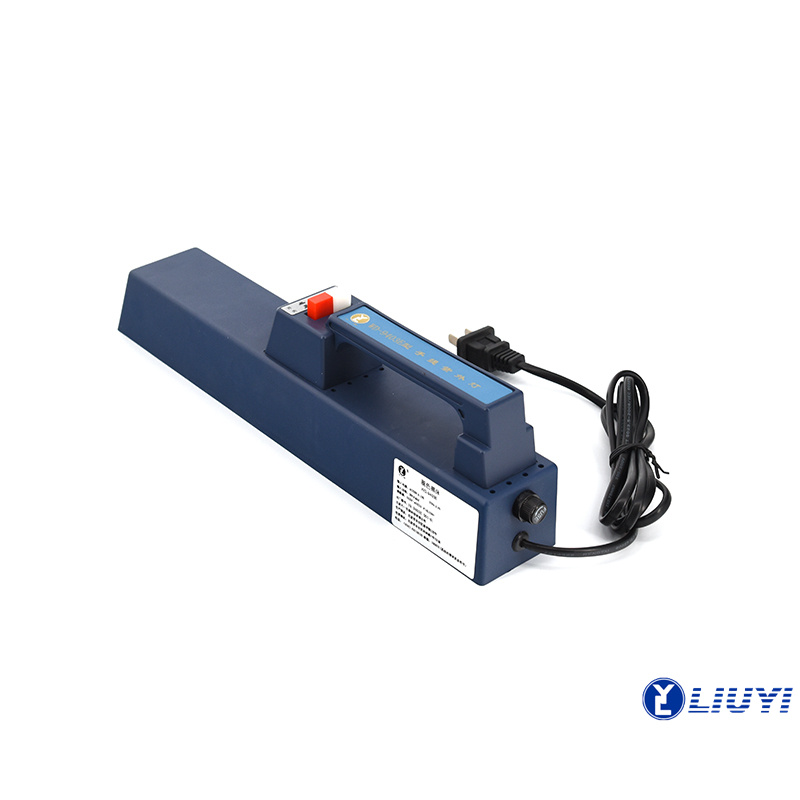
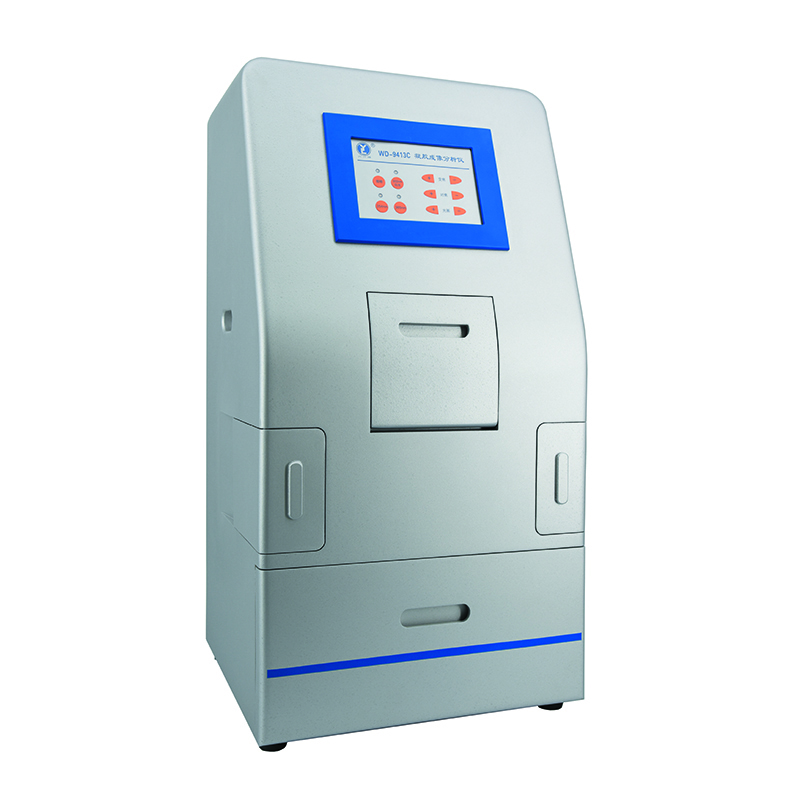
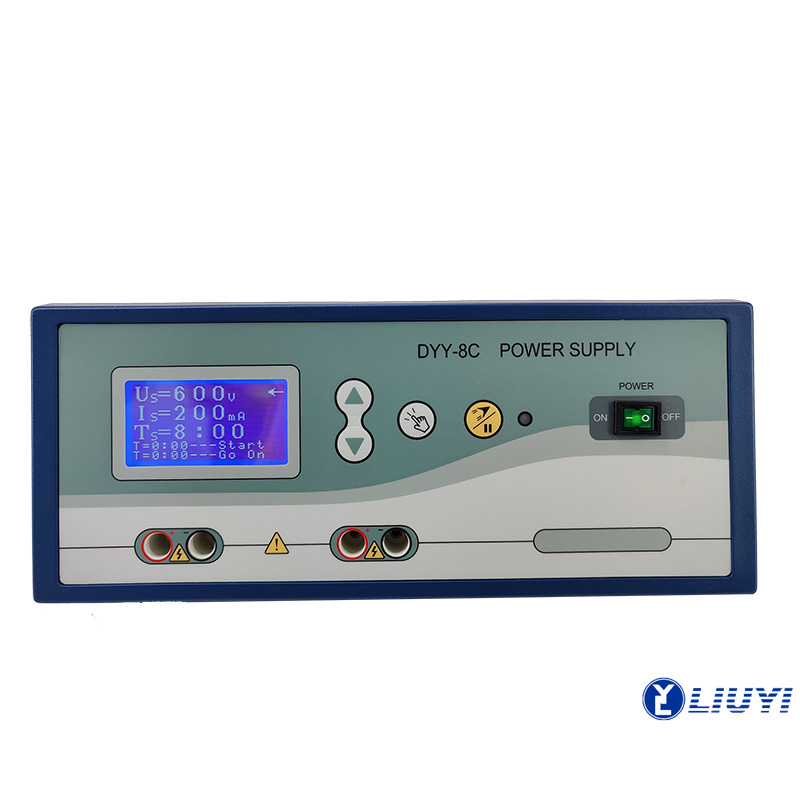
The SDS-PAGE test procedure involves preparing a polyacrylamide gel, loading protein samples treated with SDS and a reducing agent such as beta-mercaptoethanol or DTT, and applying a constant electric field via a precision electrophoresis power supply. Proteins migrate toward the positive electrode (anode), with smaller proteins moving faster through the gel pores. After electrophoresis is complete, gels are stained — commonly with Coomassie Blue or silver staining — and visualized under a UV transilluminator or gel imaging system to reveal distinct protein bands corresponding to molecular weight markers.
Modern SDS-PAGE electrophoresis systems have evolved dramatically from their origins. Today's instruments incorporate digital power supply controls, temperature regulation, multi-gel running chambers, and seamlessly integrated gel imaging and analysis platforms. High-throughput vertical electrophoresis cells allow laboratories to run multiple gels simultaneously, dramatically improving productivity for demanding SDS-PAGE tests in research and commercial environments.
Why SDS-PAGE Electrophoresis Remains Essential
Unmatched capabilities across research, diagnostics, and industrial applications
Precision Molecular Separation
SDS-PAGE delivers exceptional resolution of proteins ranging from 10 kDa to over 200 kDa, providing clear, reproducible band patterns critical for both qualitative identification and quantitative analysis in SDS-PAGE tests.
High-Throughput Capacity
Advanced electrophoresis systems enable simultaneous multi-gel runs with stable voltage control, dramatically accelerating workflow throughput for large-scale protein characterization studies.
Versatile Application Range
From basic protein profiling and purity assessment to complex proteomics, western blotting preparation, and biopharmaceutical quality control, SDS-PAGE electrophoresis adapts to virtually every protein analysis need.
Digital Gel Analysis
Integrated gel imaging and analysis systems enable precise band quantification, molecular weight estimation, and digital archiving, elevating SDS-PAGE test data management to professional standards.
Regulatory Compliance
Instruments certified to ISO 9001 and ISO 13485 standards ensure SDS-PAGE tests meet stringent quality management requirements for pharmaceutical, clinical, and regulated research environments.
Global Industry Standard
SDS-PAGE electrophoresis remains the gold-standard reference technique for protein analysis worldwide, referenced in pharmacopoeias, regulatory guidelines, and countless peer-reviewed publications annually.
Commercial & Industrial Landscape of SDS-PAGE Electrophoresis
How SDS-PAGE tests are driving innovation across global industries
The global electrophoresis market, anchored significantly by SDS-PAGE technologies, has been experiencing robust growth driven by expanding pharmaceutical R&D investment, the rapid rise of biologics and biosimilars, and increasing demand for advanced proteomics workflows. According to industry analysts, the global electrophoresis market is projected to surpass USD 3.5 billion by 2028, with SDS-PAGE instruments and consumables representing a substantial share of this growth.
In the biopharmaceutical sector, SDS-PAGE electrophoresis plays a mission-critical role in monoclonal antibody characterization, vaccine development, and the purity verification of recombinant proteins. Regulatory bodies including the FDA and EMA mandate SDS-PAGE tests as part of biologic drug approval processes, ensuring manufacturers demonstrate consistent protein identity and purity across production batches. This regulatory requirement has created a steady, high-volume demand for reliable and validated SDS-PAGE equipment.
Food and beverage testing is another rapidly growing commercial application. Manufacturers and certification laboratories employ SDS-PAGE electrophoresis to detect protein adulterants, verify species authenticity in meat products, analyze gluten proteins in grain products, and screen allergen cross-contamination. With food safety regulations tightening globally, particularly in the EU, North America, and Southeast Asia, SDS-PAGE test capacity is being rapidly expanded in commercial food testing laboratories.
The clinical diagnostics segment continues to leverage SDS-PAGE electrophoresis for serum protein analysis, including the detection of monoclonal immunoglobulins in plasma cell disorders (multiple myeloma), hemoglobin variant characterization, and lipoprotein profiling. Automated and semi-automated SDS-PAGE systems are increasingly being adopted in hospital-based and independent clinical laboratories to handle growing test volumes.
Development Trends in SDS-PAGE Electrophoresis
The future of SDS-PAGE tests — smarter, faster, and more integrated
🤖AI-Powered Gel Analysis
Artificial intelligence and machine learning algorithms are being integrated into gel imaging and analysis systems to automate band detection, molecular weight calculation, and purity quantification for SDS-PAGE tests. These AI-driven platforms reduce human error, accelerate result reporting, and enable seamless data integration with laboratory information management systems (LIMS).
🔗Lab Automation Integration
Next-generation SDS-PAGE electrophoresis platforms are designed for direct integration with liquid handling robots, automated sample preparation systems, and digital data pipelines. This enables end-to-end automated SDS-PAGE test workflows that eliminate manual steps, reduce contamination risk, and deliver consistent, reproducible results even at very high throughput.
🌱Miniaturization & Microfluidics
Chip-based and microfluidic SDS-PAGE platforms are transforming point-of-care and field-deployable protein analysis. These miniaturized systems require only nanoliter sample volumes, deliver results in minutes rather than hours, and are enabling SDS-PAGE tests in settings previously inaccessible — including bedside diagnostics, food safety field testing, and environmental monitoring.
🌿Sustainable & Green Electrophoresis
Environmental awareness is reshaping SDS-PAGE test consumable design. LED-based transilluminators are replacing traditional UV lamps, non-toxic gel staining alternatives to ethidium bromide are becoming standard, and biodegradable gel matrix formulations are under active development. Equipment manufacturers like Liuyi are investing in energy-efficient power supplies and modular designs that extend instrument lifespan and reduce electronic waste.
💊Biologics & Biosimilar Boom
The explosive growth of the biologics pharmaceutical market — with global biologics sales exceeding USD 400 billion — has created unprecedented demand for rigorous SDS-PAGE electrophoresis quality control. As biosimilar manufacturers must demonstrate analytical comparability to reference products, SDS-PAGE tests are increasingly applied across the entire biologics development and manufacturing pipeline, from early cell line development through final release testing.
🔬High-Resolution 2D Electrophoresis
Two-dimensional electrophoresis combining isoelectric focusing (IEF) in the first dimension with SDS-PAGE in the second dimension is gaining traction in advanced proteomics research and clinical biomarker discovery. Next-generation 2D SDS-PAGE systems offer improved reproducibility, expanded detection sensitivity, and compatibility with downstream mass spectrometry identification workflows.
In-Depth Application Scenarios for SDS-PAGE Tests
Exploring the full spectrum of SDS-PAGE electrophoresis deployment across sectors
Biopharmaceutical Manufacturing
SDS-PAGE electrophoresis is applied at every stage of biopharmaceutical production — from upstream cell culture protein expression verification through downstream purification monitoring, formulation stability testing, and final product release QC for monoclonal antibodies, therapeutic enzymes, and recombinant hormones.
Agricultural Biotechnology
In agricultural biotech, SDS-PAGE tests verify the expression of transgenes in genetically modified crops, characterize seed storage proteins for variety authentication, and support the development of novel plant-derived pharmaceutical proteins (molecular farming). Electrophoresis is also used in plant pathology labs to identify viral coat proteins during disease outbreak investigations.
Clinical & Diagnostic Laboratories
Hospital and clinical reference laboratories use SDS-PAGE electrophoresis for serum protein electrophoresis (SPE), immunofixation electrophoresis (IFE), urine protein characterization, and cerebrospinal fluid analysis. These SDS-PAGE tests provide essential diagnostic data for hematological malignancies, nephrotic syndromes, and inflammatory diseases.
Food Safety & Authenticity Testing
SDS-PAGE electrophoresis enables species identification in processed foods, detection of undeclared protein additives, verification of heat treatment intensity in dairy products via whey protein denaturation patterns, and quality grading of fish and meat products based on myosin and actin band profiles — a growing need as global food labeling regulations tighten.
Proteomics & Drug Discovery
Modern drug discovery pipelines integrate SDS-PAGE tests for target protein validation, hit-to-lead compound protein binding studies, and pharmacodynamic biomarker analysis. Two-dimensional SDS-PAGE, coupled with mass spectrometry, enables comprehensive proteome mapping for disease biomarker discovery and mechanism-of-action studies.
Forensic & Environmental Science
Forensic laboratories employ SDS-PAGE electrophoresis for forensic protein analysis from trace biological evidence, including bloodstain typing and hair protein profiling. Environmental scientists apply SDS-PAGE tests to analyze microbial community protein expression in soil, water, and biofilm samples, supporting ecosystem health monitoring and bioremediation research.
 Main SDS-PAGE Electrophoresis Products
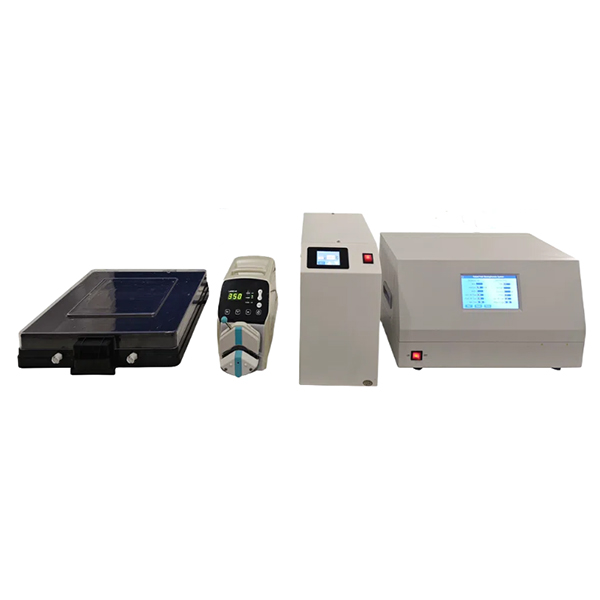
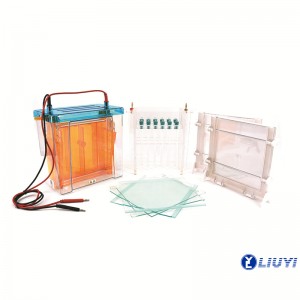
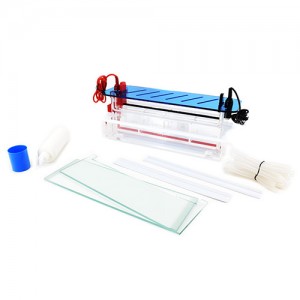
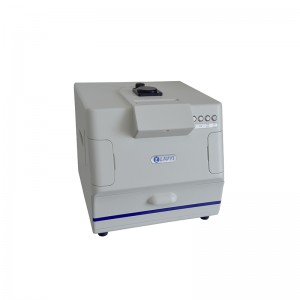
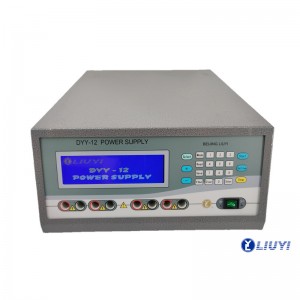
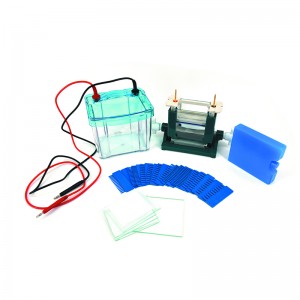
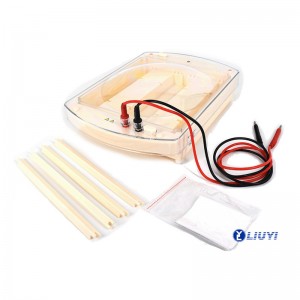
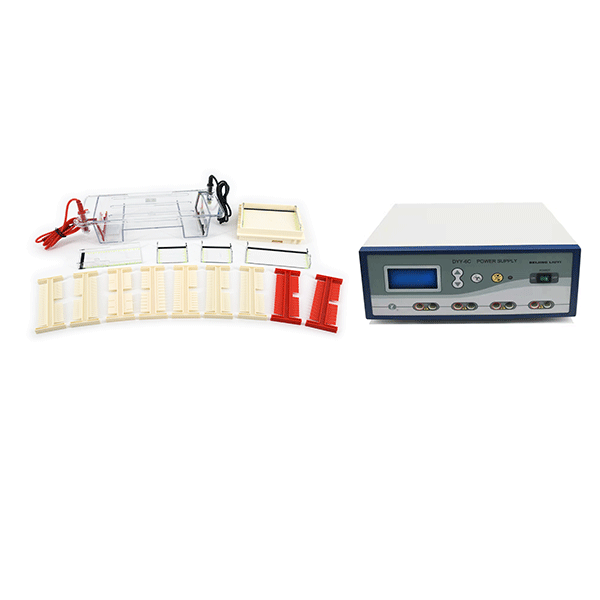
Beijing Liuyi Biotechnology Co., Ltd has launched new products for protein analysis, western blotting and gel observation. DYCZ-MINI series are fully compatible with the main international brands, and can run up to four precast or handcast polyacrylamide gels. The trans-blot module of DYCZ-TRANS2 is compatible with the chamber of DYCZ-MINI series. The WD-9403B can observe gel for nucleic acid electrophoresis. These new products are all durable, versatile, and easy to assemble. Welcome to contact us for more details!


Complete SDS-PAGE Test Equipment Range
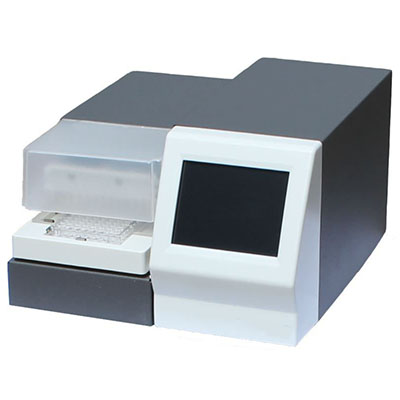
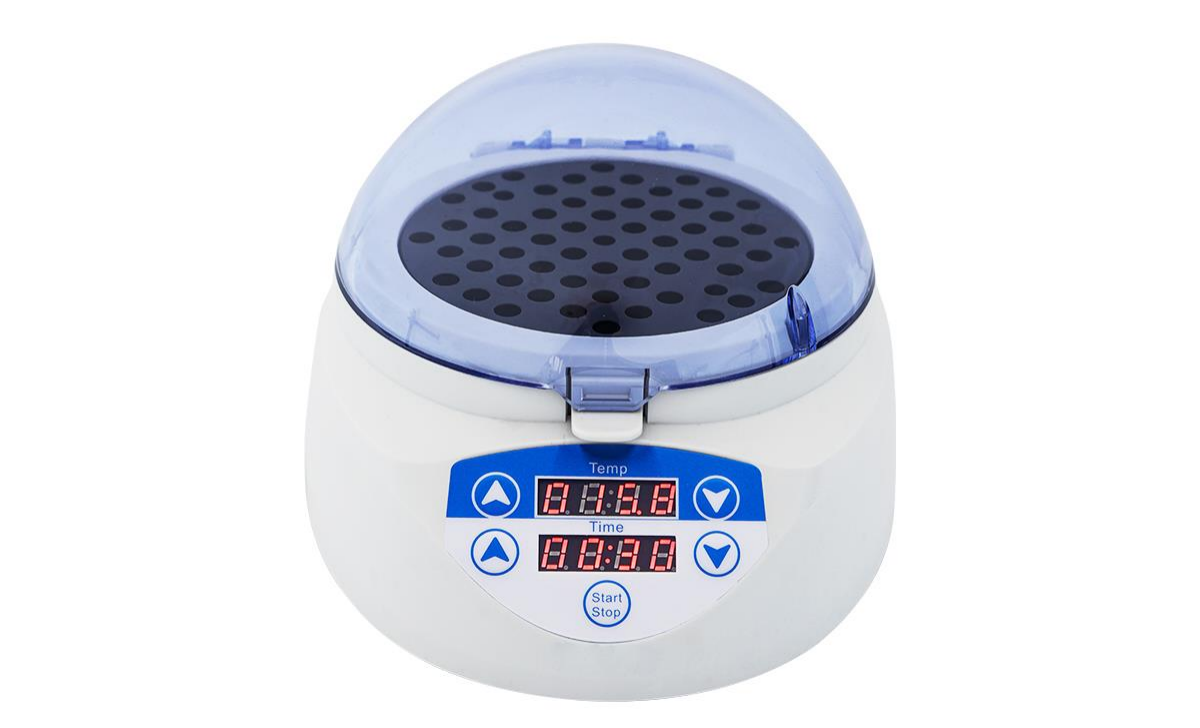
Full suite of electrophoresis and laboratory instruments for every SDS-PAGE workflow

Our Company
Beijing Liuyi Biotechnology Co., Ltd., formerly known as Beijing Liuyi Instrument Factory, established in 1970, is a national high technology enterprise with a long history. It is a leading and the biggest manufacturer in electrophoresis instrument for life science laboratories in China.
Based on the life science and biotechnology industries, our mainly products always in the domestic industry leading firm and well-known in the industry, exported to other countries and areas. We have our own R&D team, open to scientific research innovation, market development first, industry and combined with the development, the economic scale of our company have rapid growth for several years.
Based on life science and biotechnology industry, with excellent reputation, we offer reliable quality products and good service to our customers in China and overseas. We are the key supplier for the government purchase projects, and we have nearly 2000 dealers in China. Our products have been exported to more than ten countries including America, Brazil, Mexico, India, Africa, Chile, Singapore etc. We are dedicated to offering our products throughout the world.
Our Team
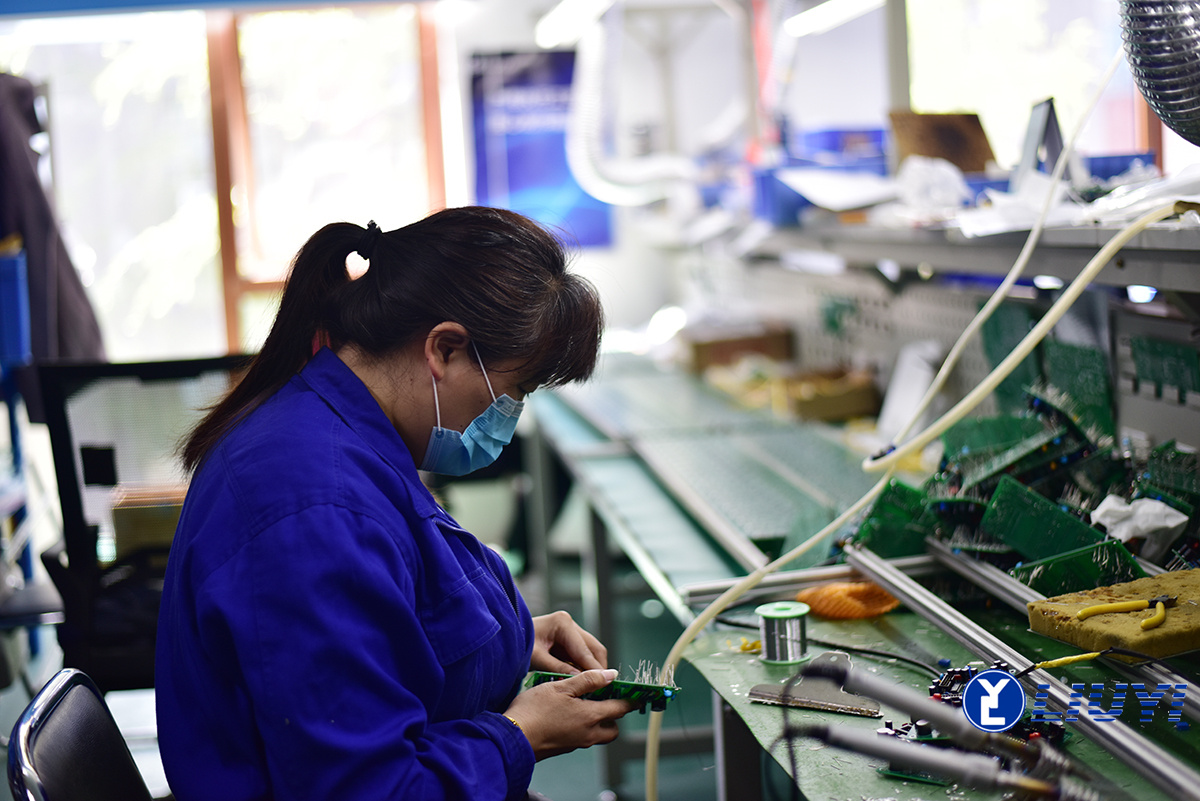
Liuyi has specialized in manufacturing electrophoresis instruments for more than 50 years with our own professional technical team and R&D center. We have reliable and complete production line from design to inspection, and warehouse, as well as marketing support. Our main products are Electrophoresis Cell (tank/chamber), Electrophoresis Power Supply, Blu LED Transilluminator, UV Transilluminator, Gel Image & Analysis System etc. According to your requirements, we can provide customized service for you.
Certificate & Awards
Recognized globally for quality, innovation, and reliability in electrophoresis manufacturing
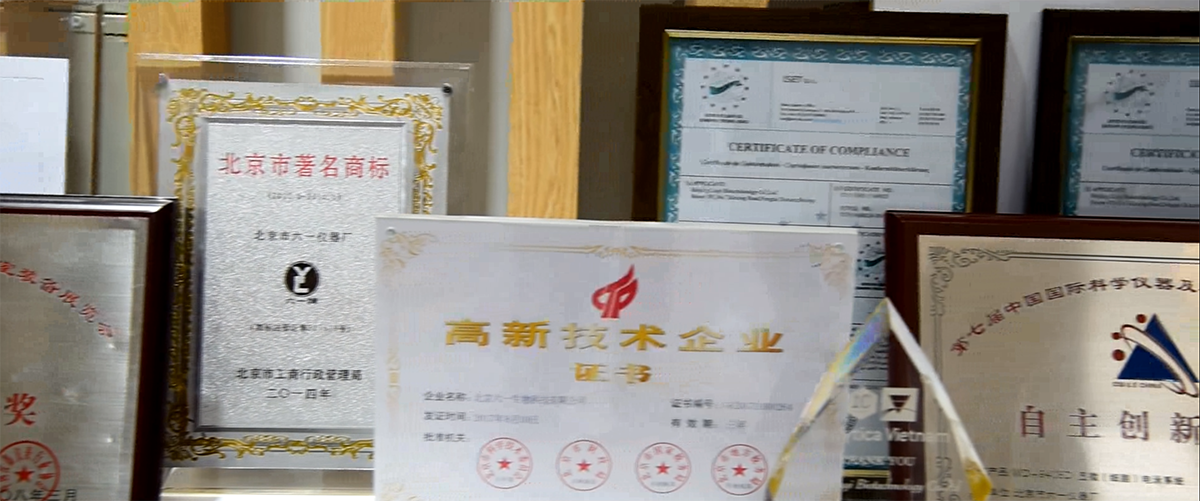
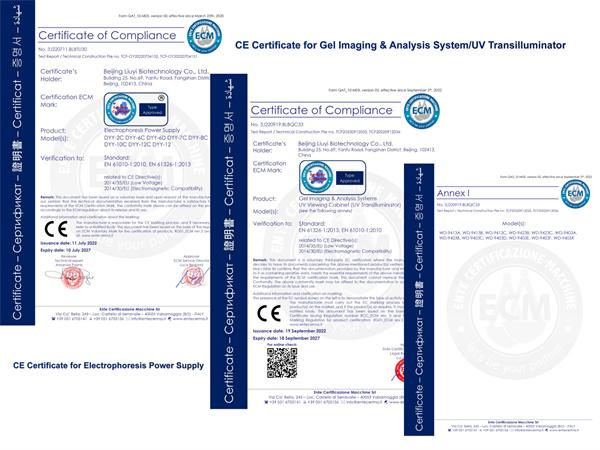
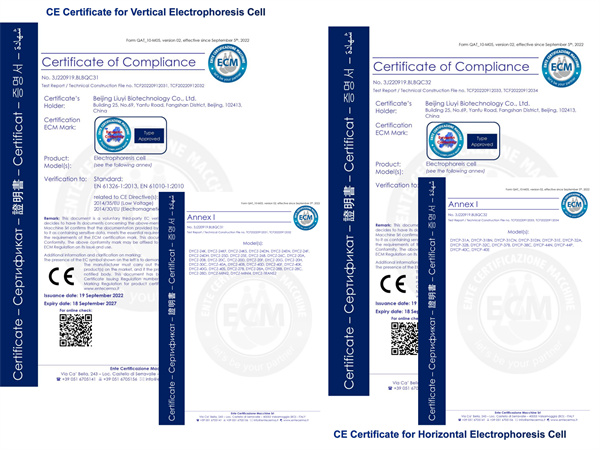
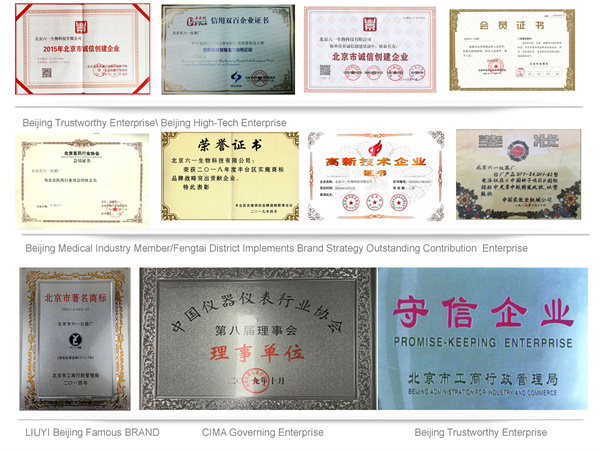
Liuyi has been awarded variety certificates and enterprise qualifications along with its high reputation in industry. We are ISO 9001 & ISO 13485 certified company and some of our products have CE certificates. Since 2003, Liuyi as the only medical device manufacturer in Beijing medical industry has been awarded as "PROMISE-KEEPING ENTERPRISE" by Beijing Administration for Industry and Commerce.
In 2008, Liuyi is honored as the famous trademark of Beijing. Our trademark is under the protection of Madrid Protocol in 7 countries including the United States, the United Kingdom, Japan, South Korea, Singapore, Greece, and Zambia in 2005, as well we have registered our trademark in India and Vietnam.
- ISO9001, ISO13485 Double Certified Enterprise
- National High-tech Enterprise
- Three main products passed CE certification
- LIUYI Beijing Famous BRAND
- The Drafting Enterprise for pharmaceutical industry standards and national standards
- First Class Medical Device Filled Certificate
- China Utility Model Patent Certificate
- Japanese and American Patents
- India and Vietnam Registered Trademark
- Beijing Trustworthy Enterprise
- CIMA Governing Enterprise
- Undertake China Torch Plan Program

Ready to Elevate Your SDS-PAGE Tests?
Partner with Beijing Liuyi Biotechnology — over 50 years of electrophoresis expertise, global certifications, and a complete product range for every SDS-PAGE electrophoresis requirement.
Explore All SDS-PAGE Products-

Phone
-

E-mail
-

Whatsapp
-

Top