


Featured PCR Detection Electrophoresis Systems
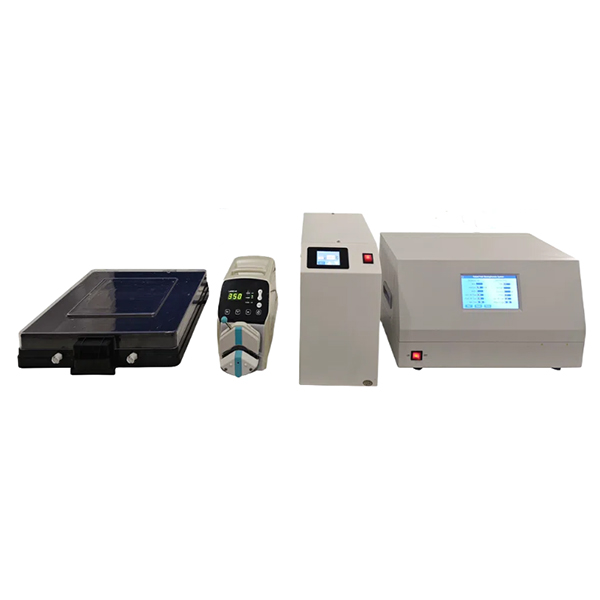
Explore our flagship instruments engineered for high-throughput PCR product analysis, gel visualization, and nucleic acid separation in genomics and diagnostic labs.
What is Capillary Electrophoresis for PCR Detection?
Capillary Electrophoresis (CE) has emerged as one of the most powerful and precise analytical techniques for the detection and characterization of PCR (Polymerase Chain Reaction) amplification products. Unlike conventional slab-gel electrophoresis, CE performs separations within narrow-bore capillary tubes filled with a separation matrix, applying high electric field strengths to achieve exceptionally rapid and high-resolution separations of nucleic acid fragments.
In the context of PCR detection, CE provides the ability to separate DNA fragments ranging from as small as 50 bp to several thousand base pairs with single-nucleotide resolution. This makes it the gold standard for applications such as fragment analysis, microsatellite genotyping, STR (Short Tandem Repeat) profiling, mutation scanning, and quantitative gene expression studies.
The integration of CE with PCR has transformed molecular diagnostics: a single CE run can process 96 or more PCR samples in under an hour, producing quantitative digital data that eliminates the subjectivity inherent in manual gel reading. Modern CE platforms couple automated sample injection, temperature-controlled capillary arrays, and advanced software for fragment sizing, allele calling, and data reporting — creating a seamlessly automated molecular analysis pipeline from PCR product to final result.
Why Choose CE for PCR-Based Analysis?
Capillary Electrophoresis brings a comprehensive suite of technological advantages to PCR product detection, making it indispensable in both research and regulated diagnostic environments.
Ultra-High Speed
Complete PCR fragment analysis in minutes per sample, with automated injection enabling continuous high-throughput runs across 96- or 384-capillary arrays.
Single-Base Resolution
Discriminate DNA fragments differing by a single nucleotide — essential for allele discrimination, mutation detection, and STR-based genotyping.
Quantitative Digital Data
Laser-induced fluorescence (LIF) detection generates peak area data for absolute or relative quantification of PCR amplicons with high reproducibility.
Closed-System Safety
Eliminates ethidium bromide staining and open UV gel exposure, reducing laboratory hazards and ensuring compliance with biosafety regulations.
Full Automation
Robotic sample loading, automated capillary conditioning, and integrated LIMS compatibility enable walk-away operation in busy diagnostic or industrial labs.
Commercial & Industrial Landscape of CE for PCR Detection
The global market for Capillary Electrophoresis systems used in PCR-based detection has experienced robust and sustained growth over the past decade. Driven by the rapid expansion of genomic medicine, forensic DNA analysis, food safety testing, and infectious disease diagnostics, the CE instrument market is projected to exceed USD 1.2 billion globally by 2028, growing at a CAGR of over 7% according to multiple industry analyses.
In clinical and hospital diagnostics, CE platforms are now the backbone of newborn screening programs, hemoglobinopathy diagnosis, and pharmacogenomics testing. Leading clinical laboratories worldwide rely on multi-capillary CE analyzers to process thousands of patient samples daily, delivering results within regulatory-compliant turnaround times. The CE-based fragment analysis has become the accepted gold standard for STR-based identity testing in transplantation medicine, chimerism monitoring, and infectious disease epidemiology.
In the pharmaceutical and biopharmaceutical industries, CE is deployed for quality control of PCR-derived nucleic acid therapeutics, mRNA vaccine quality assurance, and CRISPR editing efficiency assessment. Regulatory agencies including the FDA and EMA now recognize CE data as valid evidence in molecular characterization submissions for gene therapy and nucleic acid drug products.
The food and agricultural sectors represent a rapidly growing commercial segment. CE-based PCR detection is now routinely used for GMO identification, allergen presence verification, species authentication, and microbial pathogen screening in food processing facilities — satisfying increasingly stringent international food safety standards such as ISO 21569 and EU Regulation 1829/2003.
Deep-Dive Application Scenarios
CE-based PCR detection spans a remarkably broad spectrum of application domains, each demanding unique performance attributes from the analytical platform.
Forensic DNA Profiling
CE is the internationally mandated technology for STR-based forensic identity testing, enabling crime scene DNA comparison with the precision required for courtroom admissibility. Multi-locus PCR amplification followed by CE separation provides unambiguous individual identification from nanogram-level biological evidence.
Clinical Mutation Detection
PCR amplification of disease-associated loci followed by CE analysis underpins screening programs for hereditary diseases including cystic fibrosis, Huntington's disease, fragile X syndrome, and BRCA1/2 variants. High-resolution CE separates normal and mutant alleles with confidence levels meeting CLIA and CAP accreditation requirements.
Infectious Disease Diagnostics
Multiplex PCR combined with CE fragment analysis enables simultaneous detection and genotyping of pathogens including SARS-CoV-2 variants, influenza subtypes, HPV genotypes, and antimicrobial resistance genes — critical for outbreak response and antimicrobial stewardship programs in hospital settings.
Agricultural GMO & Pathogen Testing
Regulatory compliance for GMO labeling requires quantitative PCR detection methods with robust analytical validation. CE delivers the reproducibility and LOD performance required for both event-specific detection and copy number quantification in agricultural commodities, seed lots, and processed food products.
Biopharmaceutical QC & Gene Therapy
mRNA integrity assessment, plasmid linearization verification, and residual DNA quantification in biotherapeutics are increasingly performed by CE-based PCR detection methods. The technique's sensitivity and automation are critical for maintaining GMP compliance and batch release testing throughput in biomanufacturing environments.
Cancer Liquid Biopsy & ctDNA Analysis
Emerging applications in oncology leverage ultra-sensitive PCR combined with CE to detect circulating tumor DNA (ctDNA) at allele frequencies below 0.1%. Fragment length analysis of cell-free DNA by CE provides non-invasive tumor burden assessment, minimal residual disease monitoring, and early relapse detection in cancer patients.
Emerging Trends & Future Directions
The integration of artificial intelligence, microfluidics, and next-generation detection technologies is rapidly reshaping the landscape of CE-based PCR detection.
AI-Powered Data Interpretation
Machine learning algorithms are being integrated into CE software to enable automated allele calling, artifact discrimination, and anomaly flagging — dramatically reducing analyst review time and enabling unsupervised operation in high-volume diagnostic laboratories.
Miniaturized & Microfluidic CE
Lab-on-chip CE platforms integrated with PCR thermocyclers are moving molecular analysis from centralized core labs to point-of-care environments — enabling same-day results for infectious disease, oncology markers, and pharmacogenomics in decentralized clinical settings.
Cloud-Connected Diagnostics
IoT-enabled CE platforms with cloud data connectivity allow remote result access, real-time instrument monitoring, and multi-site data aggregation — supporting epidemiological surveillance networks and enabling global laboratory harmonization programs.
Ultra-High-Throughput Arrays
Next-generation capillary array systems scaling to 384 and beyond, combined with multiplexed fluorescent labeling strategies, are enabling genome-wide microsatellite screening and population-scale genotyping studies previously feasible only by next-generation sequencing platforms.
Integration with NGS Workflows
CE is increasingly positioned as a complementary quality control tool within next-generation sequencing pipelines — providing rapid PCR library fragment size verification, adapter ligation efficiency assessment, and amplicon homogeneity checks before costly sequencing runs.
Industrial-Scale Biosurveillance
Food manufacturers, environmental monitoring agencies, and biosafety programs are deploying fully automated CE-PCR detection lines capable of processing thousands of environmental swab samples daily — enabling real-time biosurveillance for agricultural biosecurity and public health protection.
Our Company
Beijing Liuyi Biotechnology Co., Ltd., formerly known as Beijing Liuyi Instrument Factory, established in 1970, is a national high technology enterprise with a long history. It is a leading and the biggest manufacturer in electrophoresis instrument for life science laboratories in China.
Based on the life science and biotechnology industries, our mainly products always in the domestic industry leading firm and well-known in the industry, exported to other countries and areas. We have our own R&D team, open to scientific research innovation, market development first, industry and combined with the development, the economic scale of our company have rapid growth for several years.
Beijing Liuyi's electrophoresis systems are trusted by PCR detection laboratories across genomics, clinical diagnostics, food safety, and forensic science — providing the analytical backbone for accurate, repeatable nucleic acid characterization worldwide.
Our Team
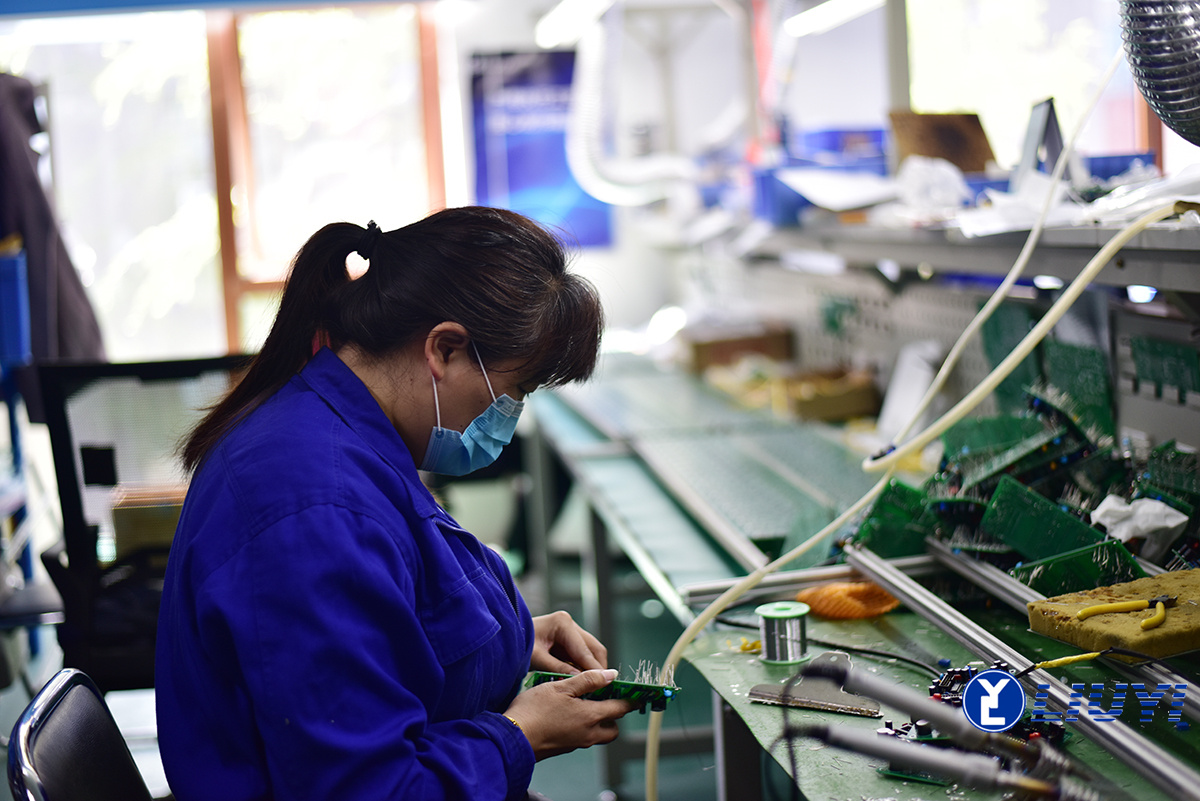
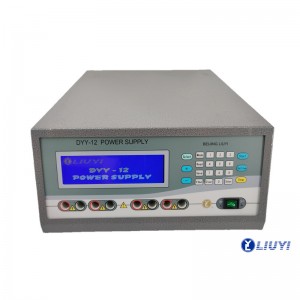
Liuyi has specialized in manufacturing electrophoresis instruments for more than 50 years with our own professional technical team and R&D center. We have reliable and complete production line from design to inspection, and warehouse, as well as marketing support. Our main products are Electrophoresis Cell (tank/chamber), Electrophoresis Power Supply, Blu LED Transilluminator, UV Transilluminator, Gel Image & Analysis System etc. According to your requirements, we can provide customized service for you.
Certificates & Awards
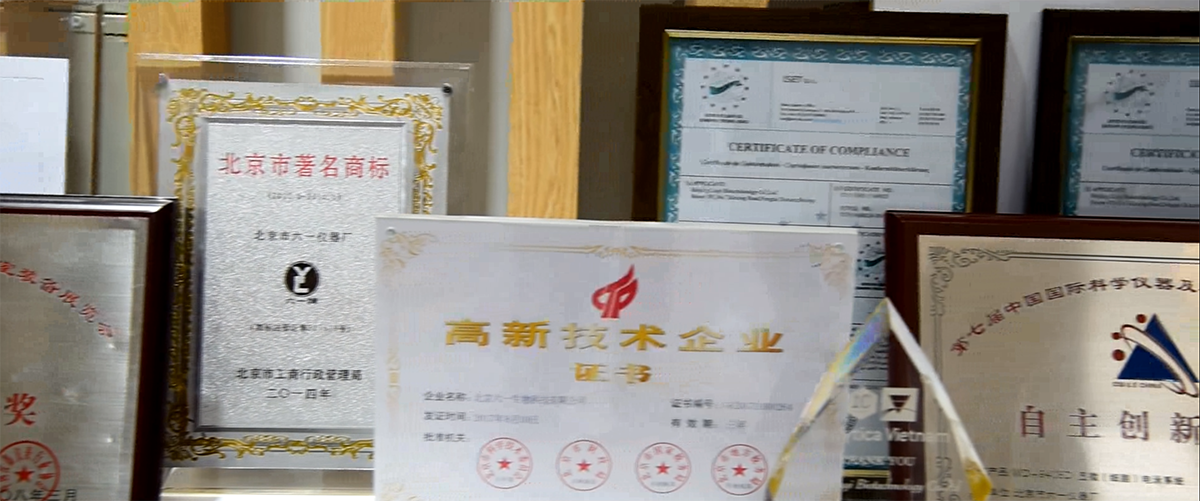
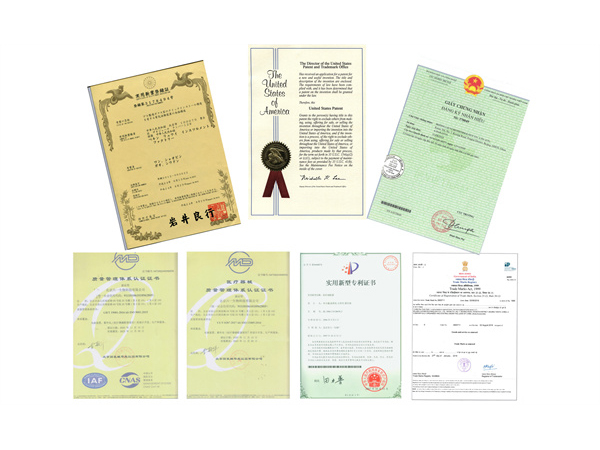
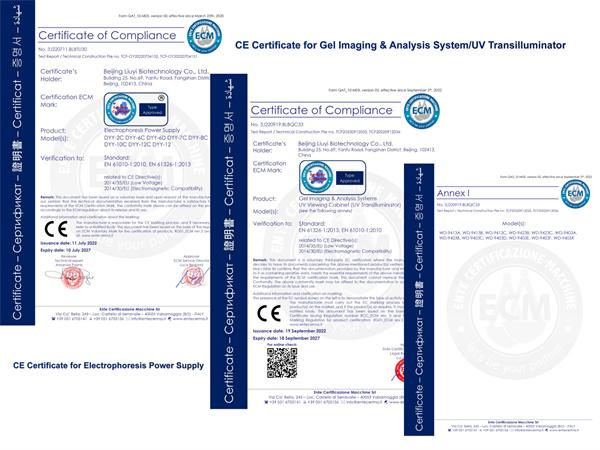
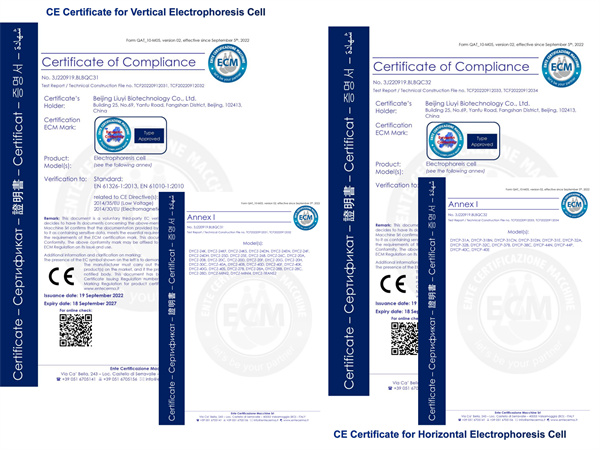
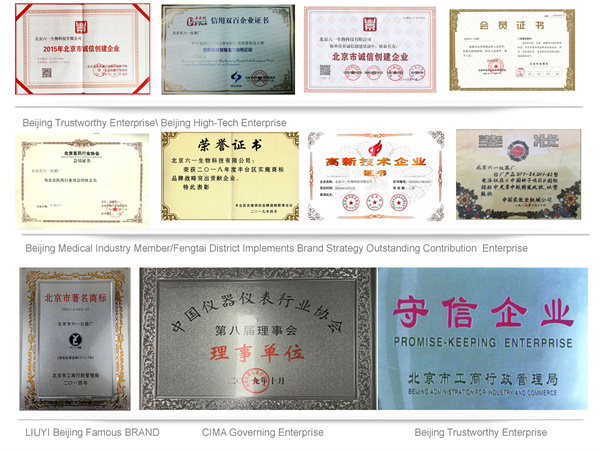
Liuyi has been awarded variety certificates and enterprise qualifications along with its high reputation in industry. We are ISO 9001 & ISO 13485 certified company and some of our products have CE certificates. Since 2003, Liuyi as the only medical device manufacturer in Beijing medical industry has been awarded as "PROMISE-KEEPING ENTERPRISE" by Beijing Administration for Industry and Commerce.
In 2008, Liuyi is honored as the famous trademark of Beijing. Our trademark is under the protection of Madrid Protocol in 7 countries including the United States, the United Kingdom, Japan, South Korea, Singapore, Greece, and Zambia in 2005, as well we have registered our trademark in India and Vietnam.
Based on life science and biotechnology industry, with excellent reputation, we offer reliable quality products and good service to our customers in China and overseas. We are the key supplier for the government purchase projects, and we have nearly 2000 dealers in China. Our products have been exported to more than ten countries including America, Brazil, Mexico, India, Africa, Chile, Singapore etc. We are dedicated to offering our products throughout the world.
- ISO9001 Certified
- ISO13485 Certified
- CE Certification
- National High-tech Enterprise
- LIUYI Beijing Famous Brand
- Beijing Trustworthy Enterprise
- CIMA Governing Enterprise
- China Torch Plan
- US & Japan Patents
- First Class Medical Device
- India & Vietnam Trademark
- Pharma Industry Standard Drafter

Main Products for PCR Detection & Electrophoresis
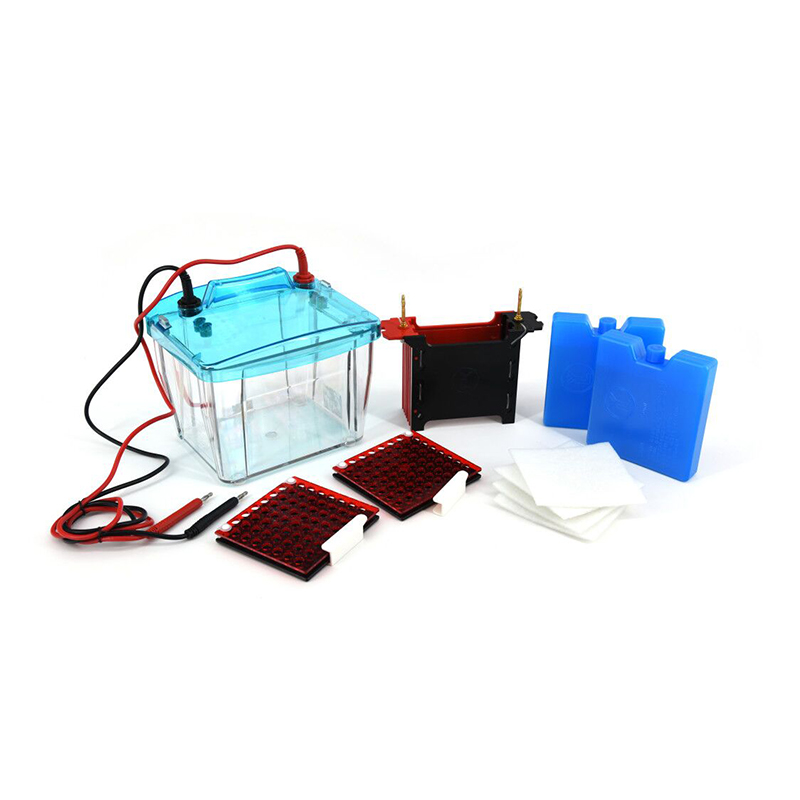
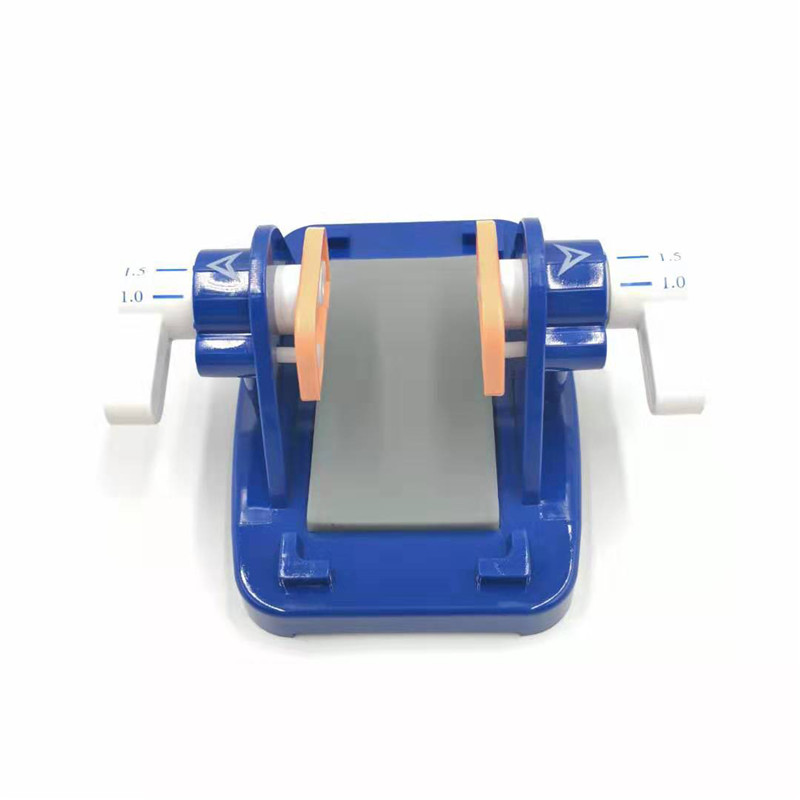
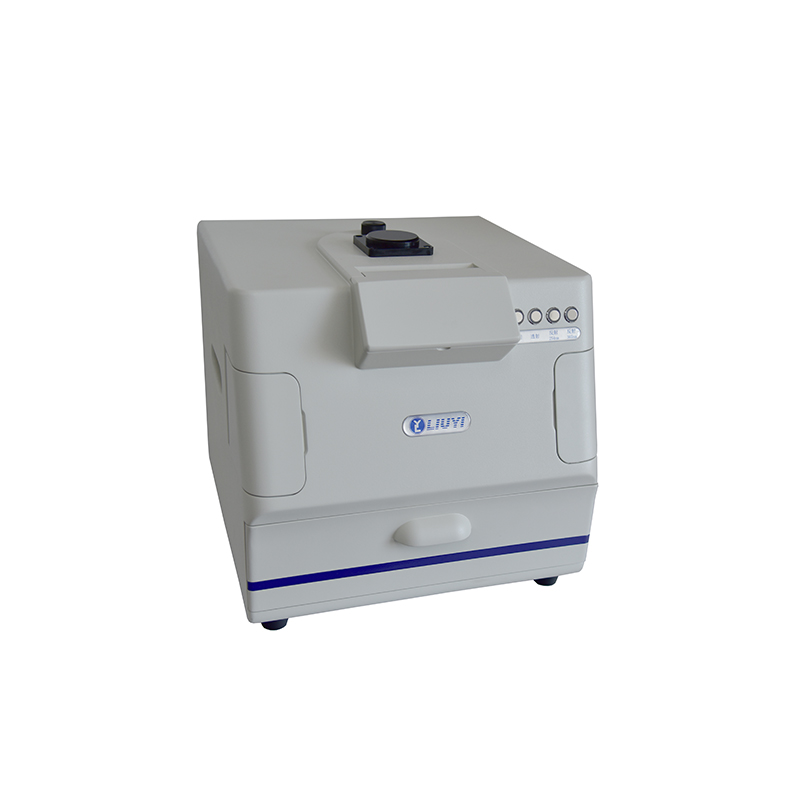
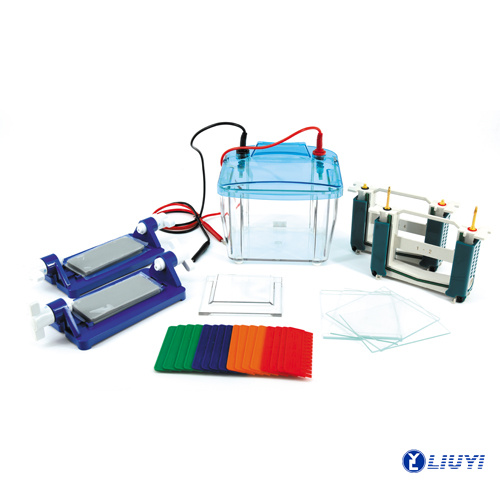
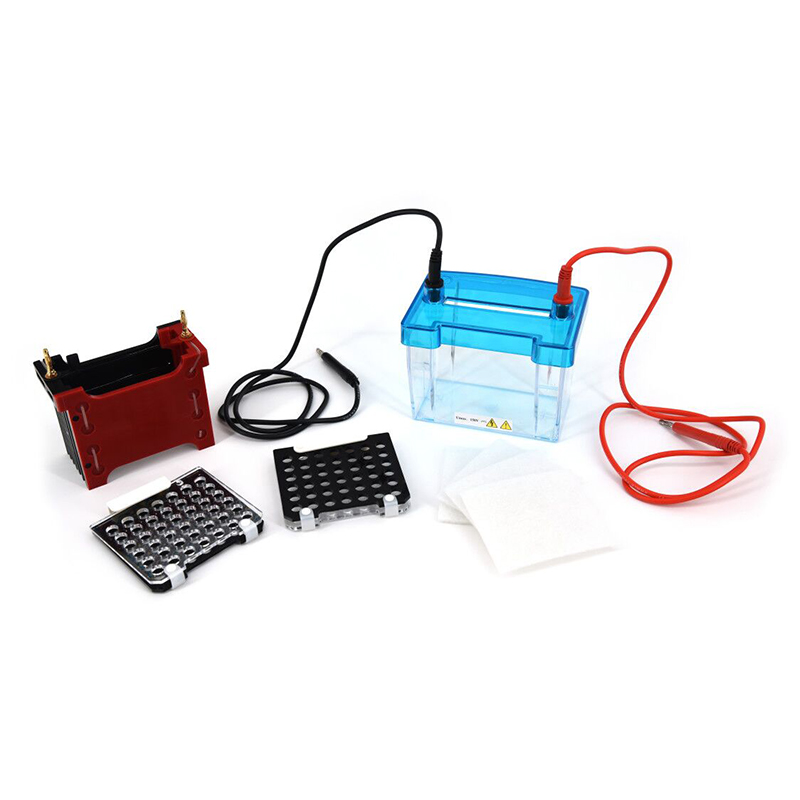
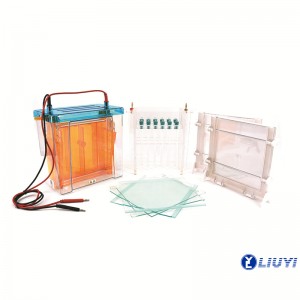
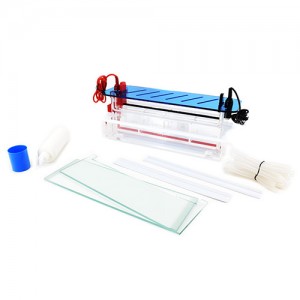
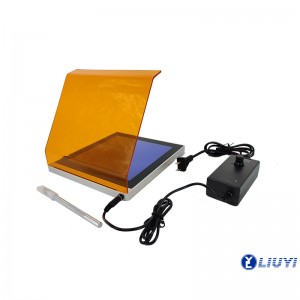
Beijing Liuyi Biotechnology Co., Ltd has launched new products for protein analysis, western blotting and gel observation. DYCZ-MINI series are fully compatible with the main international brands, and can run up to four precast or handcast polyacrylamide gels. The trans-blot module of DYCZ-TRANS2 is compatible with the chamber of DYCZ-MINI series. The WD-9403B can observe gel for nucleic acid electrophoresis. These new products are all durable, versatile, and easy to assemble. Welcome to contact us for more details!
Complete PCR Detection Electrophoresis Product Range
Discover our full lineup of electrophoresis cells, power supplies, transilluminators, and imaging systems — all engineered for demanding PCR detection workflows.
-

Phone
-

E-mail
-

Whatsapp
-

Top