


SDS Gel Electrophoresis Products for PCR Detection
Industry-leading instruments designed for nucleic acid and protein analysis in PCR workflows
What Is SDS Gel Electrophoresis for PCR Detection?
SDS-PAGE (Sodium Dodecyl Sulfate Polyacrylamide Gel Electrophoresis) combined with PCR (Polymerase Chain Reaction) detection represents one of the most powerful analytical workflows in modern molecular biology. In this approach, PCR amplification generates target DNA or protein fragments, which are subsequently separated by size using SDS gel electrophoresis. The negatively charged SDS-coated molecules migrate through the polyacrylamide matrix under electric current, yielding sharply resolved bands that can be visualized, quantified, and compared. This dual-technology workflow has become indispensable in clinical diagnostics, food safety testing, pharmaceutical quality control, and environmental monitoring.
The integration of SDS gel electrophoresis into PCR-based detection pipelines bridges the gap between amplification and verification. After PCR amplicons are generated, agarose or polyacrylamide gel electrophoresis confirms product specificity, fragment size, and purity — providing a visual, cost-effective validation step prior to downstream sequencing or quantitative assays. In protein analysis workflows, SDS-PAGE is used to verify expression levels of PCR-cloned proteins, monitor recombinant protein purity, and validate western blot targets.
PCR Amplicon Verification
Resolve PCR products by molecular weight to confirm amplification specificity, detect primer-dimer artifacts, and validate band size against DNA ladders.
High-Voltage Separation
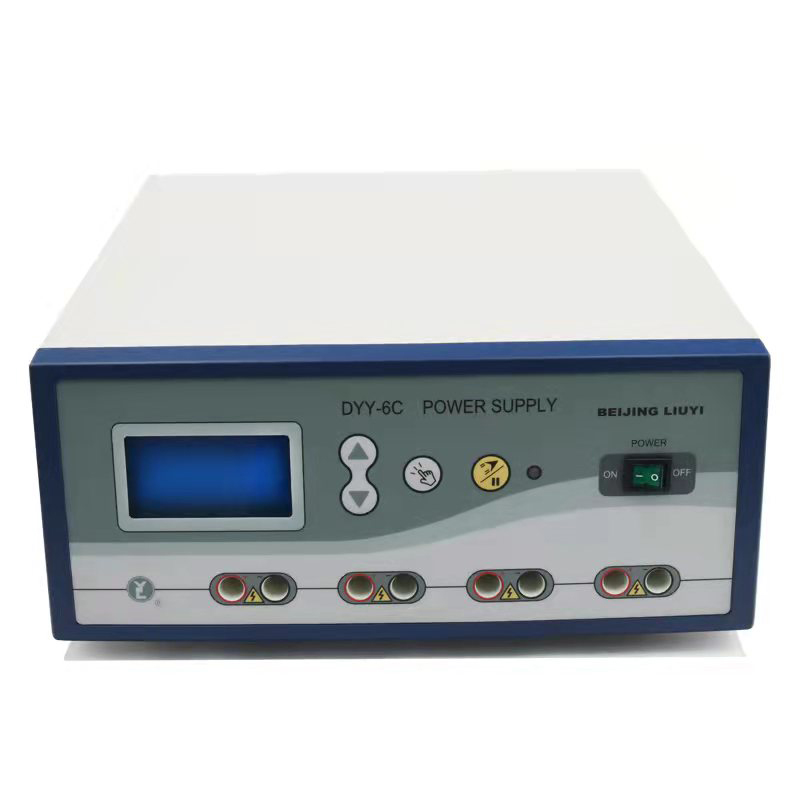
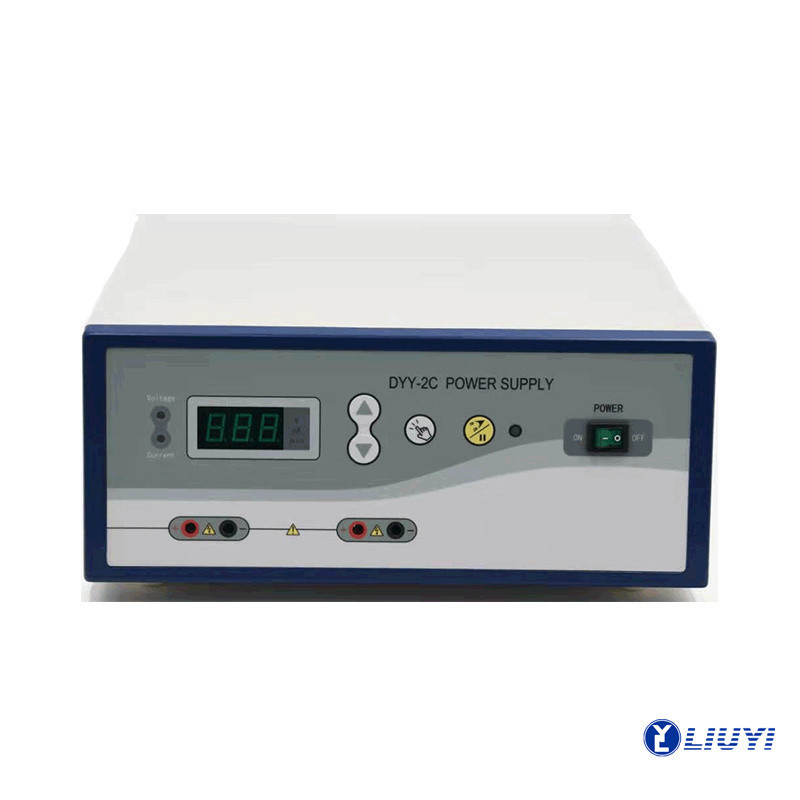
Programmable power supplies deliver precise constant voltage or current to achieve optimal band resolution for both nucleic acid and protein samples.
Protein Expression Analysis
After PCR cloning, SDS-PAGE quantifies and characterizes recombinant protein expression, purity, and molecular weight in a single run.
Digital Gel Imaging
Integrated UV/blue LED transilluminators and gel analysis systems enable automated band quantification, archiving, and compliance reporting.
SDS Gel Electrophoresis Workflow for PCR Detection
A streamlined, reproducible process from sample to result
Sample Preparation
Denature protein or PCR product samples with SDS loading buffer at controlled temperature.
Gel Casting
Prepare polyacrylamide or agarose gel at appropriate concentration for target fragment size range.
Electrophoresis
Apply regulated voltage using precision power supply; molecules migrate by size through the gel matrix.
Staining
Stain with EtBr, SYBR Green, or Coomassie to visualize nucleic acid or protein bands.
Imaging & Analysis
Capture and analyze gel images using UV or blue LED transilluminator with gel analysis software.
Data Validation
Compare band patterns against molecular weight markers; export quantitative data for reporting.
Commercial & Industrial Applications
SDS Gel Electrophoresis for PCR Detection spans multiple high-value industry sectors
Clinical Diagnostics
PCR-coupled SDS-PAGE is central to pathogen identification, genetic disease screening, and infectious disease detection in hospital and reference laboratories.
Food Safety & GMO Testing
Regulatory agencies worldwide mandate electrophoresis-based PCR verification for GMO labeling compliance, allergen profiling, and food fraud detection.
Pharmaceutical QC
Biopharmaceutical manufacturers use SDS-PAGE to verify purity of PCR-derived biologics, validate batch-to-batch consistency, and satisfy regulatory submissions.
Environmental Monitoring
Environmental DNA (eDNA) programs use PCR amplification followed by gel electrophoresis to detect microbial contamination, invasive species, and pollutant-associated organisms.
Forensic Science
PCR-based STR profiling and electrophoresis remain gold-standard techniques in forensic DNA typing, paternity testing, and crime scene evidence analysis.
Academic Research
Universities and research institutes rely on gel electrophoresis daily for gene cloning verification, CRISPR edit confirmation, and proteomics workflows.
Industry Trends & Future Developments
The global electrophoresis market is evolving rapidly — driven by automation, miniaturization, and AI-powered analysis
🤖 AI-Powered Gel Image Analysis
Machine learning algorithms now automate band detection, quantification, and anomaly flagging in gel images — dramatically reducing manual interpretation time and human error in high-throughput PCR workflows.
📱 Microfluidic & Lab-on-Chip Integration
Miniaturized electrophoresis chips are enabling point-of-care PCR detection with results in minutes. These compact platforms integrate gel separation, staining, and imaging into a single disposable cartridge.
🌐 Digital PCR + Electrophoresis Convergence
Digital PCR (dPCR) platforms increasingly pair with automated gel electrophoresis stations for absolute quantification and fragment validation — a powerful combination for precision medicine and liquid biopsy applications.
⚙️ Fully Automated High-Throughput Systems
Industrial laboratories are adopting robotic gel loading systems and automated electrophoresis platforms that process hundreds of PCR samples per hour, supporting large-scale genomic surveillance programs.
🌱 Sustainable Electrophoresis Practices
The industry is shifting toward non-toxic DNA stains, reduced acrylamide formulations, and energy-efficient power supplies — aligning laboratory practices with global sustainability and laboratory safety standards.
📡 Cloud-Connected Instruments
Next-generation electrophoresis systems feature IoT connectivity, enabling remote monitoring, data sharing across laboratory networks, and integration with LIMS (Laboratory Information Management Systems) for regulatory compliance.
Advanced Application Scenarios in SDS-PAGE PCR Detection
Beyond conventional band visualization, SDS gel electrophoresis for PCR detection is now embedded in multi-omics pipelines, biodefense systems, and personalized medicine platforms. Below we explore the most sophisticated application scenarios driving commercial investment and research innovation globally.
CRISPR Verification
After CRISPR-Cas9 gene editing, PCR amplification of target loci followed by SDS-PAGE or agarose gel electrophoresis confirms successful indel formation, HDR efficiency, and off-target cleavage events.
Liquid Biopsy & ctDNA
Circulating tumor DNA (ctDNA) extracted from blood undergoes PCR amplification and capillary electrophoresis analysis to detect cancer-specific mutations at sub-nanogram sensitivity levels.
Pandemic Preparedness
During COVID-19 and emerging pathogen outbreaks, RT-PCR combined with gel electrophoresis provided rapid, low-cost verification of viral RNA detection in resource-limited settings globally.
Marine & Agricultural Genomics
Aquaculture disease management and crop pathogen surveillance programs rely on multiplex PCR and gel electrophoresis for simultaneous detection of multiple pathogens in a single assay run.
Our Company
Beijing Liuyi Biotechnology Co., Ltd., formerly known as Beijing Liuyi Instrument Factory, established in 1970, is a national high technology enterprise with a long history. It is a leading and the biggest manufacturer in electrophoresis instruments for life science laboratories in China.
Based on the life science and biotechnology industries, our main products always remain at the domestic industry leading position and are well-known globally, exported to countries and areas worldwide. We have our own R&D team, open to scientific research innovation, with market development as our priority, combined with industry development, achieving rapid economic scale growth for several years.
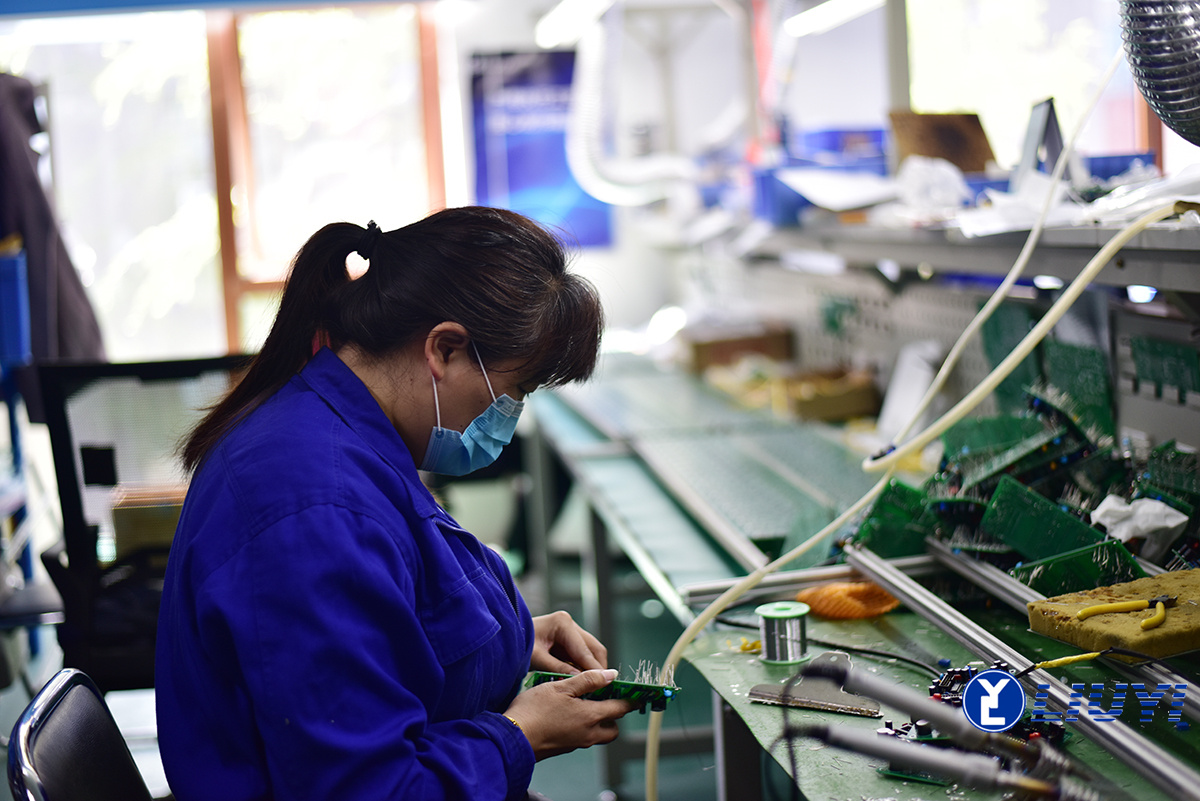
Our Team & Capabilities
Liuyi has specialized in manufacturing electrophoresis instruments for more than 50 years with our own professional technical team and R&D center. We have reliable and complete production lines from design to inspection, warehousing, and marketing support. Our main products include Electrophoresis Cells (tank/chamber), Electrophoresis Power Supplies, Blue LED Transilluminators, UV Transilluminators, and Gel Image & Analysis Systems. According to your requirements, we can provide customized services for any laboratory application.
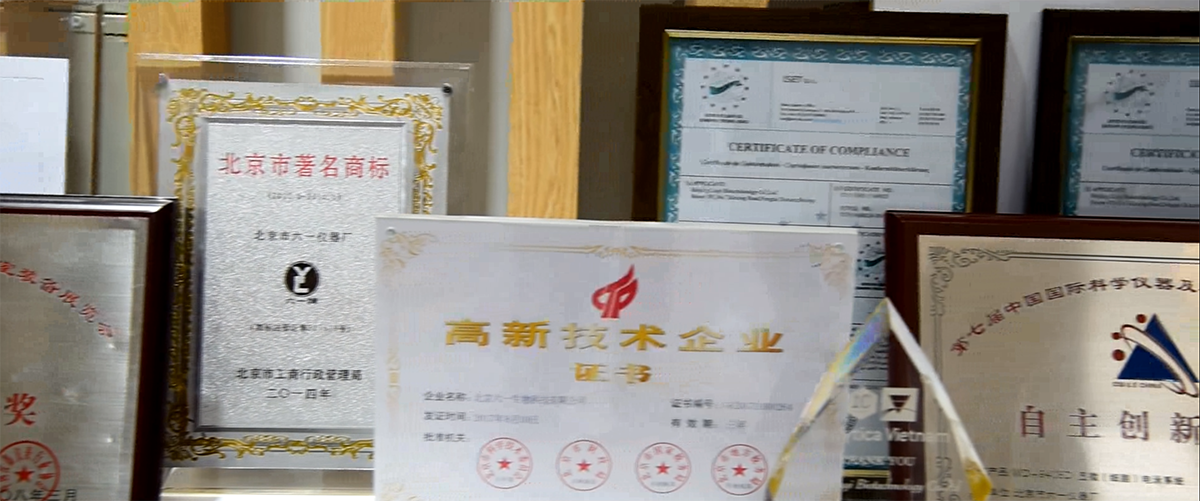
Certificate & Awards
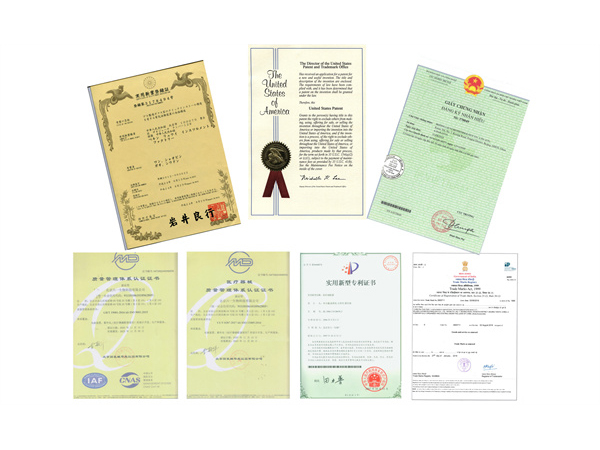
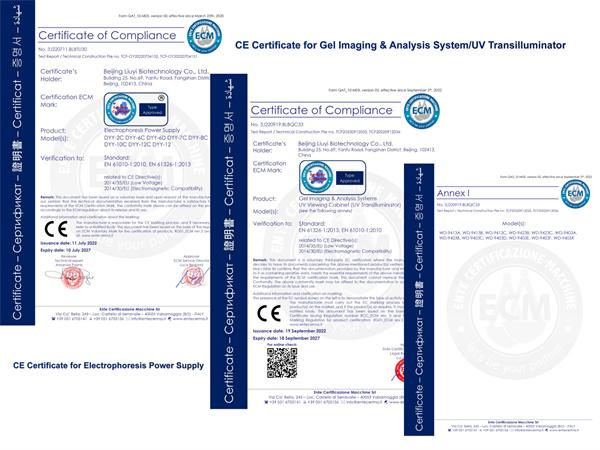
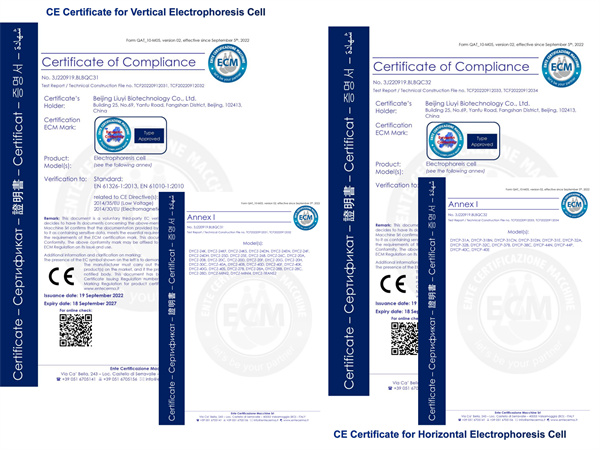
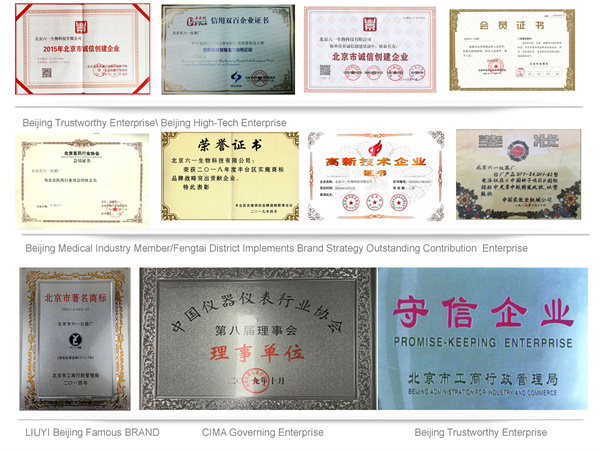
Liuyi has been awarded a variety of certificates and enterprise qualifications along with its high reputation in the industry. We are ISO 9001 & ISO 13485 certified, and several of our products hold CE certificates. Since 2003, Liuyi — as the only medical device manufacturer in Beijing's medical industry — has been awarded as "PROMISE-KEEPING ENTERPRISE" by the Beijing Administration for Industry and Commerce.
In 2008, Liuyi was honored as a Famous Trademark of Beijing. Our trademark is protected under the Madrid Protocol in 7 countries including the United States, the United Kingdom, Japan, South Korea, Singapore, Greece, and Zambia (since 2005), and we have also registered our trademark in India and Vietnam.
- ISO 9001 & ISO 13485 Double Certified Enterprise
- National High-tech Enterprise
- Three Main Products Passed CE Certification
- LIUYI Beijing Famous Brand
- Drafting Enterprise for Pharmaceutical Industry & National Standards
- First Class Medical Device Filed Certificate
- China Utility Model Patent Certificate
- Japanese and American Patents
- India and Vietnam Registered Trademark
- Beijing Trustworthy Enterprise
- CIMA Governing Enterprise
- Undertake China Torch Plan Program
Main Products for SDS Gel Electrophoresis & PCR Detection
Beijing Liuyi Biotechnology Co., Ltd has launched advanced products for protein analysis, western blotting, nucleic acid detection, and gel observation. The DYCZ-MINI series are fully compatible with major international brands and can run up to four precast or handcast polyacrylamide gels. The trans-blot module of DYCZ-TRANS2 is compatible with the DYCZ-MINI series chamber. The WD-9403B enables gel observation for nucleic acid electrophoresis. These products are durable, versatile, and easy to assemble — ideal partners for your PCR detection workflow.
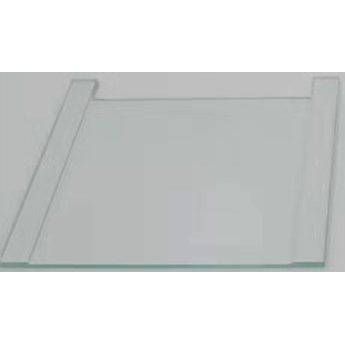 DYCZ-24DN Notched Glass Plate (1.5mm)
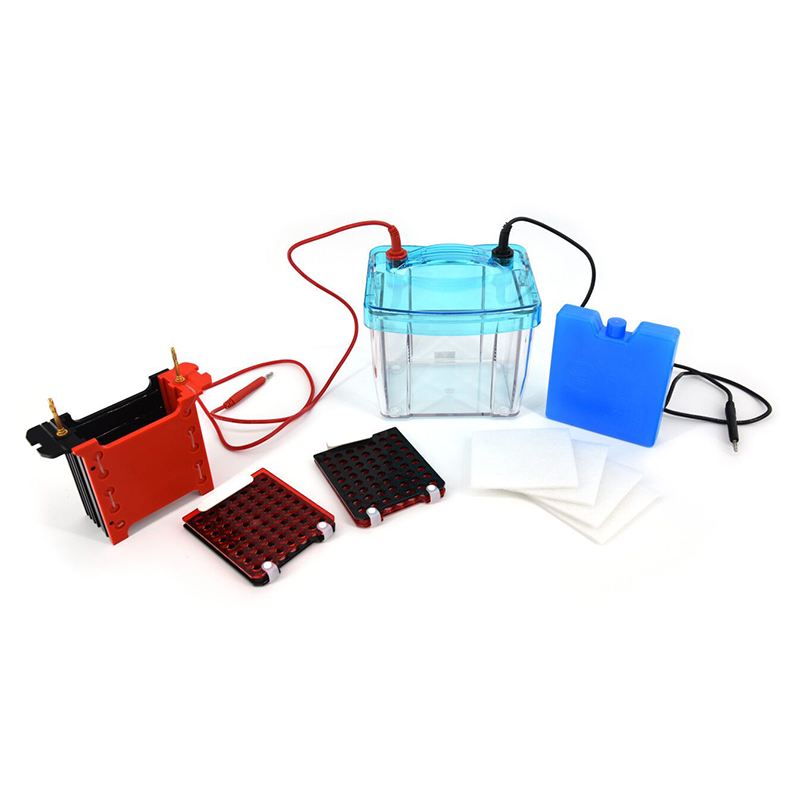 Trans-Blotting Electrophoresis Cell DYCZ–40G
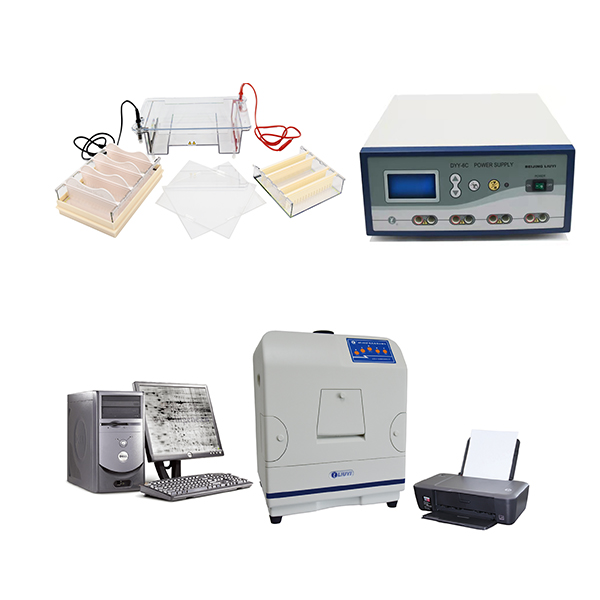 Turnkey Solution for Gel Electrophoresis Products
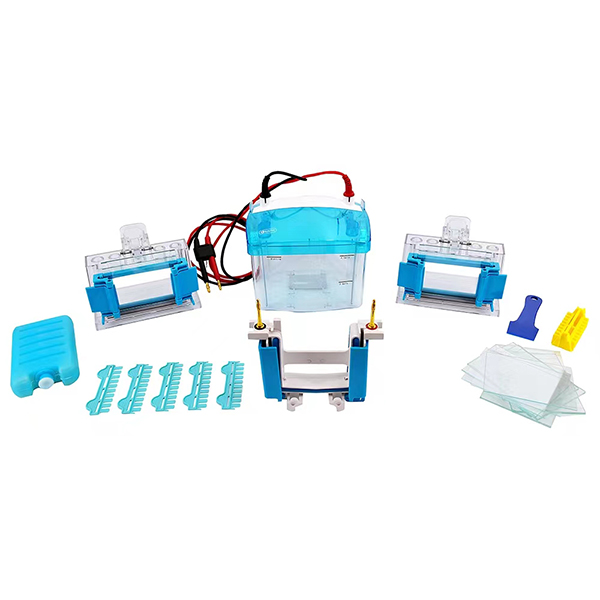 Protein Electrophoresis Equipment DYCZ-MINI2
 Pulsed Field Gel Electrophoresis CHEF Mapper A7
 2-D Protein Electrophoresis Cell DYCZ-26C
 High-Throughput Vertical Electrophoresis Cell DYCZ-20H
 UV Transilluminator WD-9403B
-

Phone
-

E-mail
-

Whatsapp
-

Top