


DNA Separation Electrophoresis Instruments
Professional electrophoresis systems engineered for high-precision nucleic acid and immuno electrophoresis applications in modern laboratories.
What Is Immuno Electrophoresis for DNA Separation?
Immuno electrophoresis is a powerful analytical technique that combines the separation power of electrophoresis with the specificity of immunological reactions. Originally developed for characterizing serum proteins, this technique has evolved dramatically and now plays a crucial role in the separation, identification, and analysis of DNA molecules across clinical, academic, and industrial environments.
In the context of DNA separation, immuno electrophoresis leverages an electric field to migrate charged DNA fragments through a gel matrix — typically agarose or polyacrylamide — at rates determined by their molecular size and charge. The subsequent immunological detection step can confirm the identity of specific sequences with remarkable specificity. This dual-mechanism approach has made it indispensable for applications ranging from genomic mapping to disease biomarker discovery.
🔬 Core Principles of Electrophoresis in DNA Analysis
DNA molecules carry a consistent negative charge due to their phosphate backbone, which means they migrate uniformly toward the positive electrode when an electric field is applied. The separation is governed primarily by molecular size — smaller fragments travel faster through the gel matrix than larger ones. Researchers exploit this property to resolve DNA fragments with extraordinary resolution.
In immuno electrophoresis for DNA separation, an additional immunological step is introduced, where antibodies specific to particular DNA-protein complexes, modified bases, or epigenetic markers can be employed to identify and characterize target sequences. This makes the technique especially valuable in epigenomics, chromatin immunoprecipitation (ChIP), and DNA damage studies.
Key Applications in DNA Separation
Genomic DNA Mapping
High-resolution fragment analysis for genome-wide studies and chromosomal mapping.
Clinical Diagnostics
Detection of genetic disorders, pathogen identification, and disease biomarker profiling.
Pharmaceutical QC
Quality control of nucleic acid-based therapeutics, including mRNA vaccines and gene therapy vectors.
Epigenetics Research
Chromatin immunoprecipitation and DNA methylation pattern analysis with antibody specificity.
In-Depth Application Scenarios
Immuno electrophoresis for DNA separation is reshaping how scientists and clinicians understand the genome — one fragment at a time.
1. Forensic DNA Profiling
In forensic science, electrophoresis-based DNA separation is the cornerstone of identity verification. Techniques such as Short Tandem Repeat (STR) analysis rely on precise fragment size differentiation. Immuno electrophoresis adds an additional layer of specificity when distinguishing between heavily degraded or mixed DNA samples — a frequent challenge in crime scene investigations. Modern forensic laboratories increasingly adopt automated capillary electrophoresis systems combined with immunological detection to enhance accuracy and throughput.
2. Molecular Diagnostics and Genetic Disease Detection
Genetic disorders such as cystic fibrosis, Huntington's disease, and hereditary cancers are diagnosed by detecting specific mutations or chromosomal rearrangements in patient DNA. Immuno electrophoresis platforms allow clinicians to simultaneously separate DNA fragments and detect disease-associated protein-DNA complexes. For example, electrophoretic mobility shift assays (EMSA), a subtype of immuno electrophoresis, are routinely used to study transcription factor binding, which is critical in understanding oncogenesis.
3. mRNA Vaccine and Gene Therapy Quality Assurance
The global rollout of mRNA-based vaccines has dramatically increased demand for nucleic acid analytical tools. Manufacturers of mRNA and DNA-based therapeutics now rely on sophisticated electrophoresis platforms to verify the integrity, size distribution, and purity of their products before release. Immuno electrophoresis techniques can detect process-related impurities, double-stranded RNA contaminants, and residual plasmid DNA — all of which are critical quality attributes governed by regulatory agencies such as the FDA and EMA.
4. Chromatin Immunoprecipitation (ChIP) and Epigenomics
ChIP-electrophoresis workflows combine the specificity of antibody-based chromatin precipitation with the separation resolution of gel electrophoresis to map histone modifications and transcription factor binding sites across the genome. This is a cornerstone technique in cancer biology and developmental genetics. High-throughput versions — ChIP-seq — have moved this approach to the next level, but gel-based verification and quality control steps remain essential and are performed using electrophoresis instruments.
5. Agricultural Biotechnology and GMO Detection
In food safety and agricultural biotech, regulatory requirements demand accurate identification of genetically modified organisms (GMOs). Immuno electrophoresis combined with PCR amplification enables laboratories to detect and quantify transgenic sequences in food products and crops with high sensitivity. This application is of growing commercial importance as global GMO regulations become more stringent.
6. Environmental DNA (eDNA) Monitoring
Environmental scientists now use electrophoresis-based DNA separation to monitor biodiversity through water and soil samples — a rapidly growing field called eDNA metabarcoding. Immuno electrophoresis aids in purifying and separating DNA from complex environmental matrices before sequencing, enabling detection of endangered species, invasive organisms, and microbial communities with unprecedented sensitivity.
Commercial & Industrial Landscape
The global electrophoresis market — encompassing equipment, reagents, and services — is valued at over $6 billion in 2024 and is projected to grow at a compound annual growth rate (CAGR) of approximately 7.4% through 2030. This growth is driven by surging demand from genomics, proteomics, biopharmaceutical manufacturing, and personalized medicine sectors.
Key industry segments utilizing immuno electrophoresis for DNA separation include: pharmaceutical and biotechnology companies developing nucleic acid-based drugs; academic and government research institutions investigating genome function; clinical diagnostic laboratories running routine genetic tests; and agricultural corporations conducting GMO screening. The biopharmaceutical sector, in particular, represents the fastest-growing commercial segment, as the pipeline of mRNA and DNA-based therapeutics continues to expand following the COVID-19 pandemic.
Asia-Pacific is the most rapidly expanding regional market, with China, India, and South Korea investing heavily in domestic biotechnology infrastructure. Chinese manufacturers like Beijing Liuyi Biotechnology Co., Ltd. are gaining significant market share both domestically and internationally by offering high-quality electrophoresis solutions at competitive prices, backed by decades of technical expertise and strong regulatory compliance.
Future Development Trends
Immuno electrophoresis is undergoing a technological renaissance, driven by digitalization, miniaturization, and artificial intelligence integration.
AI-Powered Gel Analysis
Machine learning algorithms are now capable of automated gel band detection, fragment sizing, and purity scoring — dramatically reducing human error and accelerating throughput in high-volume laboratories.
Microfluidic & Lab-on-a-Chip
Miniaturized electrophoresis chips integrate separation, detection, and analysis into a single disposable cartridge, enabling point-of-care DNA diagnostics with sample volumes as small as nanoliters.
Nanopore-Enhanced Separation
Next-generation platforms couple nanopore sensing with electrophoretic separation for real-time, single-molecule DNA analysis without the need for amplification or labeling.
High-Throughput Automation
Robotic sample preparation integrated with automated electrophoresis systems enables pharmaceutical and genomic labs to process thousands of samples per day with consistent, reproducible results.
Green Electrophoresis
Growing environmental awareness is driving development of non-toxic gel staining alternatives to ethidium bromide and reduced-voltage protocols that minimize energy consumption without compromising resolution.
Cloud-Connected Instruments
IoT-enabled electrophoresis systems allow remote monitoring, data sharing, and multi-site collaboration, supporting the trend toward decentralized and distributed laboratory operations.
Our Company
Beijing Liuyi Biotechnology Co., Ltd., formerly known as Beijing Liuyi Instrument Factory, established in 1970, is a national high technology enterprise with a long history. It is a leading and the biggest manufacturer in electrophoresis instruments for life science laboratories in China.
Based on the life science and biotechnology industries, our main products are always in the domestic industry leading position and well-known in the industry, exported to other countries and areas. We have our own R&D team, open to scientific research innovation, market development first, industry and combined with the development, the economic scale of our company has achieved rapid growth for several years.
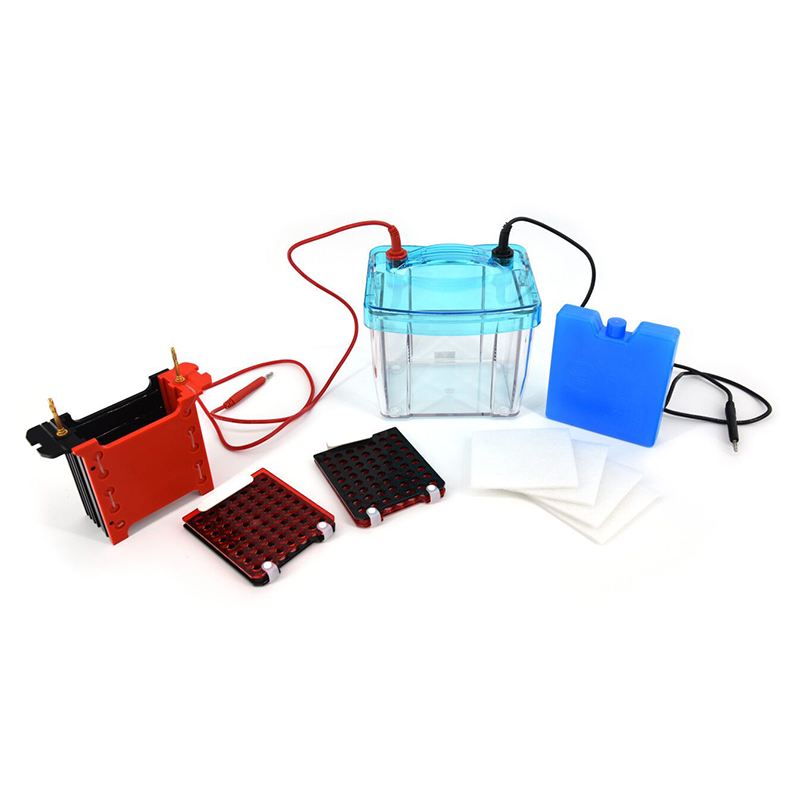
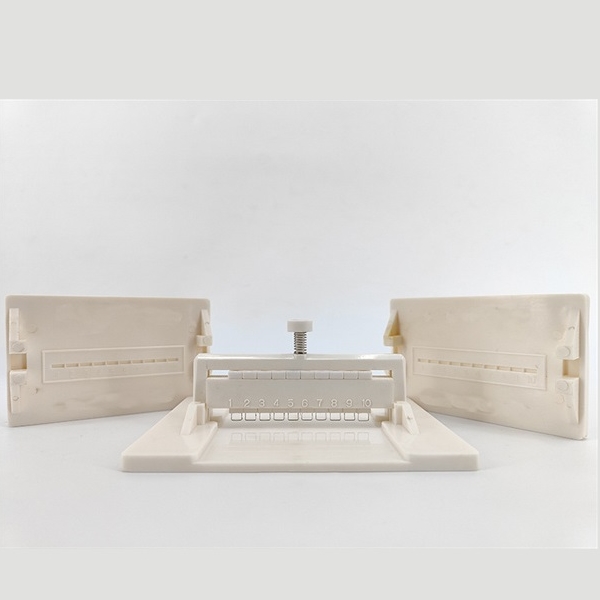
Our main products are Electrophoresis Cell (tank/chamber), Electrophoresis Power Supply, Blue LED Transilluminator, UV Transilluminator, Gel Image & Analysis System, etc. According to your requirements, we can provide customized service for you.
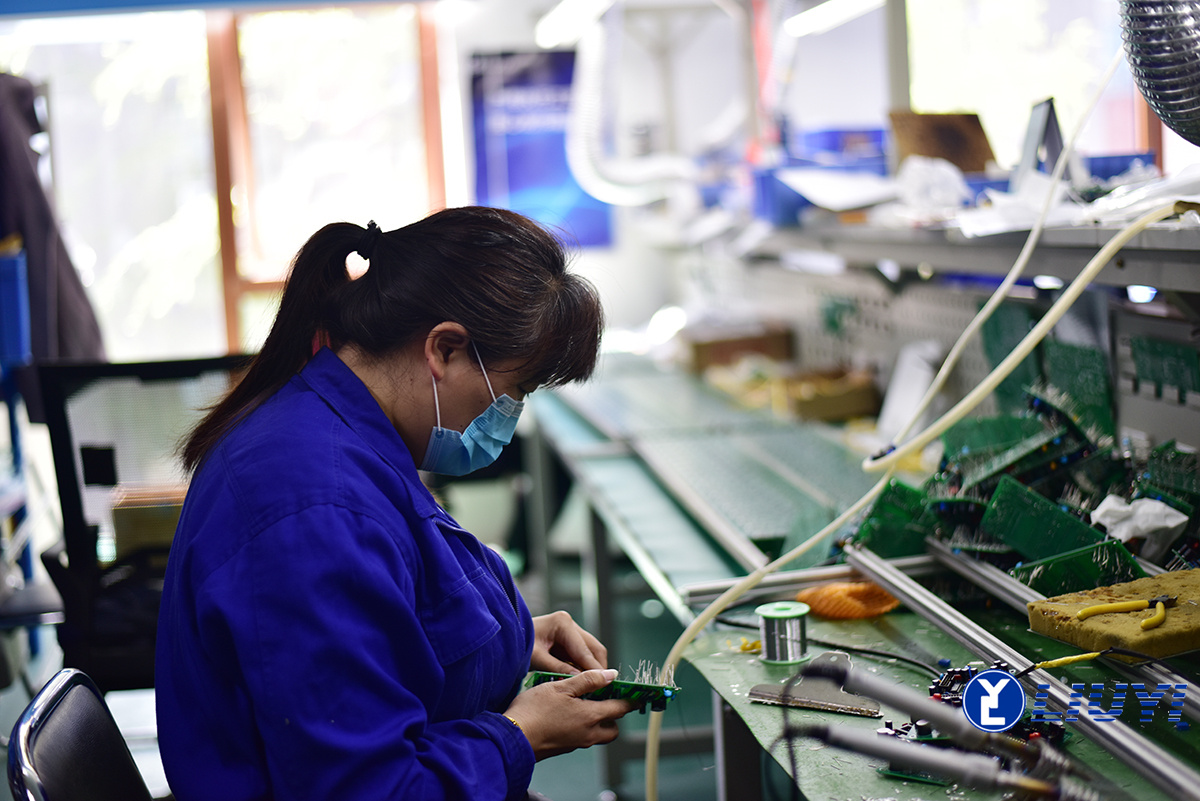
Our Team
Liuyi has specialized in manufacturing electrophoresis instruments for more than 50 years with our own professional technical team and R&D center. We have a reliable and complete production line from design to inspection, warehouse, as well as marketing support. Our main products are Electrophoresis Cell (tank/chamber), Electrophoresis Power Supply, Blue LED Transilluminator, UV Transilluminator, Gel Image & Analysis System, etc. According to your requirements, we can provide customized service for you.
Beijing Liuyi Biotechnology Co., Ltd has launched new products for protein analysis, western blotting and gel observation. DYCZ-MINI series are fully compatible with the main international brands, and can run up to four precast or handcast polyacrylamide gels. The trans-blot module of DYCZ-TRANS2 is compatible with the chamber of DYCZ-MINI series. The WD-9403B can observe gel for nucleic acid electrophoresis. These new products are all durable, versatile, and easy to assemble. Welcome to contact us for more details!
Certifications & Awards
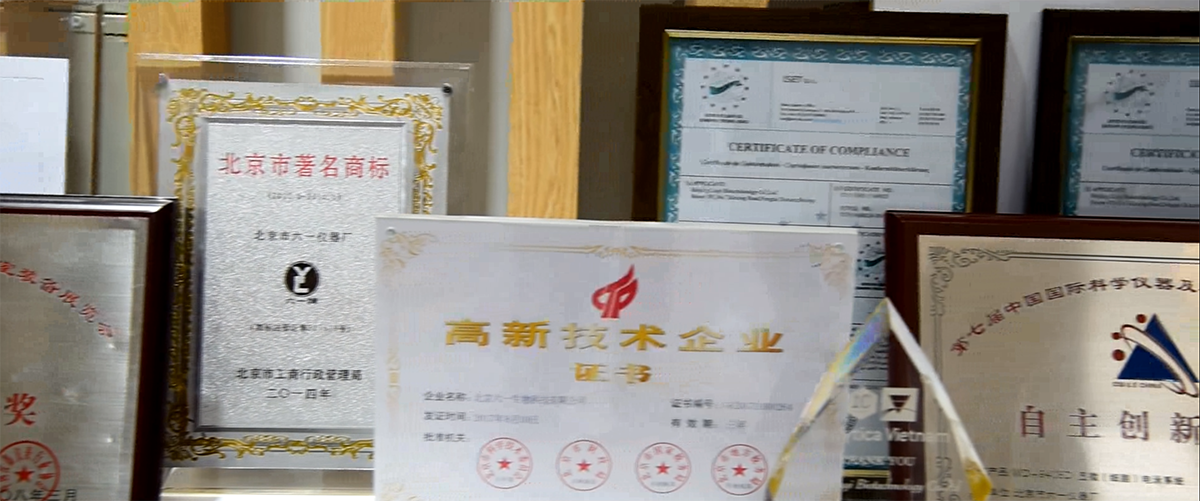
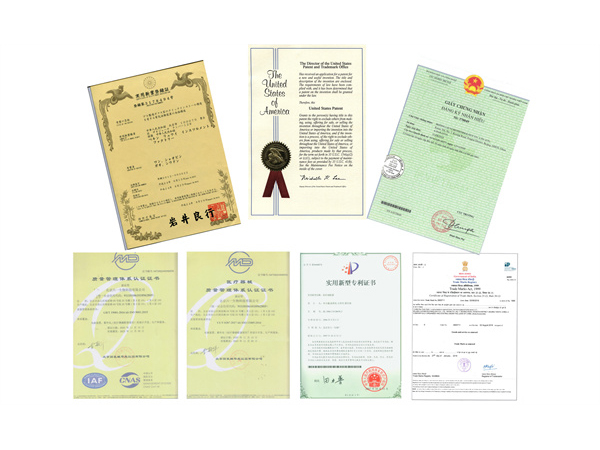
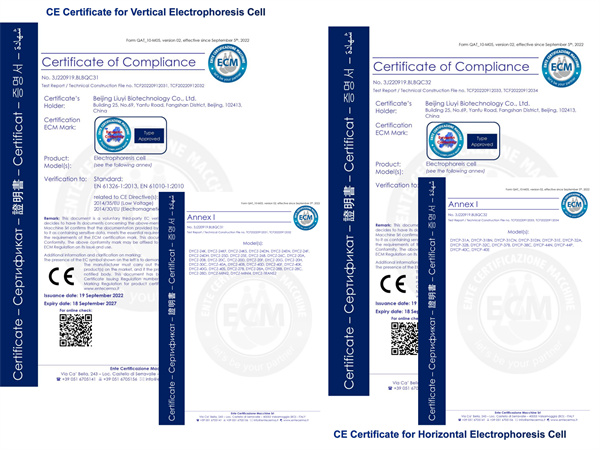
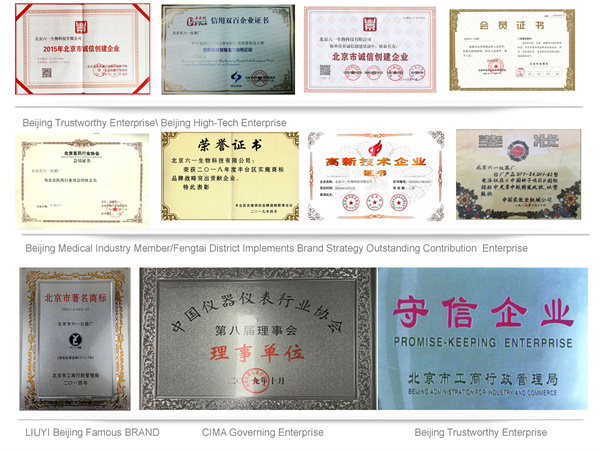
Liuyi has been awarded a variety of certificates and enterprise qualifications along with its high reputation in the industry. We are ISO 9001 & ISO 13485 certified company and some of our products have CE certificates. Since 2003, Liuyi as the only medical device manufacturer in Beijing medical industry has been awarded as "PROMISE-KEEPING ENTERPRISE" by Beijing Administration for Industry and Commerce.
In 2008, Liuyi is honored as the famous trademark of Beijing. Our trademark is under the protection of Madrid Protocol in 7 countries including the United States, the United Kingdom, Japan, South Korea, Singapore, Greece, and Zambia in 2005, and we have also registered our trademark in India and Vietnam.
- ISO9001, ISO13485 Double Certified Enterprise
- National High-tech Enterprise
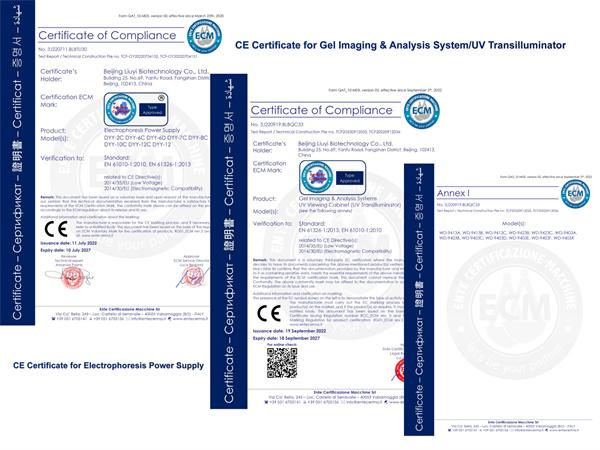
- Three main products passed CE certification
- LIUYI Beijing Famous BRAND
- The Drafting Enterprise for pharmaceutical industry standards and national standards
- First Class Medical Device Filed Certificate
- China Utility Model Patent Certificate
- Japanese and American Patents
- India and Vietnam Registered Trademark
- Beijing Trustworthy Enterprise
- CIMA Governing Enterprise
- Undertake China Torch Plan Program
Based on life science and biotechnology industry, with excellent reputation, we offer reliable quality products and good service to our customers in China and overseas. We are the key supplier for the government purchase projects, and we have nearly 2000 dealers in China. Our products have been exported to more than ten countries including America, Brazil, Mexico, India, Africa, Chile, Singapore, etc. We are dedicated to offering our products throughout the world.
Main Products for DNA Separation & Electrophoresis
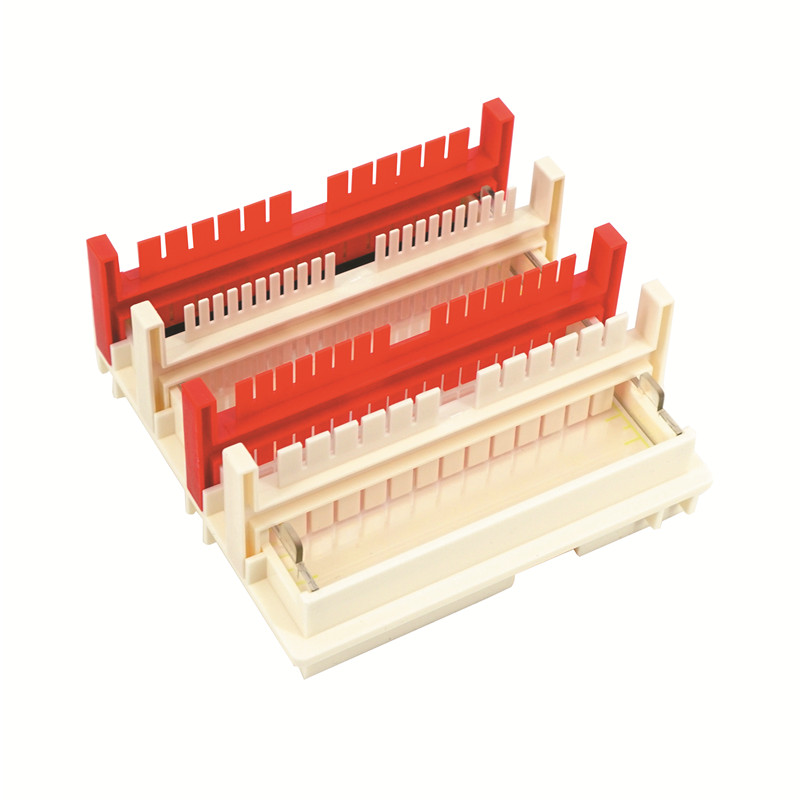
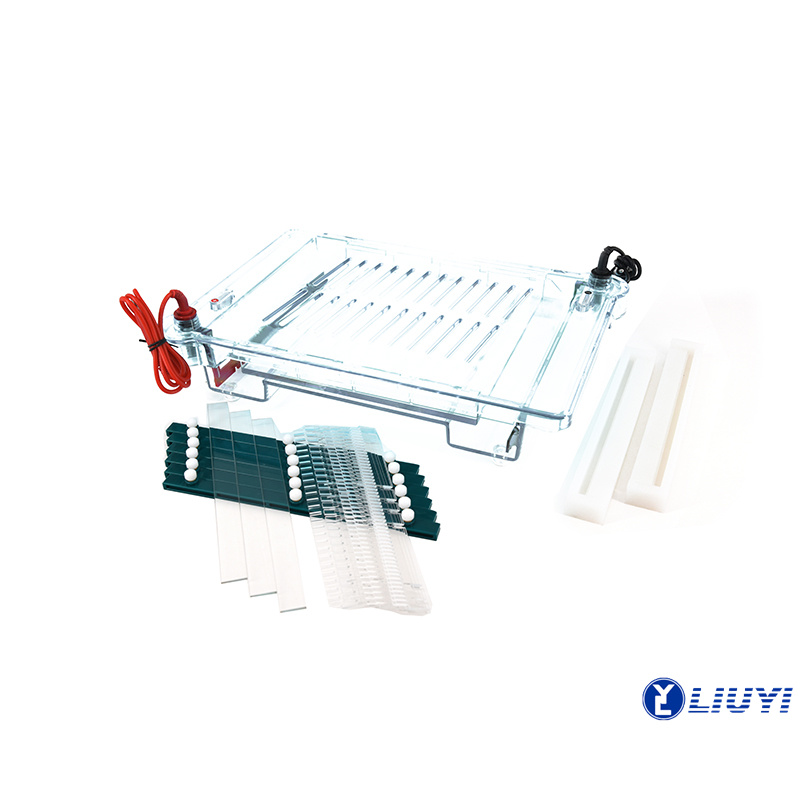
Beijing Liuyi Biotechnology Co., Ltd has launched new products for DNA separation, protein analysis, western blotting and gel observation — all durable, versatile, and easy to assemble. Explore our comprehensive range below.


-

Phone
-

E-mail
-

Whatsapp
-

Top