


Featured PCR Detection & Electrophoresis Products
Explore our flagship instruments purpose-built for horizontal gel electrophoresis and PCR amplicon analysis.
What Is Horizontal Electrophoresis for PCR Detection?
Horizontal electrophoresis — most commonly executed as agarose gel electrophoresis — is the gold standard technique for the separation, visualization, and analysis of PCR (Polymerase Chain Reaction) amplification products. After a PCR reaction amplifies target DNA sequences, horizontal electrophoresis allows researchers to confirm amplicon size, verify reaction specificity, assess product purity, and perform qualitative or semi-quantitative comparisons between samples.
The principle is elegantly simple: a horizontal agarose gel matrix is submerged in conductive TAE or TBE buffer, and negatively charged DNA fragments migrate toward the positive electrode under an applied electric field. Smaller fragments travel faster than larger ones, generating a size-based separation pattern that is revealed by fluorescent dyes such as ethidium bromide, GelRed, or SYBR Safe under UV or blue LED transilluminators.
For PCR detection workflows, horizontal systems are preferred because they are straightforward to prepare, accommodate a wide range of gel concentrations (0.8%–3% agarose), are compatible with all standard loading dyes and DNA ladders, and enable simultaneous processing of dozens of samples in a single run — making them indispensable in molecular diagnostics, food safety testing, environmental monitoring, and genomics research.
High-Throughput Sample Processing
Modern horizontal tanks support 8- to 96-well combs, enabling mass PCR verification workflows in clinical and industrial labs with minimal hands-on time.
Rapid Run Times
Advanced power supplies with stable voltage output allow PCR bands to be resolved in as little as 20–30 minutes, dramatically accelerating diagnostic pipelines.
Exceptional Resolution
Precision-cast agarose gels combined with optimal buffer systems reliably resolve PCR products differing by as little as 10–20 bp, critical for genotyping and mutation detection.
Key Components of a PCR Detection Horizontal Electrophoresis System
A complete horizontal electrophoresis setup for PCR detection typically comprises the following interconnected components, each critical to the integrity of the final result:
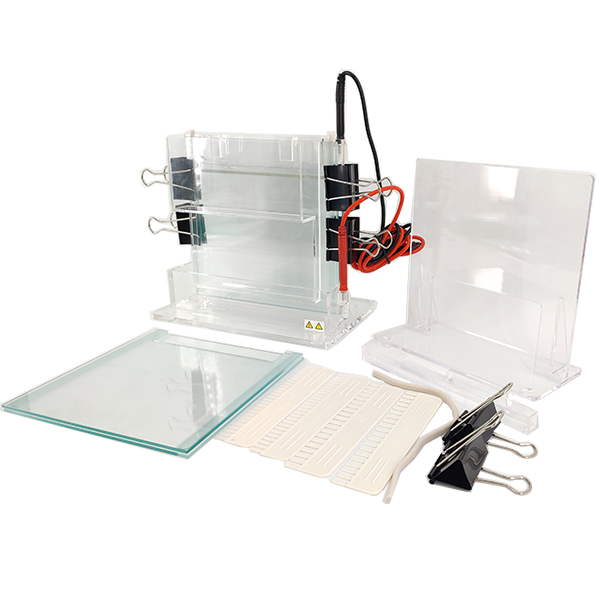
1. Horizontal Electrophoresis Tank (Chamber)
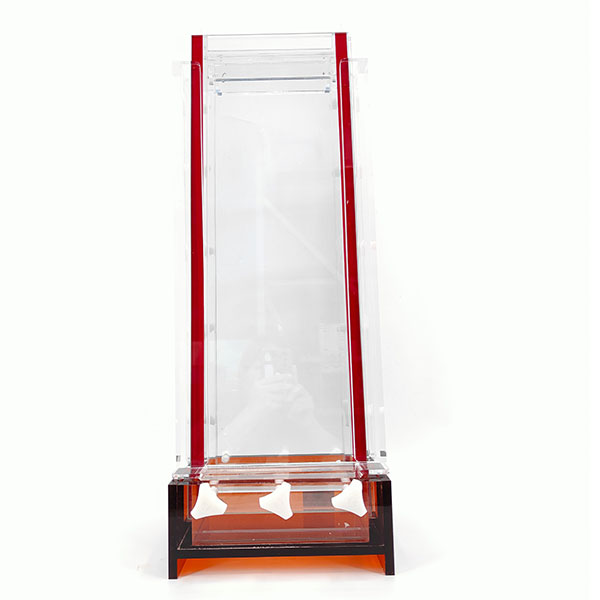
The electrophoresis chamber is the heart of the system. High-quality tanks are manufactured from UV-transparent, chemically resistant polycarbonate or acrylic materials. They are designed with leak-proof seals, precision-leveled gel platforms, and integrated electrode contacts to ensure uniform current distribution. Chamber sizes range from mini formats (7×10 cm) for fast screening assays to large-format (25×25 cm) systems for preparative applications or gel-shift assays.
2. Agarose Gel Matrix
The gel is prepared by dissolving agarose powder in electrophoresis buffer (TAE or TBE), heating until clear, cooling, adding nucleic acid stain, and pouring into the gel tray with combs inserted. PCR product sizes typically range from 100 bp to 5,000 bp; gel concentrations of 1.0%–1.5% agarose optimally resolve this range. Multi-well combs with up to 18–24 wells per lane dramatically increase sample throughput.
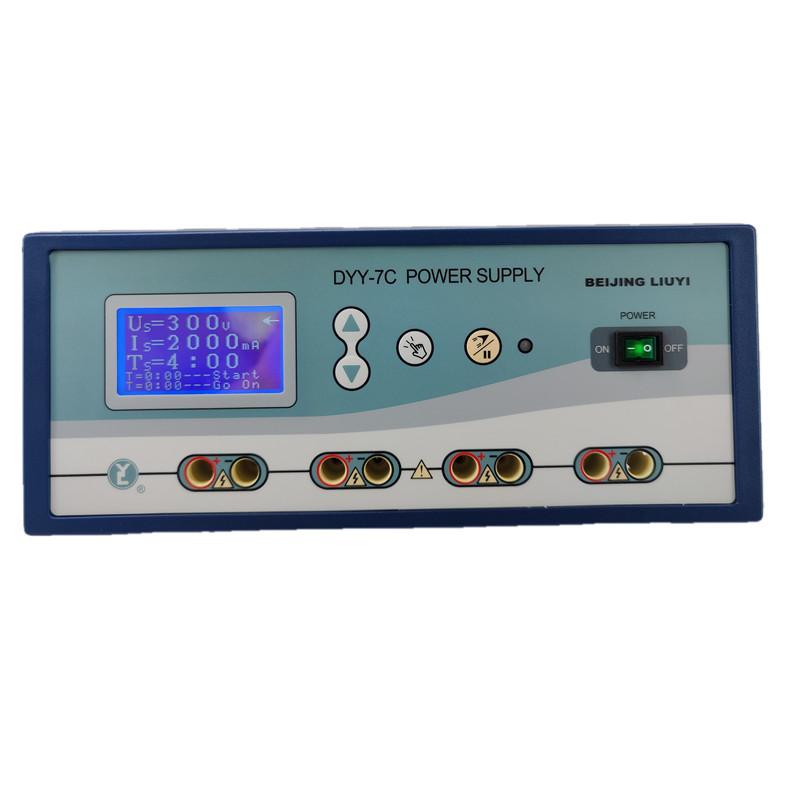
3. Electrophoresis Power Supply
A programmable power supply delivers constant voltage (typically 80–120 V for standard runs, 5–300 V for gradient protocols). Features such as digital displays, timer functions, automatic cut-off, and overload protection are essential for unattended operation. Multiple simultaneous gel runs can be powered from a single multi-output unit, maximizing lab efficiency.
4. Transilluminator & Imaging System
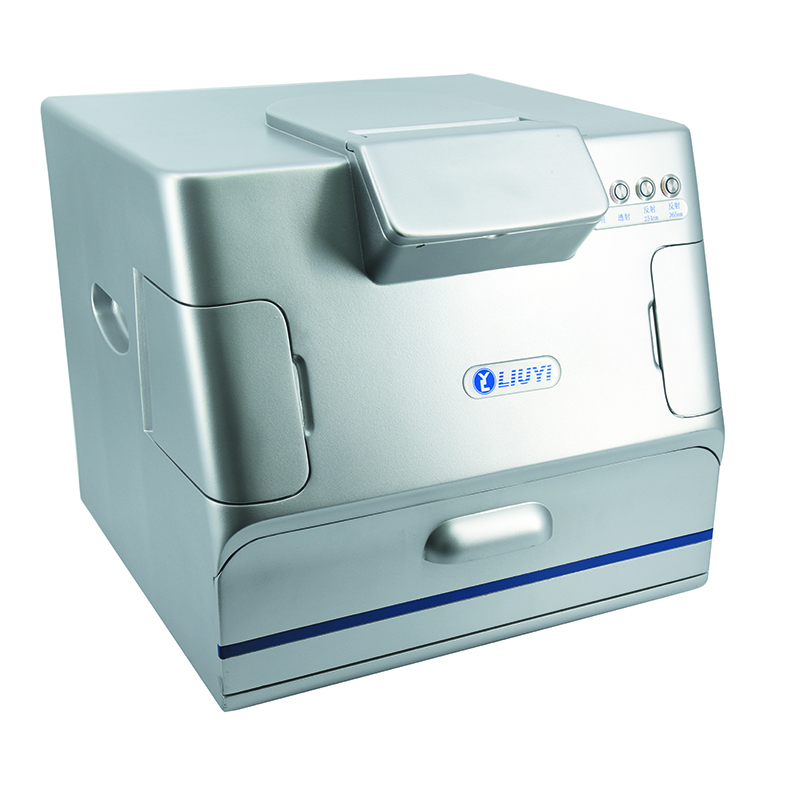
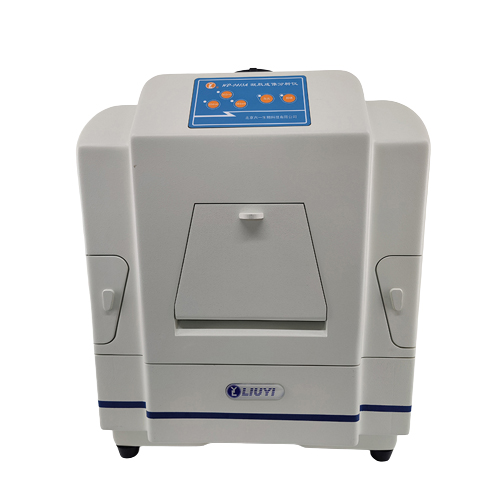
After electrophoresis, DNA bands are visualized using UV (302/365 nm) or blue LED (460–470 nm) transilluminators. Coupled with gel imaging and analysis systems featuring CCD cameras, bands can be captured, measured, and documented in real time. Modern systems integrate dedicated software for band quantification, molecular weight determination, and lane normalization.
In-Depth Application Scenarios for PCR Detection via Horizontal Electrophoresis
Horizontal agarose gel electrophoresis for PCR detection spans a vast range of scientific and industrial fields, each with unique performance demands.
Clinical Molecular Diagnostics
PCR-based diagnosis of infectious diseases (SARS-CoV-2, HPV, hepatitis B/C, tuberculosis, MRSA) relies on agarose gel verification to confirm target amplification before reporting. Horizontal systems accommodating 96-well combs enable batch processing of patient samples with rapid turnaround.
Food Safety & GMO Testing
Regulatory compliance in food production requires PCR-based GMO detection, allergen screening, and species identification. Horizontal electrophoresis provides a fast, cost-effective confirmation of PCR-positive results, facilitating routine quality control in food manufacturing and inspection agencies.
Environmental & Ecological Monitoring
Environmental DNA (eDNA) analysis using PCR followed by horizontal gel electrophoresis enables biodiversity assessment, invasive species detection, and pathogen surveillance in water, soil, and air samples without collecting physical specimens.
Pharmaceutical R&D & Quality Control
Biopharmaceutical companies use PCR-electrophoresis to verify gene expression constructs, screen recombinant clones, validate plasmid integrity, and perform identity testing on biological starting materials — all requiring rapid, reliable gel documentation.
Forensic DNA Analysis
Short tandem repeat (STR) profiling and species identification in forensic labs utilize horizontal electrophoresis as part of multi-step PCR verification workflows. High-resolution gel systems are critical for distinguishing closely sized alleles in criminal and paternity investigations.
Veterinary & Animal Genomics
Breed verification, disease screening, and genetic trait identification in livestock, companion animals, and aquaculture species are routinely performed by PCR followed by horizontal agarose gel electrophoresis, with high demand in the rapidly growing animal health diagnostics sector.
Commercial & Industrial Landscape of Horizontal Electrophoresis
The global electrophoresis market — encompassing horizontal systems, power supplies, and imaging accessories — was valued at over USD 1.2 billion in 2023 and is projected to grow at a CAGR of approximately 5.8% through 2030, driven by exponential growth in genomics research, clinical molecular diagnostics, and point-of-care testing infrastructure expansion in emerging markets.
Horizontal agarose gel electrophoresis retains a dominant share of the market owing to its unmatched cost-per-sample efficiency compared to capillary electrophoresis or next-generation sequencing for high-volume PCR verification tasks. While digital PCR and qPCR technologies have partially replaced gel-based confirmation in high-throughput settings, horizontal electrophoresis remains irreplaceable for applications requiring gel purification, size estimation, and visual multiplex confirmation.
Key industrial end-users include hospital and clinical reference laboratories, academic and government research institutes, biotech and pharma companies, crop science and agri-genomics firms, food testing laboratories, and environmental monitoring agencies. Each segment has distinct instrument performance requirements: clinical labs prioritize speed and bio-containment; academic labs value flexibility and resolution; industrial QC labs demand throughput and automation-friendly workflows.
Development Trends: The Future of Horizontal Electrophoresis for PCR
Technological convergence and market pressure are reshaping horizontal electrophoresis design and deployment strategies at an unprecedented pace.
🤖 Automation & Robotic Integration
Modern horizontal electrophoresis platforms are increasingly interfaced with liquid handling robots and automated sample processors. Robotic gel loading, automated buffer circulation, and hands-free imaging reduce operator variability and enable 24/7 unattended operation in high-throughput diagnostic laboratories.
📱 Smart Connectivity & IoT-Enabled Instruments
Next-generation power supplies and imaging systems feature Wi-Fi, Bluetooth, and cloud connectivity, enabling remote operation, real-time monitoring via mobile apps, automated data logging, and seamless integration with LIMS (Laboratory Information Management Systems).
🌱 Safer Staining Technologies
The transition from mutagenic ethidium bromide to non-toxic alternatives (GelRed, SYBR Safe, GelGreen) is accelerating, driven by laboratory safety regulations and sustainability commitments. Horizontal systems are now routinely validated for use with these next-generation nucleic acid stains.
🔬 Microfluidic & Miniaturized Formats
Chip-based miniaturized electrophoresis (lab-on-a-chip) is emerging as a complement — not a replacement — to conventional horizontal systems. Microfluidic devices offer ultra-fast runs (<2 minutes), nanogram-level sensitivity, and portability for field diagnostics, while standard horizontal systems retain advantages for multi-sample batch processing.
🧠 AI-Powered Gel Image Analysis
Artificial intelligence and deep learning algorithms are now embedded in gel imaging software, enabling automatic band detection, molecular weight calculation, contamination flagging, and result interpretation with minimal human intervention — a paradigm shift in PCR result reporting efficiency.
🌏 Emerging Market Expansion
Rapid infrastructure investment in molecular diagnostics across Southeast Asia, Africa, Latin America, and the Middle East is creating surging demand for affordable, robust horizontal electrophoresis systems. Chinese manufacturers like Liuyi Biotechnology are uniquely positioned to address this demand with high-quality, competitively priced solutions.
Our Company
Beijing Liuyi Biotechnology Co., Ltd.
Beijing Liuyi Biotechnology Co., Ltd., formerly known as Beijing Liuyi Instrument Factory, established in 1970, is a national high technology enterprise with a long history. It is a leading and the biggest manufacturer in electrophoresis instrument for life science laboratories in China.
Based on the life science and biotechnology industries, our mainly products always in the domestic industry leading firm and well-known in the industry, exported to other countries and areas. We have our own R&D team, open to scientific research innovation, market development first, industry and combined with the development, the economic scale of our company have rapid growth for several years.
In 2008, Liuyi is honored as the famous trademark of Beijing. Our trademark is under the protection of Madrid Protocol in 7 countries including the United States, the United Kingdom, Japan, South Korea, Singapore, Greece, and Zambia in 2005, as well we have registered our trademark in India and Vietnam.
Based on life science and biotechnology industry, with excellent reputation, we offer reliable quality products and good service to our customers in China and overseas. We are the key supplier for the government purchase projects, and we have nearly 2000 dealers in China. Our products have been exported to more than ten countries including America, Brazil, Mexico, India, Africa, Chile, Singapore etc.. We are dedicated to offering our products throughout the world.
Our Team
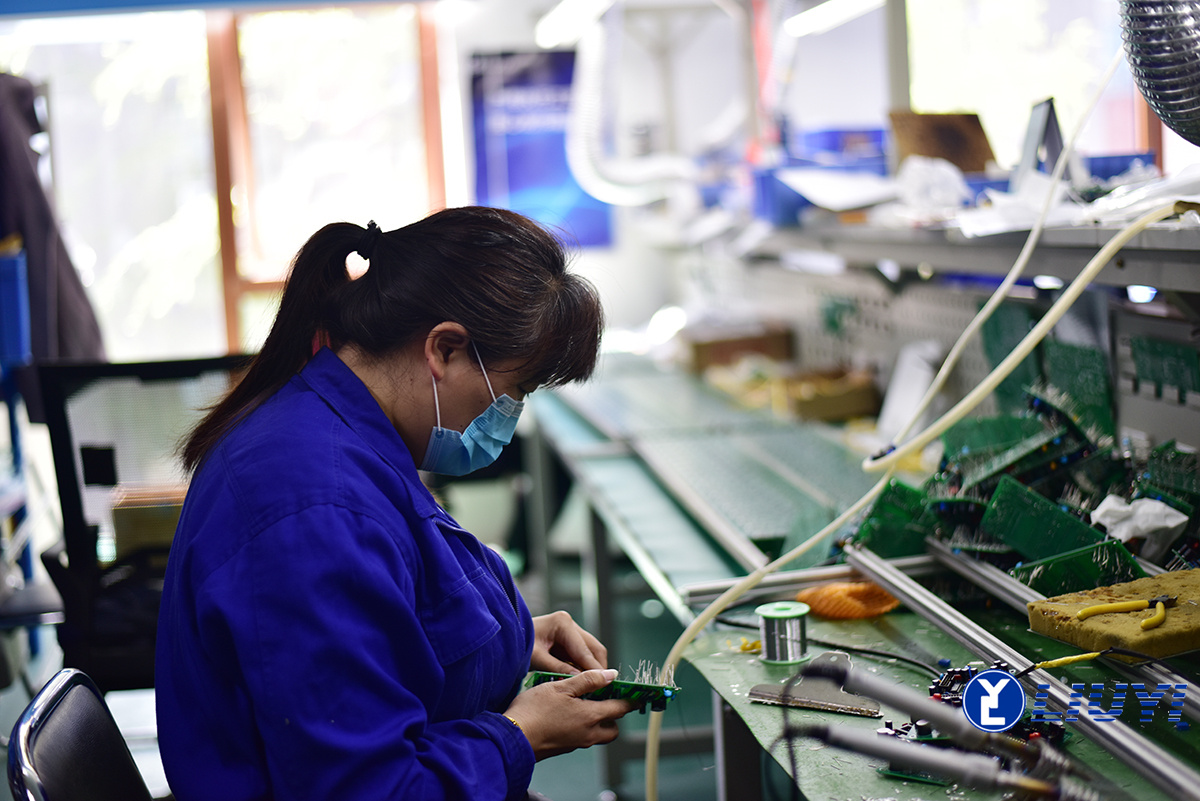
Liuyi has specialized in manufacturing electrophoresis instruments for more than 50 years with our own professional technical team and R&D center. We have reliable and complete production line from design to inspection, and warehouse, as well as marketing support. Our main products are Electrophoresis Cell (tank/chamber), Electrophoresis Power Supply, Blu LED Transilluminator, UV Transilluminator, Gel Image & Analysis System etc. According to your requirements, we can provide customized service for you.
Beijing Liuyi Biotechnology Co., Ltd has launched new products for protein analysis, western blotting and gel observation. DYCZ-MINI series are fully compatible with the main international brands, and can run up to four precast or handcast polyacrylamide gels. The trans-blot module of DYCZ-TRANS2 is compatible with the chamber of DYCZ-MINI series. The WD-9403B can observe gel for nucleic acid electrophoresis. These new products are all durable, versatile, and easy to assemble. Welcome to contact us for more details!
Certificate & Awards
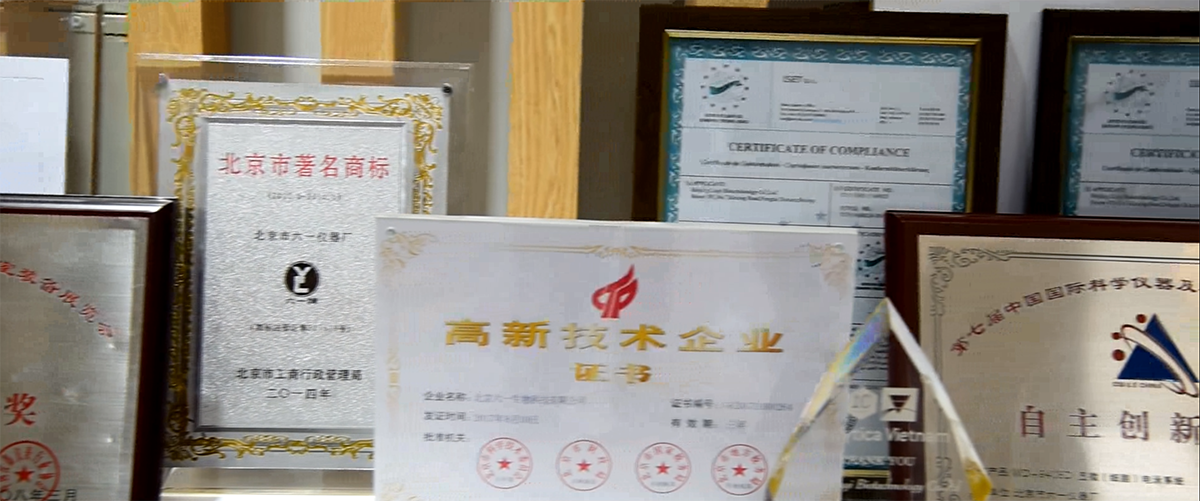
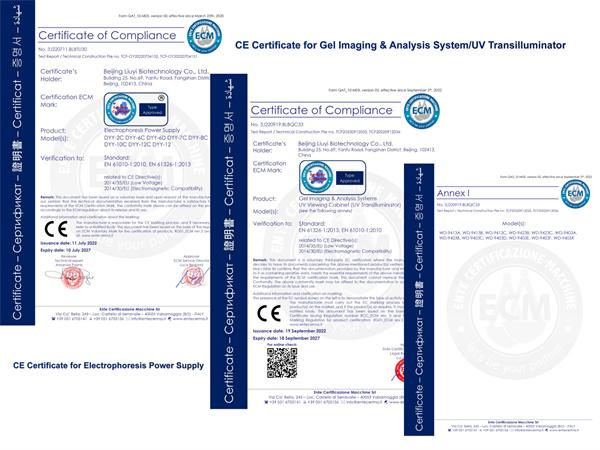
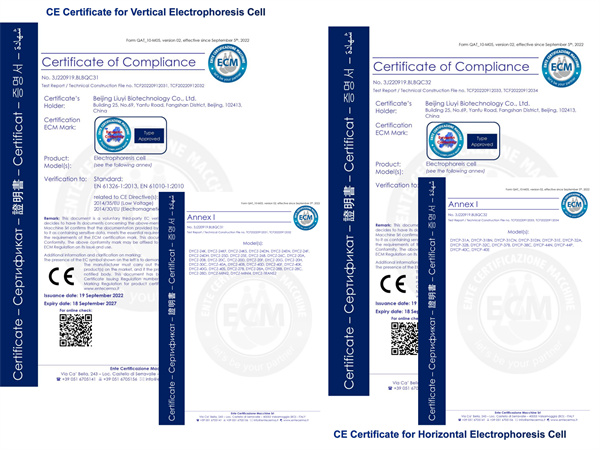
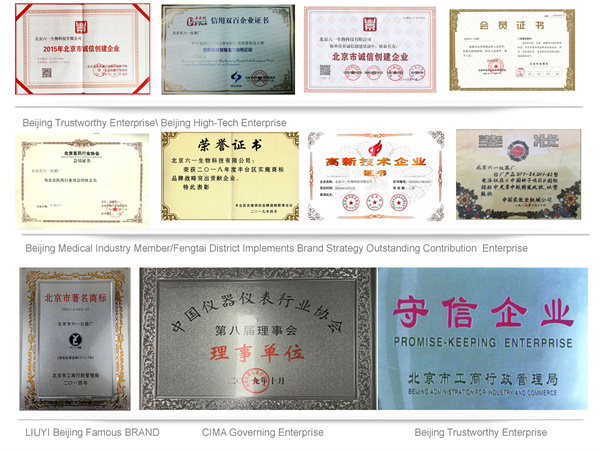
Liuyi has been awarded variety certificates and enterprise qualifications along with its high reputation in industry. We are ISO 9001 & ISO 13485 certified company and some of our products have CE certificates. Since 2003, Liuyi as the only medical device manufacturer in Beijing medical industry has been awarded as "PROMISE-KEEPING ENTERPRISE" by Beijing Administration for Industry and Commerce.
- ISO9001, ISO13485 Double Certified Enterprise
- National High-tech Enterprise
- Three main products passed CE certification
- LIUYI Beijing Famous BRAND
- The Drafting Enterprise for pharmaceutical industry standards and national standards
- First Class Medical Device Filled Certificate
- China Utility Model Patent Certificate
- Japanese and American Patents
- India and Vietnam Registered Trademark
- Beijing Trustworthy Enterprise
- CIMA Governing Enterprise
- Undertake China Torch Plan Program

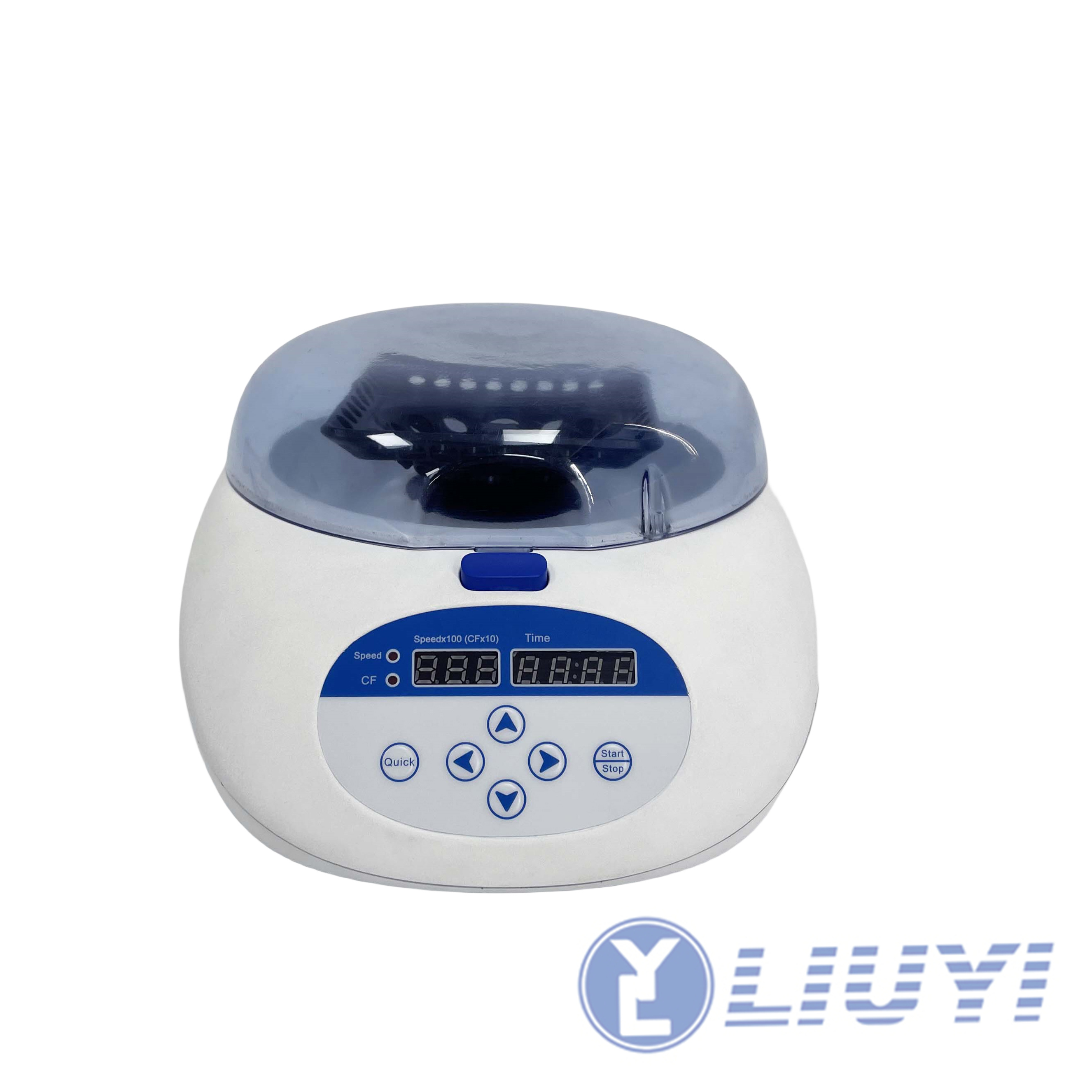
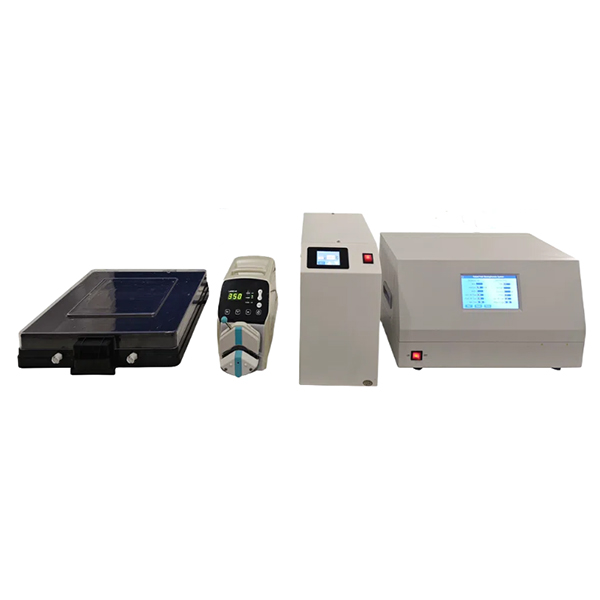
Complete PCR Detection & Electrophoresis Product Range
From DNA sequencing cells to UV transilluminators — full suite of tools for every PCR detection and gel analysis need.

-

Phone
-

E-mail
-

Whatsapp
-

Top