


Featured Vertical Electrophoresis Products
Precision-engineered electrophoresis systems designed for vertical separation — trusted by laboratories worldwide for protein and nucleic acid analysis.
What Does Electrophoresis Mean?
Electrophoresis refers to the migration of charged particles or molecules through a medium under the influence of an electric field. In the context of vertical electrophoresis, this principle becomes the cornerstone of advanced molecular analysis used across life sciences, clinical diagnostics, and pharmaceutical research.
Scientific Definition
Electrophoresis is the movement of electrically charged substances under the influence of an applied electric field. Molecules with different sizes, shapes, and charges migrate at different rates, enabling their separation. In vertical electrophoresis, polyacrylamide gels (PAGE) are oriented vertically, providing superior resolution for protein and nucleic acid separation compared to horizontal systems.
Vertical vs. Horizontal Electrophoresis
Vertical electrophoresis systems are typically used for protein analysis (SDS-PAGE) and native PAGE, where denser polyacrylamide gels are required. The vertical orientation utilizes gravity assistance for buffer flow and gel stability, offering tighter band resolution. Horizontal electrophoresis is more commonly used for nucleic acid (DNA/RNA) separation in agarose gels.
Core Mechanism in Vertical Systems
In vertical electrophoresis, two glass plates sandwich a thin polyacrylamide gel. Buffer fills the upper and lower chambers, and an electric current drives negatively charged proteins from cathode to anode through the gel matrix. Molecular sieving separates proteins by size, enabling precise molecular weight determination and purity assessment.
The Deeper Meaning of Vertical Electrophoresis in Modern Science
Understanding the electrophoresis meaning for vertical electrophoresis goes far beyond the textbook definition. In today's advanced research environment, vertical electrophoresis represents a critical analytical workflow that underpins drug discovery, disease biomarker identification, food safety testing, and quality control in biomanufacturing.
Vertical electrophoresis systems — particularly SDS-PAGE (Sodium Dodecyl Sulfate-Polyacrylamide Gel Electrophoresis) — allow researchers to denature proteins and separate them purely by molecular weight. This process is fundamental to Western blotting, a technique that allows specific protein identification using antibodies, widely used in clinical research and pharmaceutical validation.
The technique is also central to 2D electrophoresis (2-DE), where proteins are first separated by isoelectric point (isoelectric focusing) and then by molecular weight in a vertical PAGE system. This two-dimensional approach generates highly detailed protein maps of biological samples, a cornerstone technology in proteomics.
As laboratory demands evolve, the meaning of vertical electrophoresis continues to expand — from classic single-gel systems to high-throughput multi-gel platforms capable of running up to four or more gels simultaneously, dramatically increasing analytical efficiency in industrial and clinical settings.
Electrophoresis Industry at a Glance
In-Depth Application Scenarios of Vertical Electrophoresis
Vertical electrophoresis is not a single-use technology — it is the backbone of multiple disciplines and industrial sectors. Here is a comprehensive look at where and how vertical electrophoresis delivers unmatched value.
Pharmaceutical & Biopharmaceutical QC
Vertical electrophoresis is a mandatory tool in biopharmaceutical quality control. From monoclonal antibody purity analysis to recombinant protein characterization, SDS-PAGE under vertical orientation provides the regulatory-grade data required for FDA and EMA submissions. High-throughput vertical systems enable rapid batch release testing, reducing time-to-market for critical medicines.
Clinical Diagnostics & Biomarker Research
In clinical laboratories, vertical electrophoresis systems are used to analyze serum proteins, detect abnormal protein bands indicative of diseases such as multiple myeloma, and identify biomarkers for early disease diagnosis. Western blotting, a downstream application of vertical PAGE, remains the gold standard for confirmatory HIV testing.
Agricultural Biotechnology & Food Safety
Vertical electrophoresis is used in agricultural research to analyze seed proteins for variety identification, detect genetically modified organisms (GMOs), and assess crop quality. In food safety laboratories, protein profiling via SDS-PAGE helps authenticate food products and detect adulterants, supporting regulatory compliance worldwide.
Proteomics & Genomics Research
Advanced research facilities rely on 2-D vertical electrophoresis for comprehensive proteome mapping. Combined with mass spectrometry, this approach enables the identification of thousands of proteins from a single sample, driving discoveries in cancer biology, infectious disease, and personalized medicine.
Academic & University Research Laboratories
Universities and research institutes worldwide use vertical electrophoresis as an essential teaching and research tool. From undergraduate biology labs to cutting-edge PhD research, the technique provides hands-on molecular biology skills and produces publication-quality results for peer-reviewed science.
Industrial Biotechnology & Enzyme Production
Industrial biotech companies producing enzymes, vaccines, and fermentation products depend on vertical electrophoresis for process monitoring and product characterization. Enzyme purity, molecular weight confirmation, and isoform detection are routinely performed using vertical PAGE, ensuring consistent product quality across large-scale manufacturing runs.
Commercial & Industrial Trends in Vertical Electrophoresis
The vertical electrophoresis market is undergoing rapid transformation. Technological innovation, increasing R&D investment, and the global expansion of biopharmaceuticals are reshaping how vertical electrophoresis systems are designed, used, and commercialized.
High-Throughput & Automation
Next-generation vertical electrophoresis platforms now support automated sample loading, real-time monitoring, and multi-gel parallel running. High-throughput systems like DYCZ-20H allow simultaneous processing of multiple gels, responding to the growing demand for faster, more efficient workflows in pharmaceutical and clinical labs.
Miniaturization & Microfluidics
Chip-based electrophoresis and microfluidic vertical separation systems are emerging as powerful alternatives to conventional slab gel systems. These miniaturized platforms offer faster run times, reduced reagent consumption, and compatibility with automated liquid handling systems — driving adoption in point-of-care diagnostics and high-throughput screening.
Precast Gel Technology
The market for precast polyacrylamide gels for vertical electrophoresis is growing rapidly. Precast gels eliminate the need for in-lab gel preparation, reduce hazardous acrylamide exposure, and ensure batch-to-batch reproducibility. Compatibility with major international brands is now a key differentiator for vertical electrophoresis system manufacturers.
AI-Powered Gel Image Analysis
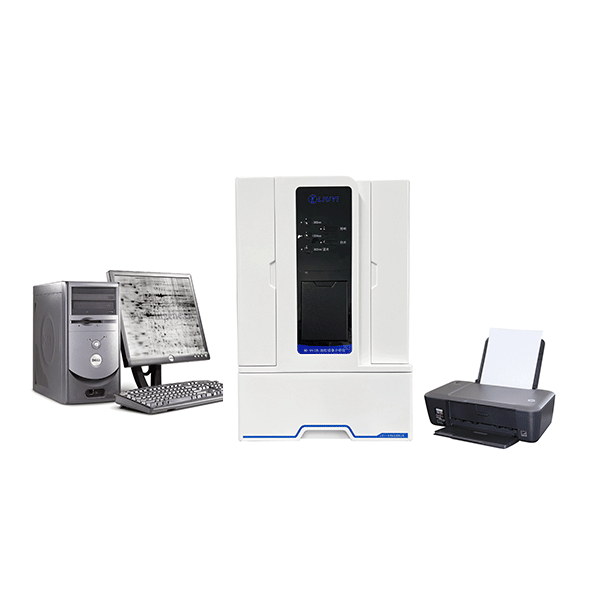
Integrated gel imaging and analysis systems are transforming vertical electrophoresis workflows. AI-driven analysis software can automatically detect bands, calculate molecular weights, quantify protein expression, and generate publication-ready reports — reducing human error and dramatically improving throughput in busy research and QC environments.
Green & Sustainable Electrophoresis
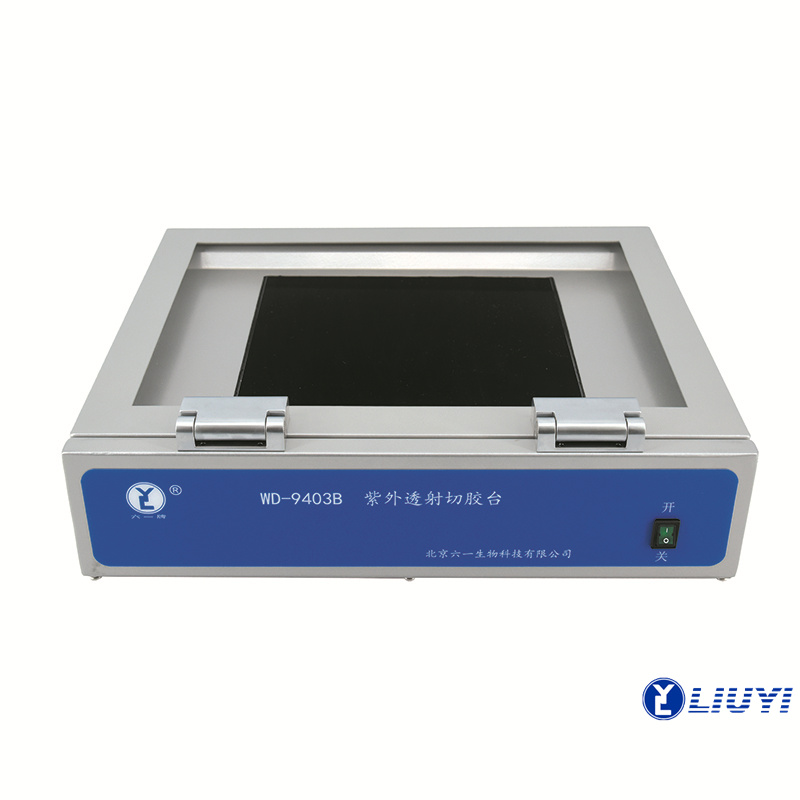
Environmental considerations are driving innovation in vertical electrophoresis. LED-based transilluminators replacing UV sources reduce energy consumption and eliminate ozone generation. Non-toxic gel staining alternatives to ethidium bromide are gaining traction. Sustainable vertical electrophoresis practices are becoming a regulatory and corporate responsibility priority.
Global Market Expansion
The global electrophoresis market is projected to grow significantly through 2030, driven by expanding biopharmaceutical industries in Asia, Latin America, and Africa. Chinese manufacturers like Beijing Liuyi Biotechnology are playing an increasingly important role in providing high-quality, cost-effective vertical electrophoresis solutions to emerging markets worldwide.
New Generation Vertical Electrophoresis Systems
Beijing Liuyi Biotechnology has launched a new series of products for protein analysis, Western blotting, and gel observation. The DYCZ-MINI series are fully compatible with major international brands and can run up to four precast or hand-cast polyacrylamide gels simultaneously. The trans-blot module of DYCZ-TRANS2 is compatible with DYCZ-MINI series chambers. All products are durable, versatile, and easy to assemble.
Explore All Products →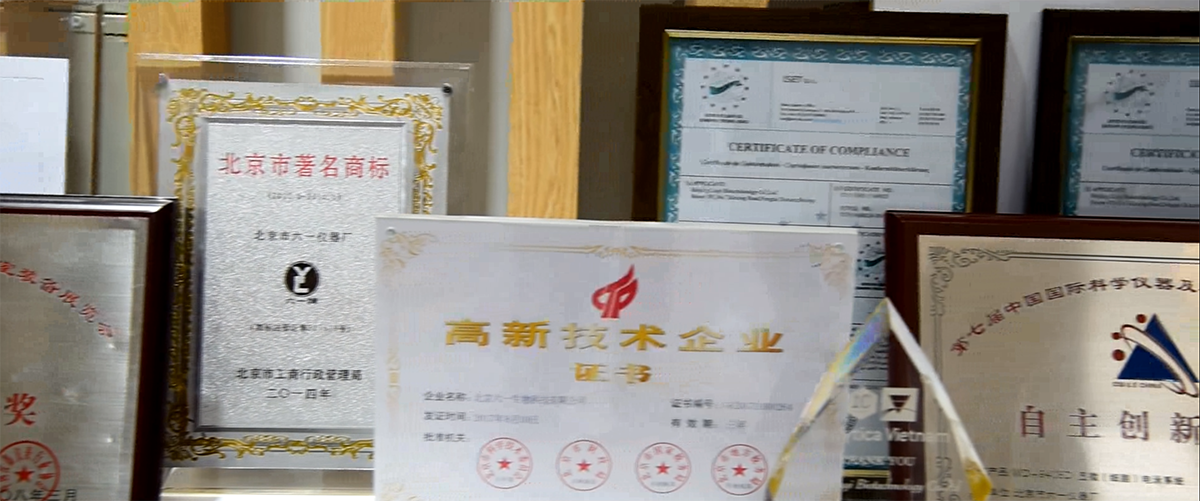
Our Company
Beijing Liuyi Biotechnology Co., Ltd., formerly known as Beijing Liuyi Instrument Factory, established in 1970, is a national high technology enterprise with a long history. It is a leading and the biggest manufacturer in electrophoresis instruments for life science laboratories in China.
Based on the life science and biotechnology industries, our main products always maintain domestic industry-leading positions and are well-known in the industry, exported to other countries and areas. We have our own R&D team, open to scientific research innovation, market development first, industry and combined with the development, and the economic scale of our company has achieved rapid growth for several years.
Our Team & Expertise
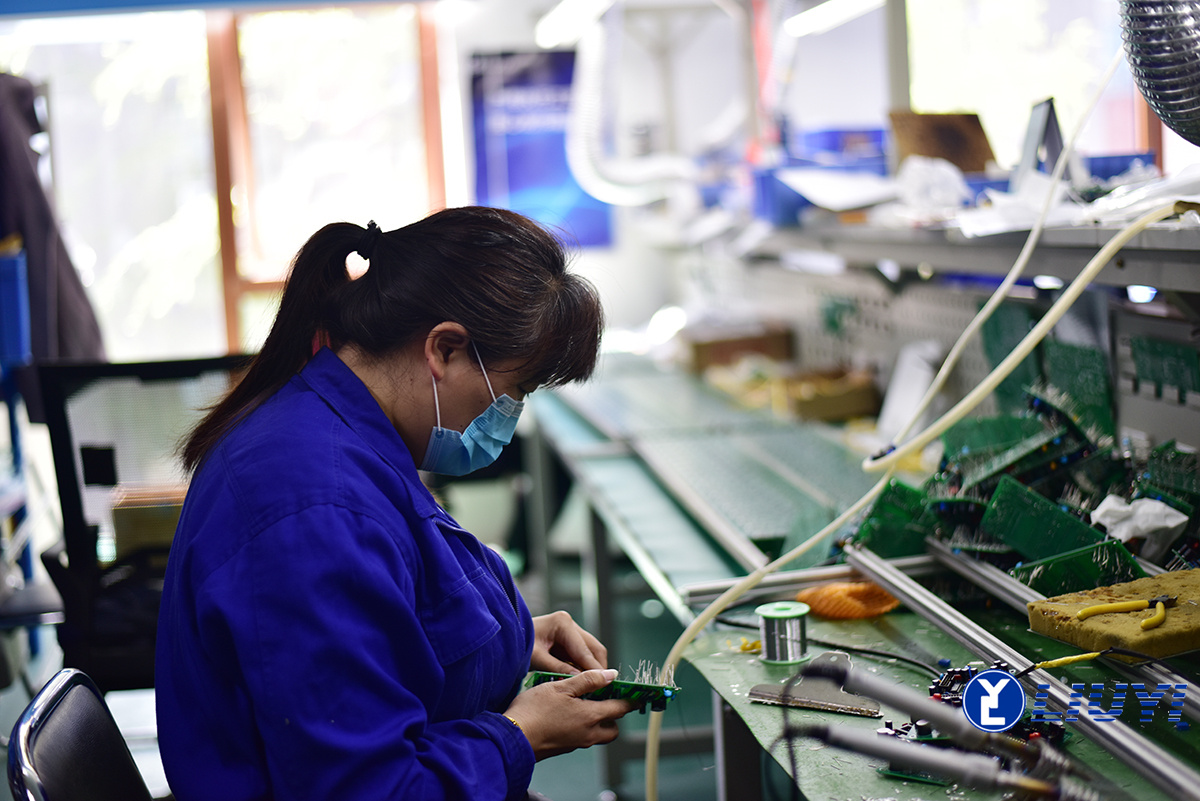
Liuyi has specialized in manufacturing electrophoresis instruments for more than 50 years with our own professional technical team and R&D center. We have a reliable and complete production line from design to inspection, warehouse, as well as marketing support.
Our main products include:
- Electrophoresis Cell (tank/chamber) for Vertical & Horizontal Systems
- Electrophoresis Power Supply
- Blue LED Transilluminator
- UV Transilluminator
- Gel Image & Analysis System
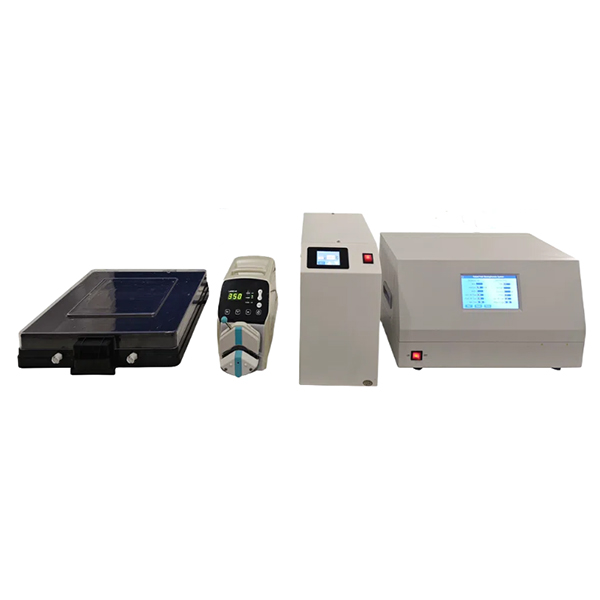
- Pulsed Field Gel Electrophoresis Systems
- 2-D Protein Electrophoresis Cells
- Customized electrophoresis solutions per your requirements
Certifications & Awards
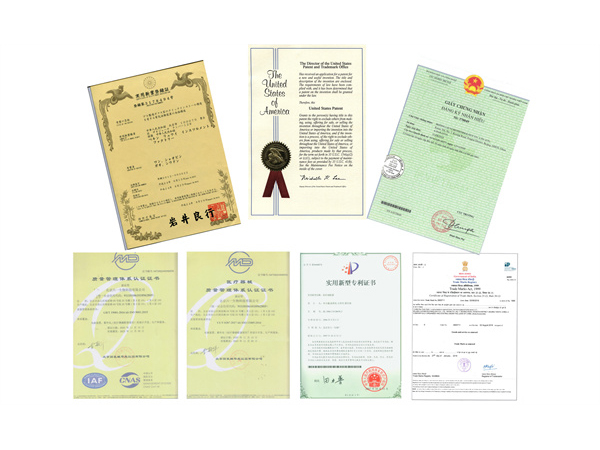
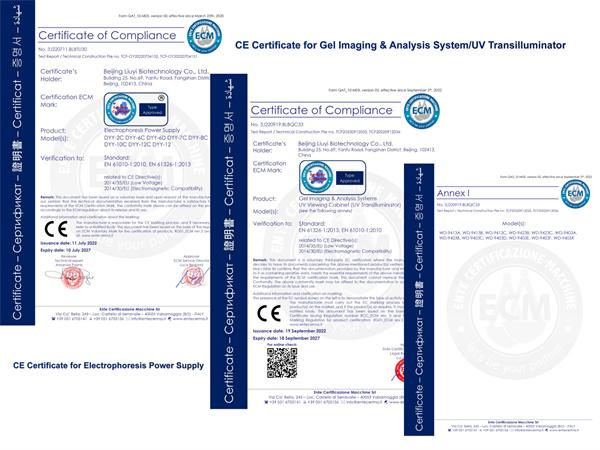
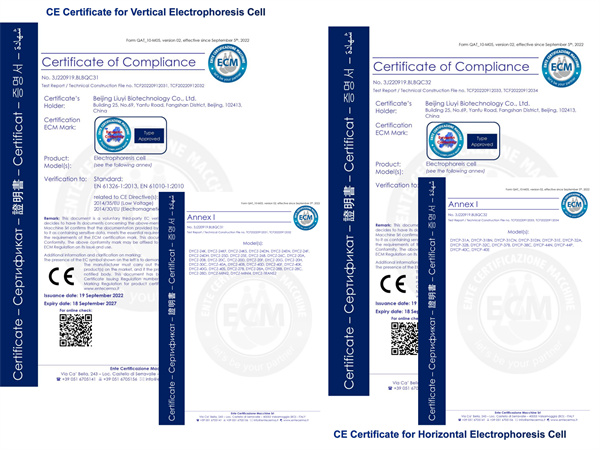
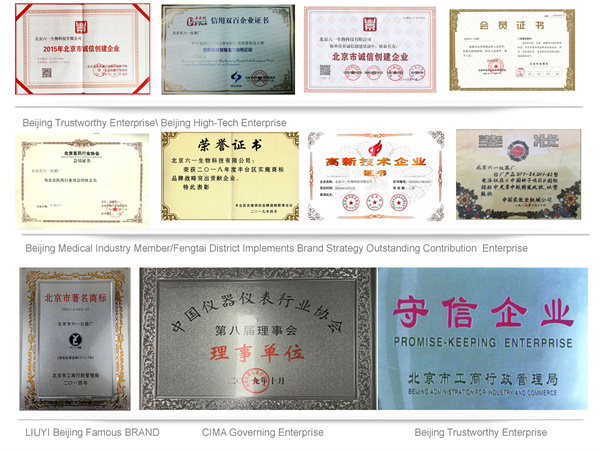
Liuyi has been awarded a variety of certificates and enterprise qualifications, reflecting our high reputation in the electrophoresis industry. We are ISO 9001 & ISO 13485 certified company and several of our products hold CE certification.
- ISO9001, ISO13485 Double Certified Enterprise
- National High-tech Enterprise
- Three main products passed CE certification
- LIUYI Beijing Famous BRAND
- The Drafting Enterprise for pharmaceutical industry standards and national standards
- First Class Medical Device Filled Certificate
- China Utility Model Patent Certificate
- Japanese and American patents
- India and Vietnam registered trademark
- Beijing Trustworthy Enterprise
- CIMA Governing Enterprise
- Undertake China Torch Plan Program
Since 2003, Liuyi as the only medical device manufacturer in Beijing medical industry has been awarded as "PROMISE-KEEPING ENTERPRISE" by Beijing Administration for Industry and Commerce. In 2008, Liuyi is honored as the famous trademark of Beijing. Our trademark is under the protection of Madrid Protocol in 7 countries including the United States, the United Kingdom, Japan, South Korea, Singapore, Greece, and Zambia in 2005, as well we have registered our trademark in India and Vietnam.
Based on life science and biotechnology industry, with excellent reputation, we offer reliable quality products and good service to our customers in China and overseas. We are the key supplier for government purchase projects, and we have nearly 2000 dealers in China. Our products have been exported to more than ten countries including America, Brazil, Mexico, India, Africa, Chile, Singapore etc. We are dedicated to offering our products throughout the world.
Complete Vertical Electrophoresis Product Range
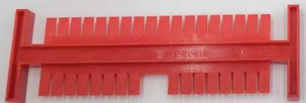
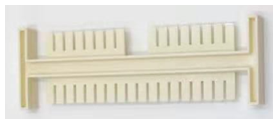
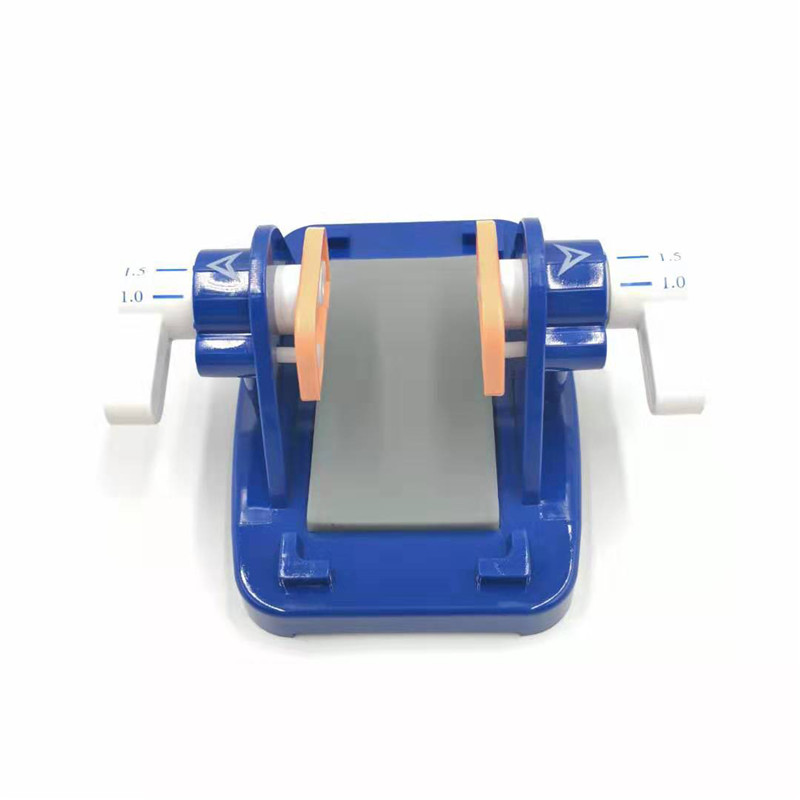
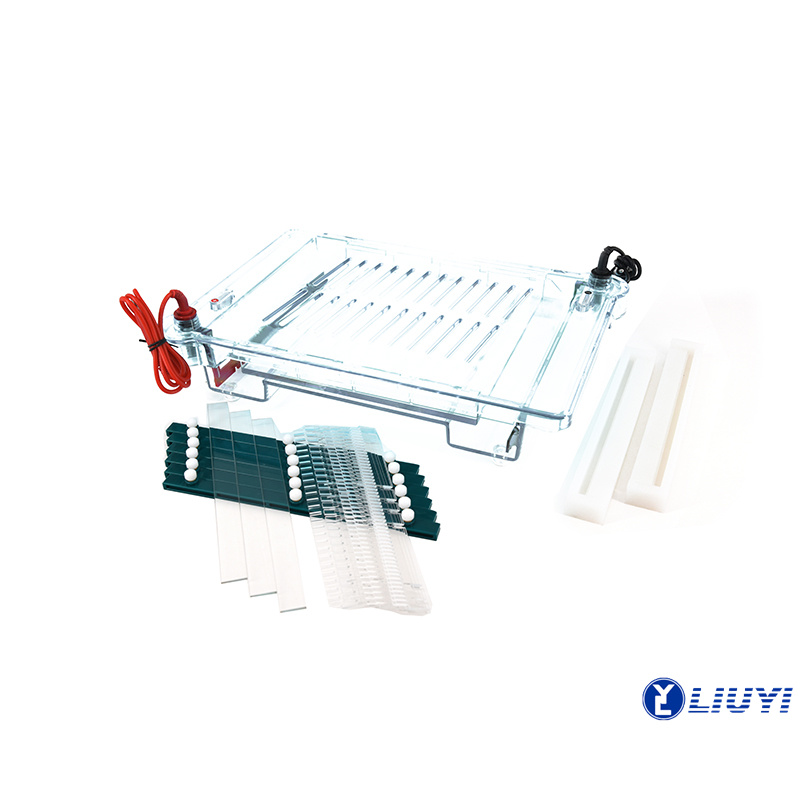
From gel casting devices and combs to pulsed-field systems and nucleic acid electrophoresis cells — our comprehensive product portfolio covers every aspect of vertical and horizontal electrophoresis workflows.

-

Phone
-

E-mail
-

Whatsapp
-

Top